
Orchid Care
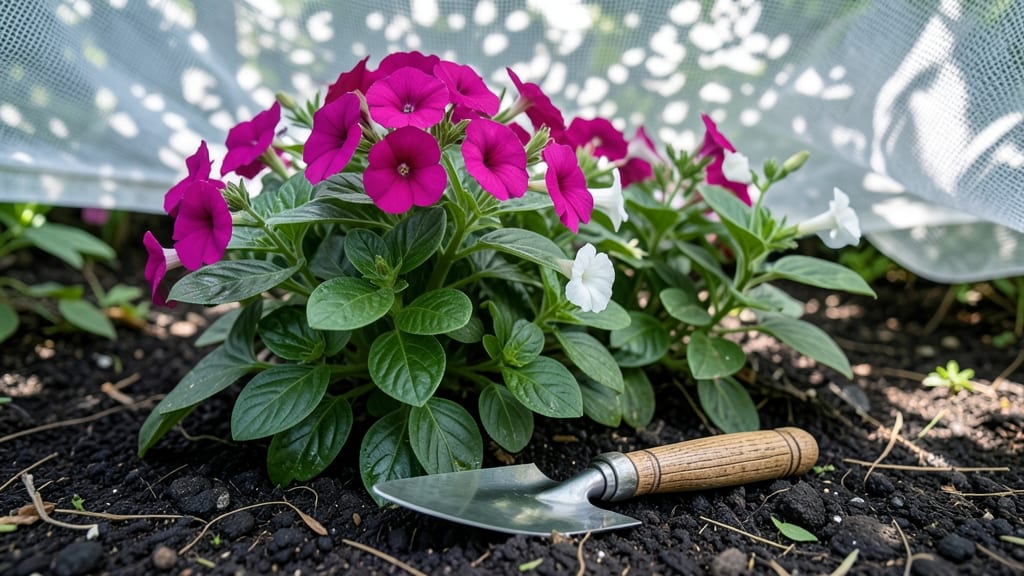
Impatiens thrive in shade, needing bright indirect light to keep their blooms vibrant and leaves lush 🌸—but too much sun or too little can turn your garden stars into sad, leggy shadows.
If you’ve ever wondered why your impatiens’ blooms are sparse or wilted, the answer likely lies in their light exposure. These beloved shade-loving plants prefer partial shade, meaning they need protection from harsh afternoon rays while still getting enough brightness to fuel their growth.
Outdoor impatiens do best in east-facing beds or under dappled shade from trees, while indoor varieties shine near north- or east-facing windows. Too much direct sun scorches their leaves, while deep shade stretches stems and fades blooms—neither look is what you planted for.
Below, I’ll break down the ideal light conditions, how to spot when your impatiens are struggling, and simple fixes to keep them blooming all season long—no guesswork required.
 Best Window Placement
Ideal sun vs. shade requirements for impatiens growth and blooming
Impatiens are often called the "workhorse of shade gardens" because they thrive where many other plants struggle. But not all impatiens are created equal—classic impatiens (Impatiens walleriana) and New Guinea impatiens (Impatiens x hawkeri) have different light tolerances.
Understanding these needs is key to vibrant blooms and healthy foliage. Too much sun can scorch leaves, while too little shade leads to sparse flowers and leggy stems.
For most gardeners, the biggest mistake is assuming all impatiens love full shade. While they prefer bright indirect light, some varieties—especially New Guinea types—can handle more direct sun than their classic counterparts.
The goal is to mimic their natural habitat: dappled sunlight under forest canopies where they receive gentle morning rays but escape harsh afternoon heat.
Here’s the critical breakdown: Classic impatiens need 4-6 hours of filtered light daily, while New Guinea varieties tolerate up to 6 hours of morning sun (but still avoid afternoon intensity). Overheating is their biggest enemy, so afternoon shade is non-negotiable in hot climates. Think of it like giving them a sun hat and umbrella—just enough light to fuel blooms without burning them.
If you’re growing impatiens in containers or hanging baskets, their light needs change dramatically. Pots heat up faster, so they need more afternoon shade than in-ground plants. Move them to a shaded patio by midday if your garden gets intense afternoon sun.
I once had a basket of classic impatiens that turned crispy after just 3 hours of afternoon sun—a painful lesson in plant physics!
Another common mistake is assuming all shade is equal. North-facing windows or deep shade under dense trees can create too little light, leading to leggy, sparse growth with few blooms. Look for bright, indirect light—think of the glow under a tree canopy on a sunny day.
If you’re indoors, place them within 3 feet of an east-facing window or use grow lights for 12-14 hours daily to compensate.
For gardeners in hot climates (Zones 8-10), afternoon shade is essential. Use lightweight shade cloth (30-50%) if natural shade isn’t available. I’ve seen impatiens in Arizona thrive with cloth covers during peak sun hours (11 AM–3 PM).
Even a white umbrella or lattice trellis can provide the right filter. The key is to mimic their natural habitat—they’re understory plants, not desert dwellers.
Visual cues are your best friends when diagnosing light issues. Healthy impatiens leaves are deep green and glossy, while sunburned leaves show brown or yellow patches. Over-shaded plants develop long, thin stems with tiny leaves and few flowers.
If you see white or pale blooms, it’s often a sign of too much direct sun stressing the plant. Adjust gradually—don’t move them from full shade to full sun overnight!
One trick I swear by is the "finger test" for light intensity. Hold your hand near the plant’s leaves at midday. If you can barely feel warmth (like a gentle breeze), it’s ideal. If your hand feels hot within seconds, the light is too intense.
This simple test saves me from overcorrecting light conditions every season. Pair it with regular pruning to encourage bushier growth in shady spots.
Remember, impatiens are not drought-tolerant, so their light needs tie closely to watering. In bright indirect light, they’ll need more frequent watering (every 1-2 days) to prevent wilting.
But in deep shade, water every 2-3 days to avoid soggy roots. The soil should stay consistently moist—think of a well-wrung sponge, not a swamp.
With the right light balance, your impatiens will reward you with non-stop blooms from spring to frost. Start with the right variety for your space, monitor their leaves for stress signals, and adjust gradually.
Soon, you’ll have a shade garden so lush it feels like a tropical oasis—without the sunburn risks. Happy planting! 🌿
Signs your impatiens aren’t getting the right light (and how to fix it)
Your impatiens might be sending you SOS signals through their leaves and blooms. If they’re struggling with leggy stems or fewer flowers, their light conditions are likely off. Impatiens prefer bright, indirect light—think dappled shade or morning sun—but too much or too little can stress them out.
Watch for yellowing leaves or brown leaf edges, which often mean they’re getting too much harsh sunlight. On the flip side, pale, sparse foliage and stretched-out growth usually signal they need more light. These signs help you diagnose whether your impatiens are sunburned or light-deprived.
Too much sun causes leaf scorch and wilting, while too little light leads to leggy, weak growth. Classic impatiens (like Impatiens walleriana) thrive in 4-6 hours of morning sun with afternoon shade. New Guinea impatiens tolerate slightly more light but still need protection from harsh afternoon rays.
To fix overly leggy stems, gradually increase light exposure over 7-10 days. Move potted impatiens to a brighter spot near a window or under a sheer curtain. For garden impatiens, plant them under tall trees or on the east side of structures to avoid direct afternoon sun.
If your impatiens are burning, provide afternoon shade using cloth shade cloth (30-50% shade) or relocate them to a shadier spot. Avoid deep shade, which weakens stems and reduces blooms. A balanced light environment keeps your impatiens compact, lush, and flowering.
Companion planting can also help! Pair impatiens with tall ferns or hostas to filter sunlight naturally. Avoid planting near competitive sun-lovers like sunflowers, which steal light and moisture. With the right light and companions, your impatiens will reward you with nonstop blooms all season.
Regularly check your impatiens’ light exposure and adjust as needed. A little trial and error will help you find the perfect balance for your garden’s unique conditions. Happy growing! 🌿