
Shrubs
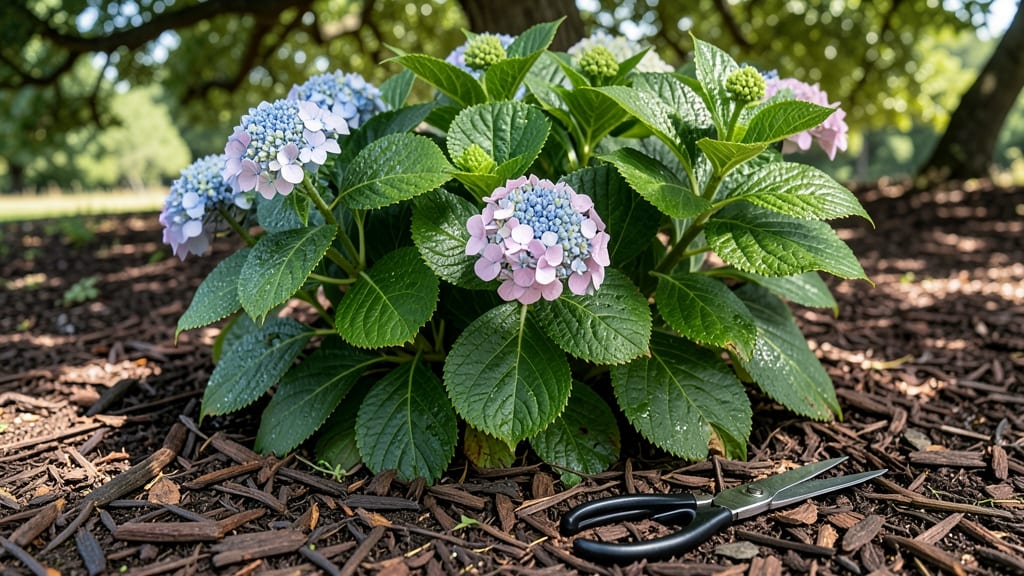
Shade-loving hydrangeas like Oakleaf actually love dappled light or filtered shade, where they develop their signature deep foliage colors and vibrant blooms. 🌿 The key is avoiding harsh afternoon sun, which can scorch leaves and reduce flowering.
I’ve seen Oakleaf hydrangeas in my own garden produce stunning red fall foliage precisely because they get morning sun and afternoon shade. For Bigleaf varieties, consistent moisture is non-negotiable—their large leaves transpire quickly, so mulching with organic material helps retain soil dampness without waterlogging.
What often surprises gardeners is how light requirements vary even within the same species. For example, while most Bigleaf hydrangeas tolerate shade, their flower size and color intensity may diminish without some direct sunlight.
That’s why I recommend testing your garden’s microclimates—some spots might get enough filtered light for optimal blooms, while others need supplemental care like reflective mulch or strategic placement near lighter areas.
💡 In This Article
- Best Hydrangea Varieties for Shady Gardens
- Shade Gardening Tips for Hydrangeas
Best Hydrangea varieties for shady gardens
Hydrangeas aren't one-size-fits-all when it comes to shade tolerance—different varieties have evolved distinct adaptations. Oakleaf hydrangeas (Hydrangea quercifolia) are the shade champions, thriving in full to partial shade where they develop their iconic burgundy fall foliage.
Their large, lobed leaves resemble oak foliage (hence the name), and they produce cone-shaped blooms that persist into winter. The secret lies in their thicker leaf cuticles that reduce water loss in low-light conditions, allowing them to photosynthesize efficiently even with just 2-3 hours of indirect sunlight per day.
Bigleaf hydrangeas (Hydrangea macrophylla) come in second for shade adaptability, though they demand more consistent moisture. Varieties like 'Nikko Blue' and 'Endless Summer' can handle partial shade (4-6 hours of filtered light), but their mophead or lacecap flowers will be smaller and less vibrant without some direct sun. The trade-off? Their glossy leaves stay lush and green year-round in shade, creating a dense foliage backdrop. For example, 'Annabelle' (a Bigleaf variety) might produce pale pink blooms in deep shade versus its signature white flowers in full sun—proof that light intensity directly affects pigment production.
Smooth hydrangeas (Hydrangea arborescens) like 'Annabelle' and 'Incrediball' are the most sun-tolerant but still perform well in partial shade, especially in hot climates where afternoon sun can stress them. Their rounded blooms rely on sunlight for structure, but they'll still flower in shade—just expect fewer, smaller blooms. The real advantage? Their thicker stems handle shade better than Bigleaf types, making them ideal for woodland gardens where light dapples through trees. I've seen 'Incrediball' produce football-sized blooms even with just morning sun, proving shade adaptability varies by cultivar.
Panicle hydrangeas (Hydrangea paniculata) are the outliers—they need at least 4-6 hours of direct sun for their iconic cone-shaped flowers to develop fully. Varieties like 'Limelight' and 'Little Lime' will still grow in partial shade, but their flower size and color intensity (from green to pink) suffer. The key difference? Panicle types store energy in their woody stems, allowing them to flower even with less light, but the blooms won't reach their full potential. For shade gardens, stick to Oakleaf or Bigleaf varieties unless you're willing to sacrifice bloom quality.
Here's a quick visual guide to help you match varieties to your garden's light conditions:
- Full shade (0-2 hours light): Oakleaf (best choice)—expect smaller blooms but stunning foliage
- Partial shade (3-6 hours light): Bigleaf (e.g., 'Endless Summer') or Smooth (e.g., 'Annabelle')—balance of flowers and foliage
- Dappled light (filtered sun): All types thrive—ideal for woodland gardens
- Morning sun only: Panicle (e.g., 'Limelight') will grow but with reduced blooms
The science behind this? Hydrangeas regulate their chlorophyll production based on light exposure. In shade, they prioritize leaf development over flowers, which is why Oakleaf varieties excel—they've evolved to maximize foliage beauty even when sunlight is scarce. 🌿