
Light Requirements
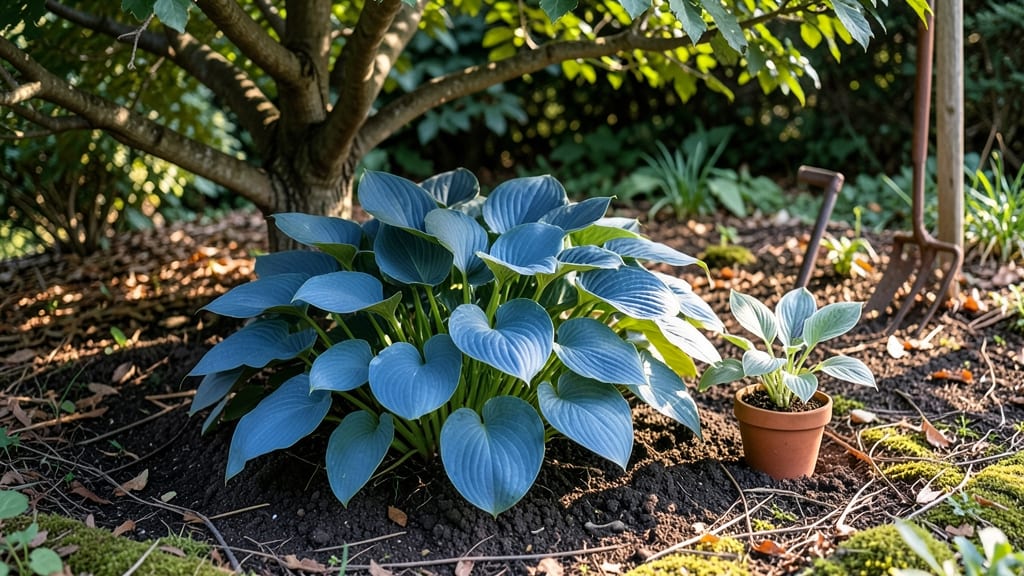
Do hostas need sun or shade—about 3 to 6 hours of morning sun or dappled light daily—though some varieties handle more sun than others.
Struggling to keep your hostas thriving? The battle between sun and shade is the #1 factor determining whether your plants grow lush or limp—and most gardeners get it wrong.
Too much sun leads to scorched leaves and weak growth, while too little shade can leave your hostas pale and leggy. The key is finding that sweet spot where your 🌿 hostas stay happy, especially in USDA Zone 6a.
Below, I’ll break down the ideal light balance, how to test your garden’s conditions, and the best hosta varieties for sun vs. shade—so you can finally grow those vibrant, healthy plants you’ve been dreaming of.
 Best Window Placement
Hostas in sun vs shade: the ideal light balance for healthy growth
If you've ever watched your hostas turn yellow or develop crispy edges, you're not alone. Most gardeners assume hostas thrive in shade, but the truth is more nuanced.
These perennials actually need a delicate light balance—too much sun causes stress, while too little shade leads to weak, leggy growth. The key is understanding how 3-6 hours of filtered sunlight creates that perfect partial shade environment most hostas crave.
Where you live matters too. In hot, southern climates (like USDA zones 7-9), even morning sun can scorch hosta leaves, while cooler northern zones (3-6) often benefit from more light exposure.
The good news? With the right variety and placement, you can grow stunning hostas in sunny spots or deep shade—but you’ll need to adjust your care routine accordingly.
⚠️ Quick Fix: If your hostas are struggling, start by moving them to a spot with dappled sunlight (like under a tree canopy) and monitor their response within 2-3 weeks. This simple adjustment often works wonders for revitalizing stressed plants.
Not all hostas are created equal. Some varieties, like 'Halcyon' or 'Francee', handle full sun better than others, while 'Blue Angel' or 'Patriot' prefer deep shade. Below, we’ll break down the light requirements by variety, plus how to spot when your hostas are getting too much—or too little—sunlight.
Most hostas prefer partial shade, but the 3-6 hour rule is just a starting point. Pay attention to the quality of light—dappled sunlight (like under deciduous trees) is far gentler than harsh afternoon rays.
If you notice scorched leaf edges or yellowing between veins, your hostas are getting too much direct sun. Move them to a shadier spot immediately and water deeply to help them recover.
On the flip side, if your hostas develop long, leggy stems with small, pale leaves, they’re begging for more light. This is especially common in northern climates or deep shade gardens. Try placing them near a north-facing window or under a high-canopy tree to increase light exposure gradually.
Some gardeners even use reflective surfaces (like white garden markers) to bounce extra light onto shade-loving varieties.
Pro Tip: Test your garden’s light conditions by placing a white piece of paper in potential spots for a few hours. If it stays cool to the touch, it’s likely shade-friendly.
How to test your garden’s light conditions for hostas (and fix problems)
If your hostas look tired or stop growing, the issue is likely light exposure. Most gardeners assume they know their yard’s light conditions—but without testing, you might be overestimating shade or underestimating sun.
I’ve learned the hard way that 3-6 hours of filtered light is ideal, but too much sun burns foliage, while too little causes weak, pale growth. Here’s how to diagnose and fix it.
Start by observing your garden’s natural light patterns. Notice how shadows move throughout the day—this tells you exactly how much sun each spot receives. For example, a north-facing area might seem shady, but it could still get 3 hours of morning sun, which works perfectly for hostas.
The key is measuring, not guessing.
Here’s my step-by-step method to test and adjust your hosta’s light conditions:
Place a white board or stake in your hosta’s spot at 10 AM. Mark the shadow’s edge with a chalk line. Repeat at 2 PM—the total shaded area shows your sun exposure.
If the shadow covers 70-100% of the board, your spot is ideal for hostas. If less than 30% is shaded, it’s too sunny—move plants or add shade cloth. For 50-70% shade, your hostas will thrive.
Deeper mulch (3-4 inches) keeps soil cooler, reducing heat stress in sunny spots. For shady areas, 2 inches of mulch retains moisture better. Use organic mulch like shredded bark or pine needles.
Thin out dense branches to let dappled light reach hostas. Focus on east- or west-facing branches, which cast harsh afternoon shadows. Avoid pruning in late summer—wait until early spring.
Use tall plants (like ferns or astilbes) as windbreaks to reduce direct sun exposure. For hot climates, group hostas with other shade-loving plants to lower overall temperature.
Yellowing leaves? Too much sun. Pale, weak growth? Not enough light. Brown edges? Heat stress. Adjust placement or add shade cloth (30-50%) if needed.
Once you’ve tested your garden’s light, monitor your hostas for 2-3 weeks after adjustments. Look for darker green leaves and faster growth—these are signs your plants are happy. If you’re in a hot, dry climate, consider morning sun only to avoid afternoon heat.
Remember, hostas are flexible—they’ll adapt to partial shade over time, but the key is consistency. If your garden has patchy light, try container gardening to move plants as needed. With these steps, your hostas will reward you with bold foliage and vigorous growth all season long. 🌿