
Orchid Care
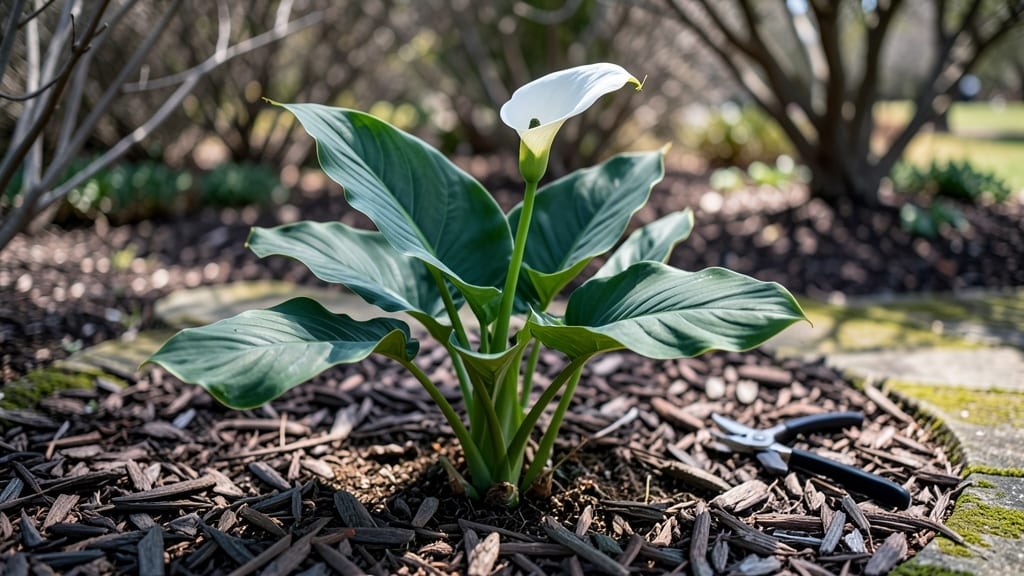
Calla lilies actually strike a delicate balance between sun and shade—think of them as the Goldilocks of light conditions. 🌿 Their broad leaves need enough brightness to fuel photosynthesis but can't handle the harsh midday rays that cause yellowing or crispy edges.
In hot climates, morning sun with afternoon shade works perfectly, while cooler regions might need supplemental grow lights to prevent leggy growth. I've seen calla lilies in containers thrive near east-facing windows where they get gentle morning light without overheating.
What's fascinating is how light affects their blooming cycle. These plants use day length as a cue—too little light delays or prevents flowering entirely, while perfect conditions trigger those iconic spathes. For container growers, rotating pots occasionally ensures even light exposure, preventing one-sided growth that weakens stems.
The key is observing your plants: if leaves look pale and stretched, they need more light; if they're crispy at the edges, they're getting too much sun.
💡 In This Article
- How Light Affects Calla Lily Growth and Flowering
- Best Locations for Calla Lilies in Gardens and Containers
How light affects calla lily growth and flowering
Calla lilies rely on light to power their photosynthesis engines, but they're sensitive to intensity. Their broad leaves contain chlorophyll that absorbs blue and red light wavelengths most efficiently, which is why they need bright conditions—but not direct, harsh sunlight.
Think of it like wearing sunscreen: too much UV exposure damages the delicate leaf cells, causing brown edges or bleached patches.
In fact, studies show that calla lilies exposed to more than 6 hours of direct sun daily often develop sunburn, while those in deep shade produce fewer blooms due to weakened stems.
The magic happens in the 4-6 hour window of filtered light, which provides enough energy for photosynthesis without overheating.
This is why east-facing windows or locations under dappled tree canopies work perfectly—they offer morning brightness while shielding from afternoon's strongest rays. 🌿 What's fascinating is how light triggers flowering: calla lilies use photoperiodism, where they detect day length changes.
In cooler climates, they need at least 12 hours of light daily to initiate blooming, while tropical varieties adapt to shorter days.
Seasonal adjustments matter too. During summer's peak sun, calla lilies in containers benefit from afternoon shade using sheer curtains or mesh screens. I've noticed that container-grown plants often need 20-30% more light than garden varieties because their roots can't absorb moisture as efficiently.
The key is watching leaf color: dark green indicates perfect light, while pale yellow means more brightness is needed, and crispy edges signal too much sun.
Here's what happens under different light conditions:
- Bright indirect light: Vibrant green leaves, strong stems, abundant blooms
- Direct afternoon sun: Brown leaf tips, weakened stems, fewer flowers
- Deep shade: Leggy growth, pale leaves, minimal blooming
- Morning sun only: Compact growth, healthy foliage, moderate flowers
In hot climates, calla lilies often perform best with morning sun and afternoon shade, while cooler regions might need supplemental grow lights during winter months when natural light decreases. The plant's native habitat in South Africa's woodlands gives us clues—it thrives in dappled forest light, not the open sun.
What most gardeners don't realize is that calla lilies can actually adjust their leaf angle to optimize light capture—a process called heliotropism. Young leaves often grow upright to avoid scorching, while mature leaves flatten to maximize surface area.
This natural adaptation helps them survive in fluctuating light conditions, making them more resilient than many other tropical plants.