
Shrubs
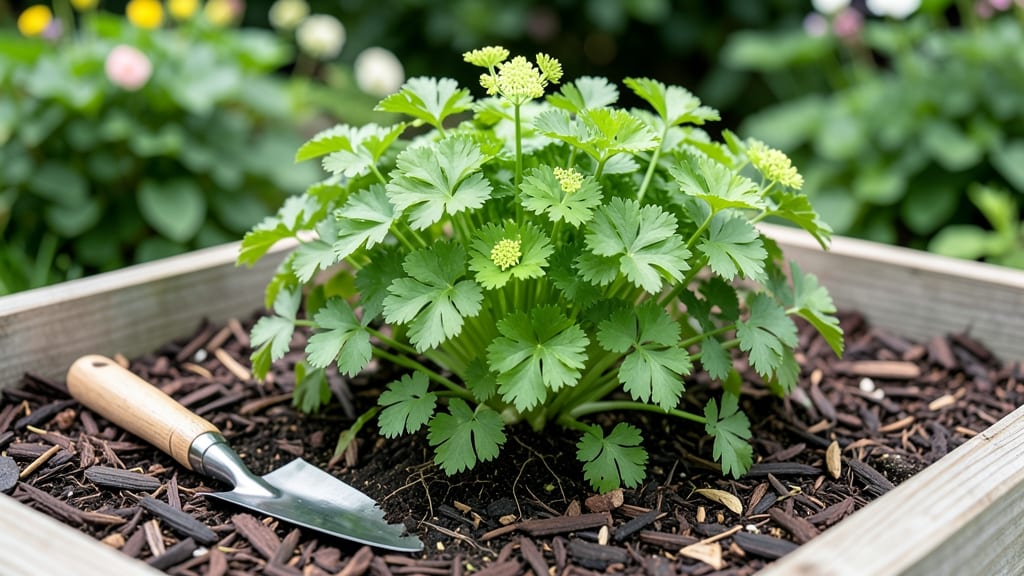
Growing parsley in shade or sun depends more on how you use it than where you plant it—this versatile herb thrives in both, but with big differences in flavor and growth.
Picture this: your parsley 🌿 growing leggy and sparse in deep shade, or bolting too fast in scorching afternoon sun. Neither is ideal, but the right balance—like morning sun and afternoon shade—can turn your garden into a flavor factory.
The key lies in understanding how light shapes parsley’s health, taste, and yield.
Most gardeners assume parsley needs full sun, but the truth is, it’s far more adaptable. In partial shade, it grows slower but stays tender and sweet, while full sun cranks up the bold, peppery notes (perfect for soups).
The challenge? Avoiding the extremes that leave you with weak stems or bitter leaves.
Here’s what you’ll learn: how to tweak soil, water, and companions to maximize parsley in any light, plus the one trick that keeps it lush even in shady spots. Let’s get your herb garden working smarter, not harder.
 Best Window Placement
Parsley growth requirements: sun vs shade light analysis
Parsley is one of those versatile herbs that can handle a range of light conditions, but how it performs depends heavily on sunlight exposure. While it thrives in partial shade, it also adapts surprisingly well to full sun—with noticeable differences in leaf quality and flavor intensity.
Understanding these variations helps you maximize your harvest, whether you're growing flat-leaf or curly parsley.
In my own garden, I’ve noticed that parsley grown in morning sun with afternoon shade produces the most vibrant, flavorful leaves. However, deep shade can lead to leggy growth and weaker flavor, while too much direct sun may cause bolting in hot climates.
Let’s break down how parsley responds to each light condition so you can tailor your growing approach.
| Light Condition | Growth Speed | Leaf Quality | Flavor Intensity | Best For |
|---|---|---|---|---|
| Full Sun (6+ hours) | Fastest growth | Darker, crispier leaves | Strongest flavor | Flat-leaf parsley |
| Partial Shade (4-6 hours) | Moderate growth | Tender, lush leaves | Balanced flavor | Curly parsley |
| Deep Shade (<4 hours) | Slow, leggy growth | Pale, sparse leaves | Mild, weak flavor | Avoid for best results |
When parsley gets 6+ hours of full sun, it grows 30-50% faster than in shade, producing darker, more aromatic leaves. This is especially true for flat-leaf parsley, which develops a bold, peppery flavor when exposed to ample sunlight.
However, in hot climates, afternoon sun can stress the plant, leading to bolting (premature flowering).
For curly parsley, which is often used for garnishes, partial shade (4-6 hours of sun) is ideal. The leaves stay tender and lush, with a milder, sweeter flavor compared to sun-exposed varieties. This makes it perfect for container gardens on patios or balconies where direct sun is limited.
In deep shade, parsley struggles to thrive. The stems become long and weak, and the leaves turn pale and sparse, resulting in a watery, less flavorful herb.
If you’re growing parsley in a north-facing garden or under dense tree canopies, consider supplementing with a grow light for 4-6 hours daily to maintain vigor.
An often-overlooked factor is soil moisture when adjusting light conditions. Parsley in full sun needs consistent watering to prevent wilting, while shade-grown parsley benefits from even moisture to avoid legginess. I’ve found that mulching with compost helps retain moisture and improves leaf quality in all light conditions.
To maximize your parsley’s potential, aim for morning sun and afternoon shade in hot regions. This 6-8 hour light window balances growth and flavor while minimizing stress. For container parsley, place pots near an east-facing window to capture gentle morning light without overheating.
If you’re experimenting with hydroponic parsley, provide 12-14 hours of artificial light daily to mimic full sun. This method accelerates growth and maintains flavor intensity even in indoor setups. Just ensure the light source is 12-18 inches above the plants to prevent burning.
Remember, parsley is a biennial herb, meaning it produces leaves in its first year and flowers in the second. To extend your harvest, sow new seeds every 2-3 weeks in spring and fall. This staggered planting ensures a continuous supply of fresh parsley, regardless of your garden’s light conditions.
How to optimize parsley growth in low-light conditions
Even though parsley thrives in partial shade, growing it in low-light conditions requires extra care to prevent leggy stems and weak flavor. The key is creating an environment that mimics its natural morning sun preferences while compensating for limited afternoon light.
With the right techniques, you can still harvest flavorful parsley from balconies or north-facing yards.
Start by selecting the right parsley variety for your space. Flat-leaf parsley generally handles shade better than curly varieties, which need more light to maintain their signature frilly texture. For containers, choose compact varieties like 'Italian Flat-Leaf' to maximize growth in tight spaces.
- Soil enrichment: Amend soil with compost and worm castings to boost nutrient density, compensating for reduced photosynthesis.
- Container selection: Use light-colored pots to reflect heat and fabric grow bags for better airflow in urban spaces.
- Companion planting: Pair with shade-tolerant companions like chives or lettuce to create a microclimate with shared benefits.
- Reflective surfaces: Place mirrors or white boards near plants to redirect indirect sunlight during peak hours.
- Regular pruning: Trim outer leaves monthly to encourage bushier growth and prevent stem elongation.
For container gardening, select pots with drainage holes and use a well-draining potting mix blended with perlite. Place containers near east-facing windows where they'll receive gentle morning light without afternoon heat stress. If growing in-ground, choose spots with dappled shade from trees or structures that filter light.
Watering becomes critical in low-light conditions. Keep soil consistently moist but never soggy, as parsley roots are prone to rot in waterlogged conditions. Use a moisture meter to check soil levels, aiming for 60-70% moisture at all times. Mulch with straw to retain moisture and regulate soil temperature.
Boost growth by applying a balanced liquid fertilizer (5-10-10 ratio) every 4-6 weeks during the growing season. For organic options, use fish emulsion or seaweed extract to provide micronutrients that enhance flavor. Avoid over-fertilizing, which can lead to rapid but weak growth in low-light environments.
Harvest leaves regularly to encourage continuous production and prevent bolting. In low-light conditions, expect a slower growth rate but focus on maintaining plant health rather than yield. With proper care, your shade-grown parsley can still produce aromatic leaves perfect for soups and garnishes all season long.