
Orchid Care
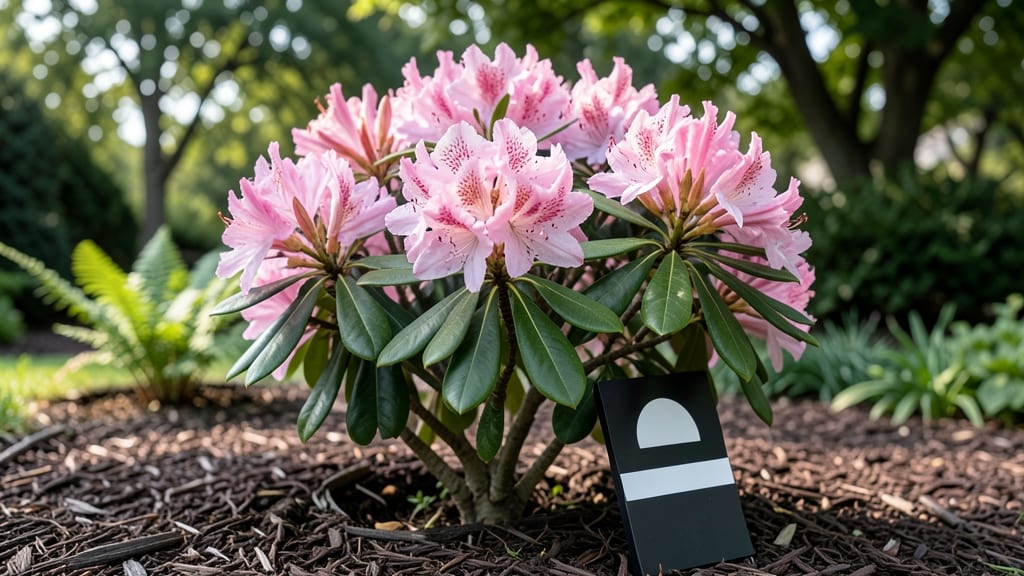
Do azaleas like sun or shade—this delicate balance is key to their blooming success, as they crave morning sun and afternoon shade to prevent scorching while still soaking up enough light.
Struggling to keep your azaleas blooming? The secret might be hiding in the light—or lack of it. Azaleas thrive under specific light conditions, and getting it wrong can mean fewer flowers and weaker growth.
In USDA Zone 6a, where spring planting is best, these shrubs need a balance: dappled light or east-facing windows work wonders, while harsh afternoon sun turns leaves crispy. Think of them as the divas of the garden—they demand just the right stage lighting.
Below, I’ll show you how to spot the signs of wrong light, which azalea varieties handle sun best, and how to adjust care for your climate. Your spring blooms will thank you.
 Best Window Placement
Azalea light requirements: sun vs shade for optimal growth
Azaleas are stunning shrubs that burst into colorful blooms every spring, but they’re picky about their light conditions. Unlike sun-loving plants, azaleas prefer partial shade, which means they need protection from the harsh afternoon sun.
Too much direct sunlight can scorch their leaves, while too little light reduces flowering. The key is finding that sweet spot where they get enough light to thrive but stay cool enough to bloom prolifically.
Most azaleas thrive with 4 to 6 hours of sunlight daily, ideally in the morning. This allows them to soak up energy without overheating. In hotter climates like USDA Zones 7-9, afternoon shade is almost mandatory.
In cooler regions like Zones 4-6, they can tolerate a bit more sun, but even there, full sun can stress the plant. Understanding your local climate and microclimate is crucial for success.
Here’s the breakdown of azalea light needs in a simple table to help you visualize the ideal conditions:
| Light Condition | Ideal Sunlight Exposure | Best For | Bloom Impact |
|---|---|---|---|
| Partial Shade | Morning sun (4-6 hrs) + afternoon shade | Most azalea varieties | Vibrant, abundant blooms |
| Full Shade | Less than 4 hrs direct sun | Shade-tolerant varieties (e.g., 'Nancy Evans') | Fewer blooms, leggy growth |
| Full Sun | 6+ hrs direct sun | Exceptional varieties only (e.g., 'Girard’s Pink') | Leaf burn, reduced blooms |
| Dappled Sun | Filtered light (e.g., under trees) | Woodland azaleas | Moderate blooms, healthy foliage |
The morning sun rule is non-negotiable for most azaleas. If your garden gets intense afternoon sunlight, consider planting azaleas near a north-facing wall or under the canopy of taller trees. In containers, move them to a shadier spot during peak heat hours.
Even a few hours of afternoon shade can make a world of difference in preventing leaf scorch and keeping your azaleas looking their best.
Light also plays a critical role in blooming cycles. Azaleas need a period of cooler temperatures and reduced light in late summer to set next year’s buds. If they receive too much light or heat during this time, they may skip flowering entirely.
This is why late summer pruning is a bad idea—it disrupts their natural dormancy and can lead to fewer blooms the following spring.
Regional adjustments are key. In Southern climates, where summers are long and hot, azaleas often need afternoon shade cloth or strategic planting under deciduous trees. In Northern gardens, where summers are cooler, they can handle a bit more sun, but even there, full sun can stress the plant.
Always observe how your azaleas respond after a few weeks—if leaves look crispy or pale, they’re getting too much sun.
Another common mistake is assuming all azaleas have the same light needs. While most prefer partial shade, some varieties like 'Hino Crimson' or 'Girard’s Pink' are more sun-tolerant and can handle up to 6 hours of direct sunlight.
Always check the specific variety’s care requirements before planting. Mixing sun-loving and shade-loving azaleas in the same garden? Space them out to avoid competition for light.
If you’re planting azaleas in containers, their light needs change slightly. Potted azaleas dry out faster and can overheat in full sun, so they need even more shade. Place them on a porch with morning sun or under a patio umbrella.
In winter, they can tolerate more sun since temperatures are cooler, but avoid placing them in harsh winter winds, which can dry out the soil and roots.
Finally, don’t forget about mulching. A 2-3 inch layer of organic mulch helps regulate soil temperature and retain moisture, which is especially important for azaleas in hot, sunny spots. Use pine bark or leaf mold, which also acidifies the soil—a must for azaleas.
Mulch acts like a natural shade cloth, protecting roots from extreme temperatures while keeping the soil consistently moist.
With the right light balance, your azaleas will reward you with show-stopping blooms year after year. Start by assessing your garden’s sunlight patterns, then adjust plant placement or use shade solutions like cloth or nearby trees.
A little planning goes a long way in keeping your azaleas happy and healthy! 🌸
Signs your azaleas aren’t getting the right light exposure
If your azaleas are struggling to bloom or look unhealthy, light exposure is often the culprit. These shrubs are finicky about sunlight, and getting it wrong can lead to leaf burn, yellowing foliage, or sparse flowers.
I’ve seen azaleas go from vibrant blooms to sad, leggy plants just because of light issues.
Azaleas prefer partial shade, meaning they need morning sun and protection from harsh afternoon rays. Too much sun causes leaf scorch, while too little shade can lead to weak growth and fewer blooms. Let’s diagnose the problem and fix it before your azaleas suffer.
Too much sun: Crispy, brown leaf edges (leaf burn) and wilting. Too little sun: Pale, yellow leaves and sparse blooms. Azaleas in full shade may survive but won’t thrive—expect fewer flowers and weak stems.
Fix it: Move plants to dappled light or use a light sheer curtain to filter harsh rays. In hot climates, afternoon shade is a must!
One of the first signs your azaleas aren’t happy is leaf burn. If you notice crispy, brown edges on leaves, especially on the south-facing side, your plants are getting too much direct sun.
This is common in afternoon sunlight, which intensifies in summer. Prune nearby trees or relocate your azaleas to a shadier spot.
Yellowing leaves can also signal light issues, but it’s not always about sun. If the yellowing starts at the bottom of the plant and the leaves feel soft, your azalea might be overwatered or struggling with root rot. However, if the yellowing is paired with weak stems, it could mean insufficient light for photosynthesis.
Another red flag is sparse or no blooms. Azaleas need the right balance of light to produce flowers. If your plant is sitting in deep shade (like under a dense tree canopy), it won’t have enough energy to bloom.
Try moving it to a spot with 4-6 hours of filtered light—like near a east-facing window or under a light canopy.
To fix light-related issues, start by observing your azalea’s location throughout the day. If it’s baking in the sun after noon, consider pruning nearby branches or installing a shade cloth.
For azaleas in too much shade, gradually move them to a brighter spot over a few weeks to avoid shocking the plant.
With the right light, your azaleas will reward you with vibrant blooms and lush foliage. Keep an eye on their leaves and flowers—your azaleas will tell you exactly what they need! 🌸