
Light Requirements
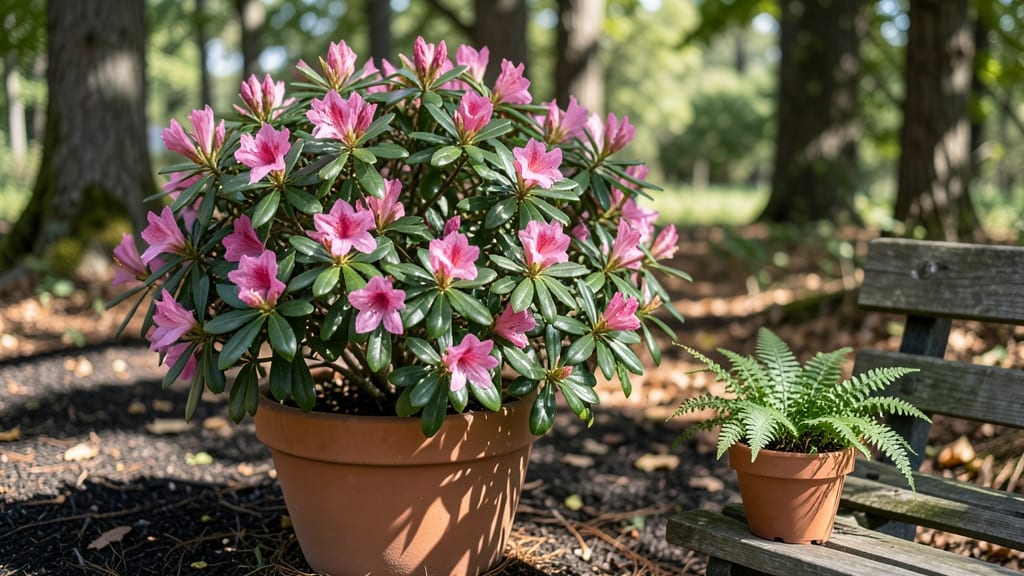
Do azaleas like shade—or do they crave just the right balance of light to burst into those showstopping spring blooms you’ve been dreaming of?
If your azaleas are struggling to bloom—or worse, wilting—it might be time to reassess their light exposure. While these stunning shrubs do enjoy shade, too much darkness can turn vibrant flowers into sparse, weak growth. Here’s how to strike the perfect balance for azaleas that thrive year after year.
Most gardeners assume azaleas love deep shade, but they actually need partial shade—think dappled sunlight or morning sun with afternoon shade. Too little light weakens stems, while too much can scorch leaves.
I’ll break down the ideal light conditions, how to spot signs of stress, and which azalea varieties handle shade best.
By the end, you’ll know exactly where to plant your azaleas for healthier growth and more abundant blooms, saving you from guesswork and frustration.
 Best Window Placement
How much shade do azaleas need for optimal growth?
Azaleas thrive in partial shade, but their exact light needs depend on your climate and variety. Too little light leads to sparse blooms, while too much direct sun can scorch their delicate leaves.
The key is finding that sweet spot where they get morning sunlight and afternoon shade—especially in hotter regions.
In cooler climates like USDA Zones 5-7, azaleas can tolerate more morning sun, while southern gardens (Zones 8-10) need afternoon shade to prevent heat stress. Understanding your garden’s microclimate is crucial for positioning these beauties just right.
| Light Condition | Ideal Hours | Best For | Climate Notes |
|---|---|---|---|
| Partial Shade | 4-6 hours morning sun | Most azalea varieties | Cooler climates (Zones 5-7) |
| Dappled Sun | 2-4 hours filtered light | Evergreen azaleas | Hot climates (Zones 8-10) |
| Full Shade | Less than 2 hours direct sun | Deep shade varieties | North-facing gardens |
Morning sun is a game-changer for azaleas because it provides the energy boost they need without the midday heat stress. Position them where they catch gentle morning rays but escape the harsh afternoon glare. A south-facing window with sheer curtains works well for container-grown azaleas.
Assessing your garden’s microclimate means observing how sunlight moves across your yard. Use a sunlight tracker app or simply watch your garden throughout the day. Note where shadows fall at 10 AM, noon, and 4 PM—these are critical times for azalea placement.
In hot climates (Zones 8-10), afternoon shade is non-negotiable. Without it, azaleas will suffer from leaf scorch and reduced blooming. Plant them near tall trees, fences, or structures that block the intense afternoon sun while still allowing morning light.
For cooler climates (Zones 5-7), azaleas can handle more sun, but avoid placing them in full sun spots where they’ll dry out. A 50% shade cloth can help if your garden lacks natural shade options, especially during peak summer months.
If you’re unsure whether your azaleas are getting the right amount of light, check their foliage color. Healthy leaves should be deep green, while yellowing or pale leaves signal too much shade. Conversely, brown or crispy edges mean they’re getting too much sun.
Pro tip: Rotate potted azaleas every few weeks to ensure even light exposure. This prevents one side from becoming overly sun-exposed while the other stays in the dark. A simple quarter-turn every 2-3 weeks keeps growth balanced and blooms abundant.
Remember, azaleas are not low-light plants—they just can’t handle the intensity of full sun. Think of them as sunbathing in the morning and retiring to shade by afternoon, just like a gardener on a hot day.
With the right light balance, your azaleas will reward you with vibrant blooms year after year.
Signs your azaleas are getting too much (or too little) shade
Your azaleas might be sending you visual SOS signals about their light situation. While they do like shade, too little sunlight leads to weak growth, while too much direct sun can scorch their delicate leaves.
The key is finding that sweet spot of partial shade—typically 4-6 hours of morning sun with afternoon shade protection.
Start by checking your azaleas' leaf color and bloom patterns. Healthy azaleas should have glossy, deep green leaves and abundant flowers. If you notice yellowing leaves or sparse blooms, their light conditions might be off. Even leggy, sparse growth can signal they're stretching toward insufficient light.
⚠️ Azalea Light Mistakes
Too Much Shade: Leaves turn pale or yellow, stems become weak and elongated, and blooms are sparse or absent. Azaleas may also develop fungal issues from excess moisture retention in shady spots.
Too Much Sun: Leaves scorch with brown edges, flowers wilt quickly, and new growth appears crispy. Afternoon sun (especially in hot climates) is the biggest culprit.
Quick Fix: Move potted azaleas to a bright, indirect spot or prune nearby trees to filter sunlight. For in-ground plants, add a light-colored shade cloth (30-50% coverage).
For too much shade, focus on gradual light adjustments. If your azalea is under a dense tree, thin the canopy to allow dappled sunlight to reach the leaves. In containers, relocate to a sunnier spot (like near an east-facing window) and avoid deep shade areas like north-facing walls.
When dealing with excessive sunlight, prioritize afternoon shade. Install a lattice or sheer curtain to filter harsh afternoon rays, or plant taller shrubs nearby to create natural shade. Mulch with organic matter to help retain moisture and protect roots from heat stress.
Don’t forget to monitor soil moisture—shady spots retain water longer, which can lead to root rot. If your azaleas are in full shade, water less frequently but deeply, while sun-exposed plants may need daily watering during heatwaves. Adjust based on leaf turgidity: wilted leaves mean it’s time to water.
Pro tip: Rotate potted azaleas quarter-turns weekly to ensure even light exposure. This prevents one-sided growth and helps you spot early signs of light stress on all sides of the plant. With the right balance, your azaleas will reward you with vibrant blooms and lush foliage year after year! 🌸