
Plants
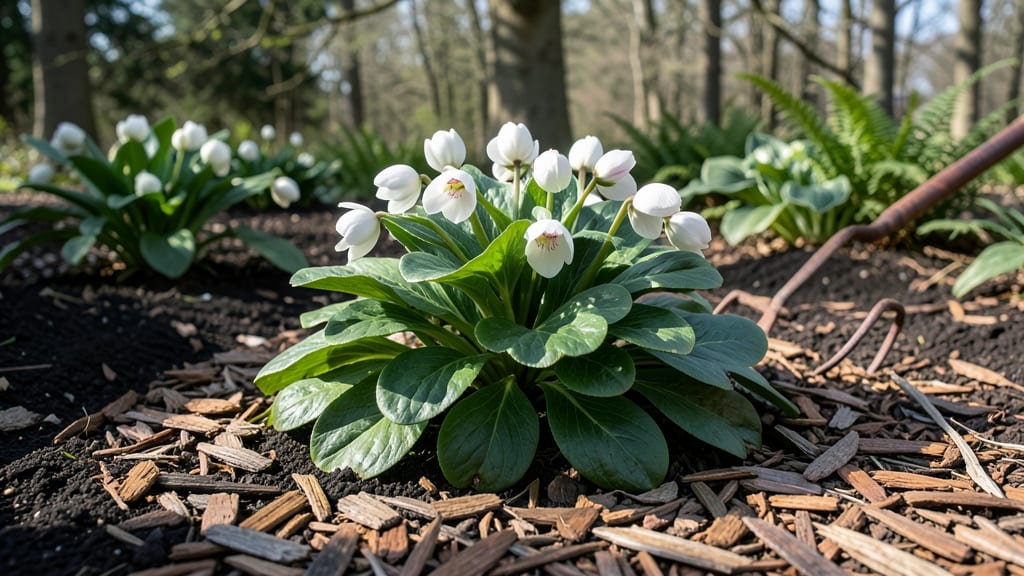
Do hellebores like sun or shade—preferably the latter—since they flourish in partial shade while avoiding the harsh glare that can bleach their leaves or scorch their delicate blooms.
If you’ve ever watched your hellebores wilt under too much sun or struggle to bloom in deep shade, you’re not alone. These winter stars need just the right balance—enough light for vibrant flowers but protection from midday heat.
The key is dappled shade or morning sun paired with afternoon shelter, which keeps their foliage lush and their blooms abundant.
Whether you’re in a sunny border or a shady woodland garden, hellebores adapt surprisingly well—once you know their preferences. Below, I’ll break down how to spot the perfect light spot, adjust care based on sun exposure, and even troubleshoot common light-related issues like yellowing leaves or sparse blooms.
By the end, you’ll have the confidence to place your hellebores where they’ll flourish, turning your garden into a winter wonderland of bold colors and year-round interest.
 Best Window Placement
Hellebores in shade: the ideal light conditions for Optimal growth
If you've ever wondered, "do hellebores like sun or shade?", you're not alone. These elegant winter bloomers thrive in conditions many gardeners overlook. While they can tolerate some morning sunlight, hellebores prefer partial to full shade—typically 40-70% shade coverage—to prevent leaf scorch and maintain vibrant blooms.
The key lies in understanding how shade affects their growth patterns and color intensity.
Many gardeners mistakenly assume shade-loving plants mean "deep, dark corners" of the garden. But hellebores actually benefit from dappled shade, like what you'd find under tall trees or near north-facing walls.
This balance prevents stress while encouraging robust flowering. Let's explore how to create the perfect light environment for your hellebores.
| Light Condition | Ideal Shade % | Bloom Impact | Plant Health |
|---|---|---|---|
| Full Shade | 70-100% | Smaller blooms | Healthy foliage |
| Partial Shade | 40-70% | Vibrant, large blooms | Optimal growth |
| Morning Sun | 2-4 hours | Brightest colors | Minimal stress |
| Afternoon Sun | 0-2 hours | Faded blooms | Leaf scorch risk |
| Full Sun | 0% | Stunted growth | High stress |
The ideal light balance for hellebores creates a microclimate where they can focus energy on producing stunning flowers rather than protecting themselves from sun damage. In partial shade (40-70%), hellebores develop larger blooms with richer colors.
For example, Helleborus niger (Christmas rose) will produce more abundant white flowers in dappled light compared to deep shade.
To test your garden's light conditions, use a simple shade meter or observe nearby plants. Cast a shadow with a ruler at midday—if the shadow is 30-50% of the ruler's length, you likely have the perfect hellebore-friendly light.
Alternatively, place a white board near your planting spot for a few hours to measure light exposure directly.
Shade also affects color intensity in hellebores. Plants in morning sun with afternoon shade develop the brightest hues, while those in deep shade may produce paler blooms.
For instance, Helleborus orientalis varieties like 'Pink Frost' achieve their signature vibrant colors when given 3-4 hours of morning light paired with afternoon shade.
One common misconception is that shade-loving plants mean "neglected corners" of the garden. In reality, hellebores thrive in areas with filtered light, such as under deciduous trees or near north-facing walls.
This setup mimics their natural woodland habitats, where they receive indirect sunlight through tree canopies. Avoid placing them in east-facing beds without afternoon shade, as this can lead to leaf burn.
For gardeners in hot climates (Zones 8-10), providing afternoon shade is critical. Use lattice screens or shade cloth (30-50%) to protect hellebores from intense midday sun. In cooler climates (Zones 3-6), they can tolerate more light, but morning sun remains ideal.
Always monitor your plants for signs of stress, like yellowing leaves or brown patches, which indicate too much sun exposure.
Another benefit of shade is extended bloom time. Hellebores in ideal light conditions often flower 2-3 weeks longer than those in full sun or deep shade. The cooler, more stable temperatures under shade help preserve moisture and energy for flower production.
For example, 'Anna's Red' hellebore will maintain its deep red blooms for weeks when given proper shade conditions.
When planting hellebores, consider their mature size (18-24 inches) and position them where they won't outgrow their shaded spot. Mulch around the base with 2-3 inches of organic matter to retain moisture and regulate soil temperature—both critical for shade-loving plants.
This simple step can make a significant difference in your hellebores' overall health and flowering performance.
Remember, hellebores are perennials with long lifespans, often living for decades when given proper care. By providing the right light balance, you're not just ensuring beautiful blooms this season—you're setting them up for years of vibrant winter color in your garden.
With their low-maintenance nature and stunning flowers, hellebores are a gardener's secret weapon for adding winter interest.
Morning sun vs. afternoon sun: how to balance light exposure
Hellebores thrive in morning sunlight but struggle with afternoon sun, which can cause leaf scorch. The key is positioning them where they get gentle morning rays while avoiding the harsh, midday heat. This balance ensures your hellebores produce vibrant blooms and lush foliage without stress.
Morning sun provides cooler, milder light that helps hellebores photosynthesize efficiently. In contrast, afternoon sun delivers intense, direct rays that can raise leaf temperatures dangerously high. Think of it like offering your plants a gentle wake-up call rather than a midday nap under a heat lamp.
To test your garden’s light conditions, place a white piece of paper in potential spots for a few hours. If the paper turns yellow or brown by midday, that area gets too much afternoon sun.
Hellebores prefer dappled shade or morning sun with afternoon shade, mimicking the forest floor where they naturally grow.
Morning Sun vs. Afternoon Sun for Hellebores
- Gentler light intensity
- Encourages vibrant blooms
- Lower risk of leaf scorch
- Ideal for 2-4 hours daily
- Harsh, direct rays
- Increases leaf scorch risk
- Can stunt growth over time
- Limit to <1 hour if unavoidable
Gradually acclimate hellebores by moving them 1 foot closer to morning sun every 2 weeks.
If your hellebores already receive afternoon sun, don’t panic. You can gradually acclimate them by moving them to a shadier spot over 2-3 weeks. Start by placing them under 50% shade cloth during peak afternoon hours, then reduce the cloth coverage weekly until they’re fully adjusted.
Watch for sunburn signs like brown or crispy leaf edges, which indicate too much exposure. Prune affected leaves immediately and move the plant to a shadier location. In hot climates, mulch around the base with organic matter to keep roots cool and retain moisture.
Seasonal adjustments are key: in summer, hellebores may need extra afternoon shade, while in winter, they can tolerate more direct light. Use evergreen trees or lattice screens to filter sunlight naturally, creating the perfect microclimate for these delicate perennials.