
Orchid Care
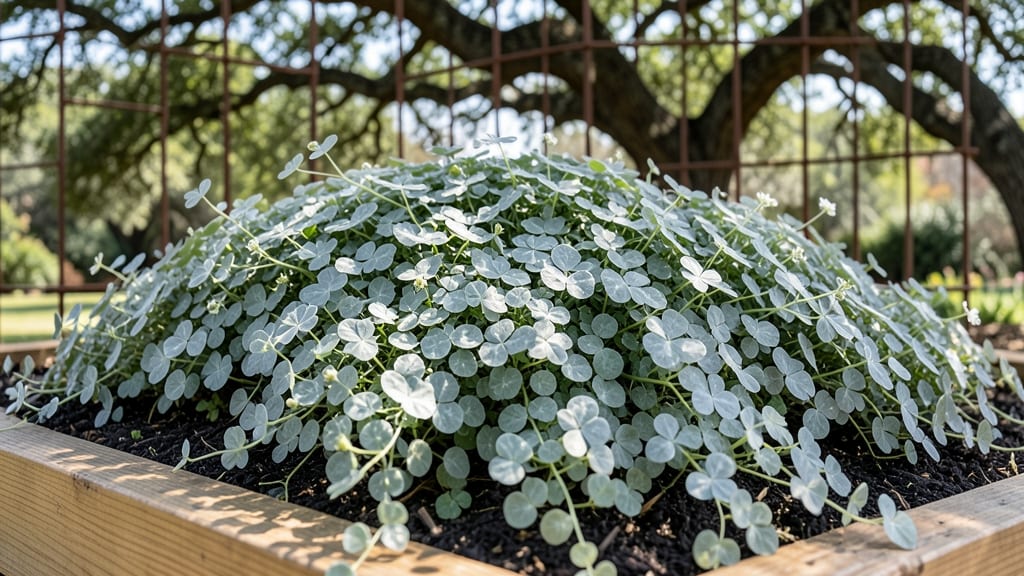
Silver Falls Dichondra thrives in sun or shade 🌿, making it the ultimate low-maintenance ground cover for any garden spot.
Picture this: a silvery cascade spilling over borders or filling gaps between plants, all while needing almost no effort from you. That’s the magic of Silver Falls Dichondra—a fast-growing, drought-tolerant plant that adapts effortlessly to your light conditions.
In full sun, it keeps its vibrant color but may need extra water, while in shade, it still trails beautifully, though slightly slower. The key is balancing moisture and soil to keep it lush year-round, whether you’re in a sunny border or a shady corner.
Below, I’ll show you how to plant, care for, and maintain this versatile ground cover so it stays healthy and thriving—no matter where you place it.
 Best Window Placement
Dichondra Silver Falls care guide: sun vs shade requirements for optimal growth
Dichondra Silver Falls is one of the most versatile ground covers for modern gardens, offering silvery foliage that cascades beautifully in full sun, partial shade, or even deep shade. Unlike many plants, it adapts well to varying light conditions, but understanding its optimal light needs ensures vibrant growth and prevents common issues like browning or leggy stems. Whether you're planting under trees, in a sunny border, or along a shady patio, these light requirements will help you create a thriving Silver Falls display.
The key to success lies in matching your plant's light exposure to its natural growing habits. In full sun, Silver Falls develops a denser, more compact growth habit, while in shade, it stretches slightly but retains its stunning silvery hue.
The difference in care between these conditions is subtle but critical—especially for soil moisture, pruning frequency, and seasonal adjustments. Let’s break down how to optimize growth in each scenario.
| Light Condition | Daily Sunlight | Soil Moisture Needs | Pruning Frequency | Best For |
|---|---|---|---|---|
| Full Sun | 6+ hours | Moderate (dries faster) | Every 4-6 weeks | Southern exposures, hot climates |
| Partial Shade | 3-6 hours | Consistent (retains moisture) | Every 6-8 weeks | East/west-facing beds, under deciduous trees |
| Deep Shade | <3 hours | Higher (stays damp longer) | Every 8-10 weeks | North-facing walls, dense tree canopies |
In full sun, Silver Falls thrives in USDA Zones 9-11, where it can handle intense afternoon rays if kept well-watered. The challenge here is preventing soil dry-out, which causes leaf scorch.
I recommend using organic mulch like shredded bark to retain moisture and cool the roots. For hotter climates, consider providing afternoon shade with a lightweight shade cloth (30-50% coverage) to protect delicate foliage.
For partial shade, which is its preferred condition, Silver Falls grows most vigorously with morning sun and afternoon shade. This setup mimics its native habitat in woodland understories, where it receives dappled light.
In these conditions, you’ll see richer silver tones and a denser mat of foliage. To enhance growth, amend your soil with compost to improve drainage while retaining moisture—this is especially critical in containers or raised beds, where soil dries out faster.
When planting in deep shade, Silver Falls may grow more slowly but still delivers stunning texture. The key is to avoid soggy soil, as root rot is a risk in low-light conditions.
I’ve found that amending shade soil with perlite or coarse sand (20-30% mix) prevents waterlogging while keeping roots aerated. In northern climates, deep shade can actually extend the growing season by reducing winter stress, making it a great choice for Zone 6-8 gardens.
Regional adaptability is where Silver Falls truly shines. In coastal areas with high humidity, it handles partial shade beautifully, while in arid regions, full sun works if paired with drip irrigation.
For urban gardens, its tolerance for air pollution makes it ideal for city balconies or rooftop planters. Always test your soil’s pH (6.0-7.0) and adjust with lime or sulfur if needed—this ensures optimal nutrient uptake regardless of light exposure.
One common mistake is assuming Silver Falls is fully shade-tolerant without adjusting care. In deep shade, it may lose some vibrancy and grow more slowly, but it won’t die—it simply enters a low-maintenance phase.
To keep it lush, I recommend fertilizing lightly in spring (use a balanced 10-10-10 formula) and pruning back leggy stems to encourage bushier growth. This approach works for all light conditions but is especially critical in low-light environments.
For seasonal adjustments, remember that Silver Falls is evergreen in warm climates but may brown slightly in winter in cooler zones. In full sun, winter care involves reducing water to prevent frost heave, while in shade, a light mulch layer insulates roots.
In USDA Zone 8 and below, treat it as an annual or overwinter indoors if you want to preserve it year-round. With the right light and a little seasonal tweaking, your Silver Falls will cascade beautifully for years to come.
Pro tip: If you’re unsure about your garden’s light conditions, observe the area for a week. Note how long direct sunlight hits specific spots—this will help you
5 Pro tips for planting and maintaining Dichondra Silver Falls in any light condition
If you love the silvery cascading beauty of Dichondra Silver Falls, you’ll want it to thrive whether it’s basking in morning sun or thriving in dappled shade. The key to lush, year-round coverage lies in smart planting and consistent maintenance.
I’ve learned through trial and error that proper spacing, pruning schedules, and mulching strategies make all the difference in preventing legginess or browning—common issues that can turn your dream ground cover into a disappointment.
This versatile plant adapts to sun or shade, but its care routine should shift slightly based on light exposure. For example, plants in full sun need more frequent watering adjustments and pruning to prevent sun stress, while shade-loving varieties benefit from mulching to retain moisture.
Let’s dive into my top five tips to keep your Silver Falls looking its best, no matter where you plant it.
- 🌱 Spacing: Plant 12–18 inches apart for full coverage. In full sun, space closer (10–12 inches) to encourage bushier growth, while shade areas can handle wider spacing (18–24 inches) to prevent competition.
- ✂️ Pruning: Trim 2–3 times yearly—spring, summer, and fall—to maintain shape and encourage denser foliage. In sunny spots, prune more aggressively to prevent sunburn on leggy stems.
- 🌿 Mulching: Apply 2–3 inches of mulch (organic like shredded bark) to retain moisture and suppress weeds. In shade gardens, mulch helps prevent soil compaction, while sunny areas benefit from reflective mulch to cool roots.
- 💧 Watering: Water deeply 2–3 times weekly in full sun, but reduce to once weekly in shade. Always water at soil level to avoid wetting foliage, which can cause fungal issues.
- 🌡️ Seasonal Care: In winter, reduce watering and avoid pruning until spring regrowth appears. Fertilize lightly in spring with balanced 10-10-10 to boost growth before the heat of summer.
One of the biggest mistakes I see is overcrowding plants in shade, which leads to competition for nutrients and stunted growth. By spacing them correctly, you allow air circulation, reducing the risk of foliar diseases like powdery mildew—a common issue in humid shade gardens.
I also recommend rotating pruning angles every few months to encourage even growth and prevent bare spots.
For sunny locations, I’ve found that drip irrigation is a game-changer. It delivers water directly to the roots without wetting the leaves, which is crucial for preventing sun scorch on the silvery foliage.
In contrast, shade-loving Silver Falls can thrive with a simple soaker hose set on a timer, ensuring consistent moisture without overwatering.
Don’t forget that seasonal adjustments are key to long-term success. For example, in late summer, I reduce fertilizer to avoid leggy growth before winter dormancy.
Instead, I focus on mulching heavily to protect roots from temperature fluctuations. These small tweaks keep your Silver Falls looking vibrant from spring to fall.
With these five tips, your Dichondra Silver Falls will spread beautifully, whether it’s cascading over a rock garden, softening a shady border, or adding texture to a sunny patio.
The secret? Consistency in care and adapting to light conditions—just like I do in my own garden. 🌿