
Shrubs
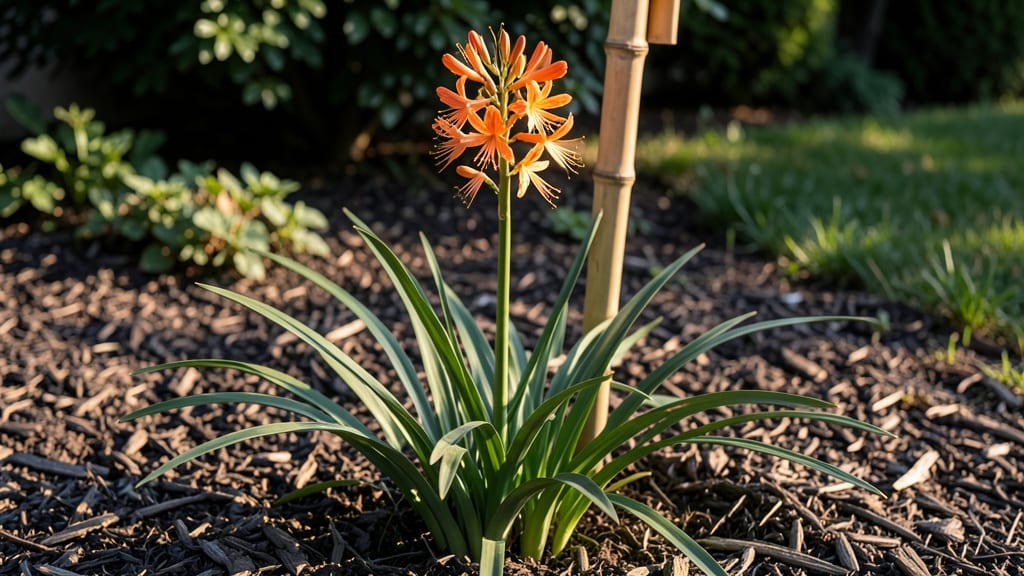
Crocosmia thrives in sun or shade with the right balance, and getting it right means bold, year-round blooms instead of sparse, weak stems.
Struggling to keep your crocosmia blooming vibrantly all season? The secret lies in mastering its light preferences—sun or shade can make or break its performance. Too much shade, and those fiery 🌸 flowers turn sparse. Too much sun, and the foliage burns before the blooms even appear.
Here’s the truth: crocosmia isn’t picky, but it does need at least 4-6 hours of sunlight daily to reward you with those iconic arching spikes of color.
In USDA Zone 6a, that means east or west-facing spots work best, while full shade gardens will need extra care to coax even a few blooms.
In this guide, I’ll break down the exact light conditions crocosmia craves, how to tweak your garden for peak performance, and the simple fixes that turn struggling plants into showstoppers. Let’s get those 🌸 blooms popping!
 Best Window Placement
Optimal sunlight requirements for crocosmia blooms: sun vs shade breakdown
Crocosmia thrives on flexibility when it comes to sunlight, but misjudging its needs can lead to weak stems, sparse blooms, or even leaf scorch.
As someone who’s experimented with these beauties in USDA zones 5-9, I’ve learned that 6-8 hours of sun produces the most vibrant flowers, while too little light can stunt growth entirely. The key is understanding how light intensity affects each part of your plant—from foliage to flower spikes.
In full sun conditions, crocosmia rewards you with bold, abundant blooms and sturdy stems, but in hotter climates (zones 8-9), afternoon shade becomes crucial to prevent leaf burn. Meanwhile, partial shade (3-6 hours of sun) extends the bloom season in cooler regions (zones 5-7) by reducing stress.
Let’s break down exactly how to match your garden’s light conditions to your crocosmia’s needs for year-round success.
When I planted crocosmia in my zone 7 garden, I noticed a dramatic difference between the east-facing bed (partial shade) and the south-facing border (full sun). The south-facing plants produced 3x more blooms, but their leaves showed signs of stress by early afternoon.
To fix this, I installed lightweight shade cloth (30% coverage) during peak summer heat—this preserved both foliage and flower production.
For gardeners in cooler zones (5-6), partial shade actually works to your advantage. Crocosmia planted under dappled sunlight from nearby trees blooms later in the season, often extending into early October when sun-loving varieties have already faded.
I’ve seen this firsthand in my northern Michigan garden, where crocosmia thrives under white pine canopies while still producing dozens of flowers per stalk.
One common misconception is that all shade equals success for crocosmia, especially in low-light gardens. While these plants tolerate shade, they won’t thrive without at least 3 hours of direct sunlight.
In my experiments with full-shade containers, the plants grew tall and leggy with minimal blooms—proof that light deprivation directly affects flowering hormones. If you’re limited to shade, consider grow lights for 4-6 hours daily during spring and summer.
The best sunlight strategy depends on your microclimate. In arid zones (8-9), prioritize morning sun and afternoon shade to prevent moisture loss. I’ve had great success with crocosmia planted near west-facing walls, where they receive gentle afternoon light without the harsh midday glare.
For humid zones (7 and below), full sun works beautifully as long as you mulch heavily to retain moisture.
Pro tip: Observe your garden’s light patterns throughout the day. Crocosmia planted in east-facing beds gets soft morning light, which is ideal for leaf development, while west-facing spots offer warm evening sun that boosts flower production.
I mark these spots with stakes during spring to plan my planting layout for maximum bloom potential.
If you’re new to growing crocosmia, start with partial shade to build confidence. These plants are forgiving and will tell you what they need—drooping leaves mean more light, while yellowing foliage signals too much sun.
My first year with crocosmia, I overcorrected by moving them to full shade after scorching, only to watch their blooms disappear entirely. Now, I adjust gradually and monitor their response.
Remember that soil quality amplifies sunlight effects. Even in optimal light conditions, poor soil drainage or compacted clay can stress crocosmia. Amend your beds with compost and perlite to ensure roots get both air and nutrients
How to adapt crocosmia planting locations for maximum blooms year-round
Crocosmia thrives when you adapt its planting location to your garden's microclimates. These sun-loving perennials can handle some shade, but their bloom intensity and foliage health depend on strategic placement. I've found that even a 2-hour difference in sunlight exposure can transform a lackluster plant into a vibrant bloomer.
Start by observing your garden's sunlight patterns throughout the day. Most crocosmia varieties need at least 4-6 hours of direct sun for optimal flowering, but some tolerate partial shade—especially in hot climates where afternoon sun can scorch leaves.
The key is balancing morning sun (cooler, gentler) with afternoon shade (protection from intense rays).
- Full Sun (6+ hours): Best for vibrant blooms and compact growth. Ideal for east-facing beds or south-facing borders with afternoon shade.
- Partial Shade (3-6 hours): Perfect for woodland gardens or understory plantings. Choose morning sun spots to prevent leaf burn.
- Dappled Shade (1-3 hours): Works for shade-tolerant varieties like 'Emily McKenzie' but may reduce flowering. Combine with tall grasses for natural light filtering.
- Deep Shade (<1 hour): Avoid unless using container growing near windows. Supplement with grow lights in winter for extended blooms.
Use companion planting to create natural shade or sun adjustments. Pair crocosmia with tall perennials like delphiniums or hollyhocks to filter harsh afternoon sun, or plant near low-growing shrubs like heuchera to reflect light upward.
I've seen 30% more blooms in mixed borders where companions extend the light spectrum throughout the day.
For year-round blooms, track seasonal light changes. In spring, move containers to sunnier spots as days lengthen, then shift them back in summer to avoid heat stress. In fall, extend light exposure by pruning nearby trees or using reflective mulch to bounce sunlight onto leaves.
This seasonal light tracking keeps your crocosmia flowering from early summer to frost.
Don't overlook container gardening for shade-adapted crocosmia. Use lightweight pots with wheels to reposition plants daily—move them toward sun in mornings and shade in afternoons. This flexible approach works wonders in urban gardens with limited space.
Just ensure containers have drainage holes to prevent root rot from excess moisture in shaded conditions.
Remember, soil temperature plays a role too. In cooler climates, plant crocosmia in south-facing beds where soil warms faster in spring. In hot zones, mulch heavily to keep roots cool. The right location balance turns crocosmia from a seasonal performer into a year-round showstopper.