
Light Requirements
Transform your shady garden into a lush vertical oasis with these 10 tall perennials that thrive in part shade. From bold foliage to striking blooms, these plants add drama and structure while requiring minimal sunlight.
Japanese Painted Fern with Fronds
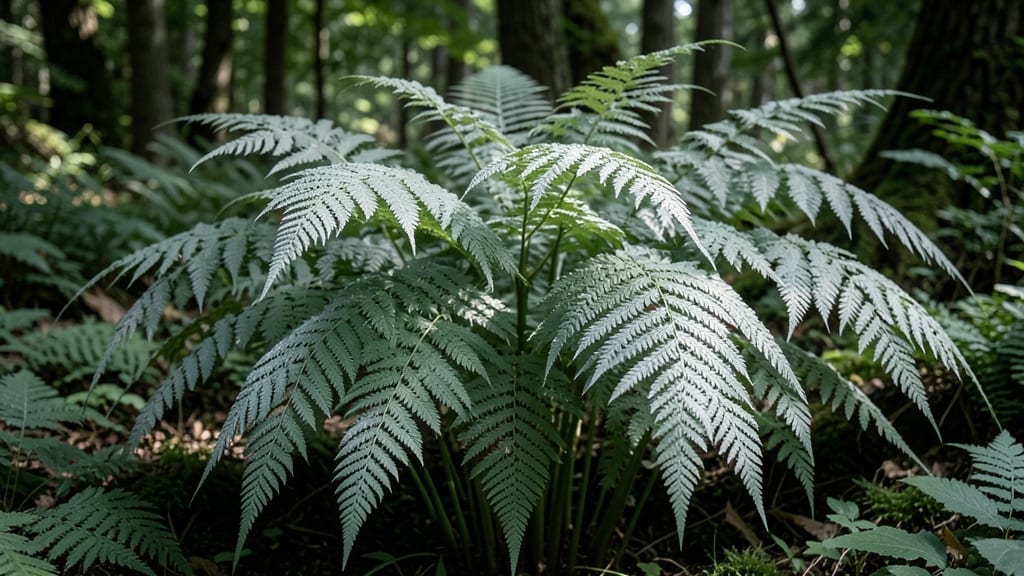
Looking for a shade-loving perennial that adds elegance without demanding full sun? The Japanese painted fern (Athyrium niponicum var. pictum) delivers feathery, silvery-green fronds that thrive in deep shade while creating lush vertical layers effortlessly. Its cascading habit reaches 18-24 inches tall, making it perfect for woodland gardens, under trees, or as a textural backdrop in shady borders.
This low-maintenance fern prefers moist, well-draining soil and partial to full shade, tolerating even the darkest corners of your garden. Its silver-splashed foliage contrasts beautifully with deep green hostas or purple-leaved plants, while its arching fronds add movement and depth. For best results, plant in spring or early fall and mulch to retain moisture—it’s nearly indestructible once established.
Ideal for gardeners who love delicate textures but struggle with bright sunlight, this fern is a must-have for woodland-style gardens or urban courtyards with limited light. Its year-round interest (even in winter) ensures your shady spots stay stunning. 💚
Culver's Root with Golden Flower Spikes
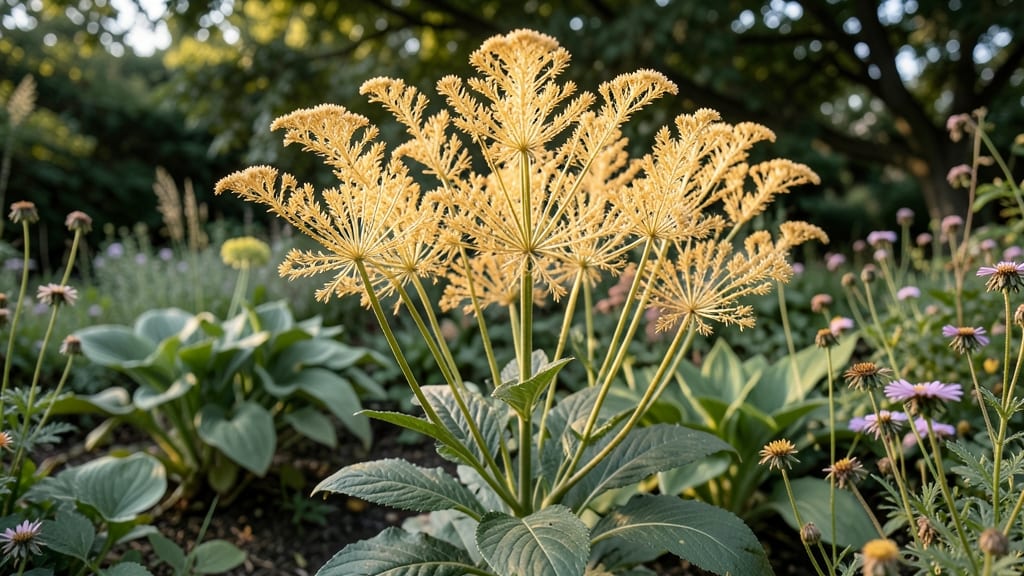
When your garden seems to fade in late summer, Culver’s root steps in as a golden savior. This native North American perennial bursts into striking golden plumes that tower over other plants, providing much-needed vertical drama when many perennials are winding down.
Thriving in part shade, Culver’s root prefers well-drained soil and tolerates a range of conditions, from moist to slightly dry. Its fragrant flower spikes attract pollinators like bees and butterflies, making it a dual-purpose plant for both beauty and ecosystem support. With heights reaching 4-6 feet, it’s perfect for back borders or as a focal point in shady garden beds.
Ideal for native plant gardens or pollinator-friendly landscapes, this low-maintenance perennial offers late-season interest without demanding full sun. 🌻
Foxglove with Bell-Shaped Flowers
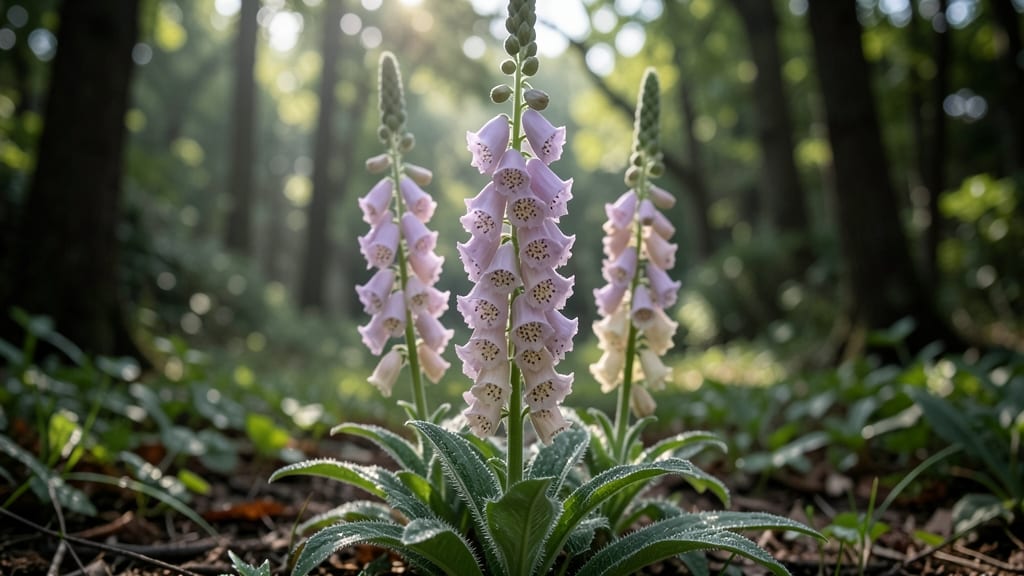
If you crave the romantic charm of a cottage garden but struggle with shady spots, foxglove is your secret weapon. Its towering, bell-shaped blooms—often spotted in delicate patterns—reach 3 to 5 feet tall, creating instant vertical drama where sunlight is scarce.
This biennial plant thrives in part shade and self-seeds prolifically, so you’ll get fresh clusters of purple, pink, or white flowers year after year with minimal effort. Deadhead spent blooms to encourage new growth, but leave some seed pods for nature’s own propagation. Pair it with ferns or hostas for a lush, layered look.
Perfect for beginners or busy gardeners, foxglove adds old-world elegance without demanding full sun or constant care. Just be mindful of its mild toxicity—keep it away from pets and children. 🌷
Astilbe with Feathered Flower Plumes
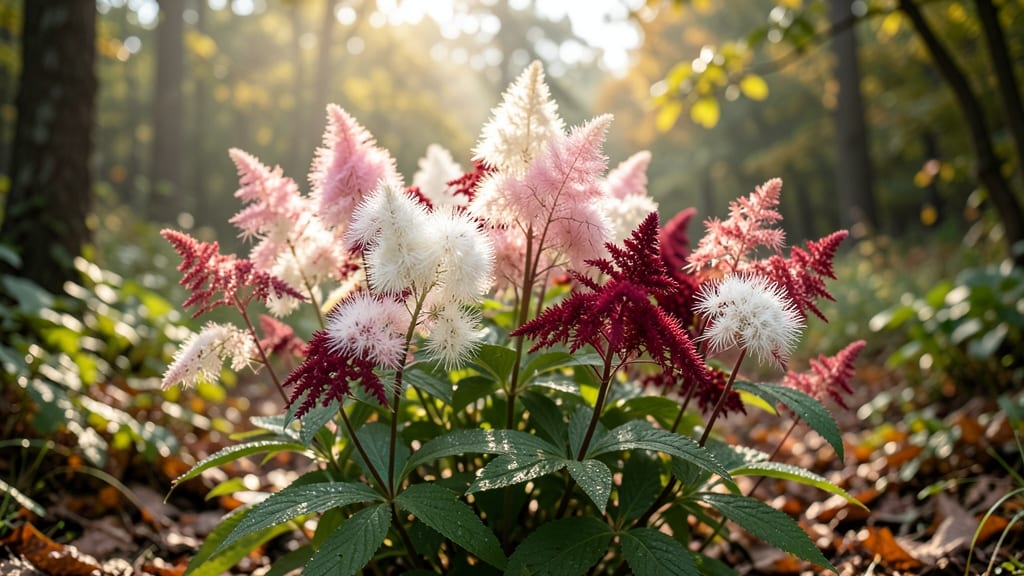
Looking for a delicate yet dramatic addition to your part-shade garden? Astilbe delivers ethereal, cloud-like plumes in shades of pink, white, and red that dance on slender stems—like nature’s own confetti.
These moisture-loving perennials thrive in 3-4 hours of dappled shade and well-drained, consistently damp soil. Choose from dwarf varieties (18 inches) for containers or towering types (3 feet) to anchor woodland borders. Deadhead spent blooms to encourage a second flush, and divide clumps every 3-4 years to keep them vigorous. Hummingbirds and butterflies adore their nectar-rich flowers, making them a pollinator magnet.
Urban gardeners and woodland enthusiasts will love how astilbe softens edges while adding height without overwhelming smaller plants. Pair it with ferns or hostas for a lush, layered look that feels effortlessly wild. 🌷
Giant Hellebore with Nodding Blooms
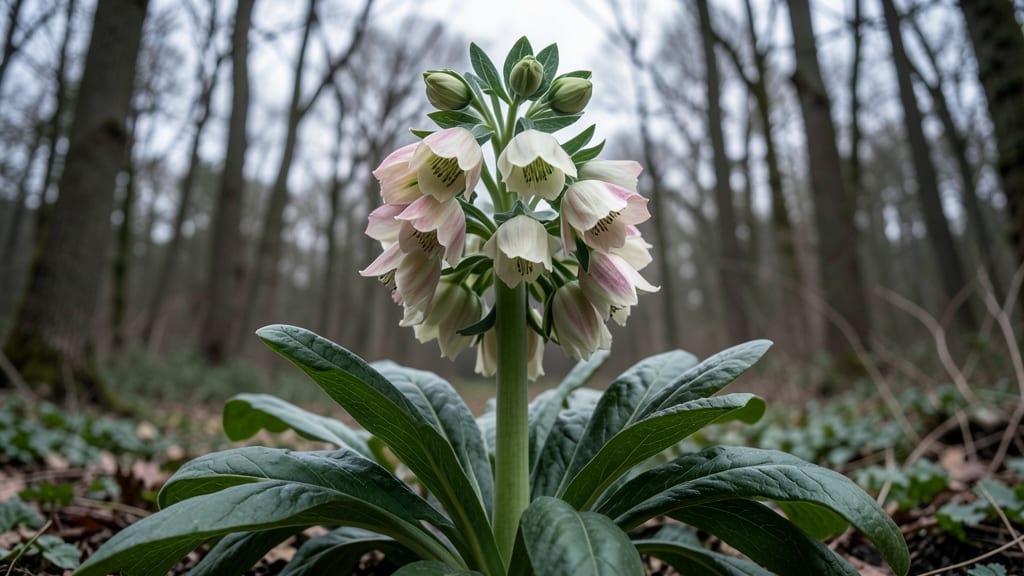
When most perennials are still dormant, giant hellebore (Helleborus x hybridus) steals the show with its bold, nodding blooms that emerge from winter through early spring. This indestructible plant thrives in deep shade, where it creates vertical interest when few other plants are in bloom, making it a winter garden hero.
With 20-28 inch tall stems, giant hellebore produces cupped, colorful flowers in shades of white, pink, purple, or green, often adorned with speckles or streaks. It prefers well-draining, slightly alkaline soil and consistent moisture, but once established, it tolerates drought and neglect. Its evergreen foliage remains attractive year-round, while its early blooms provide nectar for pollinators when food is scarce.
Perfect for gardeners who want low-maintenance height in shady spots, giant hellebore is ideal for woodland gardens, under trees, or as a focal point in dark corners. Its long bloom season ensures your garden stays vibrant when most others are still asleep. 🌷
Cimicifuga Racemosa with Spiky Flower Spikes
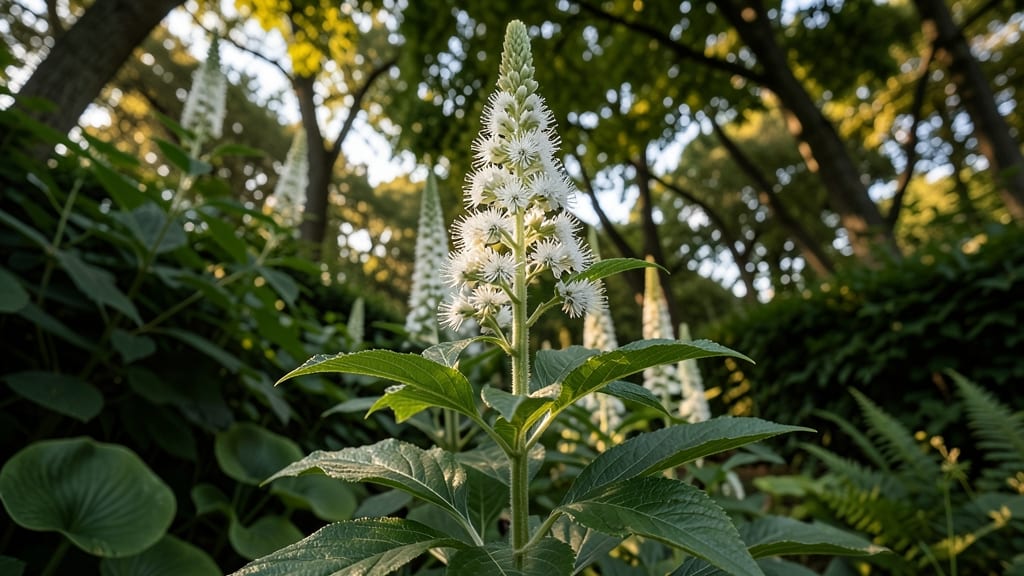
When your garden needs a bold late-summer statement but sunlight is limited, cimicifuga racemosa (or bugbane) delivers with fragrant white flower spikes that reach 4-6 feet tall. Unlike many perennials that fade by August, this shade lover thrives in deep shade while providing both height and natural pest control.
This low-maintenance plant prefers moist, well-draining soil and partial to full shade, making it ideal for woodland gardens or under large trees. Its spiky blooms attract pollinators while repelling mosquitoes and other insects, earning its nickname "bugbane." Plant in spring or early fall for best establishment, and watch it fill vertical space effortlessly.
Perfect for gardeners seeking fragrant height without full sun, bugbane adds drama to shady borders while supporting local ecosystems. 🌿
Tall Garden Phlox with Dense Clusters
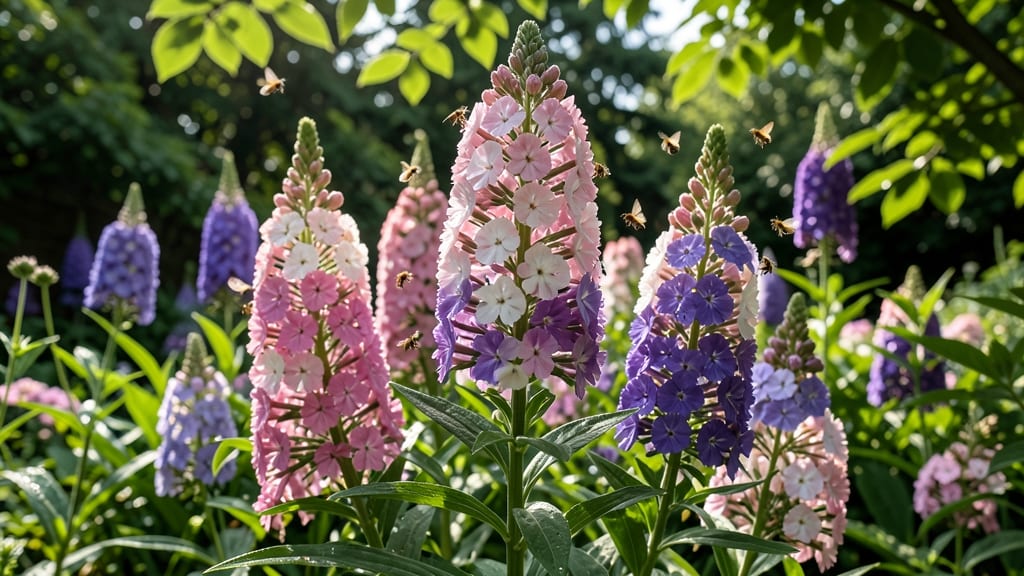
Want a fragrant, pollinator-friendly plant that adds height and drama to your part-shade garden? Tall garden phlox delivers dense clusters of blooms in shades of pink, purple, and white, creating a stunning vertical focal point from mid to late summer. Unlike many perennials that fade early, phlox thrives in part shade while still attracting butterflies and hummingbirds with its sweet scent.
This hardy perennial reaches 2 to 4 feet tall, making it perfect for cottage-style gardens, borders, or even as a cut flower. Plant it in well-drained soil with morning sun and afternoon shade for best results, and deadhead spent blooms to encourage prolonged flowering. Its clumping habit also makes it easy to control, unlike some aggressive spreaders.
Ideal for gardeners who love romantic, old-fashioned charm but need low-maintenance height, tall phlox pairs beautifully with hostas, ferns, and other shade-loving perennials. Plus, its long bloom time ensures your garden stays vibrant when many other plants are winding down. 🌷
Goat's Beard with Fuzzy Seed Heads
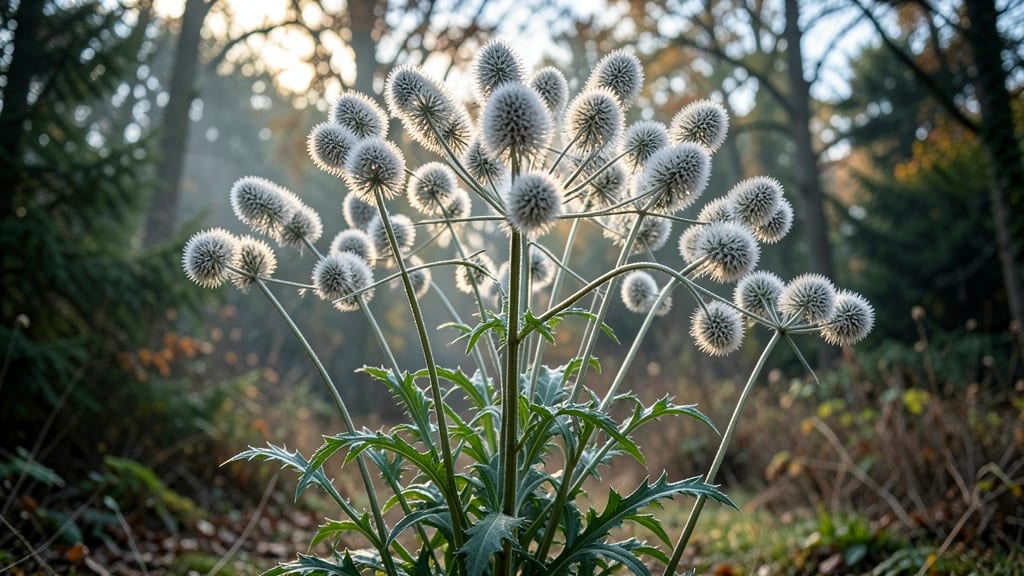
Want a part-shade perennial that delivers drama and winter interest without fading into the background? Meet goat’s beard (Aruncus dioicus), a textured stunner with fuzzy seed heads that shine like snow when everything else is dormant. Its arching plumes reach 3-5 feet tall, making it a standout in borders where height is needed but sunlight is limited.
This low-maintenance plant thrives in part shade to full shade and tolerates a range of soils, though it prefers moist, well-drained conditions. In late summer, its delicate white flower clusters attract pollinators, but the real showstopper arrives in fall: fuzzy, cottony seed heads that persist through winter, adding architectural texture to your garden. Shear back spent blooms in early spring to encourage fresh growth.
Perfect for woodland gardens, cottage-style beds, or urban courtyards, goat’s beard pairs beautifully with ferns, hostas, or astilbe for a layered, natural look. Its year-round structure ensures your shady spots stay striking—even when other plants have gone to sleep. 🌿
Bugbane with Delicate Flower Clusters
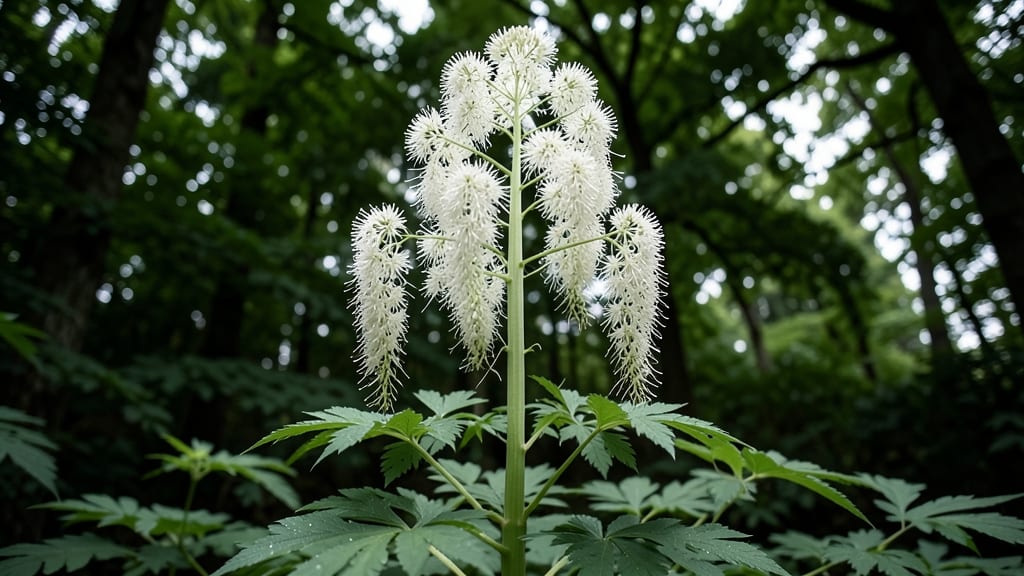
Want a towering shade-loving perennial that won’t crowd out your smaller plants? Bugbane (Actaea simplex) offers delicate, airy white flower clusters that reach 3-5 feet tall while maintaining a refined, almost ethereal presence—unlike its bolder cousin, cimicifuga. Its lacy blooms appear in late summer, providing a soft contrast to bold foliage and extending your garden’s seasonal interest.
This low-maintenance plant thrives in deep shade (even under trees) and prefers moist, well-draining soil, making it ideal for woodland gardens or shady borders. Unlike cimicifuga, bugbane has a more contained growth habit, so it won’t sprawl aggressively. Its dark green, glossy leaves add year-round structure, while the flowers attract pollinators without overwhelming the space. For best results, plant in spring or early fall and mulch to retain moisture.
Perfect for gardeners who love subtle elegance but need height and texture, bugbane is a standout choice for woodland-style gardens or urban courtyards with limited light. It’s also deer-resistant, making it a practical pick for rural or suburban settings. 🌿
Japanese Anemone with Late-Season Blooms

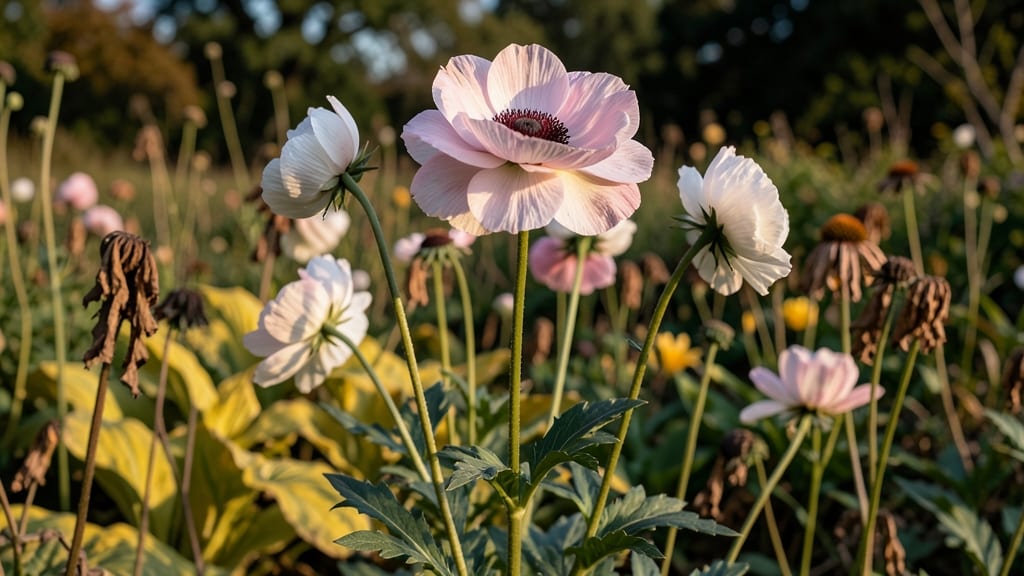
When summer blooms start to fade and your garden feels tired, Japanese anemone (Anemone × hybrida) steps in as a dramatic late-season star. Its soft pink to white flowers burst open in September and October, just as many perennials are winding down, providing 3-5 feet of height that lifts your shady borders effortlessly.
This low-maintenance perennial thrives in part shade to full shade and well-drained soil, making it perfect for woodland gardens, under trees, or as a focal point in dark corners. Its dark green, deeply lobed foliage contrasts beautifully with autumn leaves, while its delicate blooms attract butterflies and add a romantic touch. For best results, plant in spring or early fall and deadhead spent flowers to encourage more blooms.
Ideal for gardeners who want to extend their garden's season without extra effort, Japanese anemone is a must-have for shady perennial beds, cottage gardens, or as a backdrop for shorter plants. Its late-season drama ensures your garden stays vibrant long after summer’s end. ✨