
Orchid Care
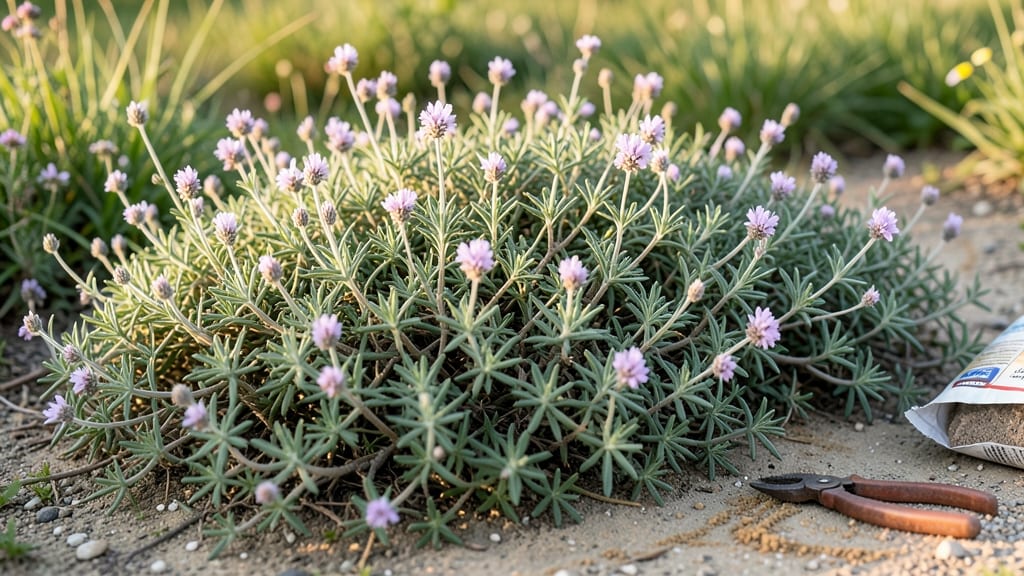
Creeping thyme thrives in both sun and shade 🌿, making it a versatile ground cover for any garden spot.
Struggling to find a low-maintenance, fragrant ground cover that thrives in both sun and shade? Creeping thyme could be your game-changer—this versatile herb offers year-round beauty with minimal effort.
Unlike fussy plants that demand perfect light, creeping thyme adapts beautifully to partial shade or full sun, spreading lushly while releasing a sweet, earthy fragrance when you brush past it.
In this guide, I’ll break down the ideal light conditions, soil needs, and care tips to keep your creeping thyme thriving—whether it’s tucked under trees or basking in a sunny border.
 Best Window Placement
Creeping thyme sun vs shade requirements: where it thrives best
Creeping thyme (Thymus serpyllum) is one of the most adaptable ground covers for gardeners, but its light requirements can make or break its performance. While it thrives in full sun, it’s surprisingly resilient in partial shade—making it perfect for tricky garden spots.
The key lies in understanding how light intensity affects its growth, fragrance, and spread.
In full sun, creeping thyme grows denser and more aromatic, producing vibrant purple flowers that attract pollinators. However, in shade, it may grow slower but still provides year-round green coverage. The secret? Balancing light exposure with well-draining soil and proper spacing to avoid competition.
Microclimates matter—morning sun with afternoon shade (like under trees) works better than deep shade. Coastal gardens or high-altitude areas may need adjustments, too. Let’s break down the ideal light conditions and how to adapt for your region.
| Light Condition | Growth Rate | Fragrance Intensity | Flowering | Best For |
|---|---|---|---|---|
| Full Sun (6+ hours) | Fast, dense spread | Strong, citrusy scent | Abundant purple blooms | Rock gardens, slopes, borders |
| Partial Shade (3-6 hours) | Moderate, slower spread | Mild, earthy scent | Sparse blooms (pink/white) | Under trees, shaded patios |
| Deep Shade (<3 hours) | Very slow, leggy growth | Weak or no fragrance | Minimal to no flowers | North-facing walls, dense canopies |
If you’re in USDA Zones 5-9, creeping thyme adapts well, but cooler climates (Zones 5-6) benefit from extra sun to prevent woody stems. In hot, dry zones (7-9), morning sun with afternoon shade helps avoid heat stress.
For container gardening, place pots in bright indirect light to mimic partial shade.
Soil drainage is non-negotiable—creeping thyme hates soggy roots. Amend heavy clay with sand or gravel, and avoid fertilizing heavily, as it prefers lean, rocky soil. In shade, mulch with gravel or bark to improve airflow and prevent fungal issues.
For maximum fragrance, prioritize 3-6 hours of direct sun daily. If your garden has dappled shade (like under deciduous trees), pair creeping thyme with hostas or ferns for a layered look. In full shade, consider ground covers like ajuga or moss instead, as thyme may struggle to thrive.
Prune creeping thyme once a year in early spring to encourage bushier growth. Cut back 1/3 of the plant to remove woody stems and promote new shoots. This works for both sun and shade varieties, though sun-grown thyme recovers faster after pruning.
Watch for powdery mildew in humid shade conditions—improve airflow by spacing plants 6-12 inches apart. In sun, deer and rabbits may nibble, so protect young plants with chicken wire until established.
Creeping thyme’s versatility makes it a star in xeriscapes, pollinator gardens, and edible landscapes. Whether you’re filling a sun-drenched slope or a shady corner, this hardy herb delivers color, scent, and texture with almost no effort—just get the light right! 🌿☀️🌳
How to plant and maintain creeping thyme for year-round cover
Creeping thyme is one of my favorite low-maintenance ground covers because it thrives in both sun and partial shade, making it perfect for tricky spots in your garden.
Whether you're filling gaps between stepping stones or creating a fragrant border, this hardy herb delivers year-round beauty with almost no effort. The key to success lies in proper planting techniques, spacing, and seasonal care—all of which I’ll break down step by step.
Unlike other ground covers that struggle in shady conditions, creeping thyme adapts beautifully to 3-6 hours of sunlight daily, though it will spread more slowly in lower light. For full sun exposure, expect a denser, more vigorous growth with brighter blooms in late spring and summer.
The secret to keeping it lush? Well-draining soil, minimal watering, and strategic pruning—all topics we’ll cover in detail below.
- 1 Choose the Right Time: Plant in early spring (after last frost) or early fall for best root establishment. Avoid extreme heat or cold.
- 2 Prepare the Soil: Amend with sandy loam or gravel to ensure well-draining soil. Test pH (ideal: 6.0-7.0). Avoid heavy clay.
- 3 Space Plants Correctly: Place 6-12 inches apart for full sun (faster spread) or 12-18 inches apart in partial shade (slower growth).
- 4 Water Deeply After Planting: Soak the soil to 1-2 inches deep, then reduce to once weekly in sun or bi-weekly in shade. Drought tolerance kicks in after establishment.
- 5 Prune for Density: Trim flower spikes after blooming to encourage leafy growth. Lightly shear in early spring to shape and promote thicker coverage.
- 6 Mulch Lightly: Apply 1-inch layer of gravel or straw to retain moisture and suppress weeds. Avoid thick mulch, which can smother the plant.
-
7
Seasonal Care Tips:
- Spring: Fertilize lightly with 5-10-10 if growth is slow.
- Summer: Reduce watering; let soil dry between waterings.
- Fall: Trim dead foliage but leave winter interest.
- Winter: No care needed—it’s frost-hardy to Zone 5.
One of the most common mistakes I see is overwatering, which leads to root rot in creeping thyme. This hardy plant prefers dry conditions once established—think of it as a drought-resistant ground cover.
If your thyme starts looking leggy or sparse, it’s often a sign of too much moisture or poor drainage. To fix this, improve soil aeration by mixing in sand or perlite and reduce watering frequency.
For maximum fragrance and bloom, place creeping thyme in morning sun with afternoon shade in hot climates. This setup prevents leaf scorch while still encouraging vibrant flowers.
If you’re using it as a walkway border, consider ‘Mother of Thyme’—it spreads aggressively in sun but stays compact in shade. With these tips, you’ll have a lush, fragrant carpet that requires almost no upkeep!
🌿