
Companion Plants
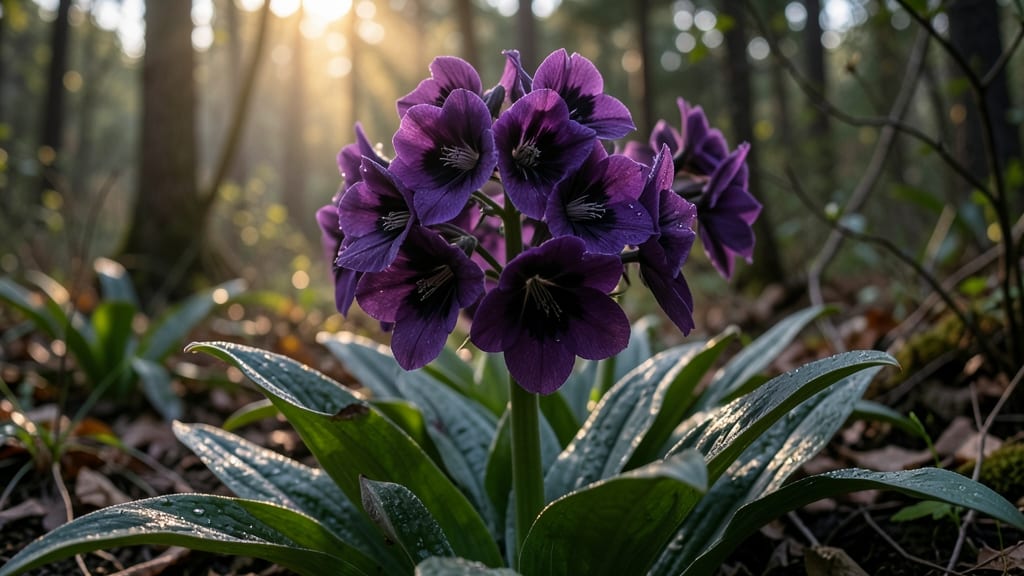
Tired of struggling with sun-loving plants that wilt in your shady garden? These 10 cool shade plants thrive where others fail, offering vibrant foliage, minimal care, and stunning visual impact—perfect for under trees, north-facing yards, or dense foliage areas.
Hostas for Textured Foliage Variety
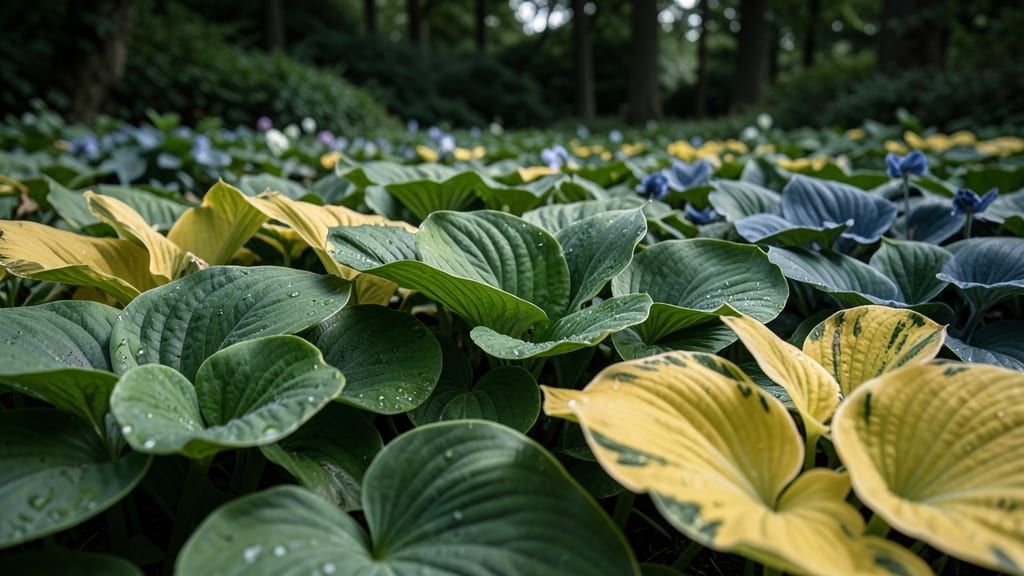
If you love a garden that feels lush and inviting without demanding constant attention, hostas are your secret weapon. These shade-loving perennials come in over 3,000 cultivars, offering everything from deep blue-green foliage to golden variegation—all while thriving in conditions where other plants struggle.
Hostas flourish in partial to full shade, making them perfect for understory planting or north-facing beds. Their textured leaves range from broad and bold to delicate and wavy, and many varieties even produce fragrant flowers in summer. For beginners, they’re nearly foolproof: water moderately and mulch to retain moisture, and you’ll enjoy year-round interest with minimal effort.
This makes hostas ideal for urban gardeners, small-space growers, or anyone looking to add drama to shady spots. Plus, their deer-resistant nature means fewer battles with hungry wildlife. 🌿
Ferns for Lush, Feathery Green Canopy
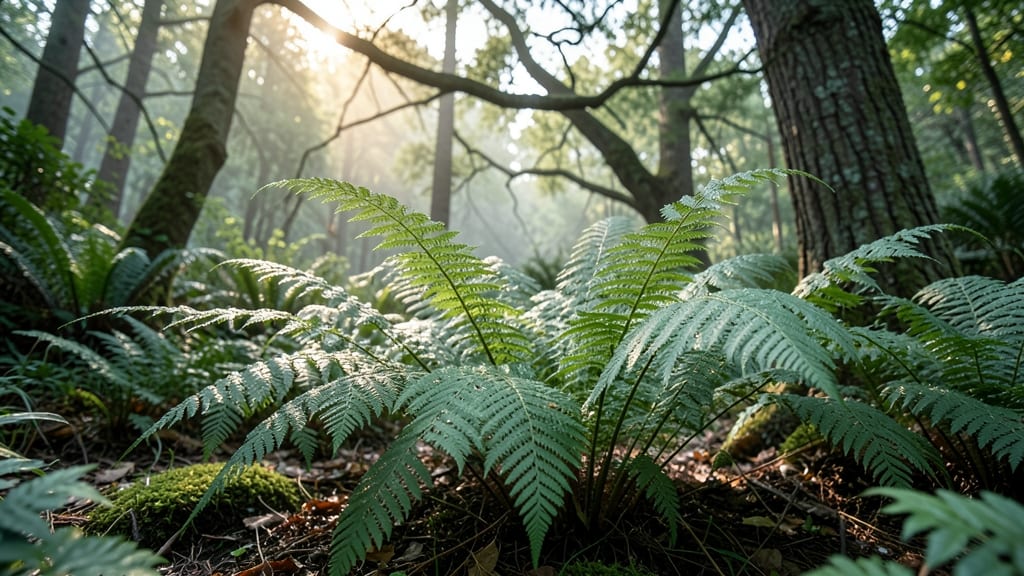
Transform your shady garden into a rainforest oasis with ferns—delicate, feathery plants that thrive where others wilt. Unlike hostas, which focus on bold foliage, ferns like maidenhair and ostrich fern create a soft, airy canopy that dances in the breeze, perfect for humid or damp spots under trees or along stream banks.
These shade specialists love moist, well-draining soil and prefer dappled or full shade, making them ideal for areas where sunlight barely reaches. For best results, mulch around the base to retain moisture and protect roots, and avoid letting soil dry out completely. Pair them with hostas or astilbes for a layered, lush effect that mimics a woodland understory.
Ferns are the ultimate low-maintenance choice for gardeners who want texture without fuss—ideal for beginners, urban gardeners with limited space, or anyone craving a serene, natural retreat. 🌿
Hellebores for Early Spring Blooms
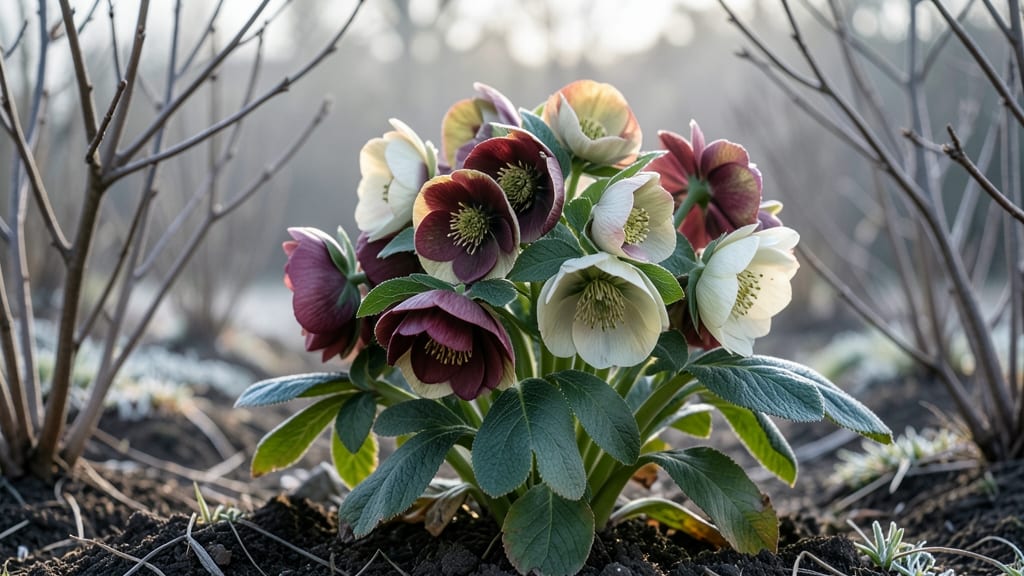
When your garden still looks like a blank canvas in late winter, hellebores (or Lenten roses) step in as nature’s early showstoppers. These winter-hardy perennials defy the cold, blooming from February through April when most plants are still asleep—and they’re completely deer-resistant, making them a frustration-free choice for gardeners in rural areas.
Plant them in partial to full shade with well-draining, humus-rich soil. Their nodding, cup-shaped flowers in shades of white, pink, purple, or green appear above leathery evergreen foliage, creating a striking contrast against bare branches. Once established, they thrive with minimal care—just occasional watering during dry spells and division every few years to prevent overcrowding.
Perfect for woodland gardens, cottage-style beds, or even container gardens, hellebores bring year-round structure with their glossy foliage and early blooms. Gardeners in USDA zones 4-9 will love how they brighten up the garden before spring bulbs even emerge. 🌷
Astilbes for Fluffy Plume Flowers
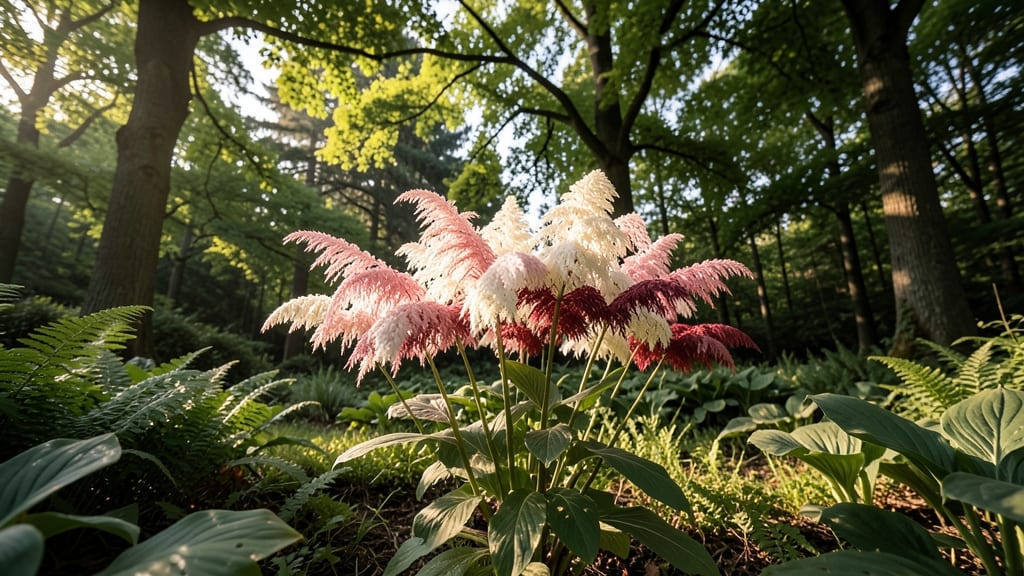
Want to add drama and movement to your shady garden without sacrificing pollinators? Astilbes bring feathery plumes in soft pink, white, or deep red that sway gently in the breeze, creating a dreamy, romantic atmosphere. These perennials thrive in moist, cool shade—ideal for understory planting or near water features—where many other plants struggle.
Astilbes are pollinator magnets, attracting bees, butterflies, and hummingbirds with their nectar-rich blooms that appear from late spring to early summer. For best results, keep the soil consistently moist but well-draining and mulch heavily to retain humidity. Deadheading spent blooms encourages a second flush of flowers, extending their season. Their fern-like foliage also adds texture year-round.
Perfect for cottage gardens, woodland edges, or containers, astilbes are a low-maintenance superstar for gardeners who love height and movement without the fuss of tall grasses. Their vibrant plumes will be the showstopper in your shade garden. ✨
Lungwort for Medicinal Beauty
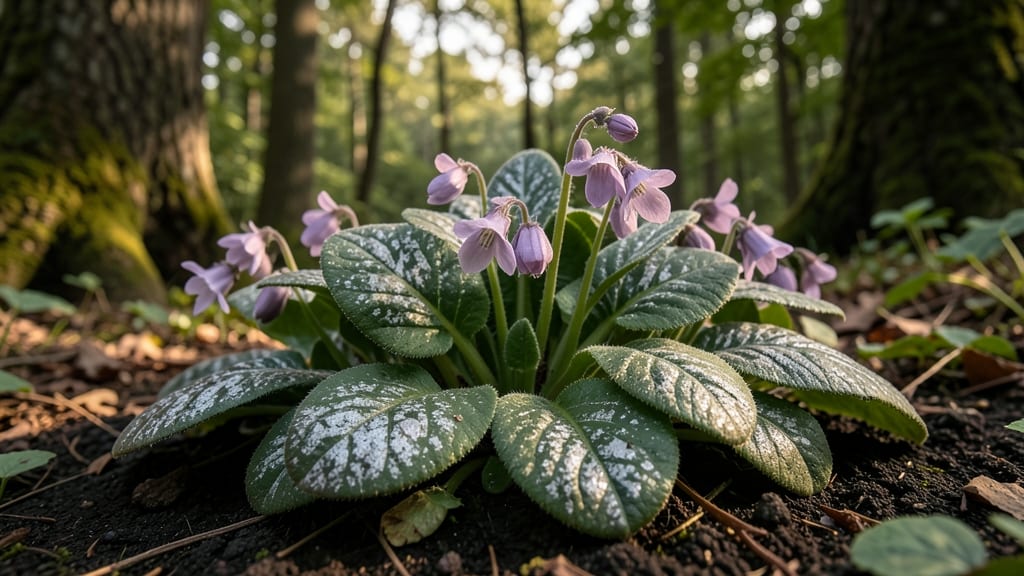
Looking for a shade plant that offers both beauty and a touch of history? Lungwort (Pulmonaria) delivers with its striking silver-spotted foliage and early blooms in soft purple or pink, making it a standout for woodland gardens.
This medicinal herb has been used for centuries to support respiratory health, and its unique foliage pattern adds visual interest even when not in bloom. Plant it in partial to full shade with well-draining, moist soil—ideal for understory plantings or as a pollinator magnet in early spring.
Perfect for gardeners who love low-maintenance perennials with a story, lungwort thrives in USDA zones 3-8 and pairs beautifully with hostas or ferns. 🌿
Japanese Painted Fern for Unique Patterns
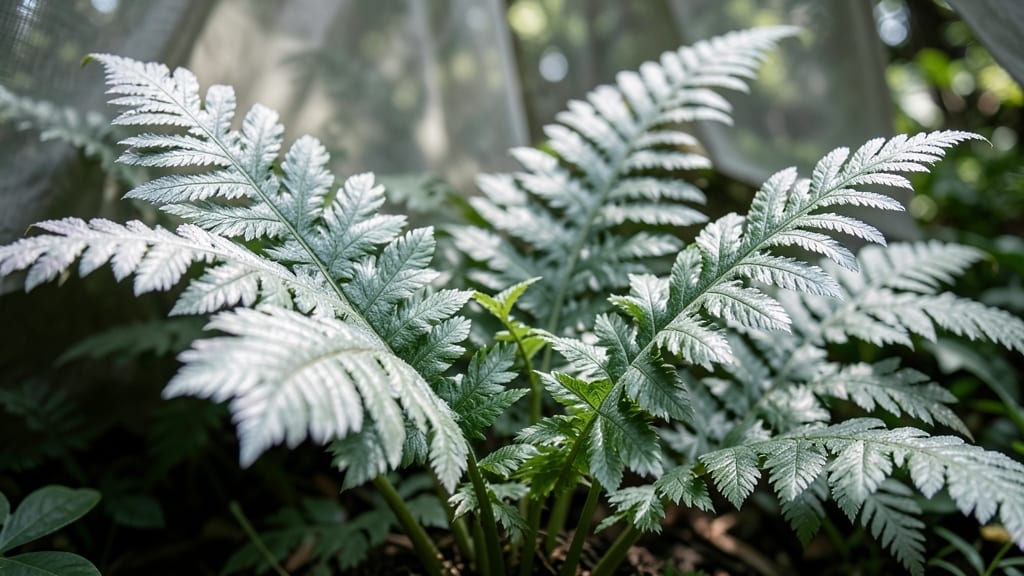
If you’re craving a shade plant that feels like a living work of art, the Japanese painted fern (Athyrium niponicum) delivers with its bold, silvery-white and deep green foliage patterns. Unlike traditional ferns that blend into the background, this variety creates striking visual contrast—perfect for modern or minimalist gardens where texture and structure matter most.
This fern thrives in deep shade, making it ideal for understory planting, north-facing beds, or even container gardens tucked into dark corners. Its architectural fronds grow 2-3 feet tall, adding height and drama without overwhelming the space. Keep soil consistently moist but well-draining and mulch to retain humidity—no special fertilizing required. For best results, pair it with hostas or coral bells to create a layered, high-impact design that feels intentional and polished.
Perfect for urban gardeners with limited sunlight or designers seeking a low-maintenance statement plant, this fern proves that shade gardens can be both striking and effortless. 💚
Coral Bells for Drought-Tolerant Color
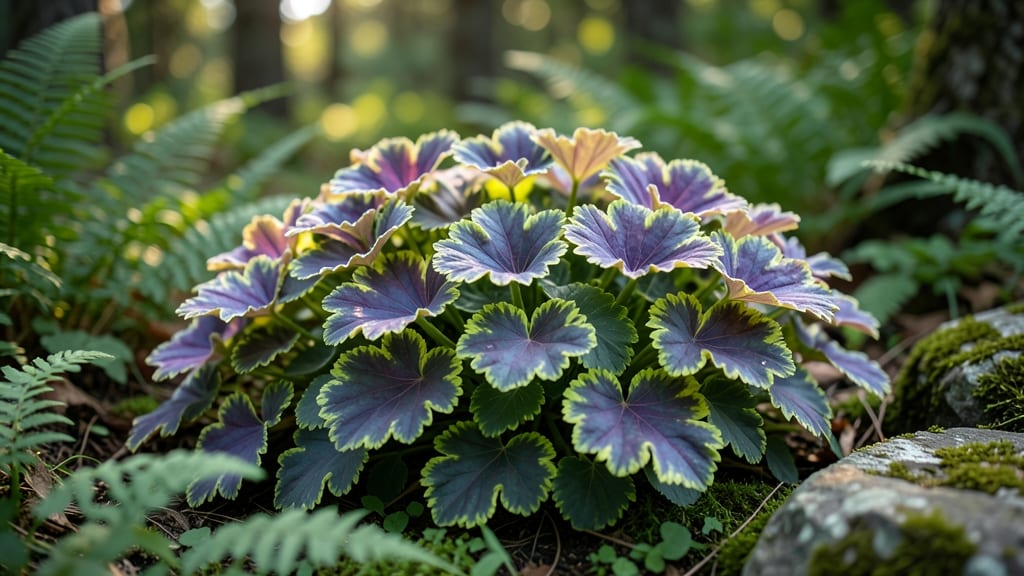
If you’re craving bold, year-round color in your shady garden without the fuss of constant watering, Heuchera (coral bells) is your game-changer. Unlike foliage plants that fade in summer, these perennials deliver vibrant hues—from deep purple and lime green to silvery-blue—that stay striking through all four seasons, even in partial to full shade. Their drought-resistant nature makes them ideal for urban gardens, containers, or borders where water is scarce.
Once established, coral bells thrive with minimal care: plant them in well-draining soil with morning sun or dappled shade, and water only when the top inch of soil feels dry. Their ruffled, palmate leaves add texture, while some varieties even produce delicate flowers in spring. For extra drama, pair them with hostas or Japanese painted ferns to create a layered, low-maintenance shade garden that pops year-round.
Perfect for small-space gardeners or anyone tired of wilting shade plants, coral bells prove that drought tolerance and striking foliage go hand in hand. 🌻
Solomon's Seal for Graceful Arching Stems
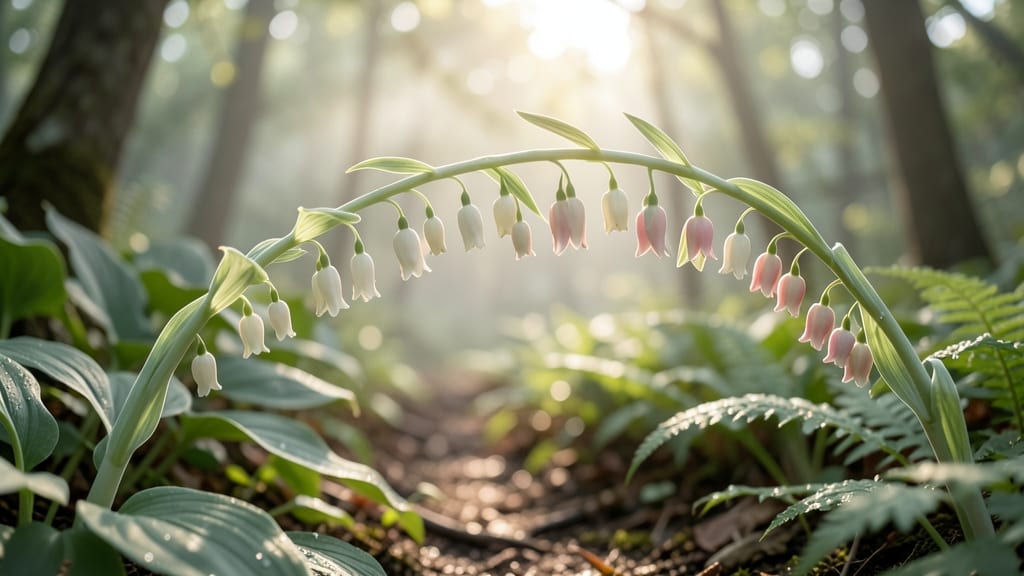
If you crave a garden that feels like a secret woodland retreat, Solomon’s seal (Polygonatum) is your answer. This understated perennial delivers graceful, arching stems adorned with dangling white or pink bell-shaped flowers, creating a natural, flowing curtain that softens any shady corner.
Unlike fast-spreading ground covers, Solomon’s seal grows at a moderate pace, making it perfect for filling gaps without taking over. It thrives in partial to full shade and tolerates a wide range of soils, from sandy to clay, as long as they’re well-draining. The evergreen foliage adds structure year-round, while its subtle blooms attract hummingbirds in late spring. Simply water occasionally after establishment—this plant rewards patience with effortless elegance.
Ideal for cottage gardens, woodland edges, or as a privacy screen under trees, Solomon’s seal brings quiet beauty to spaces where bold plants fail. Its slow-spreading habit makes it a dream for gardeners who want low-maintenance charm without the upkeep. 🌱
Sweet Woodruff for Ground Cover Fragrance
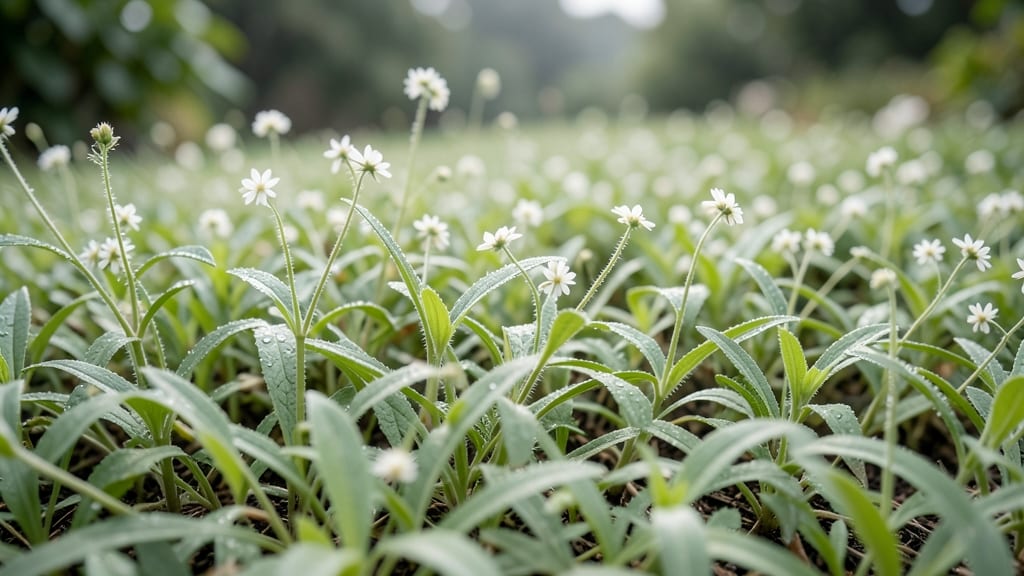
Step into your shade garden and experience a sensory delight with sweet woodruff, a fragrant ground cover that transforms dull corners into a vanilla-scented paradise. Unlike other shade plants that focus solely on foliage or flowers, this hardy perennial delivers a sweet, hay-like aroma when crushed—perfect for creating a sensory experience in dry, shady spots where other plants struggle.
This low-growing perennial thrives in partial to full shade and spreads quickly to form a dense, weed-suppressing mat. Its delicate white flowers appear in late spring, adding subtle contrast to its lush green foliage. To encourage its best growth, plant it in well-draining soil and water moderately—it’s surprisingly drought-tolerant once established. Pair it with hostas or ferns for a layered, fragrant understory that feels like a secret woodland retreat.
Sweet woodruff is ideal for gardeners who want to add fragrance without the upkeep of roses or the space requirements of larger plants. Its deer-resistant nature and ability to thrive in dry shade make it a practical yet enchanting choice for any shade garden. 🌱
Toad Lilies for Dramatic Late-Season Blooms

When your garden feels like it’s taking a summer nap while others burst with color, toad lilies (Tricyrtis) swoop in as the late-season superstars. These exotic-looking perennials produce bold, dark purple blooms with striking black centers from late summer through fall, turning shady spots into focal points when most plants are fading.
Thriving in partial to full shade, toad lilies prefer moist, well-draining soil rich in organic matter—ideal for woodland gardens or understory plantings. Their glossy, heart-shaped leaves add lush texture year-round, while their unique flowers attract hummingbirds and late-season pollinators. For best results, plant in USDA zones 5-9 and mulch to retain moisture, as they dislike dry conditions.
Perfect for gardeners who love dramatic, low-maintenance perennials, toad lilies bring a touch of the exotic without the fuss. Pair them with hostas or ferns for a layered, woodland-inspired bed that stays stunning well into autumn. 🌷