
Light Requirements
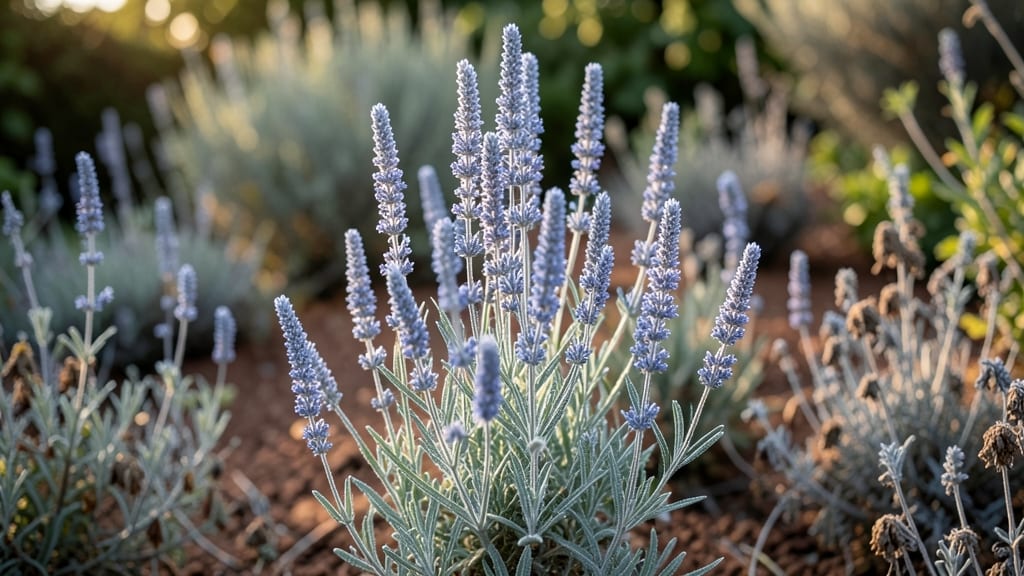
Tired of deer destroying your garden? These 10 part-shade plants thrive with minimal care and deer-resistant properties, making them perfect for shaded areas where sunlight is limited but beauty isn’t.
Hosta Varieties with Blue-Green Foliage
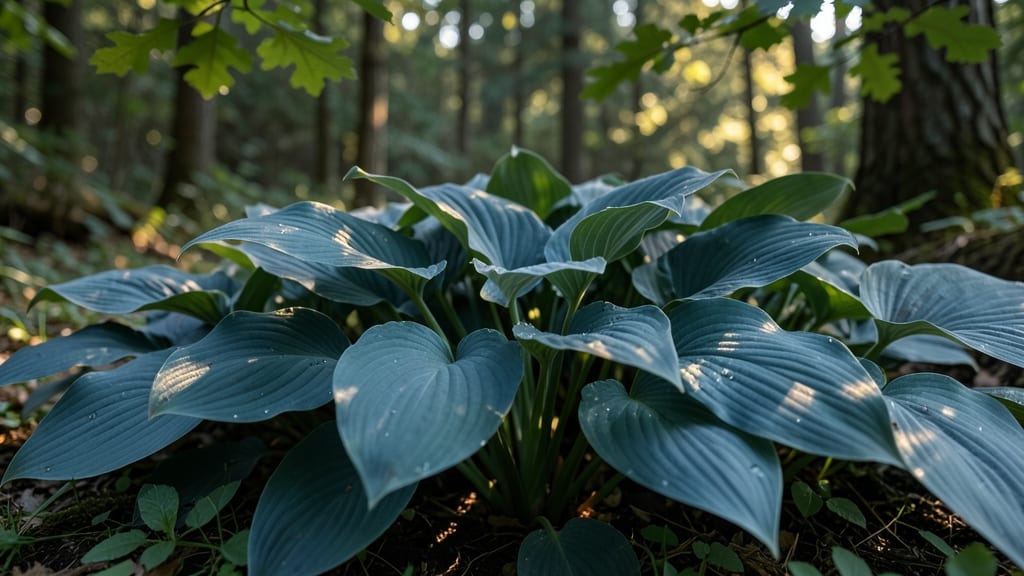
Looking for a low-maintenance plant that thrives in part shade while keeping deer at bay? Blue-green hostas are your answer—these lush, textured leaves add instant elegance to borders and woodland gardens without demanding constant attention.
Varieties like 'Blue Angel' and 'Halcyon' boast deep blue-green foliage that contrasts beautifully with other shade-loving plants. They prefer 3–6 hours of morning sun and well-draining soil, making them perfect for understory planting. Once established, they’re virtually pest-free and require only occasional watering—ideal for busy gardeners.
These deer-resistant beauties are especially rewarding for woodland gardeners or those with shaded patios, offering year-round interest with minimal effort. 🌿
Japanese Painted Fern for Elegant Texture
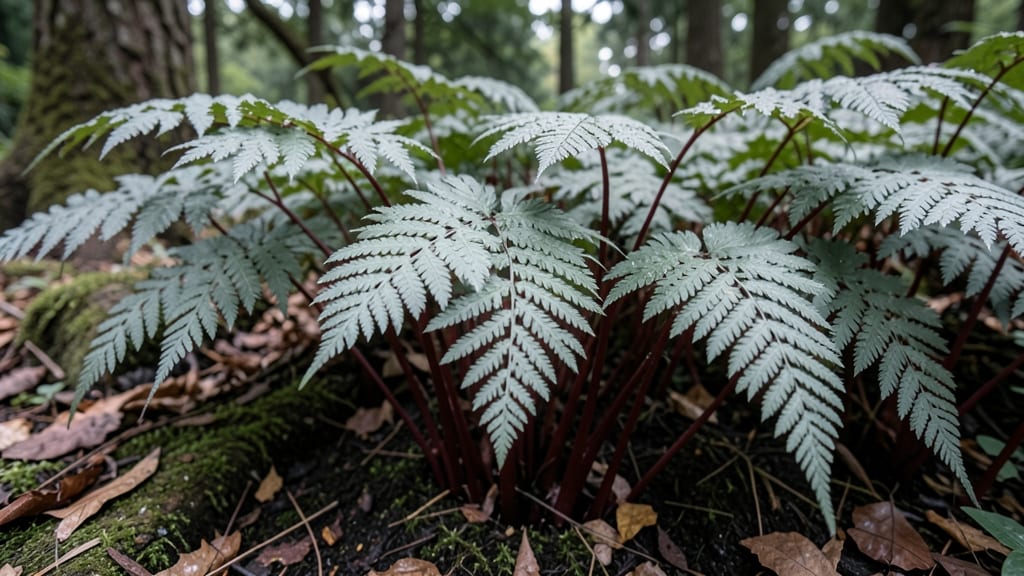
Looking for a deer-proof plant that adds refined texture to your shady garden without demanding full sun? The Japanese painted fern (Athyrium niponicum var. pictum) is your answer—its silvery-green fronds with burgundy stems create a striking contrast while thriving in moist, part-shade conditions. Unlike bold foliage plants, this fern’s delicate appearance softens landscapes beautifully, making it ideal for understory planting or near water features.
This fern prefers 3–6 hours of filtered light and consistently moist (but not soggy) soil, perfect for woodland gardens or rain gardens. Its deer-resistant nature means you won’t lose it to hungry browsers, and it pairs well with hostas, astilbes, or coral bells for layered shade gardens. Once established, it spreads slowly, requiring minimal maintenance beyond occasional division every few years.
Gardeners with moist, shaded spots will love how this fern adds elegance with almost no effort—ideal for those who want beauty without the upkeep. 🌿
Foxglove with Spiked Flower Stalks
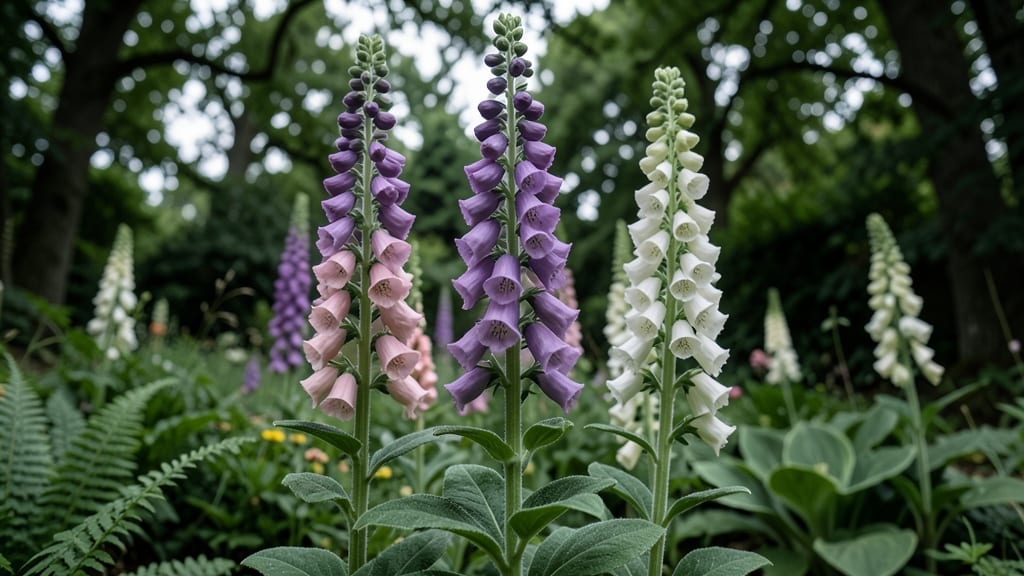
Want a dramatic vertical accent in your part-shade garden that deer will avoid? Foxglove delivers towering spikes of bell-shaped blooms in purple, pink, or white—without demanding full sun. Its toxicity makes it deer-proof, while its airy flowers attract bees and hummingbirds.
This biennial thrives in part shade to full shade, making it perfect for woodland edges or cottage gardens. Plant seeds in fall or buy young plants in spring, spacing them 18-24 inches apart. Water consistently until established, then let the soil dry slightly between waterings. Deadhead spent blooms to encourage reblooming.
Gardeners with shady borders or deer-prone areas will love foxglove’s effortless charm. Just remember—all parts are toxic if ingested, so wear gloves when handling. 🌿
Coral Bells (Heuchera) for Year-Round Color
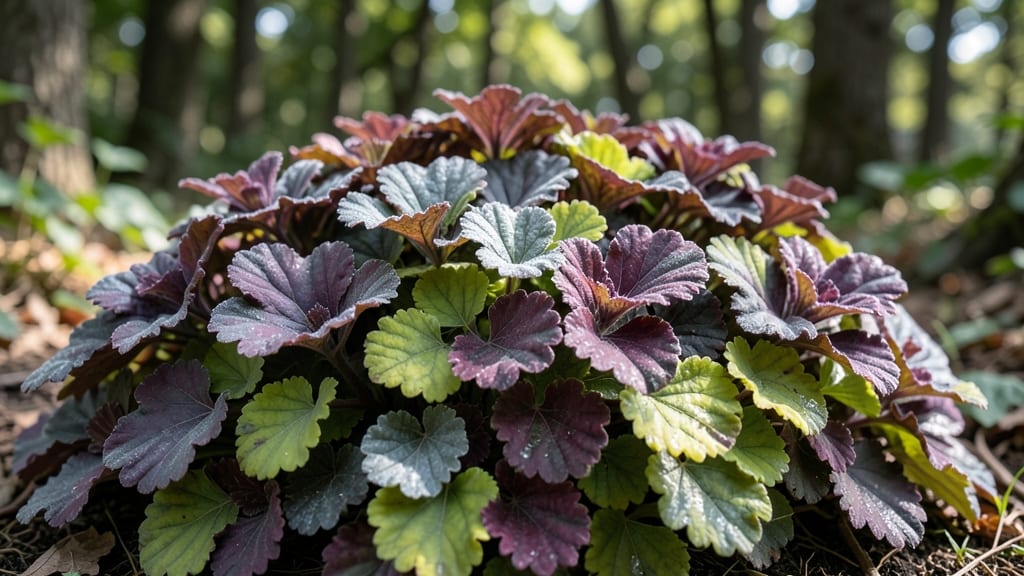
Want a deer-proof plant that delivers year-round color without demanding full sun? Coral bells (Heuchera) are the answer—these low-growing perennials offer foliage in fiery purples, silvery grays, or lime greens that shine even in shady corners.
Thriving in partial shade (3–6 hours of sunlight), they’re perfect for ground cover or containers, with varieties like 'Palace Purple' or 'Lime Rickey' adding bold contrast. Their bitter taste makes them deer-resistant, and they require minimal care once established—just well-draining soil and occasional watering.
Urban gardeners and small-space growers will love how coral bells fit into tight spots while adding texture and color. Plus, their compact size makes them ideal for edging beds or spilling over container rims. ✨
Lungwort with Unique Spotted Leaves
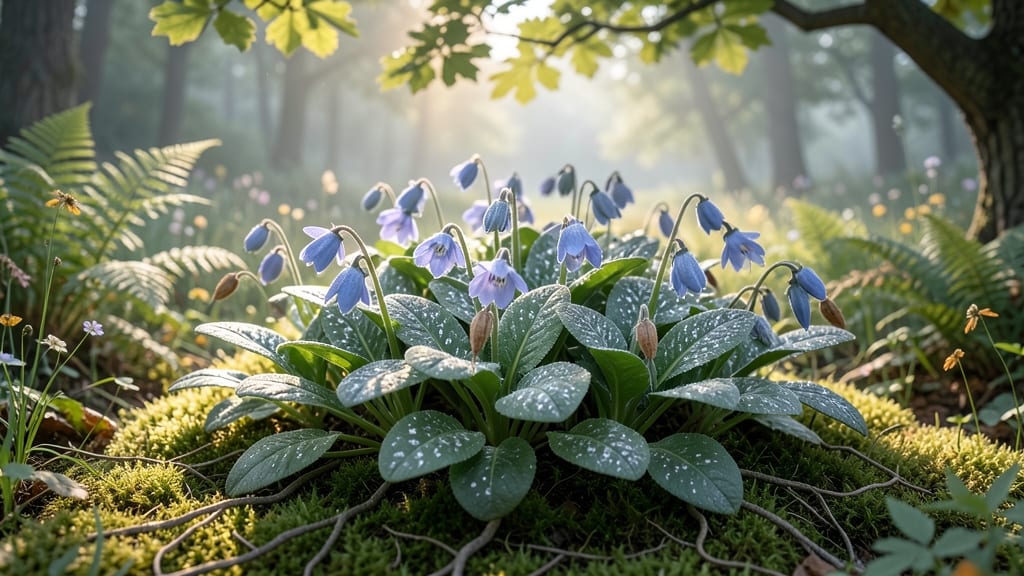
Want a shade-loving plant that deer won’t touch and adds whimsical charm to your garden? Lungwort (Pulmonaria) is your answer—its silver-spotted leaves and delicate blue flowers create a woodland fairy-tale effect while requiring almost no maintenance.
This medicinal herb has been used for centuries, and its strong scent deters deer naturally. It thrives in part shade to full shade, making it perfect for understory planting or shady borders. Once established, it needs minimal watering—ideal for woodland gardens or areas with poor soil.
Gardeners with shaded patios or woodland edges will love how lungwort adds year-round interest, with foliage that turns green as summer progresses. Its low-growing habit makes it a great companion for ferns and hostas. 🌷
Daffodils for Early Spring Blooms
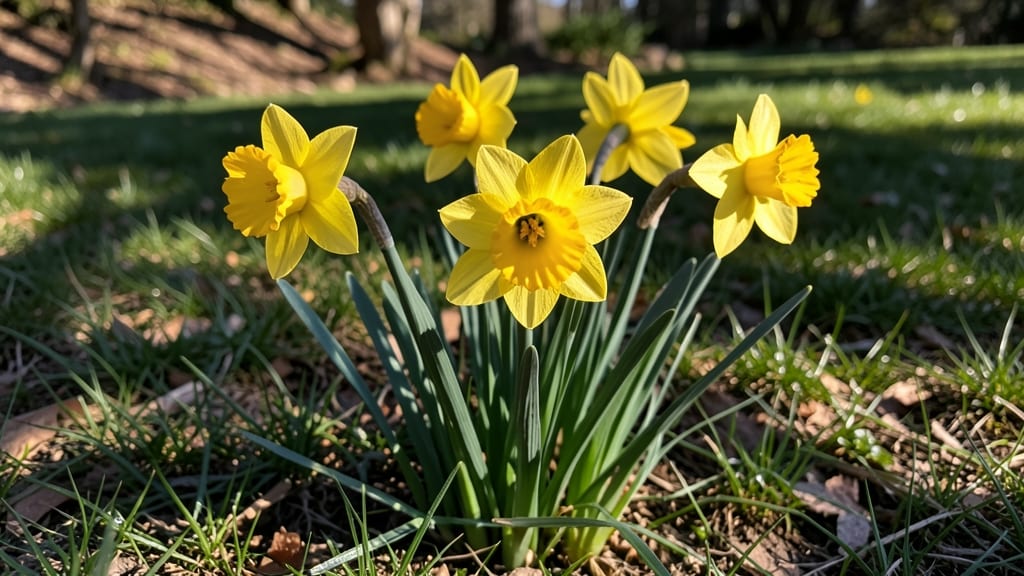
Ready to reclaim your shaded lawn from deer with a splash of early spring color? Daffodils are the secret weapon—these cheerful blooms contain toxic sap that repels deer while delivering bright yellow flowers that announce spring’s arrival. Unlike other shade plants, they thrive in part shade to full shade and multiply over time, creating naturalized drifts.
Plant daffodil bulbs in clusters of 12-15 for maximum impact, spacing them 4-6 inches apart and 6 inches deep. They prefer well-draining soil and 3-6 hours of morning sun, making them perfect for shaded lawn edges or understory planting. Once established, they require almost no maintenance—just remove faded blooms to encourage next year’s flowers.
Perfect for deer-prone gardens or beginner gardeners, daffodils offer year-round interest with their sword-like foliage and springtime cheer. Their bold color contrasts beautifully with hostas or ferns, making them a must-have for shaded borders. 🌻
Astilbe with Feathery Flower Plumes
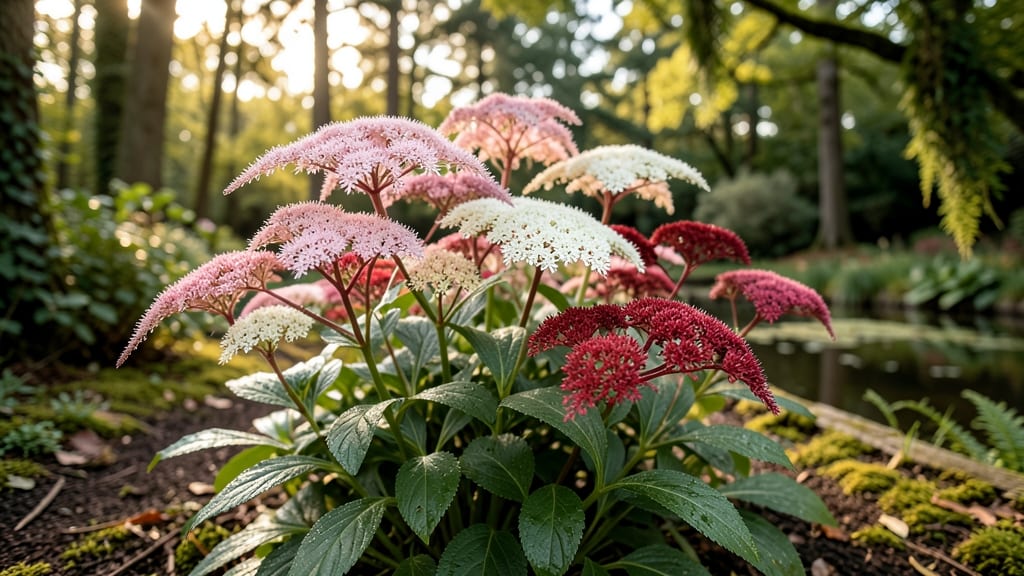
Want to add romantic flair to your shady garden while keeping deer at bay? Astilbe delivers soft, feathery plumes in pink, white, or red that thrive in moist, part-shade spots—ideal for rain gardens, pond edges, or under trees where sunlight is dappled.
These deer-resistant perennials prefer consistently moist soil and 3–6 hours of indirect light, making them perfect for areas where other plants struggle. Varieties like 'Fanal' (deep pink) or 'Bridal Veil' (white) bloom from mid to late summer, offering long-lasting color with almost no upkeep. Simply cut back foliage in fall and divide clumps every few years to keep them vigorous.
Gardeners with moist, shaded spots or rain gardens will love how astilbe adds ethereal beauty without demanding full sun or constant care. Pair it with hostas or ferns for a lush, low-maintenance shade garden. 🌷
Lamium with Silver and Purple Foliage
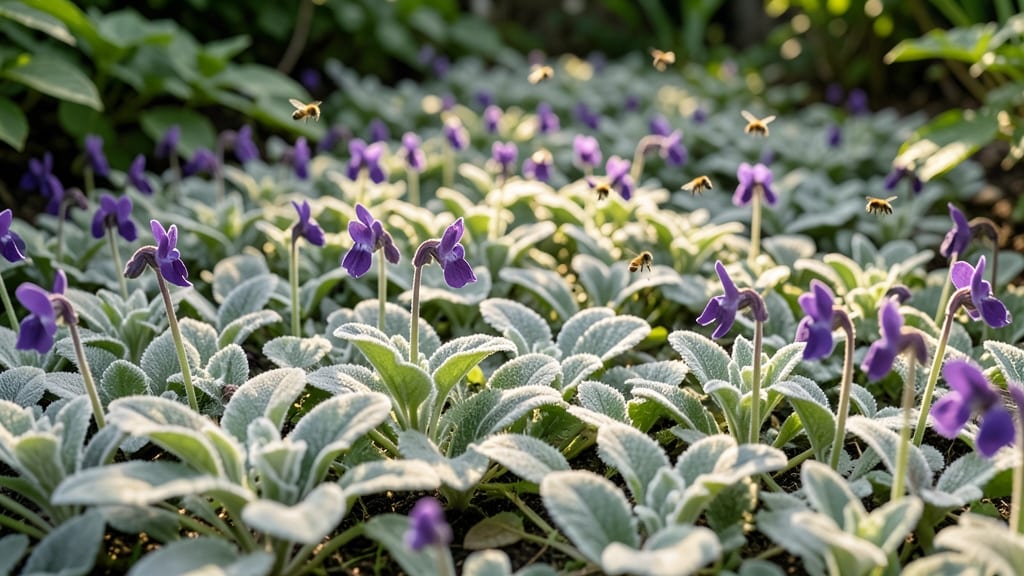
Need a deer-proof ground cover that thrives in part shade and adds a touch of whimsy? Lamium (like 'Silver Frost' or 'Bee Balm') is your answer—its fuzzy, silver-green leaves repel deer while its purple flowers lure in bees for months of pollinator-friendly blooms.
This versatile plant spreads easily in partial shade (3–6 hours of light), making it perfect for filling gaps under trees or along shady borders. It tolerates dry soil once established and even handles light foot traffic, so it’s ideal for high-traffic areas or urban gardens. Simply trim back in early spring to encourage fresh growth.
Gardeners with shaded, deer-prone areas will love how lamium adds color and texture without the upkeep. It’s also a great companion for hostas and ferns, creating a lush, layered look with almost no effort. 🌻
Bleeding Heart Vine for Vertical Interest
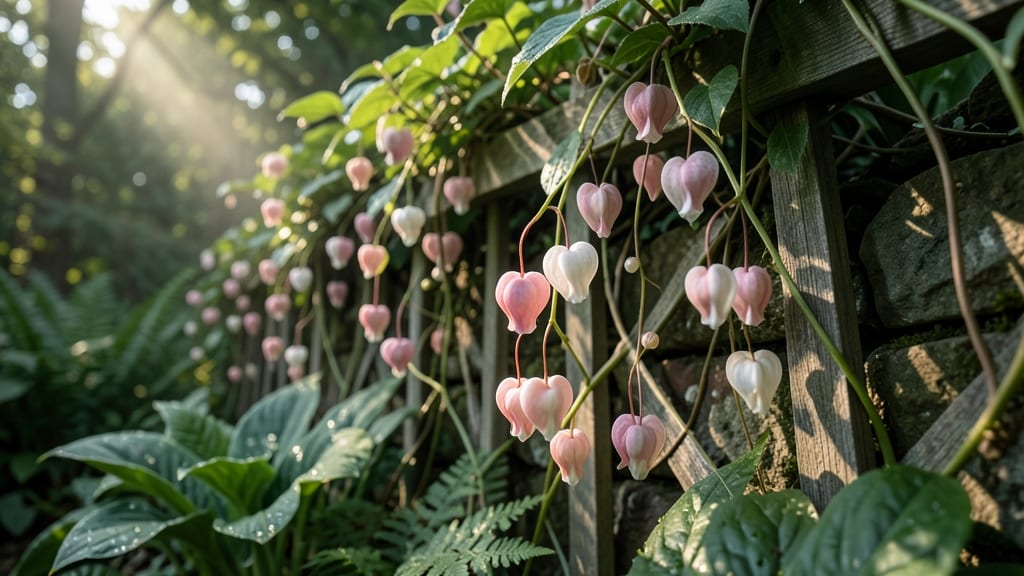
Craving a romantic, vertical garden that deer won’t touch? The bleeding heart vine (Dicentra spectabilis) delivers cascading heart-shaped blooms in soft pinks and whites—like nature’s dangling charms—while its mild toxicity keeps browsers away. This shade-loving climber thrives where others falter, making it perfect for trellises, arbors, or even fences in your part-shade garden.
Plant it in well-draining soil with consistent moisture (but no soggy roots) and give it 3–6 hours of morning sun for best results. The vine’s delicate foliage emerges early spring, followed by flower spikes that last 4–6 weeks—ideal for filling empty vertical spaces. Deadhead spent blooms to encourage a second flush later in the season, and divide clumps every 3–4 years to maintain vigor.
Urban gardeners with small spaces or those struggling with deer pressure will love how this vine adds dramatic height without demanding full sun. Pair it with hostas or ferns for a lush, layered look that feels like a secret garden. 💚
Russian Sage for Drought-Tolerant Height

Need a drought-tolerant plant that adds dramatic height to your part-shade garden while keeping deer away? Russian sage (Perovskia atriplicifolia) delivers silvery-blue flower spikes that reach 3–5 feet tall, thriving in dry shade where other plants struggle. Unlike moisture-loving perennials, it flourishes with minimal watering once established, making it perfect for borders or back-of-bed planting.
This hardy perennial prefers 3–6 hours of filtered light and tolerates poor, dry soil—ideal for xeric gardens or areas with rocky terrain. Its strong fragrance deters deer naturally, and its late-summer blooms attract pollinators. Simply prune back in early spring to encourage fresh growth, and enjoy year-round structure with minimal maintenance.
Gardeners in arid climates or those with deer-prone areas will love how Russian sage adds vertical drama without demanding full sun or constant care. It’s the ultimate low-maintenance solution for adding height and texture to shaded spots. 💪