
Orchid Care
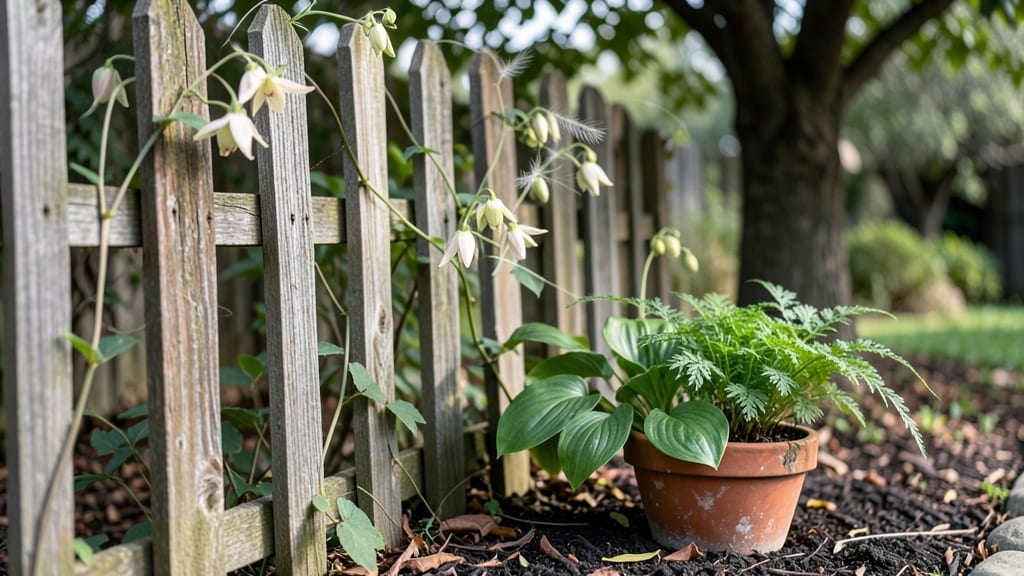
Clematis thrives in sun or shade depending on the variety, but getting it wrong can mean the difference between year-round blooms and a sad, leggy vine.
Struggling to keep your clematis blooming year after year? The secret might be simpler than you think—light exposure plays a surprisingly critical role in their growth and flowering.
Some varieties, like Clematis montana, bask in full sun, while others, such as Clematis armandii, prefer dappled shade. Mixing up their light needs can lead to stunted growth or even leaf burn.
In this guide, I’ll break down the best light conditions for your clematis, help you pick the right variety for your garden, and share proven tricks to maximize blooms—no matter where you live.
 Best Window Placement
How sunlight affects clematis growth and flowering patterns
If your clematis vines are growing tall but producing fewer blooms than expected, the culprit might be light exposure. Clematis plants are famously adaptable, but their growth habits and flowering cycles are deeply influenced by how much sunlight they receive.
Too much direct sun can scorch delicate leaves, while too little shade can stunt blooming entirely. Understanding these patterns is key to unlocking year-round blooms in your garden.
Most gardeners assume clematis thrive in full sun, but the truth is far more nuanced. Some varieties—like Clematis montana—love basking in morning sunlight, while others, such as Clematis armandii, prefer dappled shade to protect their delicate foliage.
The intensity and duration of light exposure directly impact when and how often your clematis will flower, as well as their overall vine vigor. Let’s break down how to match your clematis to the perfect light conditions for maximum beauty.
Sunlight isn’t just about the amount of light your clematis receives—it’s also about timing. For example, afternoon sun can be harsh, especially in hot climates, causing leaf scorch or bud drop. That’s why many gardeners swear by placing clematis where they get morning sun and afternoon shade.
This gentle light exposure helps maintain leaf health while still encouraging robust flowering. If you’re in a Zone 7 or higher, afternoon shade becomes even more critical during peak summer months.
One of the biggest misconceptions about clematis is that they all need full sun. In reality, some varieties—like Clematis viticella—can handle full sun exposure without issue, while others, such as Clematis alpina, will struggle and produce fewer blooms if not given enough shade.
The key is to observe your plant’s foliage color and growth rate. Healthy leaves should be a vibrant green, not yellow or brown. If you notice leaf burn or stunted growth, it’s a sign your clematis is getting too much direct sunlight.
Light exposure also dictates when your clematis will bloom. Sun-loving varieties typically flower in late spring to summer, while shade-tolerant types often bloom earlier in the season, sometimes even in late winter.
For example, Clematis montana can produce flowers as early as February if given the right light conditions. If your clematis isn’t blooming when expected, check its light exposure first—it might simply need a sunnier spot or a little more protection from harsh afternoon rays.
For gardeners in urban environments or areas with limited space, creative solutions like trellis placement can make a huge difference. Positioning your clematis near a south-facing wall or under a partial shade tree can create the perfect microclimate.
Even a simple white lattice screen can filter harsh sunlight while still allowing enough light for healthy growth. Experiment with different locations to find the sweet spot for your specific clematis variety.
If you’re still struggling to get your clematis to thrive, consider its pruning group. Group 1 clematis (early bloomers) often prefer partial shade, while Group 3 (late bloomers) can handle more sun.
Mixing up light conditions based on your clematis’s pruning needs can help you achieve season-long blooms. For instance, planting a Group 1 variety in morning sun and a Group 3 variety in afternoon shade ensures flowers from spring through fall.
Remember, clematis are perennial climbers, meaning they’ll grow and adapt to their environment over time. If you’ve recently planted yours, give it a full growing season to adjust to its
Best clematis varieties for low-light and high-sun gardens
Choosing the right clematis variety for your garden’s light conditions can transform your space from a struggling vine to a blooming powerhouse. Some varieties thrive in bright sunlight, while others excel in dappled shade.
The key is matching the plant to its ideal light exposure—whether that’s morning sun with afternoon shade or full sun protection in hot climates.
Not all clematis are created equal. Sun-loving varieties like 'Jackmanii' produce bold, repeat blooms when given 6+ hours of direct sunlight, while shade-tolerant types such as 'Etoile Violet' shine in partial shade gardens.
Even evergreen clematis can thrive under trees if you pick the right cultivar. Let’s explore the best options for your garden’s unique lighting challenges.
Top Clematis Varieties by Light Needs
-
🌞 Full Sun Champions (6+ hours direct light)
- 'Jackmanii' – Purple blooms, repeat flowering, hardy
- 'Niobe' – Deep purple, late-season blooms, drought-tolerant
- 'Multiblue' – Blue-violet, prolific blooms, great for trellises
-
🌿 Partial Shade Stars (3-6 hours light)
- 'Etoile Violet' – Soft lavender, fragrant, evergreen
- 'Perle d'Azur' – Pale blue, early bloomer, woodland garden
- 'Vyvyan Pennell' – Pink-purple, long blooming, shade-adapted
-
🌳 Deep Shade Specialists (under trees, north-facing)
- 'Comtesse de Bouchaud' – Pink, fragrant, slow-growing
- 'Lasurstern' – Blue, compact, great for containers
- 'Montana' – White, early spring blooms, woodland native
Pro Tip: Mulch heavily in full sun to retain moisture, and avoid overhead watering in shade to prevent fungal issues.
For high-sun gardens, prioritize moisture-retentive soil and afternoon shade during peak summer heat. Varieties like 'Jackmanii' reward you with vibrant blooms all season, but they’ll wilt quickly if left parched. In low-light areas, focus on fragrant, evergreen types like 'Etoile Violet', which thrive where sun-lovers fail.
Don’t overlook seasonal blooming patterns. Early spring clematis like 'Montana' need cool shade to set buds, while late-season varieties like 'Niobe' benefit from extended sunlight to fuel their fall displays.
Adjust your pruning schedule based on light exposure—sun varieties may need heavier pruning to prevent leaf scorch, while shade types often bloom on older wood.
My personal favorite for shady gardens is 'Perle d'Azur'. Its delicate blue blooms appear early, and it tolerates dry shade better than most. For sun-drenched spots, 'Multiblue' is a workhorse, producing non-stop color with minimal fuss.
Test a few varieties in your space—you might discover a hidden gem that thrives where others fail.
Remember: light isn’t the only factor. Pair your clematis with companion plants that share similar needs—hostas for shade, lavender for sun—to create a balanced ecosystem. With the right variety and care, your clematis will bloom beautifully, no matter where it’s planted. 🌸