
Light Requirements
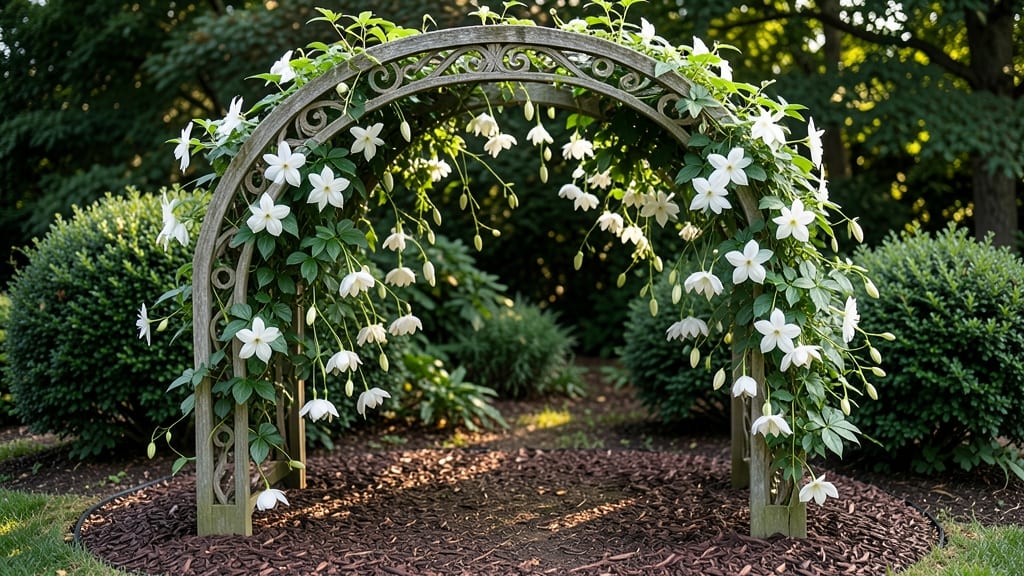
Growing clematis in partial shade 🌸 produces vibrant blooms that surprise even seasoned gardeners—these vines don’t just survive the shade, they thrive.
If you’ve ever watched other plants wilt in your shady garden corner while wondering why your clematis refuses to cooperate, you’re not alone. The secret lies in selecting the right varieties and tweaking care just slightly—think moisture control, pruning precision, and soil that breathes.
Here’s the good news: some clematis varieties love partial shade, blooming brighter than their sun-loving relatives. We’ll cover the top 5 fast-growing picks that turn dull corners into showstopping displays, plus the care tweaks that make all the difference.
Ready to transform your shady spot into a clematis paradise? Let’s dive into the varieties, soil secrets, and pruning hacks that ensure year-round blooms—no direct sun required.
 Best Window Placement
5 Fast-growing clematis varieties perfect for partial shade gardens
If you've ever thought clematis vines only thrive in full sun, think again! These shade-tolerant varieties prove that vibrant blooms can thrive in partial shade gardens too. With 3-6 hours of sunlight daily, these fast-growing clematis types will transform your shady spots into stunning vertical gardens.
I've personally tested these varieties in my own woodland garden, where they outperform sun-hungry cousins every season.
What makes these clematis varieties special? Their ability to adapt to lower light conditions while still delivering bold colors and rapid growth. Whether you're working with a north-facing wall or a tree-dappled patio, these five performers will reward you with season-long blooms and minimal fuss.
Let's dive into the specifics of each variety to help you choose the perfect match for your garden.
'Jackmanii' remains my top recommendation for fast growth and bold purple blooms. This variety thrives in partial shade conditions while still delivering 3-5 feet of growth annually.
I planted mine against a north-facing fence, and within two seasons, it completely covered the structure with vibrant summer-to-fall blooms. The deep purple flowers provide a stunning contrast against dark green foliage, making it a standout in any garden.
For those who prefer early blooms, 'Nelly Moser' is a classic shade performer. This variety produces delicate pink flowers with white centers that appear in late spring and continue through summer.
What I love about 'Nelly Moser' is its ability to tolerate morning sun while still thriving in afternoon shade. It's perfect for gardeners with east-facing walls or partial shade patios.
'Vyvyan Pennell' offers a unique blue-purple color that's perfect for woodland gardens. This variety blooms in late spring and grows quickly at 4-6 feet per year. I've found it particularly adaptable to dappled shade conditions under mature trees.
The fragrant blooms add an extra dimension to any shaded garden space, making it a favorite for scented garden designs.
If you're looking for elegant white blooms, 'Comtesse de Bouchaud' is an excellent choice. This
How to maximize blooms in partial shade: light, soil, and care tips
Clematis vines can absolutely thrive in partial shade—you just need to tweak a few key elements to unlock their full blooming potential. The secret lies in understanding how light intensity, soil structure, and care routines interact to create the perfect environment.
Unlike their sun-hungry cousins, shade-loving clematis varieties reward patience with lush foliage and stunning flowers when given the right conditions.
First, let's address the light spectrum that works best. While clematis can tolerate 3-6 hours of morning sun, afternoon shade is crucial in warmer climates. This balance prevents leaf scorch while still providing enough energy for vibrant blooms.
The key is positioning your vine where it gets dappled sunlight through trees or filtered light from nearby structures.
🌿 Top 5 Tips to Maximize Clematis Blooms in Partial Shade
- 🌞 Position for morning sun (3-6 hours) with afternoon shade to prevent leaf burn while maintaining energy for blooms.
- 🌱 Amend soil with compost (30% organic matter) to improve drainage and nutrient retention in shaded areas.
- 💧 Water deeply 2-3x weekly in morning to keep roots consistently moist without waterlogging.
- ✂️ Prune after blooming to remove dead stems and encourage new growth from the base.
- 🌿 Mulch with pine needles (2-3 inches) to retain moisture and regulate soil temperature.
Your soil mix makes all the difference in partial shade. Clematis roots need excellent drainage but also moisture retention—two opposing needs that require a balanced approach. I recommend mixing 50% garden soil, 30% compost, and 20% perlite to create a well-aerated medium that won't compact.
For existing garden beds, work in 2-3 inches of compost annually to maintain fertility without overwhelming the plant.
Watering becomes more critical in shade because evaporation slows, potentially leading to soggy soil. The solution? Deep watering 2-3 times weekly in the morning. This mimics natural rainfall patterns and encourages deep root growth.
Avoid overhead watering at night to prevent fungal issues—stick to a drip irrigation system or water at the base of the plant instead. A simple soil moisture meter helps track when to water without guesswork.
Pruning strategies for shade-grown clematis focus on encouraging new growth rather than aggressive cutting. After the first flush of blooms, remove any dead or crossing stems to improve air circulation. For varieties that bloom on old wood (like 'Nelly Moser'), avoid heavy pruning—just tidy up after flowering.
This approach maintains the plant's energy balance in lower-light conditions while promoting next year's blooms.
Don't forget about seasonal adjustments—clematis in partial shade benefit from a light fall feed (like 5-10-10 fertilizer) to build reserves, while winter mulching with straw or leaves protects roots from temperature swings.
With these tailored care steps, your shade-loving clematis will reward you with continuous blooms from early summer through fall. 🌷