
Companion Plants
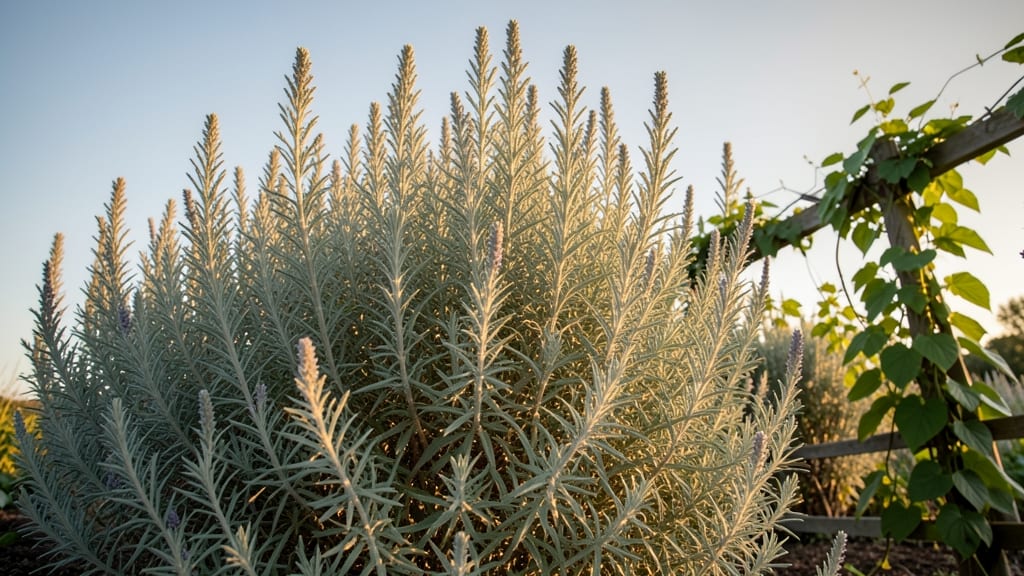
Clematis vines thrive with proper root protection, especially in hot climates. These 10 shade-providing plants create the perfect microclimate for sun-sensitive clematis roots while adding beauty and function to your garden.
Hostas for Dense Ground Cover
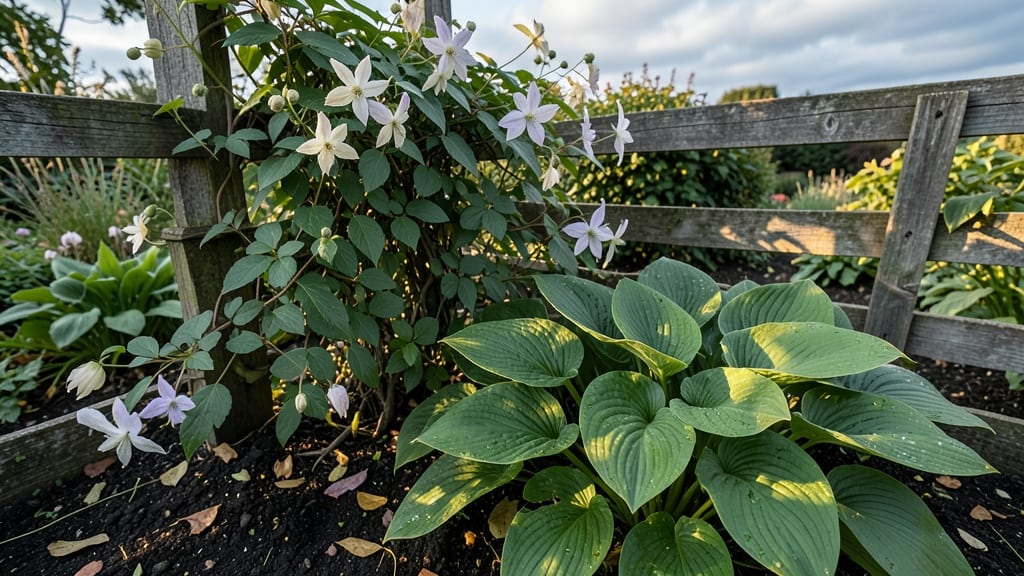
If your clematis vines struggle in hot, dry climates, hostas are the unsung heroes of shade gardening. Their broad, waxy leaves act like natural umbrellas, blocking up to 70% of intense sunlight while retaining moisture in the soil—exactly what clematis roots crave to stay cool and hydrated.
Plant hosta varieties like 'Blue Angel' or 'Francee' within 12-18 inches of clematis stems to create a living shade canopy. Their evergreen foliage (in most varieties) ensures year-round protection, and their low-maintenance nature means no extra watering or pruning. For extra texture, mix in variegated types like 'Halcyon' to contrast with clematis blooms.
This combo is perfect for gardeners in USDA zones 3-9, especially those with south-facing beds where afternoon sun scorches roots. Hostas also suppress weeds, reducing competition for your clematis. 🌿
Ferns for Natural Root Cooling
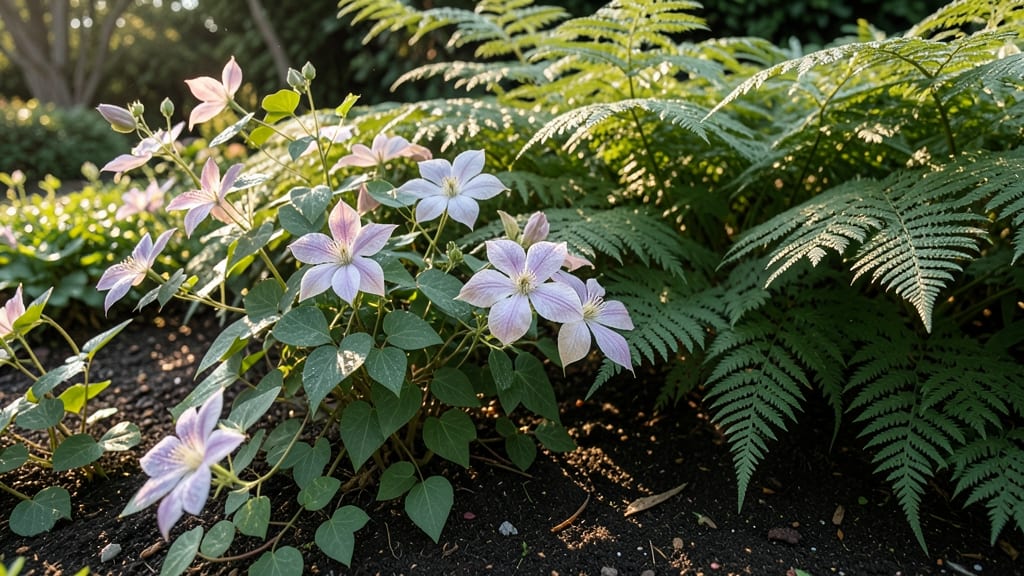
If your clematis vines are struggling in hot climates, ferns like maidenhair or ostrich fern act like nature’s air conditioner. Their lacy fronds create a gentle, dappled shade that filters sunlight while increasing humidity around the roots—exactly what sun-sensitive clematis varieties crave.
Plant maidenhair ferns (ideal for woodland gardens) or ostrich ferns (taller and more rugged) within 12–18 inches of clematis stems to maximize cooling effects. These ferns thrive in moist, well-draining soil and partial shade, mirroring the conditions clematis roots prefer. Their feathery texture also adds a soft, woodland aesthetic to your garden beds.
Perfect for gardeners in humid climates or shaded garden spots, ferns require minimal maintenance once established. They’ll keep your clematis roots cool and happy while adding lush, architectural interest. 🌿
Lavender for Aromatic Sun Protection
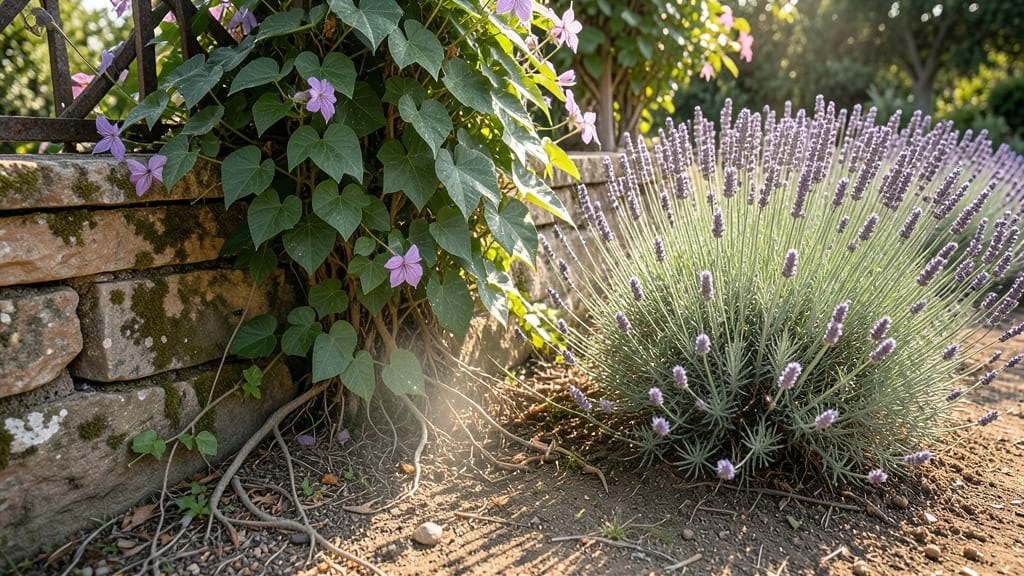
If your clematis thrives in Mediterranean climates but struggles with intense afternoon sun, lavender is the aromatic solution you’ve been searching for. This drought-tolerant powerhouse doesn’t just shade roots—it actively reflects sunlight while releasing cooling oils that regulate soil temperature.
Plant lavender 12–18 inches away from clematis stems to create a protective barrier without competing for nutrients. Its silvery foliage contrasts beautifully with clematis blooms while suppressing weeds naturally. For best results, choose compact varieties like ‘Munstead’ or ‘Hidcote’ that stay tidy in borders.
Gardeners in hot, dry regions will appreciate lavender’s dual benefits: year-round sun protection and a fragrant garden that doubles as a pollinator magnet. 🌻
Heuchera for Colorful Root Shield
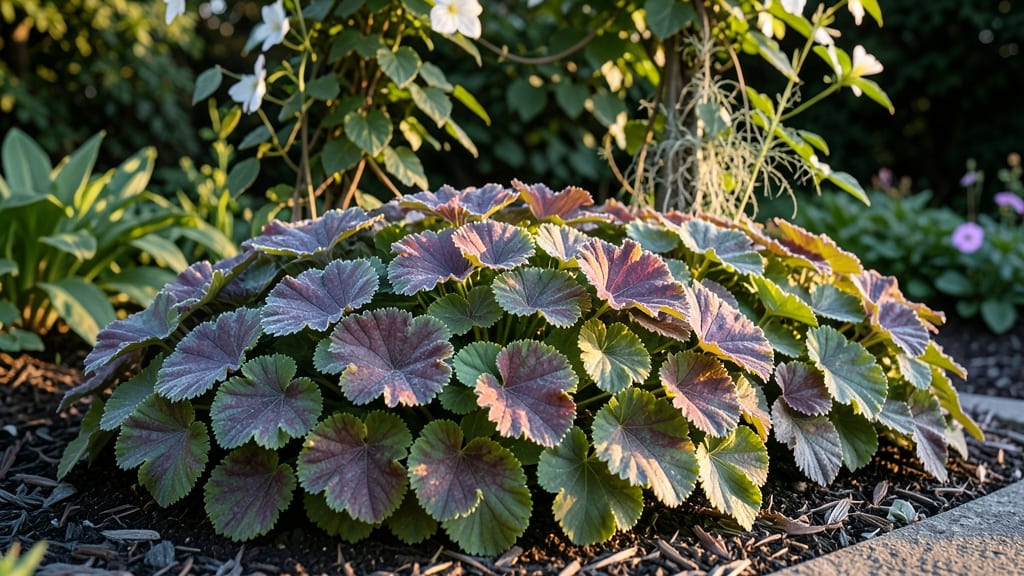
Want to add year-round color while keeping your clematis roots cool? Heuchera (also called coral bells) is the perfect solution—its striking foliage in shades of purple, lime, and silver creates natural shade while preventing nutrient competition.
This low-growing perennial thrives in partial shade and well-drained soil, making it ideal for containers or garden beds. Plant it 6-12 inches away from clematis stems to allow airflow while blocking harsh afternoon sun. Choose compact varieties like 'Palace Purple' or 'Lime Rickey' for maximum impact with minimal space.
Urban gardeners and small-space growers will love how heuchera adds vibrant texture without overwhelming clematis blooms. Its evergreen leaves ensure protection even in winter. 💚
Astilbe for Moisture-Retaining Shade
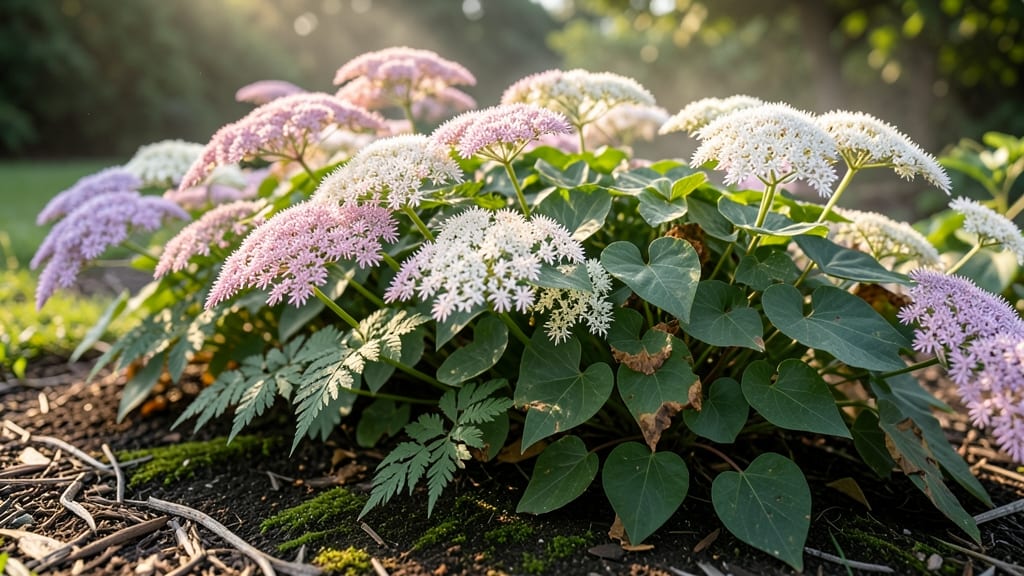
If your clematis vines are struggling with afternoon sunburn, astilbe is the airy solution you’ve been missing. This moisture-loving perennial thrives in partial shade, creating a cooling canopy that shields clematis roots while retaining essential soil moisture—critical for preventing wilting in hot climates.
Plant astilbe in clusters around your clematis base, spacing them 12-18 inches apart to allow airflow while filtering harsh light. Varieties like 'Fanal' (deep red plumes) or 'Deutschland' (pink) add seasonal drama from early summer through fall. Their feathery foliage also deters weeds, reducing competition for water.
Perfect for woodland gardens or containers near patios, astilbe pairs beautifully with clematis while requiring minimal care. Just keep soil consistently moist—its root-friendly habitat ensures your vines stay lush and blooming. 🌿
Liriope for Grass-Like Root Cover
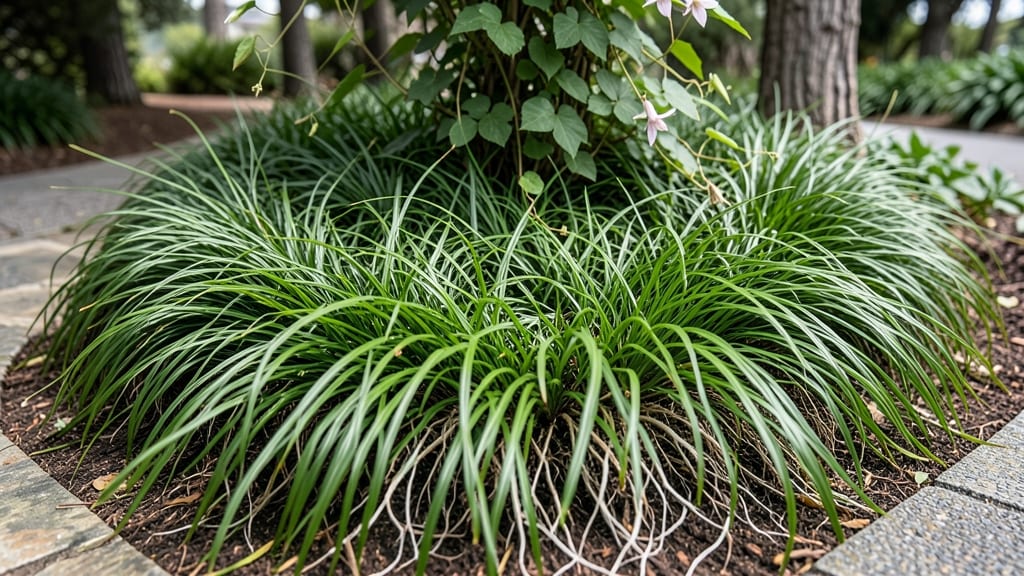
Looking for a low-maintenance, evergreen solution that mimics a lush forest floor around your clematis? Liriope (often called monkey grass) delivers dense, grass-like coverage that blocks harsh sunlight while keeping roots cool and protected—ideal for coastal or urban gardens where conditions can be tough.
This hardy perennial forms a tight, weed-suppressing mat with its sword-shaped leaves, creating a natural barrier against intense afternoon sun. Plant it 12-18 inches away from clematis stems to allow airflow while filtering light. Varieties like 'Big Blue' or 'Silvery Sunlight' add contrasting foliage textures, and its purple flower spikes in late summer provide seasonal interest without competing for nutrients.
Perfect for gardeners in USDA zones 5-10, liriope thrives in partial shade to full sun and tolerates salt spray, making it a standout choice for seaside gardens or city plots. Its year-round greenery ensures your clematis roots stay consistently shaded, even in winter. 🌱
Sedum for Succulent Sun Block
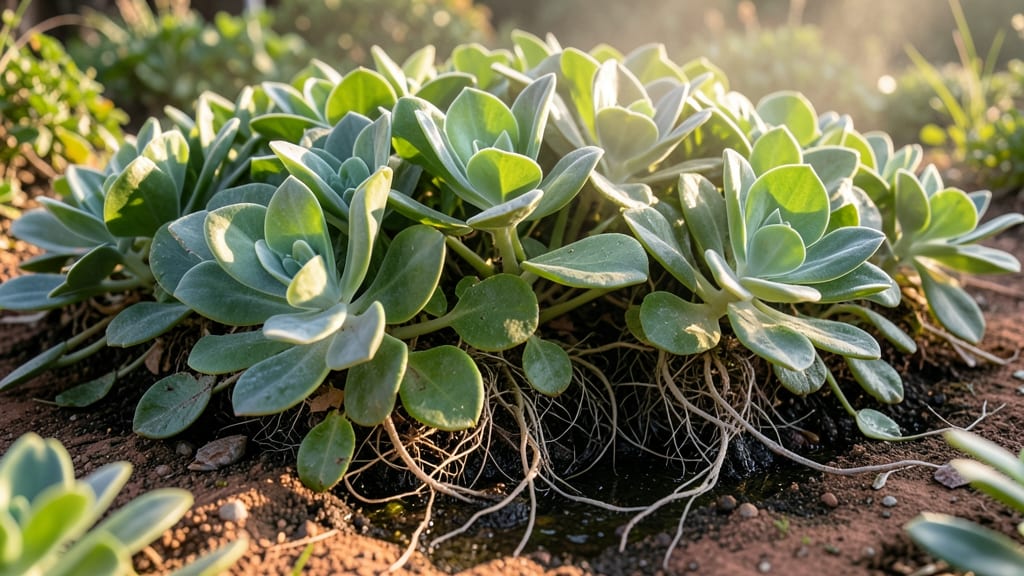
When your clematis roots are struggling in drought-prone areas, sedum steps in as the ultimate sun-blocking superhero. Unlike other shade plants, sedum’s thick, fleshy leaves reflect sunlight while storing moisture—creating a cool microclimate that prevents heat stress on clematis roots during peak afternoon sun.
Choose trailing varieties like 'Dragon’s Blood' or 'Angelina' to cascade over rocks or garden edges, positioning them 12-18 inches from clematis stems. Their succulent structure means they thrive on neglect, requiring only occasional watering once established. The trailing habit also adds vertical texture, softening harsh lines while keeping roots shaded without competing for nutrients.
This is the perfect solution for xeric gardens or urban spaces with poor soil—sedum’s drought tolerance and low-maintenance nature make it ideal for gardeners who want year-round protection with minimal effort. 🌱
Coral Bells for Seasonal Root Cover
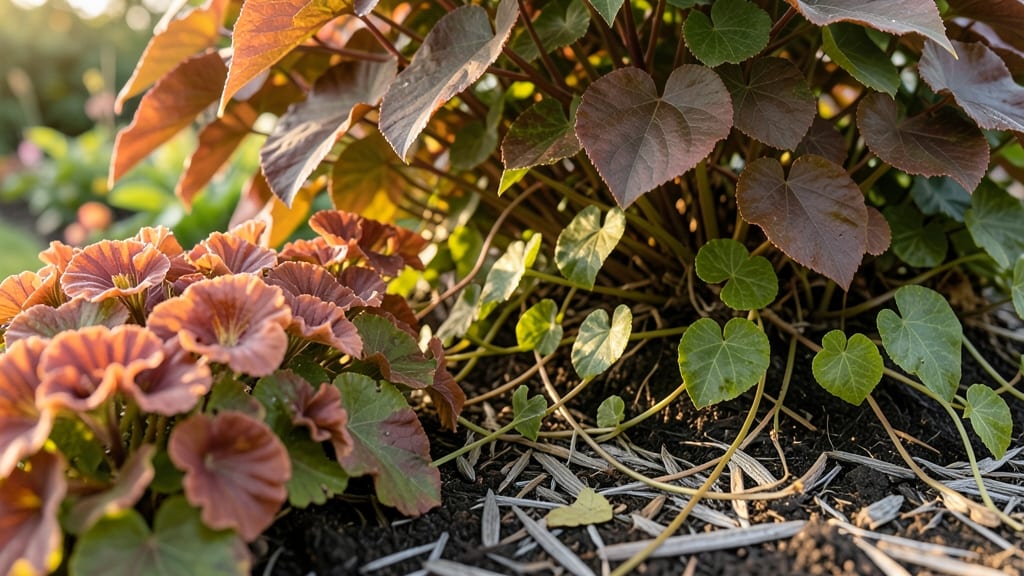
Looking for a low-maintenance way to protect clematis roots while adding seasonal color? Coral bells (Heucherella) are the dynamic duo you’ve been missing. Their vibrant foliage—ranging from copper to chartreuse—shifts with the seasons, providing year-round shade that keeps roots cool without overshadowing clematis blooms.
This compact perennial thrives in partial shade and well-draining soil, making it ideal for planting 6-12 inches away from clematis stems. Varieties like 'Plum Pudding' or 'Lime Rickey' deliver bold hues that contrast beautifully with clematis flowers while their low growth habit ensures they won’t compete for nutrients. Coral bells also tolerate drought once established, reducing your watering workload.
Perfect for urban gardens or small spaces, coral bells offer a living mulch that suppresses weeds and retains soil moisture—ideal for gardeners who want both beauty and function. Their ever-changing foliage keeps your garden dynamic while protecting your clematis. ✨
Sweet Woodruff for Fragrant Shade
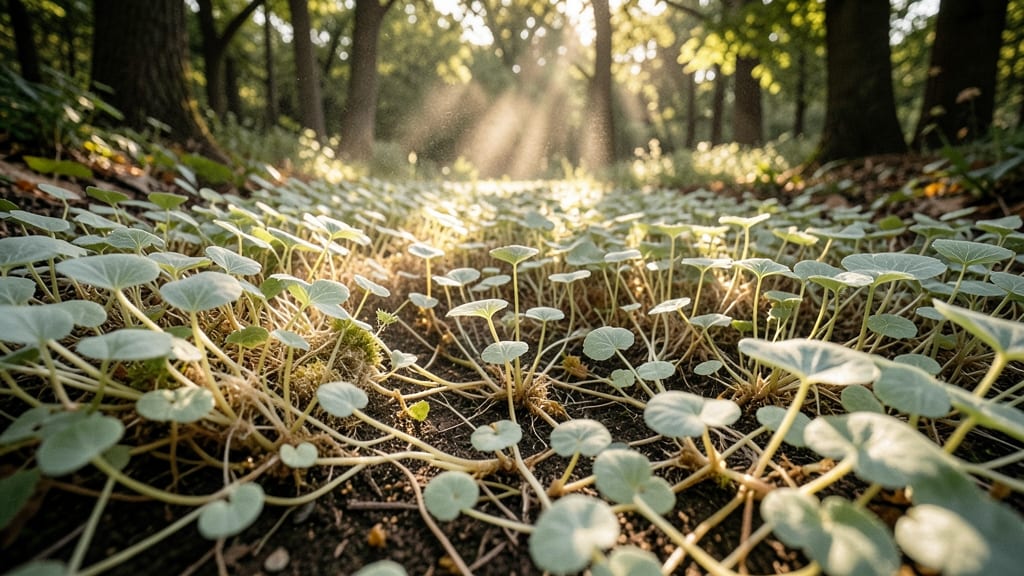
If you love the scent of a woodland garden drifting through your yard, sweet woodruff is the fragrant secret weapon for shielding clematis roots. This delicate ground cover releases a vanilla-like aroma when crushed, creating a sensory experience while its heart-shaped leaves filter sunlight to keep roots cool and moist.
Plant sweet woodruff in partial to full shade, spacing it 6-12 inches from clematis stems to allow airflow while suppressing weeds. Its low-growing habit (6-12 inches tall) makes it perfect for tucking under taller perennials or along clematis bases. Varieties like 'Alexander' or 'Grandiflorum' produce charming white flowers in spring, adding subtle beauty without competing with clematis blooms.
Ideal for gardeners in USDA zones 4-8, sweet woodruff thrives in moist, well-draining soil—making it perfect for woodland gardens or shaded borders. Its self-spreading nature ensures complete weed suppression, giving your clematis roots the protection they crave while adding a whimsical, fragrant touch. 🌿
Russian Sage for Tall Sun Screen

If your clematis vines are reaching for the sky but struggling with scorching afternoon sun, Russian sage is your vertical game-changer. This drought-resistant powerhouse grows 3-5 feet tall, creating a natural sun screen that blocks up to 80% of harsh sunlight while adding dramatic height to your garden. Its silvery-green foliage and lavender-blue flower spikes bloom from mid-summer through fall, providing both shade and stunning contrast to clematis blooms.
Plant Russian sage 18-24 inches away from clematis stems to allow airflow while maximizing shade coverage. Its deep roots prevent competition for water, and it thrives in full sun to partial shade, making it perfect for hot, dry climates. For best results, pair it with clematis varieties like 'Jackmanii' or 'Niobe', which appreciate its cooling effect. The upright habit also adds architectural interest to borders or mixed perennial beds.
Gardeners in USDA zones 4-9 will appreciate Russian sage's low-maintenance nature—it requires minimal water once established and deters deer. Its late-season blooms also provide nectar for pollinators while keeping clematis roots cool and happy. 🌟