
Shrubs
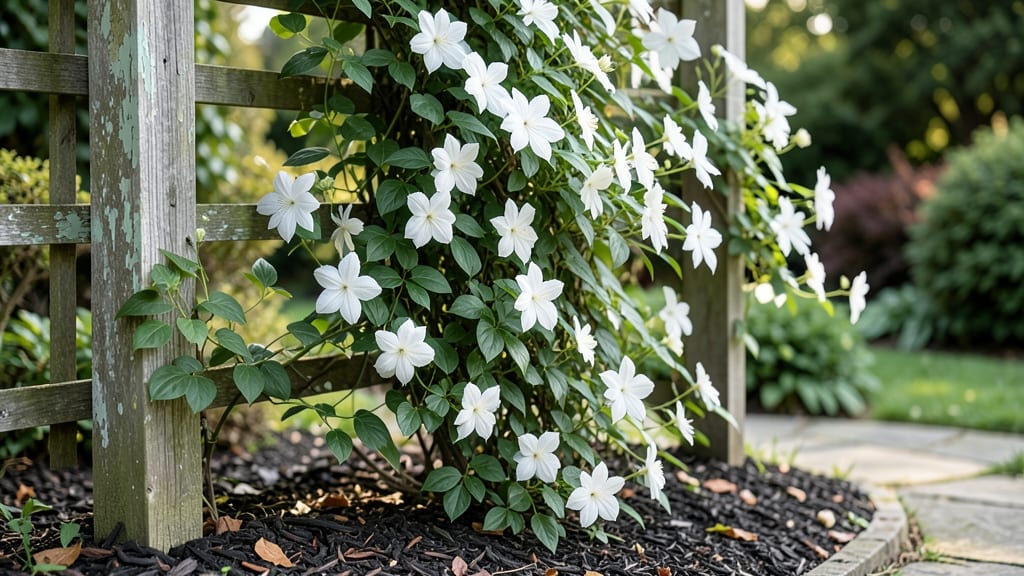
Growing clematis in the shade might seem impossible, but these dramatic vines thrive with the right varieties and care. 🌿 I’ve grown shade-loving clematis for years—some varieties even flower better in dappled light than in full sun.
The key is choosing the right types and adjusting your approach to match their needs.
Start with shade-tolerant varieties like ‘Jackmanii’ or ‘Nelly Moser,’ which handle low light better than others. Plant them near a north-facing wall or under tall trees where they get morning sun and afternoon shade.
The soil should be well-draining but consistently moist, so amend with compost to keep roots happy.
Watering is critical—shade-loving clematis need regular moisture but hate soggy roots. Prune lightly in early spring to encourage new growth, and avoid heavy cuts that can stress the plant. With the right care, you’ll get vibrant blooms even in the shadiest spots.
Troubleshoot poor flowering by checking light levels—if it’s too dark, consider a reflective surface near the plant to boost indirect light. Mulch helps retain moisture, and a balanced fertilizer in early spring keeps them strong. Patience pays off—these vines reward careful attention with lush, thriving growth.
📚 In This Guide
- What you need
- Instructions
- Tips and common mistakes
- Wrapping up and next steps
What you need
- ● Clematis plants: 1–3 shade-tolerant varieties (e.g., Clematis montana, Clematis armandii, or Clematis viticella ‘Jackmanii’—some cultivars handle partial shade better than others!). Check for healthy root systems and pruned stems (3–4 feet long) if buying bare-root.
- ● Soil amendments: 2–3 gallons of well-draining potting mix or organic compost (avoid heavy clay—clematis hates soggy roots!). 1 cup of perlite or coarse sand (for aeration in containers or poor soil). 1 tbsp of bone meal or slow-release fertilizer (10-10-10 ratio) to boost phosphorus for root growth.
- ● Support structures: 1 trellis, arbor, or obelisk (6–8 feet tall; ensure it’s sturdy—clematis can get heavy!). Twine or soft plant ties (to secure vines without damaging them).
- ● Planting tools: 1 garden trowel (for digging holes). 1 pruning shears (sterilized with rubbing alcohol). 1 watering can or hose with a gentle spray nozzle.
- ● Mulch (2–3 inches of wood chips or straw) to retain moisture and regulate soil temp. A drip irrigation system or self-watering container for consistent moisture in dry shade. Epsom salt (1 tbsp dissolved in water monthly) to prevent magnesium deficiency in low-light conditions. Shade cloth (30–50% coverage) if your shade spot is too bright (e.g., dappled sunlight). A soil pH test kit (ideal range: 6.5–7.0; amend with lime or sulfur if needed).
How to grow clematis successfully in shady spots
Here's how I've learned to coax these stunning vines into thriving—even when sunlight is scarce.
🌱 Step 1: Select the Right Clematis Variety for Low Light
Not all clematis tolerate shade equally. Look for early-flowering varieties like 'Jackmanii' or 'Niobe', which handle partial shade better than late bloomers. These types focus energy on leaf production rather than flowers, making them ideal for morning sun or filtered light conditions. Avoid varieties labeled "full sun" unless you can guarantee at least 4 hours of direct light daily.
Check the vine's natural growth habit too. Large-leaved varieties like 'Comtesse de Bouchaud' adapt better to shade than small-leaved types. I always verify the plant tag before buying—skipping this step leads to leggy, weak growth that never blooms. If you're unsure, ask your local nursery for shade-tolerant recommendations.
🪴 Step 2: Prepare the Planting Site with Amended Soil
Clematis roots need well-draining, nutrient-rich soil that stays consistently moist but never waterlogged. In shady spots, organic matter becomes even more critical. Mix 3-4 inches of compost into the top 12 inches of native soil at the planting site. This improves drainage while providing slow-release nutrients the vine will need throughout the season.
Add a 5-gallon bucket of well-rotted leaf mold or aged manure to the hole before planting. This mimics the woodland conditions many shade-tolerant clematis prefer. Avoid fresh manure—it burns roots and can cause fungal issues. Tap the amended soil gently after mixing to eliminate air pockets.
☀️ Step 3: Plant at the Correct Depth and Orientation
Clematis roots should sit 4-6 inches below the soil surface—deeper than most gardeners realize. This protects the crown from temperature swings and encourages stronger growth. Place the plant so the topmost set of buds (where stems emerge) sits just below the final soil level. Mark this spot with a stake before filling in.
Orient the vine toward the brightest available light source, even if it's just a nearby window reflection. In deep shade, I often plant clematis near east-facing walls where morning sun warms the soil slightly. Water thoroughly after planting to settle the soil and eliminate air gaps around the roots.
💧 Step 4: Water and Fertilize for Shade Adaptation
Shade-grown clematis need consistent moisture—more frequent watering than sun-loving varieties. Water deeply 2-3 times per week during the first growing season, ensuring the soil stays evenly damp but not soggy. In containers, check moisture by sticking your finger 2 inches deep—if it feels dry, water immediately. Mulch with 2-3 inches of shredded bark to retain moisture and regulate soil temperature.
Feed with a balanced, slow-release fertilizer (10-10-10) in early spring, then switch to a low-phosphorus formula (5-10-10) after flowering to encourage foliage growth. I avoid high-nitrogen fertilizers—they promote leafy growth at the expense of blooms. In shady conditions, I often supplement with fish emulsion every 6 weeks for extra nutrients.
✂️ Step 5: Prune Strategically for Shade Conditions
Shade-grown clematis need minimal pruning—focus on shaping rather than aggressive cutting. Remove only dead, diseased, or crossing stems in late winter or early spring. For non-flowering varieties (Group 3), prune lightly to maintain shape. For early-flowering types (Group 1), avoid heavy pruning—they bloom on previous year's growth.
Watch for overly leggy growth in deep shade. If stems stretch toward light sources, trim back by one-third in early summer to encourage bushier, more compact growth. Never prune after mid-July—new growth won't harden off before winter. I always sterilize pruners with rubbing alcohol between cuts to prevent disease spread.
Tips & tricks for thriving clematis in shady gardens
Here's what I've learned after years of growing clematis in less-than-ideal light conditions.
Variety Selection Matters: The 4-hour minimum sunlight rule is critical—it's why I always cross-reference plant tags with local light conditions. If your garden only gets morning sun, choose varieties like 'Jackmanii' that prioritize leaf production over flowers. These types handle filtered light better than sun-loving varieties that focus energy on blooms. For deep shade, consider 'Comtesse de Bouchaud'—its large leaves create more surface area for photosynthesis.
Soil Preparation Secret: That 5-gallon bucket of well-rotted leaf mold isn't just for show—it creates the perfect woodland soil environment. I've found mixing compost into the top 12 inches of soil makes all the difference in moisture retention. Pro tip: Add a handful of mycorrhizal fungi to the planting hole to help roots establish faster in shady conditions.
Planting Depth Technique: The 4-6 inch planting depth is non-negotiable—it protects the crown from temperature fluctuations that can stress shade-grown vines. I always mark the topmost buds with a stake before backfilling, then water thoroughly to eliminate air pockets. This simple step prevents future rot issues that plague improperly planted clematis.
Watering Strategy: Those 2-3 deep waterings per week are essential for consistent moisture without waterlogging. In containers, I've found checking soil moisture 2 inches deep gives the most accurate reading. For extra insurance, install a drip irrigation system on a timer—it's worth the investment for shade-grown plants that can't handle moisture swings.
Pro Tips for Clematis In The Shade
- Here's what I've learned after years of growing clematis in less-than-ideal light conditions.
- Variety Selection Matters: The 4-hour minimum sunlight rule is critical—it's why I always cross-reference plant tags with local light conditions.
- Soil Preparation Secret: That 5-gallon bucket of well-rotted leaf mold isn't just for show—it creates the perfect woodland soil environment.
Frequently asked questions
Got questions about growing clematis in shady spots? You’re not alone! Here are answers to the most common concerns—so you can keep your vines happy, even when sunlight is scarce.
Can clematis really thrive in full shade?
While clematis prefers partial shade (especially afternoon sun), some varieties—like Clematis montana or Clematis armandii—tolerate full shade better than others. Expect slower growth and fewer blooms, but with proper care (like rich soil and support), they’ll still flourish! Pro tip: Aim for at least morning sun or dappled light for best results.
How long does it take for clematis to bloom in shade?
Patience is key! Clematis in shade may take 2–3 years to establish and bloom, compared to 1–2 years in sunnier spots. Early-flowering types (like Clematis macropetala) might surprise you sooner, while late bloomers could wait. Boost chances: Prune correctly (see our guide!) and fertilize in early spring.
Will clematis in shade need extra watering?
Yes! Shady soil stays moist longer, but roots still need consistent hydration—especially in pots. Water deeply 1–2 times per week (more in heatwaves) and mulch to retain moisture. Watch for: Yellowing leaves (overwatering) or crispy edges (underwatering). A moisture meter helps!
What’s the best shade-tolerant clematis variety for beginners?
Start with these low-maintenance picks:
- Clematis montana – Fragrant, early blooms, climbs easily.
- Clematis armandii – Evergreen, glossy leaves, thrives in deep shade.
- Clematis viticella ‘Jackmanii’ – Hardy, purple blooms, tolerates cooler spots.
Why is my shade-grown clematis not blooming?
Check these fixes:
- Pruning mistakes: Over-pruning cuts off next year’s blooms. Learn the 3-cut system!
- Poor soil: Amend with compost or slow-release fertilizer (high in phosphorus).
- Lack of support: Vines need a trellis or arbor to climb—no support = no blooms!
- Too much shade: Move it to a sunnier spot if possible (even filtered light helps).
Wrapping up and next steps
Growing clematis in the shade is absolutely doable—and with the right care, your vines can thrive beautifully! 🌿 The key is choosing the right varieties, providing proper support, and meeting their moisture and soil needs.
Don’t let limited sunlight stop you; many clematis types flourish in partial shade with just a little extra attention.
Ready to transform your shady spot into a lush, vibrant display? Start by selecting your shade-tolerant clematis and follow the steps outlined above. Happy gardening—your future blooms will thank you!