
Flowers
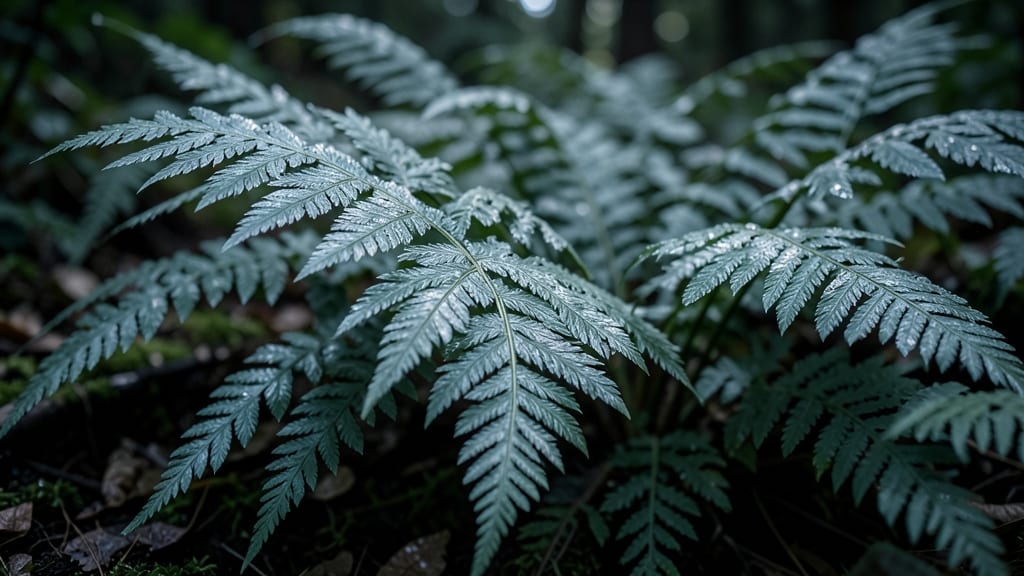
Struggling to keep your shady garden vibrant? These seven shade-tolerant flowers thrive in low-light conditions, delivering stunning blooms from spring through fall with minimal sunlight requirements. Perfect for woodland gardens, north-facing yards, or under trees!
Hostas for Lush Green Foliage
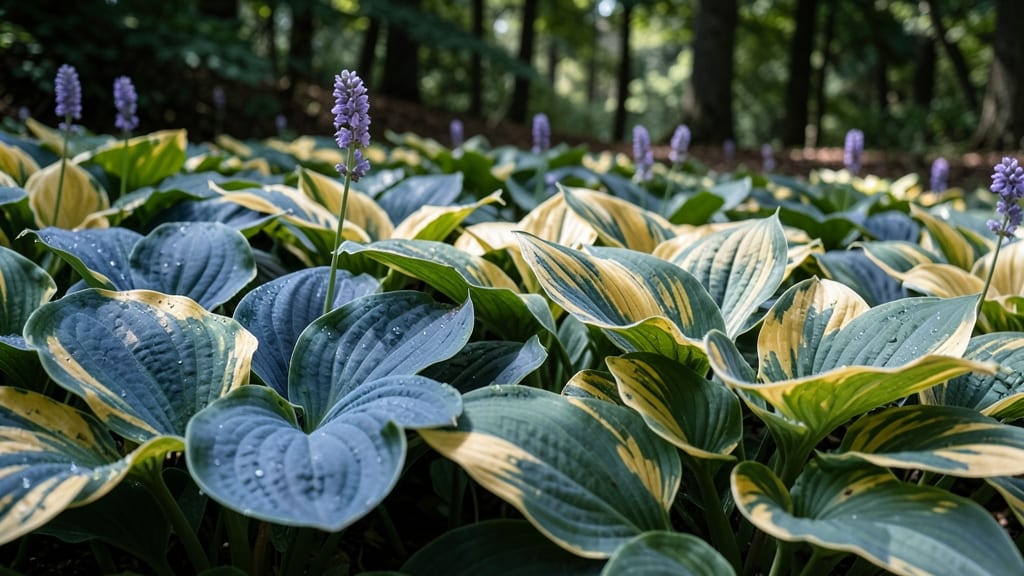
If you love the idea of a low-maintenance garden that still feels lush and alive, hostas are your perfect shade-loving ally. These hardy perennials deliver striking variegated foliage in shades of blue-green, gold, and cream—plus delicate lavender blooms that add unexpected vertical interest. Unlike many shade plants, hostas actually thrive in deep shade, making them ideal for under trees or north-facing beds.
To keep your hostas happy, focus on consistent moisture—they prefer well-draining but damp soil, especially during their first growing season. Mulch heavily in spring to retain moisture and suppress weeds, and fertilize lightly in early spring with a balanced formula. The best part? Hostas attract pollinators like bees and butterflies, turning your shady spot into a mini ecosystem while keeping deer and rabbits away.
Perfect for beginners, hostas offer year-round interest—even after their blooms fade, the bold foliage remains a garden star. Pair them with ferns or hellebores for a no-fuss, high-impact shade garden that requires almost no summer attention. 🌿
Bleeding Heart Blooms in Partial Shade
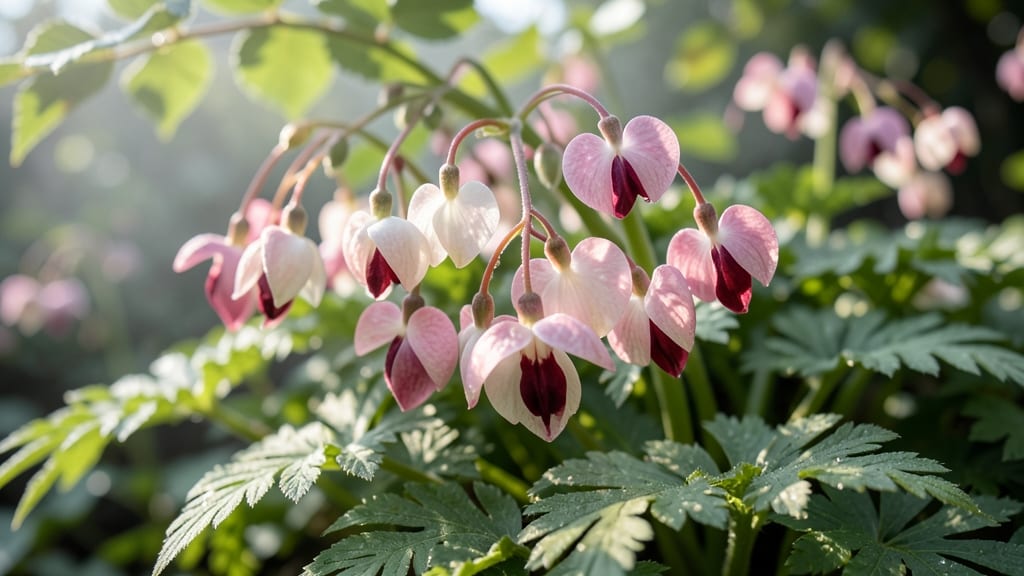
If you crave a garden that feels like a storybook, bleeding heart (Dicentra spectabilis) is your star. This dreamy perennial produces cascading clusters of heart-shaped flowers in soft pink, white, or red, creating a romantic focal point that thrives where others falter—even in partial shade with just 3-6 hours of dappled sunlight daily.
Plant bleeding hearts in well-draining, moist but not soggy soil enriched with compost, and they’ll reward you with blooms from late spring through early summer. After flowering, the foliage turns lush and deep green, providing year-round interest. For best results, divide clumps every 3-4 years to prevent overcrowding and encourage vigorous growth.
Perfect for cottage gardens, woodland edges, or under trees, bleeding heart adds vertical drama while requiring minimal care. Its delicate blooms attract hummingbirds, making it a pollinator-friendly choice that’s as easy to grow as it is beautiful. 🌷
Impatiens for Vibrant Container Gardens
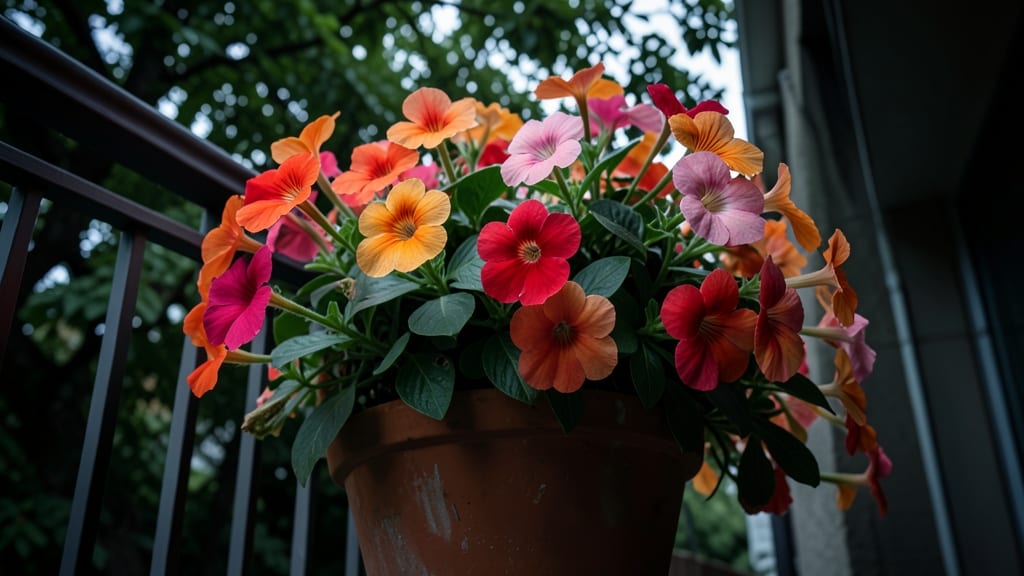
Turn even the darkest balcony into a color explosion with impatiens, the unsung heroes of shade gardening. These annuals burst into bloom from spring until frost, filling containers with vibrant reds, pinks, and oranges that outshine most sun-loving flowers.
Thriving in deep shade where hostas or bleeding hearts might struggle, impatiens need only morning sun or filtered light to produce nonstop blooms. Plant them in well-draining potting mix enriched with compost, and water consistently—these thirsty beauties wilt quickly when dry. For extra impact, mix varieties like 'Super Elfin' (compact) or 'Diamond Falls' (trailing) in hanging baskets or window boxes.
Perfect for urban gardeners with limited space, impatiens transform patios and decks into lush retreats. Just remember: they’re annuals, so replant fresh starts each spring for year after year of effortless color. 🌻
Hellebores for Early Spring Blooms
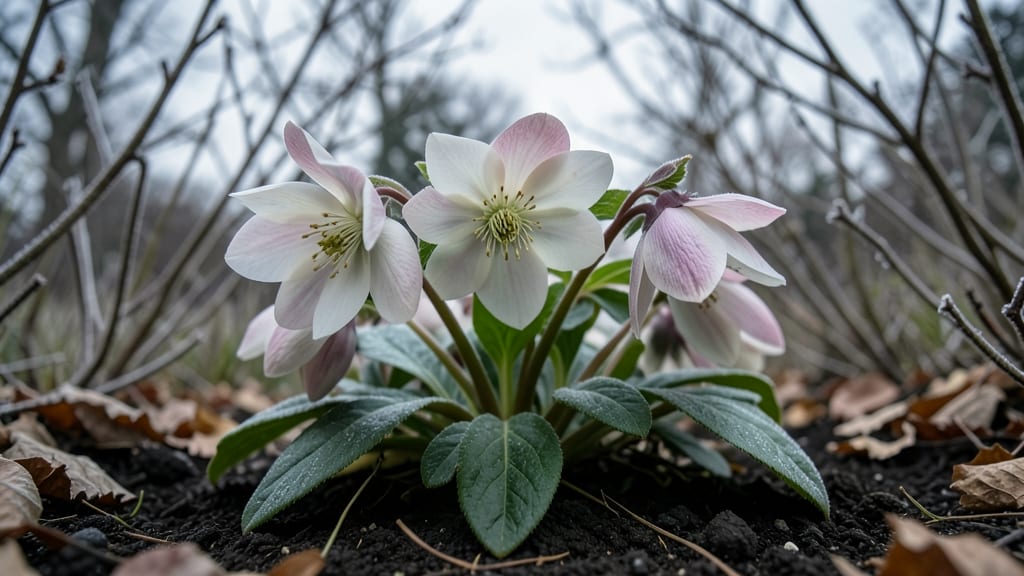
When most gardens are still dormant under winter’s chill, helleborus niger (commonly called Lenten rose) bursts into bloom, offering a cheerful splash of color in full shade. These winter-hardy perennials thrive where other flowers refuse to grow, producing nodding blooms in shades of white, pink, green, or deep purple as early as February—sometimes even through light snow!
Plant hellebores in well-draining, humus-rich soil under trees or along north-facing foundations, where they’ll flourish for decades with minimal care. Their evergreen foliage provides year-round interest, while their late-winter flowers attract early pollinators like bees and butterflies when food sources are scarce. For best results, deadhead spent blooms in early spring to encourage a second flush of flowers.
Perfect for woodland gardens, city courtyards, or under dense canopies, hellebores bring life to shady spots while requiring almost no summer maintenance. Their disease-resistant nature makes them ideal for gardeners who want beauty without the fuss. 🌱
Astilbes for Feather-Like Plumes
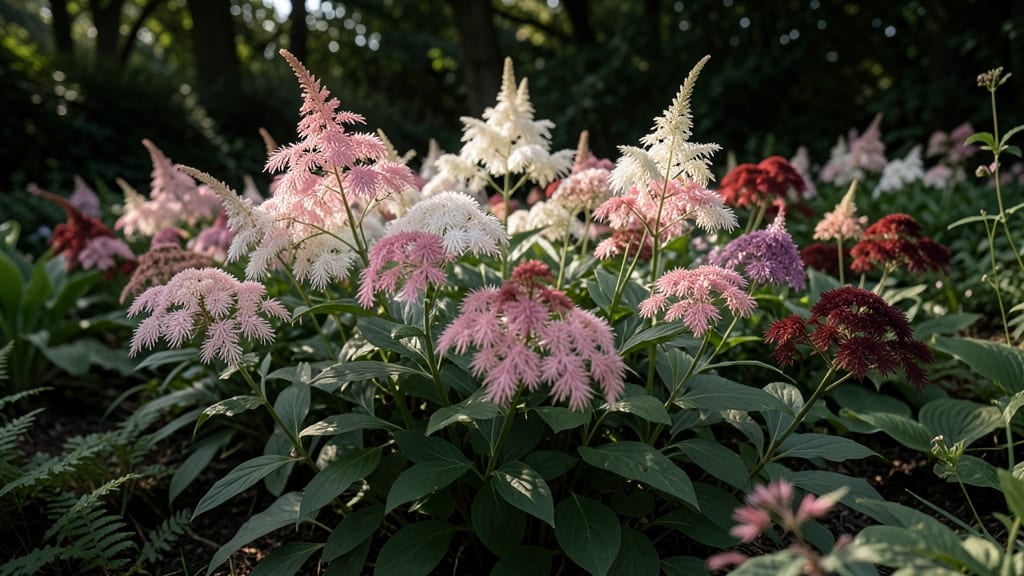
Want to add effortless elegance to your shady garden without sacrificing color? Astilbes are your secret weapon—these delicate perennials produce feathery plumes in soft pinks, whites, and reds that dance in the breeze, thriving where other flowers refuse to grow. Unlike sun-loving bloomers, astilbes flourish in moist, dappled shade, making them perfect for woodland gardens, under trees, or along north-facing borders.
For best results, plant astilbes in well-draining, humus-rich soil and keep it consistently moist (they hate drying out!). Their long-lasting blooms (June through August) make them ideal for cut flowers—simply snip stems and enjoy their airy texture in bouquets for weeks. Deadhead spent plumes to encourage more blooms, and divide clumps every 3-4 years to maintain vigor. Bonus: Their lacy foliage adds texture even after flowering fades.
Urban gardeners and small-space growers will love astilbes—they work beautifully in containers or as border plants, filling gaps with their romantic plumes. Pair them with hostas or ferns for a low-maintenance, high-impact shade garden that feels like a secret retreat. 🌻
Ferns for Textured Green Accents
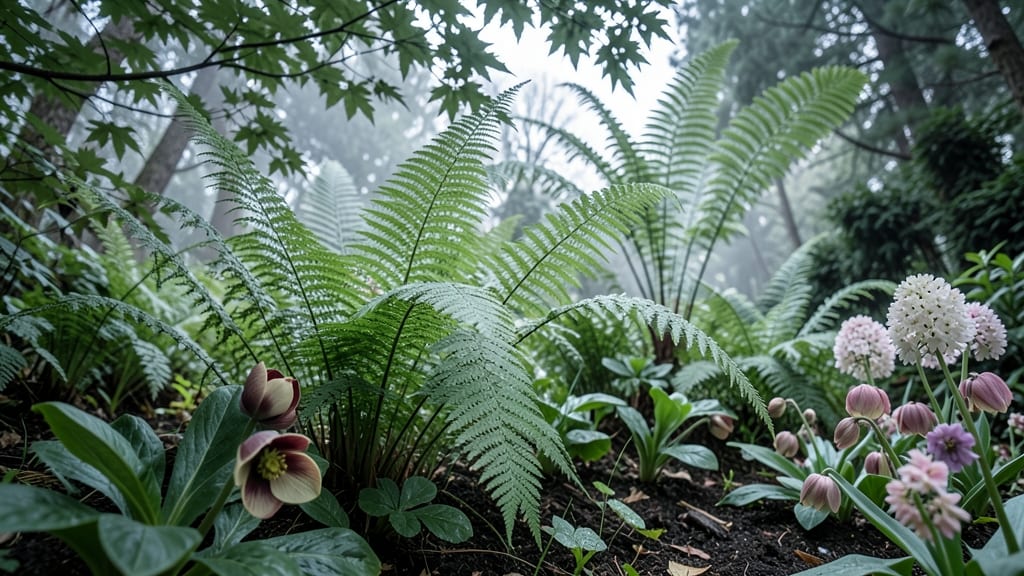
Want to add dramatic texture to your shade garden without relying on flowers? Ferns like maidenhair or ostrich fern deliver lush, architectural greenery that thrives where sunlight is scarce. Their delicate fronds create a tropical vibe, perfect for underplanting bloomers like hellebores or astilbes while requiring almost no maintenance.
Most ferns prefer moist, well-draining soil and dappled shade—think woodland edges or north-facing beds. Water consistently to keep fronds crisp, and mulch to retain humidity. For variety, try Japanese painted ferns with their striking silver-and-green foliage or the feathery matteuccia for height. These plants stay vibrant year-round, even when other shade lovers fade.
Ideal for gardeners who love low-maintenance structure, ferns transform dull corners into lush, layered displays. Pair them with hostas or impatiens for a shade garden that feels both wild and polished. 🌿
Japanese Painted Ferns for Year-Round Interest
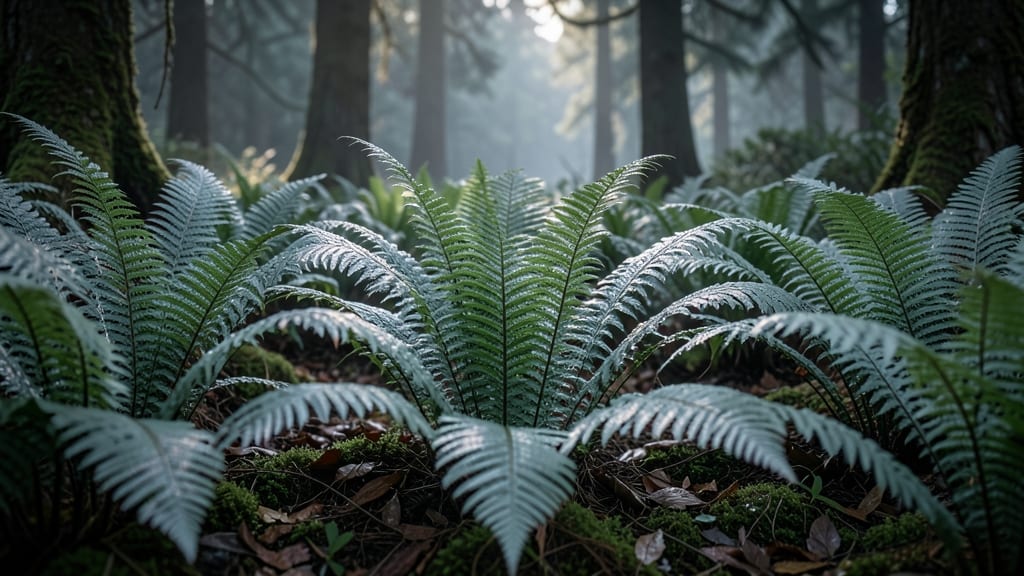
Want a shade garden that stays stunning even when other plants fade? Japanese painted ferns (Athyrium niponicum var. pictum) deliver year-round drama with their silvery-green fronds that shimmer in any light—including full shade. Unlike seasonal bloomers, these ferns keep their architectural beauty through all four seasons, turning dull corners into focal points.
These hardy perennials thrive in moist, well-draining soil and tolerate temperatures from -20°F to 90°F, making them ideal for woodland gardens or understory plantings. Their silvery undersides create a magical effect when backlit, while the deep green tops provide rich contrast. For maximum impact, pair them with hellebores (for early spring blooms) or hostas (for lush foliage) to create a layered, low-maintenance design that requires almost no summer attention.
Perfect for gardeners who love texture over flashy blooms, Japanese painted ferns offer effortless elegance that elevates any shade garden. Their drought tolerance once established makes them a dream for busy gardeners or those with less-than-ideal watering conditions. 🌿