
Orchid Care
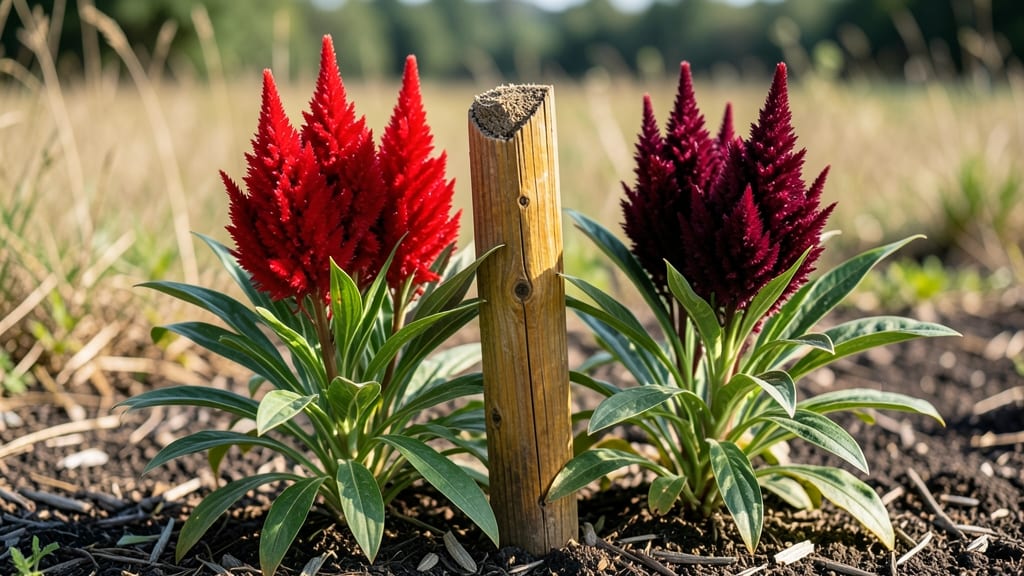
Growing celosia in sun or shade depends on the variety you choose, but the right placement can mean the difference between bold, long-lasting blooms and a sad, leggy plant.
Want vibrant, heat-resistant blooms that thrive in your garden all season long? Celosia’s striking plumes and fiery colors make it a gardener’s dream—but choosing the right variety for sun or shade can make all the difference in your success.
Some celosia types, like ‘Cockscomb’, practically beg for full sun, while others—such as ‘Wheat Head’—handle partial shade with grace. The key is matching the plant to your space, not forcing it into conditions it can’t handle.
In this guide, I’ll break down the best varieties for each setting, share care secrets for nonstop blooms, and help you avoid common mistakes that kill celosia before it even gets started.
 Best Window Placement
Top 5 heat-tolerant celosia varieties for full sun gardens
If you're dreaming of a garden that bursts with color even during scorching summer days, celosia is your perfect partner. These heat-loving annuals thrive under the sun, offering bold plumes in fiery hues that last from mid-summer through fall.
The key to success? Choosing sun-adapted varieties that handle drought and intense heat with ease. I’ve grown these beauties in my own Zone 9 garden, and they’ve never failed to deliver.
Celosia’s natural resilience makes it ideal for low-maintenance gardens, especially in regions where temperatures soar. Unlike shade-loving plants, these varieties don’t wilt—they flourish. Their drought-resistant foliage and long bloom cycles mean fewer deadheads and more continuous color.
Let’s dive into the top 5 heat-tolerant celosia varieties that will transform your sunniest spots into a vibrant oasis.
⚠️ NON-NEGOTIABLE: All these varieties require 6+ hours of direct sunlight daily. Planting them in partial shade will result in leggy growth and poor blooming. Trust me, I’ve tried—and the results were disappointing!
| Variety | Color Range | Height | Bloom Duration | Drought Tolerance |
|---|---|---|---|---|
| 'New Look Flame' | Crimson, orange, yellow | 24-30 inches | July-October | Excellent |
| 'Impala Series' | Magenta, pink, white | 12-18 inches | June-November | Very High |
| 'Cockscomb Mix' | Red, purple, bronze | 18-24 inches | August-Frost | High |
| 'Solar Flare' | Gold, copper, bronze | 15-20 inches | July-September | Excellent |
| 'Dwarf Celosia Mix' | Multi-color (compact) | 6-12 inches | June-October | Very High |
'New Look Flame' is my top pick for bold statement blooms. Its candle-like plumes reach heights of 2-3 feet and burn bright in crimson, orange, and yellow. This variety thrives in intense heat and produces blooms from July through October with minimal care. I’ve seen it survive 100°F+ temperatures in my garden—proof of its drought-resistant roots.
For a softer yet striking look, the 'Impala Series' delivers velvety magenta and pink plumes that resemble feathers. These compact plants (12-18 inches tall) are perfect for border gardens or container plantings. Their long bloom season (June-November) makes them ideal for extended seasonal interest.
The 'Cockscomb Mix' lives up to its name with deep red and purple plumes that resemble a rooster’s comb. This variety is a cut flower favorite due to its durable stems and long vase life.
It handles heat exceptionally well and continues blooming until first frost, making it a workhorse in my garden.
If you love warm metallics, 'Solar Flare' will dazzle you with its gold, copper, and bronze hues. These heat-loving plumes thrive in full sun and produce continuous blooms from July to September. Their compact size (15-20 inches) makes them perfect for mixed borders or patio containers.
Last but not least, 'Dwarf Celosia Mix' is ideal for small spaces or edging. These 6-12 inch wonders pack a punch with multi-color plumes that bloom from June to October. Their shorter stature makes them low-maintenance and drought-tolerant, perfect for rock gardens or window boxes.
All these varieties share one common trait: they thrive in full sun and require minimal watering once established. My best tip? Mulch heavily to retain moisture and prune spent blooms to encourage longer flowering. With these heat-tolerant celosias, your garden will stay vibrant and lively all season long.
🌻
Shade-friendly celosia varieties: how to grow them successfully
Not all celosia varieties demand full sun to shine. While 'Cockscomb' and 'Wheat' types dominate sunny spots, some shade-tolerant celosia varieties thrive with just 3-4 hours of light daily.
These partial-shade champions like 'Celosia argentea' and 'New Look' series produce stunning velvet plumes without scorching—perfect for woodland gardens or container displays under trees.
Growing celosia in low-light areas requires moisture retention and nutrient-rich soil. Unlike their sun-loving cousins, shade celosia need consistent hydration to prevent wilting and leaf drop. Amending soil with compost or peat moss improves drainage while holding moisture, while mulching with pine straw keeps roots cool and hydrated.
Here’s how shade celosia compares to sun varieties in key growing factors:
Shade vs. Sun Celosia: Key Differences
- Light Needs: 3-4 hrs/day
- Watering: Daily in dry shade
- Soil: Moist, well-draining
- Height: 12-24 inches
- Bloom Time: Mid-summer to frost
- Light Needs: 6+ hrs/day
- Watering: Every 2-3 days
- Soil: Dry, fast-draining
- Height: 18-36 inches
- Bloom Time: Late summer to fall
For optimal shade growth, choose 'Celosia cristata' varieties like 'Merlot' or 'Black Forest', which boast deep burgundy and charcoal plumes even in dappled sunlight. These types benefit from light fertilizing every 4-6 weeks with a balanced 10-10-10 blend to encourage vibrant blooms without excessive foliage.
Companion planting boosts shade celosia’s performance. Ferns and astilbes provide humidity and microclimate protection, while low-growing thyme deters pests. Avoid pairing with competitive roots like rhubarb, which steals moisture and nutrients.
Prune spent blooms regularly to redirect energy into new growth. In partial shade, celosia may produce fewer plumes but with longer vase life—ideal for cut-flower arrangements. Deadhead weekly to extend the blooming season until first frost.
With the right shade-friendly variety and care adjustments, your low-light garden can burst with celosia’s fiery hues—no scorching sun required. 🌿