
Orchid Care
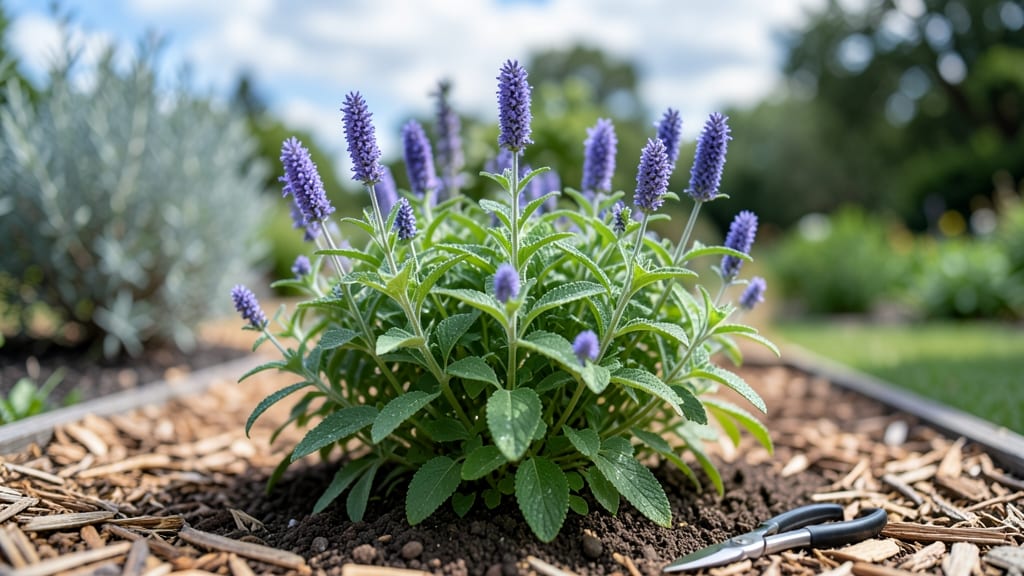
Catmint thrives in sun or shade 🌸, but the right variety and care make all the difference for year-round blooms that keep your garden vibrant.
If you’ve ever watched other perennials fade in summer heat or struggle to bloom in shady spots, you know how frustrating it can be. Catmint, however, is one of the few plants that adapts beautifully to both conditions—if you pick the right type and adjust your approach.
Sun-loving varieties like 'Walker’s Low' burst with color when planted in full sun, while shade-tolerant types such as 'Purpurascens' thrive in dappled light. The secret lies in understanding their needs: soil, water, and even pruning all shift depending on whether your catmint is basking or hiding.
In this guide, I’ll walk you through the best catmint types for each light condition, how to tweak your care routine for maximum blooms, and the simple tricks to keep your plants happy all season long.
 Best Window Placement
Best catmint varieties for full sun exposure and their growing requirements
If you're dreaming of a sun-drenched garden bursting with fragrant purple blooms, catmint is your perfect partner. These sun-loving varieties not only thrive under 6+ hours of direct sunlight but also reward you with long-lasting flowers from early summer to fall.
The key? Choosing the right variety and meeting their specific needs for soil, water, and heat tolerance.
My top recommendation for full-sun catmint is 'Walker’s Low', a Perennial Plant Association winner known for its prolonged blooming and drought resistance. This variety handles intense afternoon sun better than most, making it ideal for southern exposures or dry climates.
Pair it with 'Kew Red' for a striking crimson contrast that still loves the heat.
Before planting, test your soil drainage—catmint hates soggy roots. Amend clay-heavy soil with compost or sand to create a well-draining environment. A slightly alkaline pH (6.5-7.5) works best, though catmint is forgiving. For containers, use a fast-draining mix with perlite or orchid bark.
Watering sun-loving catmint requires balance. Deep watering once weekly encourages root depth, while shallow frequent watering leads to weak stems. In peak summer heat, mulch with 2-3 inches of straw to retain moisture and cool roots.
Avoid overhead watering to prevent powdery mildew—a common issue in hot, humid climates.
🌱
| Variety | Sun Tolerance | Bloom Duration | Height (ft) | Heat Stress Tips |
|---|---|---|---|---|
| Walker’s Low | Full sun (6+ hrs) | June–October | 2–3 ft | Mulch heavily; water at soil level |
| Kew Red | Full sun (6+ hrs) | July–September | 1.5–2 ft | Prune back by 1/3 in late spring |
| Six Hills Giant | Full sun to partial shade | June–October | 3–4 ft | Stake tall stems; avoid afternoon watering |
| White Nymph | Full sun (6+ hrs) | July–September | 2–2.5 ft | Use reflective mulch (white gravel) |
| Purpurascens | Partial sun (4–6 hrs) | June–August | 1–2 ft | Provide afternoon shade in Zone 8+ |
To prevent heat stress, I recommend late afternoon shade in Zone 8 and hotter. Use lightweight shade cloth (30%) or plant near tall perennials that cast dappled shade. For containers, move pots to partial shade during peak heat (12–3 PM).
Fertilizing sun-loving catmint should be light and infrequent. Over-fertilizing leads to leafy growth at the expense of flowers. Use a balanced 10-10-10 fertilizer in early spring and mid-summer, applying just 1 tablespoon per plant. Organic options like fish emulsion or compost tea work well too.
Deadheading spent blooms extends the flowering season by encouraging new growth. Snip off faded flower spikes with clean pruners and wear gloves—catmint leaves can irritate skin. For taller varieties like Six Hills Giant, a light pruning in late spring keeps stems compact and strong.
Pests are rarely an issue, but watch for aphids or spider mites in dry, hot conditions. Blast off pests with a strong spray of water or use neem oil as a preventative. If powdery mildew appears, improve air circulation and reduce overhead watering immediately.
For maximum impact, plant catmint in groups of 3–5 with complementary perennials like lavender or Russian sage. These drought-tolerant companions create a low-maintenance, pollinator-friendly
Top shade-tolerant catmint types and how to create the perfect low-light environment
If your garden has shady spots where other plants struggle, catmint can still shine—especially with the right varieties. Shade-tolerant catmint like 'Blue Spires' and 'Purpurascens' thrive with less light, though they’ll need some adjustments to their care routine.
The key is understanding how to optimize low-light conditions while avoiding common mistakes that stunt growth or reduce blooms.
Unlike sun-loving varieties, shade catmint grows slower and produces fewer flowers unless you tweak your approach. Start by choosing the right shade-adapted varieties and then focus on soil health, mulching, and strategic placement to compensate for limited sunlight.
Even with these adjustments, you’ll still see stunning lavender-blue blooms that last longer than you’d expect in shady corners.
⚠️ Shade Catmint Pitfalls
Don’t assume all catmint varieties adapt equally to shade. Overwatering is the #1 mistake—shady soil stays damp longer, leading to root rot. Another common error? Skipping mulch, which keeps roots cool and retains moisture. Leggy growth (tall, sparse stems) often means the plant isn’t getting enough light or nutrients. Adjust by moving to a slightly sunnier spot or adding balanced fertilizer in early spring.
For partial shade gardens (3–6 hours of sunlight), 'Blue Spires' is my top pick—it tolerates dappled light better than most catmint varieties. Plant it near a reflective surface, like a light-colored wall or patio, to bounce extra light onto the foliage.
If your space gets deep shade (less than 3 hours of light), opt for 'Purpurascens', which has darker foliage that absorbs what little light is available.
To boost blooms in shade, focus on well-draining soil mixed with compost—this mimics the nutrient-rich conditions catmint prefers. Add a 2-inch layer of mulch (like shredded bark or straw) to insulate roots and reduce moisture loss.
In containers, use a fast-draining potting mix with perlite to prevent soggy roots, which thrive in shade but hate waterlogged soil.
Adjust your watering schedule too—shade catmint needs less frequent watering than sun varieties. Water deeply once a week (or when the top inch of soil is dry) and avoid overhead watering to prevent fungal issues.
In hot, humid shade, increase airflow by spacing plants 12–18 inches apart and pruning back overcrowded stems to reduce disease risk.
Finally, don’t expect the same abundant blooms as sun-grown catmint, but you’ll still get months of color with the right care. Deadhead spent flowers in early summer to encourage reblooming, and fertilize lightly with a low-nitrogen formula (like 5-10-10) in spring and mid-summer.
With these tweaks, your shade catmint will reward you with fragrant, long-lasting blooms—even in the trickiest spots.