
Light Requirements
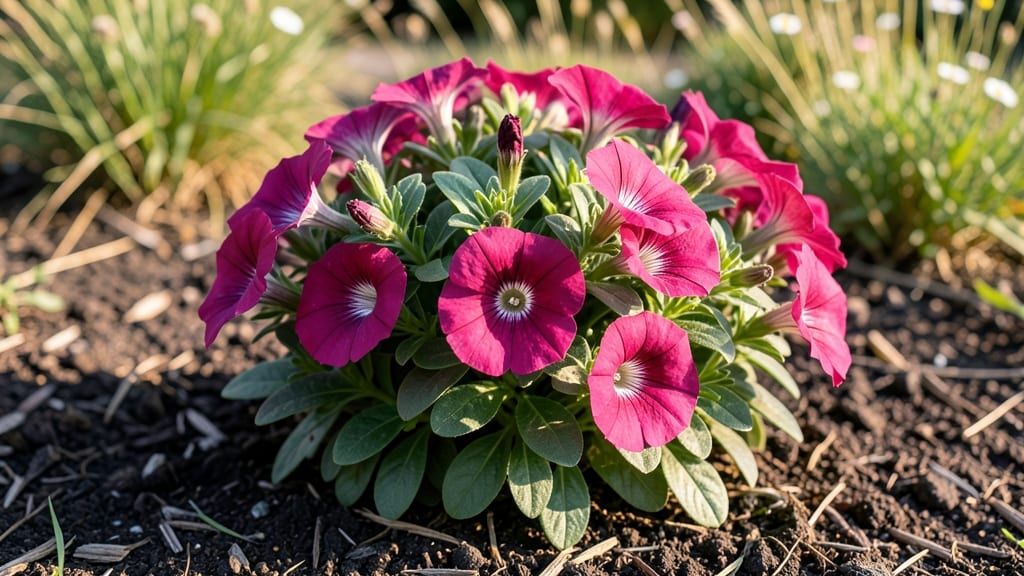
Petunias thrive in full sun, needing at least 6 hours of direct light daily to produce their vibrant blooms 🌸 — but too much shade can turn those show-stopping flowers into a sad, sparse display.
Struggling to keep your petunias blooming as vibrantly as you’d hoped? The answer often lies in their light needs. Too little sun, and you’ll end up with leggy stems and few flowers.
Too much, and the leaves can scorch. Finding the right balance is the key to keeping your petunias happy and flourishing.
In Zone 6a, where spring planting kicks off in April, petunias planted in partial shade might survive but won’t thrive. Meanwhile, those basking in full sun will reward you with continuous blooms from June through September.
The trick is knowing how to adjust care based on your local climate and the time of year.
Below, I’ll break down exactly how much sun petunias need, how to spot signs of light stress, and what to do if your garden’s sunlight conditions aren’t quite right. You’ll also discover how to pair them with other plants for the perfect sun-loving display.
 Best Window Placement
Optimal sunlight requirements for petunias to thrive and bloom
Petunias are sun worshippers at heart—they crave bright, direct sunlight to produce their iconic blooms.
But not all petunias are created equal when it comes to light. Grandiflora varieties need 6-8 hours of full sun daily, while multiflora and milliflora types can tolerate 4-6 hours of sun with afternoon shade in hot climates.
Getting this balance right ensures vibrant flowers and sturdy stems instead of floppy, sparse growth.
If you’ve ever wondered “do petunias need sun or shade?”, the answer depends on your specific variety and climate. Too little light leads to leggy stems and few blooms, while too much can scorch delicate petals.
Understanding seasonal shifts—like shorter winter days or intense summer sun—helps you adjust care for year-round success.
Comparison Table: Sunlight Needs by Petunia Type
Grandiflora petunias are the sun-seekers of the group, demanding 6-8 hours of direct sunlight to produce their large, dramatic blooms. These varieties often flop or produce fewer flowers if deprived of light. Plant them in south-facing beds or containers where they’ll receive unfiltered sun from morning to early afternoon.
Multiflora and milliflora types are more adaptable to partial shade, making them ideal for container gardens or areas with 4-6 hours of morning sun. Milliflora, in particular, thrives in dappled shade, producing clusters of tiny flowers even under tree canopies.
This flexibility makes them perfect for shadier patios or woodland gardens.
Seasonal changes can drastically alter your petunias’ light needs. In summer’s intense heat, afternoon shade becomes crucial to prevent leaf scorch. Use lightweight shade cloth (30-50%) or position plants where they’ll receive morning sun and afternoon shade.
Conversely, winter’s shorter days may require supplementing light with grow lamps if you’re overwintering petunias indoors.
Watch for telltale signs of light stress. Yellowing leaves or stretched, weak stems signal insufficient sunlight, while crispy edges or bleached petals mean too much direct sun. Adjust care by moving plants to a sunnier spot or providing afternoon shade with a sheer curtain or lattice.
For container gardeners, mobility is your best friend. Rotate pots weekly to ensure even sun exposure, and choose light-colored containers to reflect excess heat. In ground beds, mulch with organic matter to retain moisture and regulate soil temperature, especially in hot, dry climates.
Pair petunias with complementary sun-loving plants like salvias, zinnias, or marigolds to create a thriving full-sun garden. For shadier spots, combine them with impatiens or fuchsias to bridge the light gap. This layered approach ensures your garden stays vibrant year-round, regardless of sunlight fluctuations.
Remember, petunias reward proper light with prolonged blooming and lush foliage. With the right balance of sun and shade, you’ll transform your garden into a non-stop floral display that turns heads from spring to fall. 🌸☀️
How to provide the right light for petunias in different climates
Petunias thrive in full sun, but their light needs shift dramatically depending on your climate zone and seasonal changes. In hot, dry regions like the Southwest, afternoon shade becomes essential to prevent scorching, while cool, mild climates like the Pacific Northwest may require supplemental light to keep blooms vibrant.
Even humid climates demand careful light management to avoid fungal issues from excess moisture combined with intense sun.
The key is balancing direct sunlight with protective shade—especially during peak heat.
For example, in Zone 9 or 10, petunias planted in full sun without afternoon shade will wilt by midday, while in Zone 5 or 6, they may need morning sun and afternoon shade to avoid cold snaps damaging tender foliage.
Let’s break down how to adapt their light exposure for your specific growing conditions.
- Hot/Dry Climates (Zones 7-11)
- Solution: Use 30-50% shade cloth during 12 PM–4 PM to block intense afternoon sun.
- Tip: Plant near trees with dappled shade (e.g., oak or maple) for natural filtration.
- Cool/Mild Climates (Zones 3-6)
- Solution: Provide 6+ hours of morning sun and partial afternoon shade to extend the growing season.
- Tip: Use reflective surfaces (e.g., white walls or mulch) to maximize light in shady spots.
- Humid Climates (Zones 7-9)
- Solution: Elevate containers or use raised beds to improve airflow and reduce fungal risks from damp shade.
- Tip: Avoid dense shade—opt for filtered light (e.g., sheer curtains or lattice screens).
- Low-Light Areas
- Solution: Choose compact varieties (e.g., milliflora) and supplement with grow lights (12–14 hours/day) for indoor overwintering.
- Tip: Rotate containers weekly to ensure even light exposure on all sides.
For seasonal transitions, adjust light exposure gradually. In spring, harden off petunias by moving them outdoors for 2–3 hours daily, increasing time by 1 hour every 2 days.
In fall, bring potted petunias indoors near a south-facing window or under LED grow lights to maintain blooms until the first frost. Even a simple clip-on grow light can extend their season by 4–6 weeks.
Container gardening offers the most flexibility for adjusting light. Use lightweight pots with wheels to reposition petunias as the sun shifts throughout the day. For example, move containers east in the morning for gentle light and west in the afternoon to avoid harsh rays.
Pair petunias with taller, sun-loving companions like salvias or snapdragons to create natural shade for their lower leaves.
Remember, petunias are opportunistic bloomers—they’ll adapt to partial shade but may produce fewer flowers. If you notice leggy stems or pale leaves, it’s a sign they need more light.
Conversely, crispy edges or sunburned spots mean they’re getting too much. With these adjustments, your petunias will reward you with continuous blooms all season, no matter your climate.