
Blooming
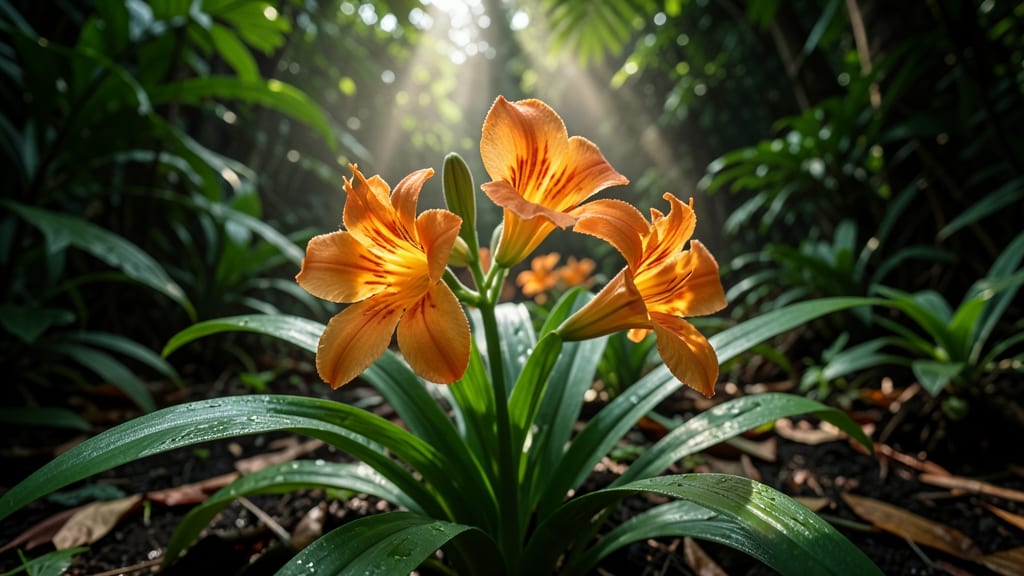
Transform your shady garden into a vibrant summer paradise with these 10 low-maintenance perennials that bloom beautifully in dappled light. Perfect for gardeners seeking effortless color without sacrificing plant health.
Hostas with Lavender Blooms
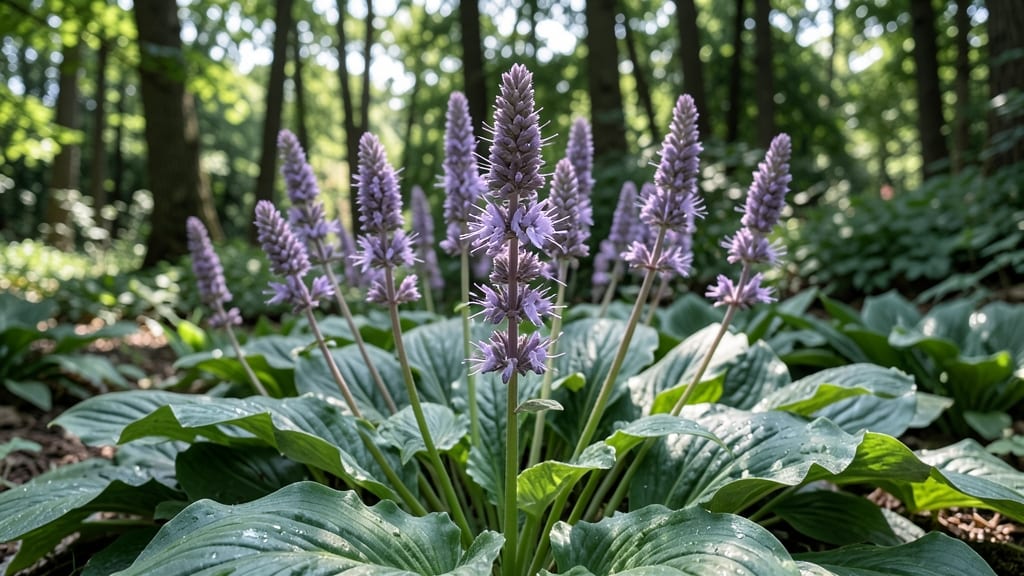
If you adore the lush foliage of hostas but crave summer blooms, you’ll love the new varieties with lavender flower spikes. These hybrids combine the classic shade-loving foliage with easy-care blooms that appear in mid-to-late summer, adding unexpected height and color to your garden.
Most lavender-blooming hostas thrive in partial to full shade and prefer well-draining, moist soil. Varieties like ‘Halcyon’ and ‘Royal Standard’ produce tall, airy flower stalks that contrast beautifully with their broad leaves. Deadhead spent blooms to encourage more flowers, but otherwise, these plants require minimal maintenance—just consistent moisture and occasional division every few years.
Perfect for gardeners who want year-round interest without the fuss, these hostas brighten up shady corners while keeping slugs at bay (their thick leaves are less appealing than traditional hostas). Add them to borders, woodland gardens, or containers for a pop of color. 🌿
Astilbe with Feathery Pink Plumes
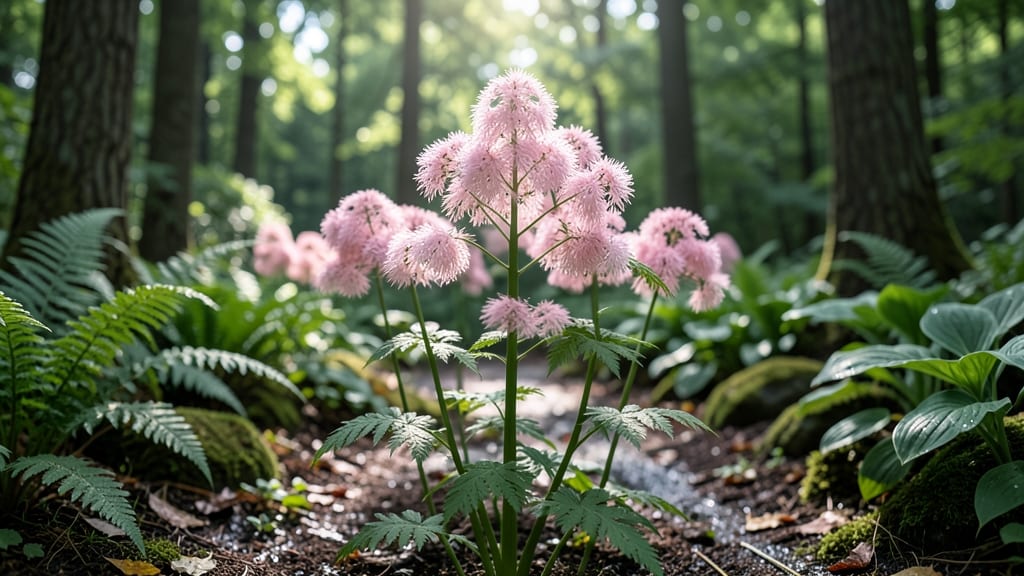
If you’ve ever struggled to find plants that bring life to shady corners, astilbe is your answer. These feathery pink plumes create dreamy, cloud-like clusters that dance in the breeze, making them ideal for woodland gardens or spots under tall trees where sunlight barely reaches.
Thriving in moist, well-draining soil, astilbe loves consistent humidity—think of it as the perfect plant for rain gardens or areas with afternoon shade. Deadhead spent blooms to encourage more flowers, and mulch around the base to retain moisture. With heights ranging from 1 to 3 feet, they add vertical interest without overwhelming smaller plants.
Gardeners with humid climates or those looking to mimic a forest’s natural beauty will adore astilbe’s effortless elegance. It’s also deer-resistant, making it a practical choice for rural or suburban shade gardens. 🌟
Bleeding Heart Plant
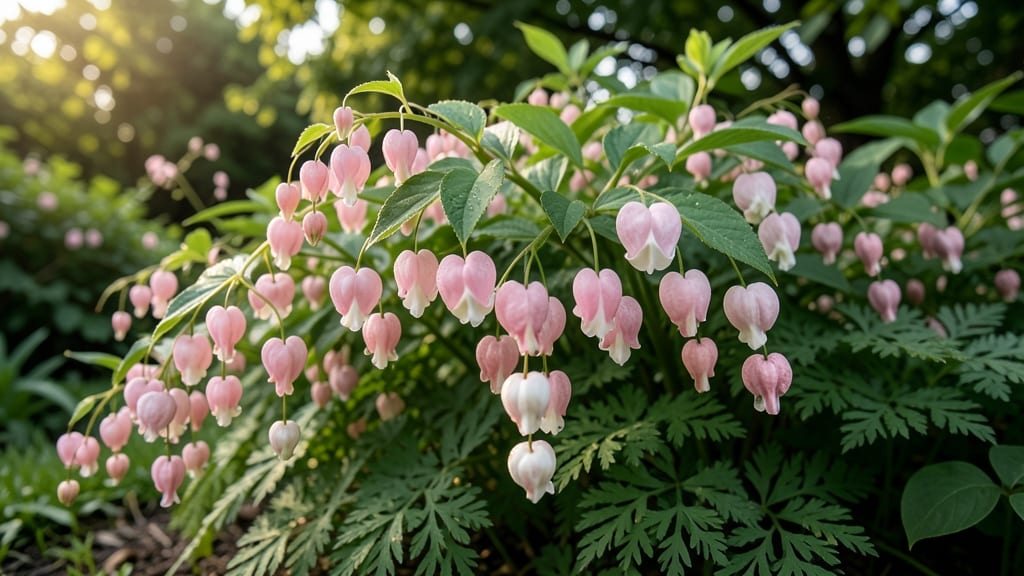
Craving a touch of romance in your shady garden? The bleeding heart plant (Dicentra spectabilis) delivers cascading clusters of heart-shaped flowers that seem to dance in the breeze—ideal for cottage gardens or as a dreamy focal point in shaded borders.
This summer-blooming perennial thrives in partial shade (3–6 hours of sun) and moist, well-draining soil. Plant it in early spring or fall, spacing stems 18–24 inches apart to allow its arching habit to shine. Deadhead spent blooms to encourage a second flush, and mulch to retain moisture—critical for its lush foliage. Varieties like 'Alba' (white) or 'Valentine' (deep pink) add soft contrast to dark-leaved companions.
Perfect for gardeners who love whimsical charm, bleeding heart plants pair beautifully with ferns and hostas. Their late spring to early summer blooms create a magical transition into warmer months. 🌷
Hellebore with Nodding White Flowers
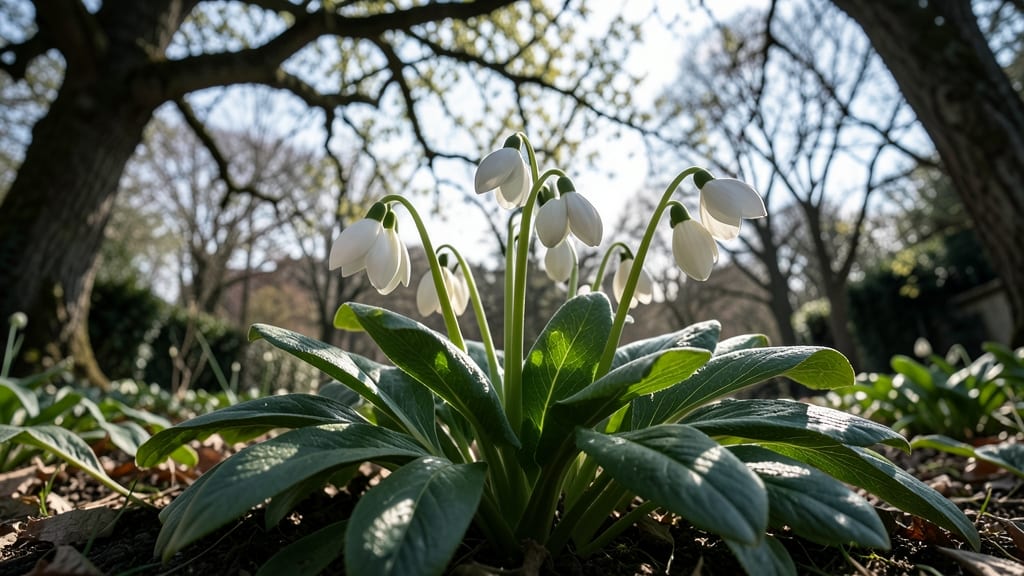
If you crave color when most gardens are still dormant, hellebores deliver with their nodding white flowers that bloom from late winter through spring. This hardy perennial thrives in summer shade, making it a year-round workhorse for challenging spots under trees or along north-facing walls.
Plant hellebores in well-draining, slightly acidic soil with morning sun or dappled shade—they reward patience with long-lasting blooms that deer and rabbits often avoid. After their spring show, their leathery foliage stays attractive through summer, providing lush green ground cover even when other plants struggle.
Perfect for beginner gardeners or busy urban spaces, hellebores prove that shade gardens don’t have to be boring. Their resilience and early blooms make them a must-have for any low-maintenance collection. 💚
Japanese Painted Fern
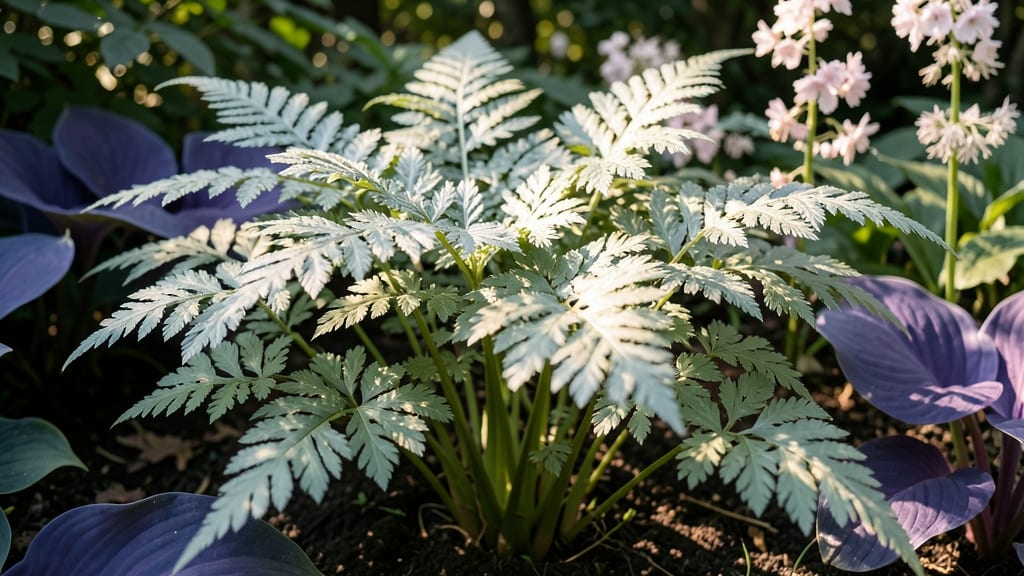
If you crave texture and contrast in your shady garden but want to skip the fuss of flowers, the Japanese Painted Fern delivers year-round drama with its silver-green foliage. This architectural star thrives where others fade, making it the perfect foil for bold-leaved hostas or delicate astilbes.
This low-maintenance perennial thrives in partial to full shade, tolerating moist but well-drained soil—ideal for woodland gardens or under tree canopies. Its fronds unfurl in striking silver before maturing to deep green, creating a dynamic visual shift. For best results, mulch annually to retain moisture and prevent weeds, while occasional division every 3-4 years keeps clumps vigorous.
Gardeners who adore foliage-focused designs will love how this fern elevates shady spots with year-round interest, requiring zero summer blooms to steal the show. 🌿
Coral Bells with Purple Flowers
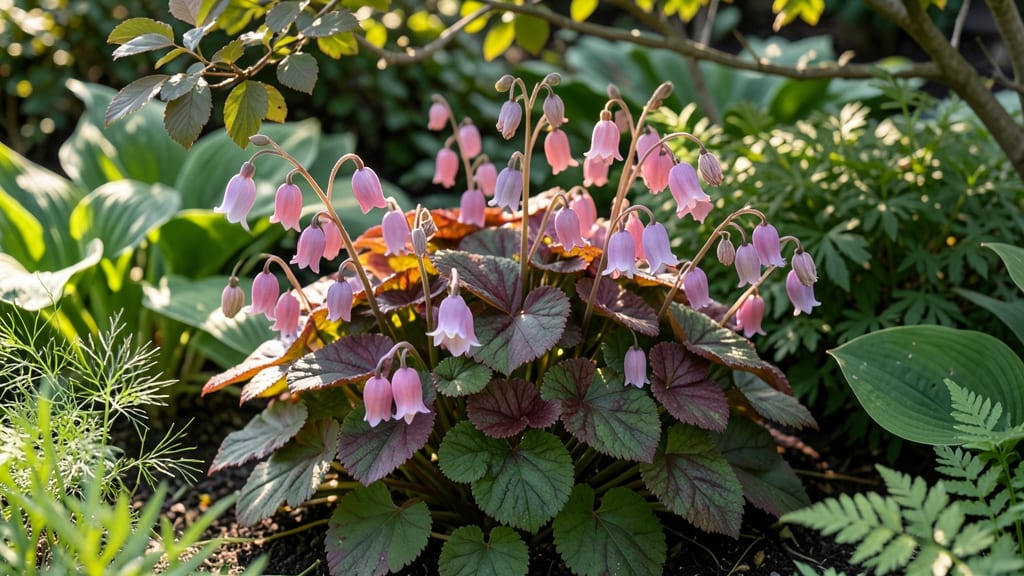
Tired of shade plants that offer foliage but no summer color? Meet coral bells (Heuchera), the compact powerhouse with vibrant purple blooms that last from late spring through summer. Unlike their foliage-focused cousins, these perennials deliver long-lasting flowers in shades of pink, white, or deep purple—perfect for brightening shady spots without demanding full sun.
Coral bells thrive in partial to full shade and adapt to containers or garden beds with ease. Their clumping habit makes them ideal for borders, while their delicate flowers attract pollinators. For best results, plant in well-draining soil and water consistently—once established, they’re remarkably drought-tolerant. Varieties like 'Berry Smoothie' or 'Plum Pudding' offer deep purple blooms that contrast beautifully with their silver or green foliage.
Urban gardeners and balcony planters will love how coral bells fit into small spaces, while cottage gardeners can use them to create colorful drifts. Their minimal care requirements make them a top pick for busy gardeners who still want summer blooms. 🌻
Lungwort with Spotted Leaves
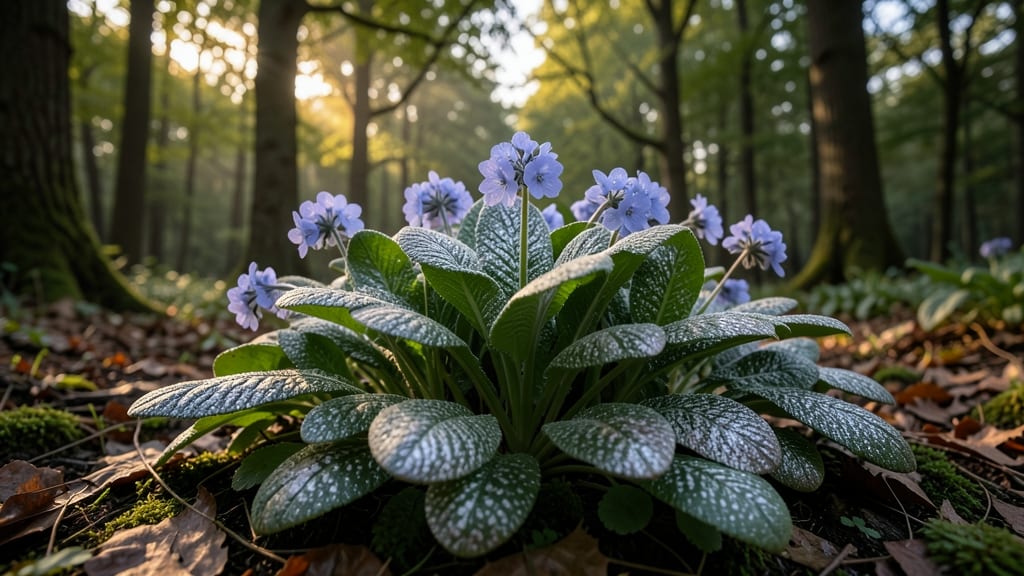
Looking for a shade-loving perennial that doubles as a striking conversation piece? Lungwort (Pulmonaria spp.) delivers with its silver-spotted foliage and delicate blue flowers, creating a unique focal point in woodland gardens or under tree canopies.
This hardy plant thrives in partial to full shade and prefers moist, well-draining soil—ideal for areas where other plants struggle. Its spring blooms (in shades of blue, pink, or purple) contrast beautifully with the spotted leaves, which persist through summer. Lungwort also has a medicinal history, traditionally used for respiratory health, adding an extra layer of interest for herbal gardeners.
Perfect for gardeners who love textural foliage with a touch of whimsy, lungwort pairs well with ferns and hostas. Its low-maintenance nature and deer resistance make it a practical yet enchanting addition to any shaded garden. 💚
Foxglove with Tall Purple Spikes
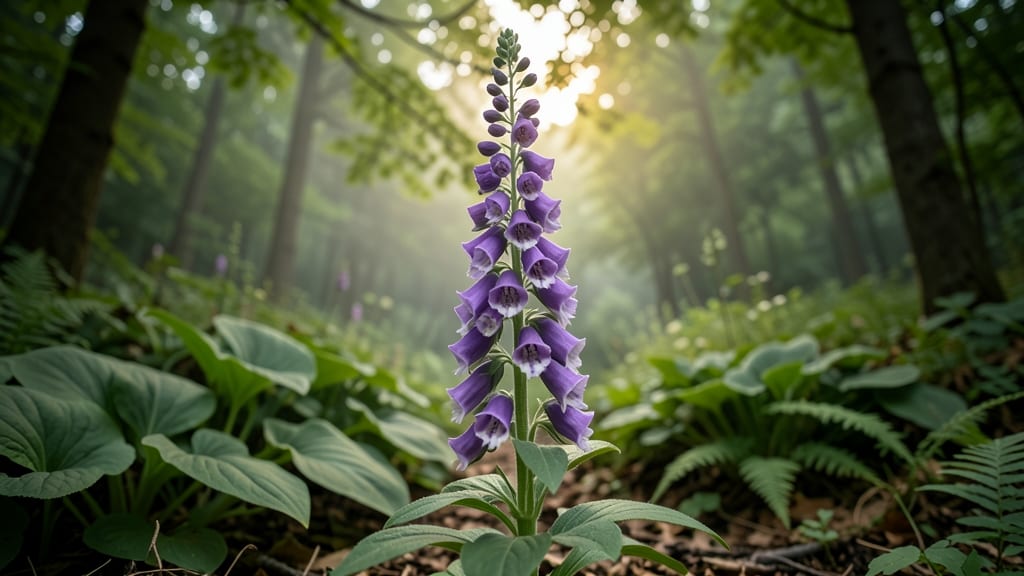
Want to add dramatic height and fairy-tale charm to your shady garden without the fuss of annuals? Foxglove (Digitalis purpurea) delivers towering purple flower spikes that create instant vertical interest in woodland edges or dappled shade borders.
This self-seeding biennial thrives in partial to full shade and moist, well-draining soil—ideal for spots where other plants struggle. Plant seeds in early fall or spring, and watch them establish roots before producing striking 3-5 foot spikes in their second year. Deadhead spent blooms to prevent self-seeding where you don’t want it, but embrace the process in wild garden areas. Varieties like 'Pam's Choice' offer compact growth, while 'Giant Candelabra' reaches impressive heights.
Perfect for gardeners who love whimsical, low-maintenance plants, foxglove attracts hummingbirds and adds a storybook quality to shady spots. Just be mindful of its mild toxicity—keep it away from pets and children. 🌷
Sweet Woodruff with Star-Shaped Flowers
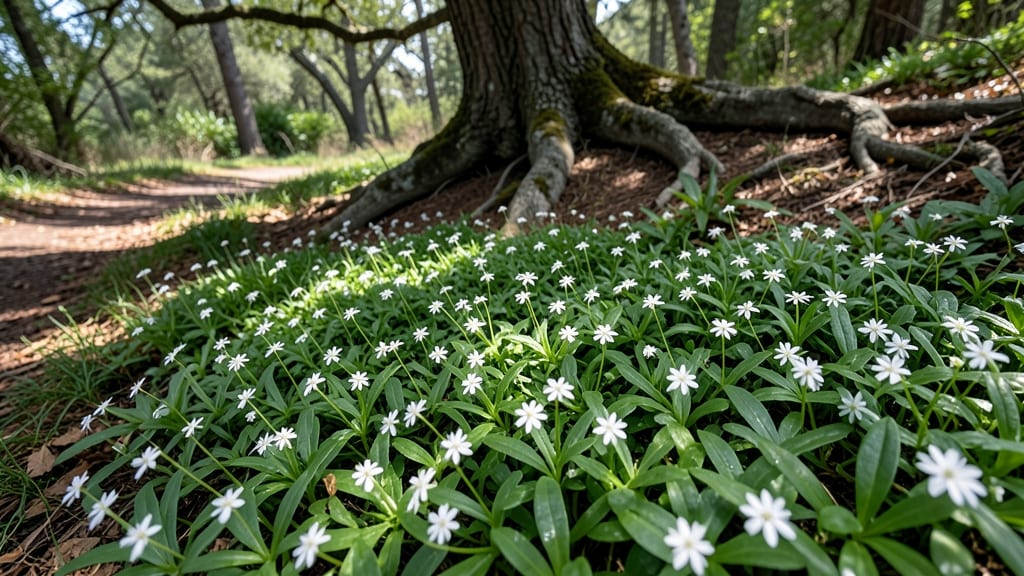
Tired of barren patches under trees or along shady pathways? Sweet woodruff transforms these forgotten spots into fragrant, living carpets with its delicate white star-shaped flowers and lush green foliage. This hardy perennial thrives where most plants struggle, making it the ultimate solution for deep shade gardens.
Plant sweet woodruff in full to deep shade where it spreads gracefully to form a dense mat, suppressing weeds naturally. Its vanilla-like scent intensifies when crushed, adding a sensory delight to garden paths. Water moderately—it tolerates dry spells once established—and divide clumps every 3-4 years to maintain vigor. Perfect for understory plantings, it pairs beautifully with ferns and hostas.
Urban gardeners and woodland enthusiasts will love how this low-fuss perennial brightens shady corners with minimal effort. Its late spring to early summer blooms create a serene, fragrant transition into warmer months. 🌿
Toad Lily with Unique Orange Blooms

Want to transport your shade garden to a tropical paradise without the humidity? The toad lily (Tricyrtis hirta) brings bold orange trumpet-shaped blooms that glow like lanterns in dappled shade, making it the ultimate statement plant for woodland gardens or moist corners.
This exotic perennial thrives in moist, well-draining soil and partial to full shade, producing its striking flowers in late summer to early fall when many shade plants have faded. Its dark green, strap-like leaves create a dramatic contrast with the fiery blooms, while its spreading habit (18–24 inches wide) makes it perfect for borders or mass plantings. Deadhead spent flowers to encourage more blooms, but otherwise, it’s nearly maintenance-free—just keep the soil consistently moist.
Ideal for gardeners who love unexpected pops of color in shady spots, toad lilies pair beautifully with ferns and hostas while attracting hummingbirds. Their late-season blooms extend your garden’s season, proving that shade doesn’t mean sacrificing drama. ✨