
Light Requirements
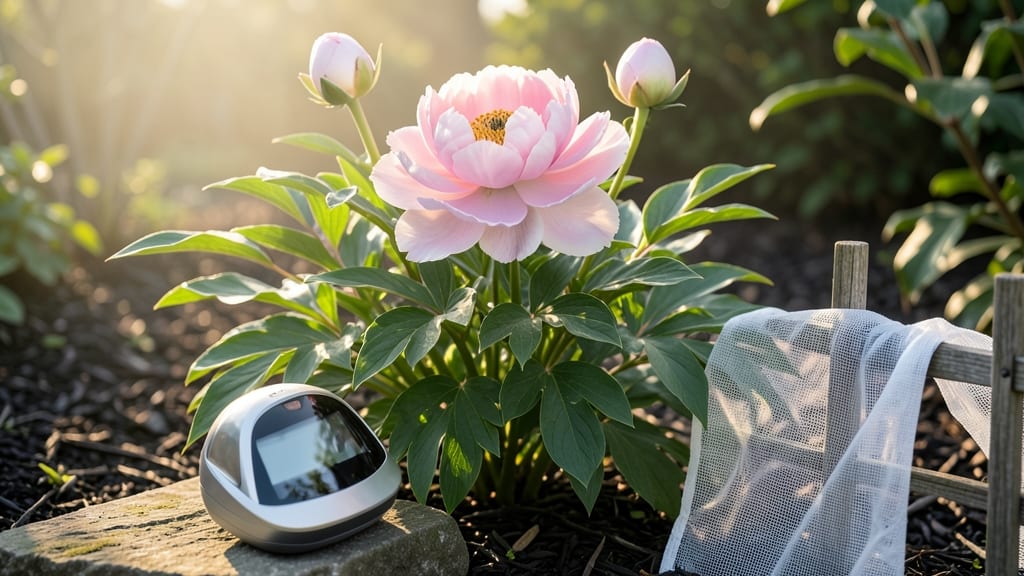
Wondering do peonies need sun or shade? They thrive best in full sun, but they can tolerate partial shade—especially in hotter climates.
You’ve probably heard that peonies need sun, but what if your yard is mostly shady? Or if the summer heat feels like a sauna? The truth is, these stunning perennials are more flexible than you think—but only up to a point.
Too little light means fewer blooms, while too much shade can weaken stems and reduce fragrance. The key is finding that sweet spot where your peonies get enough sunlight to flourish without wilting in the heat.
In this guide, I’ll break down exactly how much sun peonies need, how to adjust for your climate, and the best ways to position them for peak performance—so you can enjoy those lush, fragrant blooms year after year.
 Best Window Placement
How much sun do peonies actually need for healthy growth?
Peonies are famously low-maintenance perennials, but their sunlight needs are non-negotiable for those show-stopping blooms. While they can tolerate some shade, full sun exposure (6-8 hours daily) produces the largest, most vibrant flowers.
The key lies in understanding how light intensity affects their growth—too little shade stunts them, while too much afternoon sun can scorch leaves in hot climates.
In my own garden, I’ve seen heritage peonies like 'Sarah Bernhardt' produce football-sized blooms when planted in full sun, while the same variety in partial shade yields smaller, weaker stems.
The difference is striking—and it all comes down to photosynthesis. Peonies need ample light to fuel their energy demands, especially during their blooming season in late spring.
But here’s the catch: Regional adjustments matter. In hot, southern climates (Zones 8-10), afternoon shade helps prevent leaf burn, while cooler northern gardens (Zones 3-5) can handle full sun year-round. Let’s break down the science behind these needs in a way that helps you position your peonies perfectly.
| Light Condition | Daily Sun Hours | Bloom Impact | Best For |
|---|---|---|---|
| Full Sun (6-8+ hrs) | 6-8 hours | Largest, longest-lasting blooms | Cool climates (Zones 3-6) |
| Partial Sun (4-6 hrs) | 4-6 hours | Moderate blooms, fewer buds | Hot climates (Zones 7-10) |
| Partial Shade (2-4 hrs) | 2-4 hours | Small blooms, leggy stems | Shady borders, under trees |
| Deep Shade (<2 hrs) | Less than 2 hours | No blooms, weak growth | Avoid at all costs |
The ideal light balance for peonies isn’t just about hours—it’s about light quality. Direct morning sun paired with afternoon shade works wonders in hot zones.
I once moved a struggling peony from full sun to a spot with morning light and afternoon dappled shade, and within a season, its blooms doubled in size. The secret? Avoiding the harsh afternoon rays that can cause leaf scorch.
For tree peonies (Paeonia suffruticosa), which thrive in warmer climates, even partial shade is preferable to full sun. These varieties handle heat better but still need at least 4 hours of direct light daily.
If you’re in Zone 8 or higher, consider planting them near a deciduous tree that provides summer shade but allows winter sun.
One common mistake I see is assuming all peonies have the same needs. Intersectional peonies (hybrids) generally need more sun than tree peonies, while Japanese peonies (like 'Koyo-nishiki') tolerate more shade. Always check your specific variety’s tags—some even specify light requirements right on the plant label!
Soil health plays a supporting role here. Even with perfect light, poor-draining soil can stress peonies, making them more susceptible to root rot in heavy shade. Amend your soil with compost and ensure it drains well.
In my experience, a well-draining, slightly alkaline soil (pH 6.5-7.5) combined with the right light gives peonies the best chance to thrive.
If you’re in a transition zone (like Zone 7), split the difference: give your peonies 5-6 hours of sun and supplement with afternoon shade during peak summer months. Use a light meter or observe your garden’s microclimates—some spots may surprise you with how much light they actually receive.
Remember, peonies are perennials, meaning they’ll reward patience. If you plant them in less-than-ideal light now, they may struggle for a year or two before adapting. But once established, even peonies in partial shade can produce some blooms.
For the best results, though, aim for that goldilocks zone of light—enough to fuel growth but not so much it stresses the plant.
Pro tip: If your peonies are in full sun but wilting by midday, it might be time to provide afternoon shade with a lattice screen or nearby shrubs. The goal is to mimic their natural habitat—open meadows with dappled sunlight—without going to extremes.
With the right light balance, your peonies will reward you with decades of blooms and minimal fuss.
Signs your peonies aren’t getting the right light balance
Your peonies might be silently screaming for help if they’re not getting the right light balance. While they love full sun, too much shade or scorching afternoon rays can send them into a growth slump. The first clue? Their leaves and blooms start whispering secrets about their struggles.
If your peonies are producing smaller-than-usual blooms or none at all, it’s often a sign they’re not getting enough sunlight. Weak stems, yellowing foliage, or leaf scorch from too much sun can also point to light-related stress.
Let’s decode these signals so you can adjust their environment and bring back those lush, fragrant blooms.
🚨 Warning Signs Your Peonies Are Stressed
Too much shade or sun can harm peonies. Watch for these red flags:
- Pale or yellowing leaves → Not enough sunlight for photosynthesis.
- Brown, crispy leaf edges → Leaf scorch from excessive sun.
- Stunted or weak stems → Poor light weakens structural support.
- Fewer or no blooms → Blooming requires 6+ hours of sun.
🌱 Act fast! Adjust their spot to morning sun + afternoon shade in hot climates.
Start by checking your peonies’ foliage color. Dark green leaves with a healthy sheen mean they’re thriving. But if you notice pale yellow leaves, it’s a cry for more sunlight.
These plants need at least 6 hours of direct sun daily to produce their signature bold blooms. Without enough light, they’ll focus energy on leaves instead of flowers.
On the flip side, if your peonies’ leaves look bleached or crispy along the edges, they’re getting too much harsh afternoon sun. This is common in southern climates where the sun is intense.
Try moving them to a spot with morning sun and afternoon shade, or use a light shade cloth (30-50% coverage) to filter the rays.
Weak, floppy stems are another big clue. Peonies need strong light to develop sturdy stems that support their heavy blooms. If stems are bending or breaking easily, they’re not getting enough sunlight to build structural strength.
This is especially true for herbaceous peonies, which rely on robust stems to hold up their large, fragrant flowers.
Finally, if your peonies are producing tiny blooms or none at all, it’s a clear sign of light deprivation. Peonies need plenty of sunlight to trigger blooming. If they’re not getting enough, they’ll either skip flowering entirely or produce small, weak blooms that fade quickly.
The solution? Relocate them to a sunnier spot or supplement with a grow light if space is limited.
With these clues in mind, you can quickly diagnose and fix your peonies’ light issues. A little adjustment—like moving them to a sunnier or shadier spot—can make all the difference between sparse stems and a showstopping display of blooms. 🌸