
Orchid Care
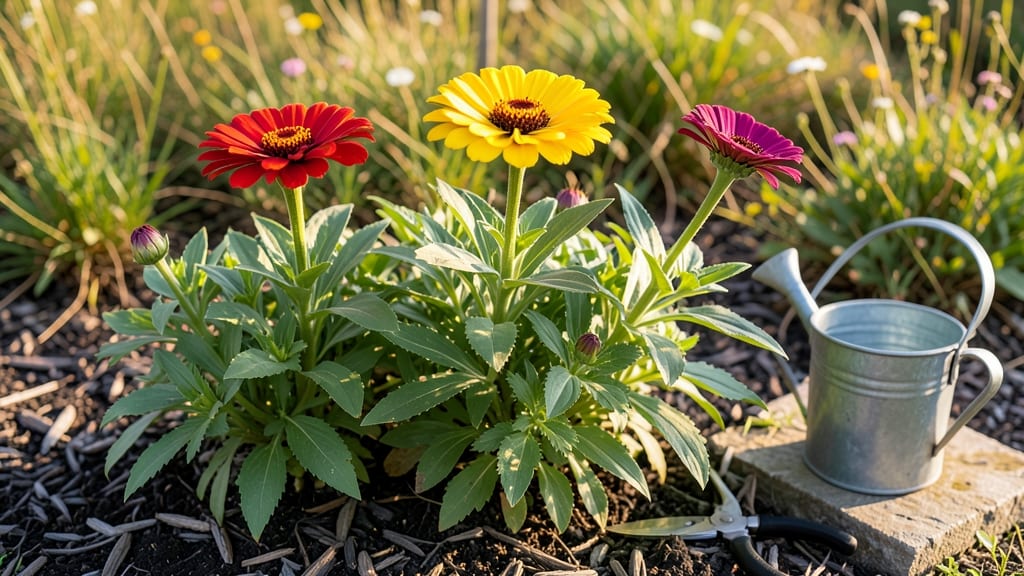
Zinnias thrive in full sun but can handle partial shade—though the difference between vibrant blooms and sparse flowers often comes down to how you balance light exposure.
Picture this: you’ve spent weeks nurturing your zinnias 🌼, only to watch them stretch toward the sky with leggy stems and half the flowers you expected. That’s your light talking—or, more likely, not talking enough.
The right amount of sun isn’t just about placement; it’s about understanding how your local climate and zinnia variety interact with it.
Most zinnias crave 6+ hours of direct sunlight daily, but even a few hours of shade can make a difference in heat zones like 6a. The key?
Knowing when to push for full sun (for bold, long-lasting blooms) and when a little shade (to prevent wilting in peak afternoon heat) will keep your plants happier—and flowering longer.
In this guide, I’ll break down the science behind zinnia light needs, share practical tricks for adjusting shade in containers or garden beds, and help you troubleshoot why your zinnias might be underperforming. Ready to unlock the secret to nonstop color?

How much sun do zinnias need for maximum blooms?
Zinnias thrive when they receive the right amount of sunlight, but many gardeners struggle to balance their needs between full sun and partial shade. The truth is, zinnias are sun-lovers, but their tolerance varies by variety and climate.
Understanding these nuances can mean the difference between sparse blooms and a nonstop floral display all season long. Let’s break down the science behind their light requirements.
For most zinnia varieties, 6 to 8 hours of direct sunlight is ideal for robust growth and abundant blooms. This is especially true for tall zinnias and cactus zinnias, which need full sun to reach their full potential.
However, dwarf zinnias can tolerate slightly less light, making them a great choice for containers or garden edges. The key is matching the variety to your garden’s light conditions.
| Variety | Ideal Sunlight | Shade Tolerance | Bloom Duration |
|---|---|---|---|
| Dwarf Zinnias | 4-6 hours | Moderate (can handle 2-3 hours shade) | 6-8 weeks |
| Tall Zinnias | 6-8 hours | Low (struggles in shade) | 8-10 weeks |
| Cactus Zinnias | 6+ hours | None (needs full sun) | 10+ weeks |
| Profusion Series | 5-6 hours | High (adapts to partial shade) | 7-9 weeks |
Sunlight directly impacts bloom duration and plant health. Zinnias grown in full sun produce flowers that last longer and resist wilting better than those in shade. Insufficient light can lead to leggy stems, fewer blooms, and plants that struggle to support their own weight.
For example, cactus zinnias need full sun to develop their distinctive, spiky petals, while Profusion zinnias can adapt better to partial shade.
Regional sunlight varies dramatically, so adjust your expectations based on your climate. In hot, dry regions like the Southwest, zinnias benefit from morning sun and afternoon shade to prevent wilting.
Meanwhile, in cooler climates like the Pacific Northwest, zinnias can thrive in full sun year-round, as long as they’re protected from harsh afternoon winds. Always monitor your plants and adjust their placement as needed.
Light exposure also affects bloom color intensity. Zinnias grown in full sun develop brighter, more vibrant petals, while those in shade may produce flowers that fade more quickly.
If you notice your zinnias’ colors dulling, it’s a sign they need more sunlight. Try moving them to a sunnier spot or supplementing with a grow light if container gardening.
For container-grown zinnias, south-facing windows or balconies provide the best light exposure. If natural light is limited, rotate containers weekly to ensure even growth. In-ground zinnias should be planted where they’ll receive at least 6 hours of direct sunlight, even if it’s split between morning and afternoon.
Avoid planting them under tall trees or structures that cast deep shade.
One common mistake is assuming all zinnias have the same light needs. Dwarf varieties like ‘Thumbelina’ can tolerate partial shade, making them perfect for borders or mixed containers.
In contrast, tall varieties like ‘Benary’s Giant’ will flop over if they don’t get enough light. Always check the variety’s care tag for specific recommendations before planting.
To maximize blooms, pair the right sunlight with consistent watering and regular deadheading. Zinnias in full sun may need daily watering during heatwaves, while those in partial shade can go slightly longer between waterings.
Mulch around the base to retain moisture and keep roots cool, especially in high-temperature zones.
By understanding your zinnias’ light requirements and adapting to your local climate, you’ll unlock their full potential. Whether you’re growing dwarf zinnias in containers or tall varieties in the garden, the right sunlight is the foundation for a long-lasting, vibrant display all season. 🌼☀️
Shade solutions for zinnias: when and how to adapt
If your zinnias are struggling in partial shade, don't toss them out—adjusting your approach can still yield beautiful blooms. Zinnias thrive in full sun, but with the right varieties and care techniques, they can adapt to 3–6 hours of indirect light daily.
The key lies in selecting shade-tolerant types and compensating with targeted pruning and companion planting.
Leggy stems and sparse flowers are common shade-related issues, but these can be mitigated with pruning techniques to encourage bushier growth and companion plants that reflect light back onto your zinnias. Let’s explore how to maximize blooms even when sunlight is limited.
Zinnias in Full Sun vs. Partial Shade
- ✅ Vibrant blooms year-round
- ✅ Taller, sturdier stems
- ✅ Longer flowering season
- ✅ Slower growth but manageable
- ✅ Fewer blooms (but still possible)
- ✅ Leggy stems if not pruned
For partial shade, prioritize dwarf zinnias like 'Thumbelina Mix' or 'Crystal' series, which handle lower light better than tall varieties. These compact types focus energy on blooms rather than reaching for sunlight, making them ideal for containers or shaded garden edges.
Pair them with reflective mulch or light-colored stones to bounce extra light onto the foliage.
Pruning is your secret weapon in shade. Pinch back tips of stems when they reach 6 inches tall to encourage bushier growth and more blooms. Remove spent flowers regularly to redirect energy toward new buds.
This technique works best in morning hours when stems are firm and less prone to disease.
Companion planting can also boost shade-grown zinnias. Place them near tall, leafy plants like sunflowers or hollyhocks to create a natural light filter while adding height to your garden. Alternatively, interplant with low-growing herbs like thyme or oregano, which deter pests and improve soil health without competing for light.
Watch for leggy stems or pale leaves, which signal insufficient light. If this happens, gradually move your zinnias to a slightly sunnier spot over a week to avoid shocking the plants. In extreme cases, supplement with a grow light for 4–6 hours daily during peak growing months.
With these shade solutions, your zinnias can still deliver months of color—just adjust your expectations and care routine. The right variety, pruning, and companions make all the difference in turning shade into a blooming success. 🌼