
Orchid Care
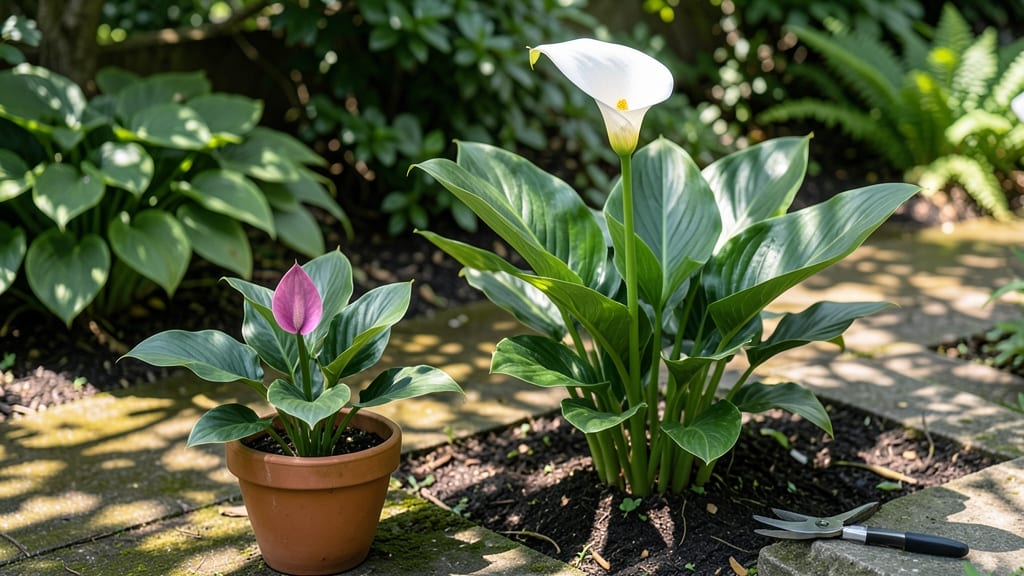
Calla lilies thrive in partial shade or filtered sun 🌸, but getting the balance right is the secret to those showstopping blooms.
Struggling to keep your calla lilies blooming? The battle between sun and shade might be the hidden key to their success—getting it wrong can mean fewer flowers and weaker growth.
Too much direct sun scorches their leaves, while too little shade leaves them leggy and sparse. The trick is finding that sweet spot where they get enough light to fuel blooms but stay cool enough to avoid stress.
In this guide, I’ll break down exactly how much sun or shade your calla lilies need, how to spot the signs of light trouble, and the simple adjustments that keep them thriving all season long.
 Best Window Placement
Ideal sunlight conditions for calla lilies: how much light do they need?
Calla lilies (Zantedeschia spp.) are stunning tropical plants that thrive with the right balance of light. While they can adapt to various conditions, understanding their specific sunlight needs is key to maximizing blooms and preventing stress.
Most varieties prefer partial shade, especially in hot climates, but some tropical hybrids can handle more direct sun. Let’s break down the ideal conditions for each type to help you grow healthier, more vibrant calla lilies.
The classic white calla lily (Zantedeschia aethiopica) is the most shade-tolerant variety, often thriving in low-light conditions like dappled sunlight or filtered shade. In contrast, tropical hybrids with bold colors (like deep purple or black) often need bright, indirect light to maintain their rich hues.
Knowing these differences will help you place your plants perfectly, whether in your garden or containers.
Here’s a quick reference to guide your calla lily care based on their sunlight needs:
| Variety | Sunlight Needs | Ideal Location | Signs of Stress |
|---|---|---|---|
| Zantedeschia aethiopica (White Calla) | Partial to full shade | North-facing or filtered shade | Yellowing leaves, sparse blooms |
| Tropical Hybrids (Purple/Black) | Bright, indirect light | East or west exposure, partial sun | Bleached petals, leggy stems |
| Dwarf Varieties | Partial shade to morning sun | Containers near patios or under trees | Slow growth, weak stems |
Seasonal changes can dramatically affect your calla lilies’ light needs. In summer, when the sun is intense, even shade-loving varieties may need afternoon shade protection to avoid leaf scorch.
I’ve found that using lightweight shade cloth (30-50% coverage) can make a huge difference in preserving leaf health and encouraging blooms. Conversely, in winter, calla lilies may benefit from a southern exposure to maximize limited sunlight.
If you notice your calla lilies developing yellow leaves or drooping foliage, it’s often a sign of too much direct sun. Move them to a spot with filtered light or provide afternoon shade.
On the flip side, pale leaves or sparse blooms usually indicate insufficient light. In this case, relocate them to a brighter spot or supplement with a grow light during shorter winter days.
For container-grown calla lilies, flexibility is key. Rotate pots every few weeks to ensure even light exposure, especially if placing them near windows. In indoor settings, an east-facing window provides gentle morning light, while a west-facing window can offer afternoon warmth without harsh rays.
If natural light is limited, a 12-hour photoperiod with a grow light can mimic ideal conditions and encourage blooming.
One common mistake I see is assuming all calla lilies love shade. While Zantedeschia aethiopica can handle low light, tropical hybrids often need more brightness to develop their vibrant colors.
Pay attention to your plants’ growth patterns: if they’re stretching toward the light or producing fewer blooms, it’s time to adjust their placement. A little experimentation will help you find the perfect balance for your specific variety.
In hot, humid climates, calla lilies may struggle with fungal issues if exposed to too much direct sun. To mitigate this, I recommend mulching around the base to keep roots cool and watering deeply in the morning to reduce evaporation.
This dual approach helps maintain soil moisture while preventing leaf burn. With the right light conditions and care, your calla lilies will reward you with lush foliage and stunning blooms all season long.
Remember, every garden is unique, so don’t be afraid to experiment with placement. Start with the guidelines above, observe your plants’ responses, and adjust as needed.
Over time, you’ll develop an intuitive sense of what works best for your calla lilies—whether they’re basking in partial sun or thriving in filtered shade.
Shade vs. sun: how to diagnose and fix light-related problems in calla lilies
If your calla lilies are throwing tantrums with yellowing leaves or sparse blooms, light exposure might be the culprit. These plants are famously adaptable, but push them too far in either direction—scorching sun or deep shade—and you’ll see their stress signals loud and clear.
The key is learning to read their visual cues and adjusting their environment before problems spiral.
Most calla lily varieties thrive in partial shade, especially in hot climates, but tropical hybrids can handle more sun if given extra care. The challenge? Diagnosing whether your plant is underwatered or overwatered versus whether it’s struggling with light deprivation or sunburn.
Let’s break down the symptoms and solutions so you can revive your calla lilies and bring back those stunning blooms.
Your calla lilies may be silently screaming for help! Too much sun causes crispy, brown leaf edges, while too little light leads to leggy stems and weak blooms. Yellowing leaves could mean either overwatering or nutrient deficiency from poor light absorption.
Act fast—adjust their spot within 24-48 hours to prevent permanent damage.
Start by inspecting your calla lily leaves. If they’re crispy or bleached along the edges, your plant is getting too much direct sun. Move it to a spot with dappled shade or use a light sheer curtain to filter harsh rays.
For shade-loving varieties, like Zantedeschia aethiopica, even morning sun can be too intense in peak summer. In contrast, leggy stems with small, sparse leaves scream for more light.
Another red flag? No blooms despite lush foliage. Calla lilies need 4-6 hours of bright, indirect light daily to trigger flowering. If your plant is in deep shade, try relocating it near an east-facing window or under a high canopy tree that allows filtered sunlight.
For container growers, rotate pots weekly to ensure even light exposure and prevent one-sided growth.
Climate plays a huge role. In hot, dry regions, afternoon sun can fry calla lily leaves, while in cool, cloudy areas, they may languish without enough light.
Test your spot by placing a white piece of paper in the sun for an hour—if it’s too bright (paper turns yellow), your calla lilies need shade. If it’s too dim (paper stays white), supplement with a grow light for 4-6 hours daily.
Don’t forget to adjust care based on light changes. Plants in low light need more frequent watering (since soil dries slower), while those in full sun crave well-draining soil to prevent root rot.
A mulch layer can help regulate soil temperature and moisture, whether your calla lilies are basking in sun or hiding in shade.
With a little detective work, you’ll crack the sun vs. shade code for your calla lilies. Watch their leaf color, stem strength, and bloom production—they’ll tell you exactly what they need. Soon, you’ll be rewarded with vibrant, healthy blooms all season long! 🌸