
Flowers
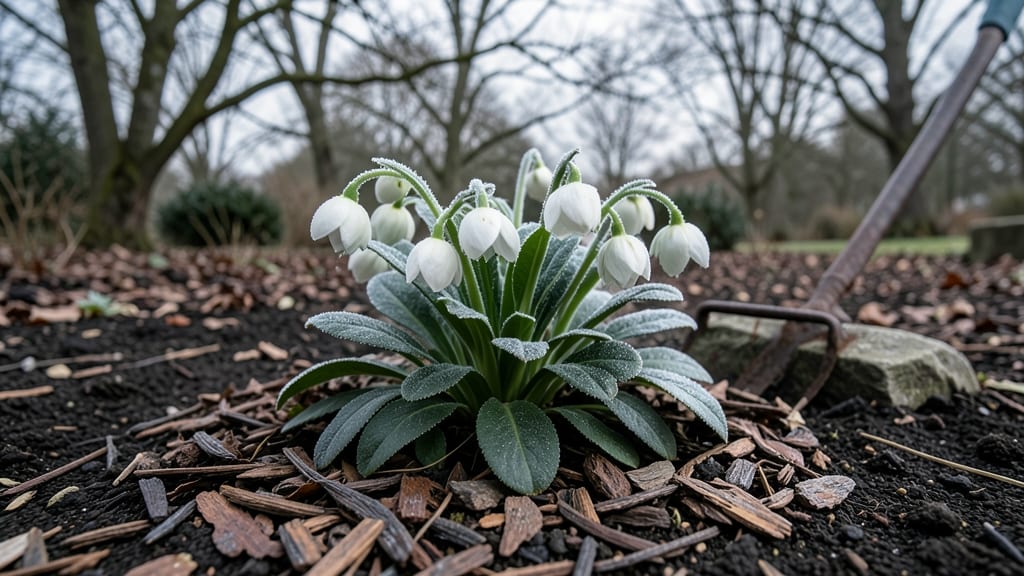
Winter shade flowers bring life to the darkest corners when everything else sleeps. 🌿 I used to think shade gardens were doomed to brown until spring—but these cold-hardy beauties prove me wrong every year.
Hellebores, winter aconites, and pansies not only survive but thrive in low light and chilly temps, offering color when most gardens are bare.
The secret isn't complicated: pick plants bred for shade and cold, like Lenten rose or Christmas rose, which bloom in late winter. They love moist, well-draining soil and partial shade, making them perfect for north-facing spots or under trees.
A little mulch in fall keeps roots cozy through winter, and they reward you with blooms when you least expect them.
Imagine stepping outside in January to find delicate white hellebores nodding in the breeze or bright yellow winter aconites popping up like tiny suns. These flowers don’t just survive—they shine, turning dull corners into vibrant focal points.
Plus, they attract pollinators early, giving your garden a head start on spring.
Whether you're filling a shady border or brightening a patio, these plants adapt easily. Just avoid soggy soil and give them a little extra water during dry winter snaps. The payoff? A garden that feels alive all year, not just in summer.
📚 In This Guide
- What you need
- Instructions
- Tips and common mistakes
- Wrapping up and next steps
What you need
- ● Winter-hardy shade flowers: Choose from heuchera, heleborus (Lenten rose), impatiens, fatsia japonica, hydrangea (oakleaf or panicle types), or lamium. Buy 3–5 plants per variety for a full, layered look.
- ● High-quality potting soil: 1–2 bags (50 lbs each) of peat-free, well-draining mix (e.g., Pro-Mix or FoxFarm Ocean Forest). Avoid heavy clay soil.
- ● Organic compost: 1 bag (40 lbs) to enrich the soil and retain moisture.
- ● Slow-release fertilizer: 1 lb of balanced 10-10-10 or organic options like fish emulsion.
- ● Mulch: 2–3 cubic feet of shredded bark or pine straw to insulate roots and suppress weeds.
- ● Garden trowel or hand shovel (for planting and soil prep).
- ● Pruning shears (sterilized with rubbing alcohol).
- ● Garden gloves (to protect against thorns or soil-borne pathogens).
- ● Watering can or hose with a gentle spray nozzle (avoid heavy water pressure).
- ○ pH testing kit (optional but helpful—ideal range: 5.5–6.5 for most shade flowers).
- ● Partial to full shade location: Dappled sunlight (2–4 hours/day) or deep shade (under trees or north-facing walls).
- ● Well-draining soil: Amend heavy soil with compost or sand if drainage is poor.
- ● Consistent moisture: Shade flowers hate soggy roots—water 1–2 times per week (adjust for rain).
- ● Patience: Some varieties (like heleborus) take 2–3 years to reach peak bloom! 💡
Step-by-step guide to planting winter shade flowers
Brighten dark corners year-round with these cold-hardy beauties that thrive where sun struggles.
🌱 Step 1: Choose the Right Winter-Shade Lovers
Pick plants that naturally thrive in low light and cool temperatures. My top picks for winter color are hellebores (Lenten roses), winter aconites, and snowdrops—all of which bloom when most gardens sleep. These perennials handle 2-4 hours of filtered light daily and temperatures down to 10°F.
Check your shade level first: Deep shade (no direct sun) suits hellebores and ferns, while partial shade (2-4 hours morning sun) works for winter aconites. You'll see the difference in leaf color—deep green means perfect shade, while pale yellow leaves signal too little light.
🪴 Step 2: Prepare the Soil for Cold-Weather Growth
Amend your existing soil with 2-3 inches of organic compost to improve drainage and fertility. Winter shade plants hate soggy roots, so if your soil stays damp for days, mix in 1 part perlite to 3 parts soil. These plants prefer slightly acidic to neutral soil (pH 6.0-7.0).
Work the compost into the top 6 inches of soil—just enough to loosen the ground without disturbing deeper roots. Tap the area gently after amending to settle the soil. You'll know it's ready when it crumbles easily between your fingers but holds its shape when squeezed.
☀️ Step 3: Plant at the Right Depth and Spacing
Dig holes twice as wide as the root ball but only as deep—planting too deep suffocates roots. Set each plant so the top of the root ball sits just below soil level. For winter aconites, space plants 6 inches apart; hellebores need 18-24 inches to mature fully.
Backfill with native soil mixed with a handful of compost around each plant. Water deeply until moisture reaches 4-6 inches down. You'll see air pockets in the soil after watering—this is normal, but press lightly around the base to eliminate them. Mulch with 2-3 inches of shredded bark to insulate roots through winter.
💧 Step 4: Water and Maintain Through Winter
Water once weekly during winter unless rainfall provides 1 inch of moisture. These plants enter dormancy but still need moisture to survive. Check soil moisture by pushing a finger 2 inches deep—if dry, water slowly until it's damp but not soggy.
Remove spent blooms in early spring to encourage new growth, but leave seed heads on hellebores—they add winter interest. Fertilize lightly in early spring with 5-10-10 fertilizer (follow package rates). You'll notice fresh foliage emerging by late February, signaling the plant's readiness to bloom.
✂️ Step 5: Prune and Divide as Needed
After flowering, trim dead stems to 1 inch above the ground for hellebores and winter aconites. Divide clumps every 3-4 years in early spring or fall to prevent overcrowding. Dig up the entire plant, separate root sections with a sharp knife, and replant immediately.
This is the moment that matters: dividing in cool weather gives roots time to establish before summer heat. You'll see new shoots emerging from the divided sections within 4-6 weeks—that's your sign the plants are happy and ready for another winter of color.
Tips & tricks for perfect winter shade gardens
These simple strategies will help you create a thriving winter shade garden that blooms beautifully year after year.
Light Level Insight: The 2-4 hours of filtered light mentioned for winter aconites is actually a sweet spot—think dappled sunlight through trees, not harsh midday sun. If your spot gets less than 2 hours, try snowdrops instead; they tolerate even deeper shade. I've seen snowdrops bloom beautifully under evergreen trees where nothing else survives.
Soil Prep Secret: When amending soil with 2-3 inches of organic compost, mix in a handful of coffee grounds too (if you have them)—the acidity helps mimic forest floor conditions these plants love. The 6-inch depth for compost incorporation is perfect because it warms roots just enough to encourage early spring growth without overheating in summer.
Planting Depth Trick: The "just below soil level" guideline for planting is crucial—this prevents stem rot while allowing roots to access moisture. For hellebores, I like to make a small mound of soil first, then place the root ball on top before filling in. This creates natural drainage channels that prevent waterlogging during winter thaws.
Winter Care Strategy: That weekly watering guideline works best when you check soil moisture at 2 inches deep—this is where roots actively seek moisture. In very cold climates (below 10°F), reduce watering to every 2 weeks unless you have heavy clay soil, which drains poorly. A 2-inch layer of shredded bark mulch will actually help insulate roots better than straw in freezing conditions.
Pro Tips for Winter Shade Flowers
- These simple strategies will help you create a thriving winter shade garden that blooms beautifully year after year.
- Light Level Insight: The 2-4 hours of filtered light mentioned for winter aconites is actually a sweet spot—think dappled sunlight through trees, not harsh midday sun.
- Soil Prep Secret: When amending soil with 2-3 inches of organic compost, mix in a handful of coffee grounds too (if you have them)—the acidity helps mimic forest floor conditions these plants love.
Frequently asked questions
Got questions about bringing winter shade flowers into your garden? You’re not alone! Here are some of the most common queries—and their answers—to help you grow with confidence.
Which winter shade flowers bloom the longest?
For year-round color, prioritize heuchera (coral bells), hellebores (Lenten rose), and lamium. These tough beauties offer blooms from late winter through early spring, while bleeding heart (Dicentra) and Japanese anemone extend the show into fall. Pair them with evergreen foliage like hostas or ferns for a seamless transition.
Can winter shade flowers survive frost?
Most winter shade flowers are cold-hardy (zones 3–9), but tender varieties like impatiens or caladiums need protection. Mulch heavily with shredded leaves or straw in late fall, and group plants together to trap heat. Hellebores and pachysandra are frost-proof champions—ideal for snowy climates!
When is the best time to plant winter shade flowers?
Plant bare-root perennials (like hellebores) in early fall or late winter to establish roots before summer heat. Container-grown plants (e.g., lamium, ajuga) thrive when transplanted in spring or fall. Avoid planting in mid-summer—the heat stresses roots!
What if my shade flowers aren’t blooming?
Check these fixes:
- Light levels: Even "shade" plants need dappled sunlight (3+ hours/day). Trim overhanging branches.
- Deadheading: Remove spent blooms (like on bleeding heart) to encourage reblooming.
- Fertilizer: Use a balanced, slow-release formula in early spring. Avoid high-nitrogen—it boosts leaves, not flowers!
- Patience: Some plants (e.g., heuchera) focus on foliage first. Give them 2–3 years to mature.
Are there winter shade flowers for containers?
Try these container-friendly picks:
Plant
Why It Works
Lamium (Dead Nettle)
Trailing habit, purple blooms, thrives in partial shade.
Impatiens (Shady Lady series)
Bright blooms all season; heat-tolerant varieties exist.
Caladiums
Stunning foliage (not flowers!); great for tropical vibes.
Hosta ‘Blue Angel’
Low-maintenance, deer-resistant, and compact for pots.
Pro tip: Use well-draining soil and self-watering pots to prevent root rot in winter.
Wrapping up and next steps
Winter shade flowers are your secret weapon for turning gloomy corners into vibrant, cheerful spaces—no sunlight required! 🌿 From hardy pansies and hellebores to fragrant winter jasmine, these plants prove that shade gardens can be just as stunning (and low-maintenance) as their sun-drenched counterparts.
With the right materials and a little care, you’ll enjoy year-round color that lifts your spirits and your home’s curb appeal.
Ready to transform your shady spots? Start small—pick one or two of these winter stars, experiment with containers or garden beds, and watch your space bloom with effortless beauty. Need a little more guidance? Dive into our FAQs or grab your gardening gloves—your future winter garden is waiting! ✨