
Orchid Care
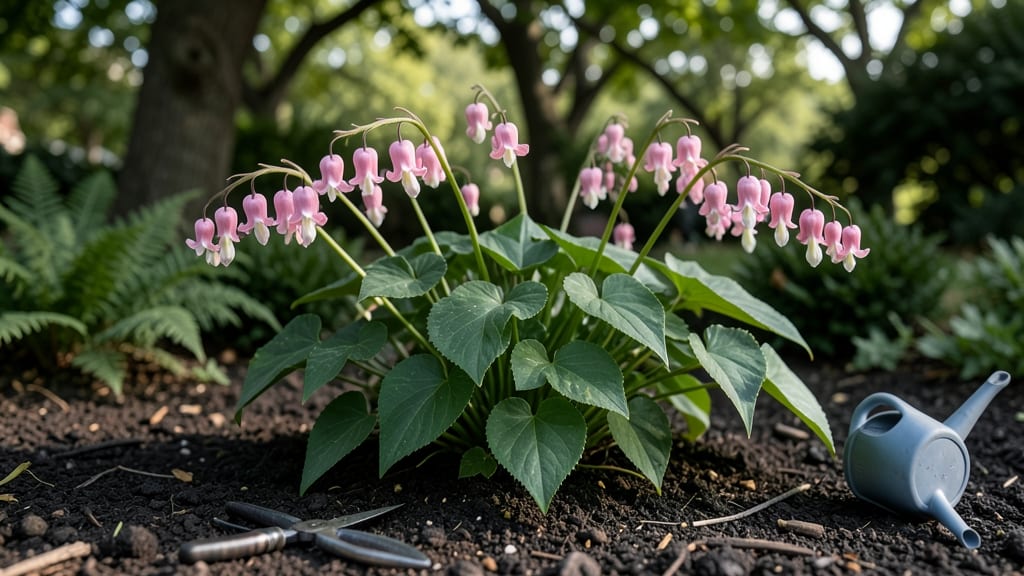
Bleeding heart plants thrive in partial shade with 4-6 hours of morning sun—too much direct light scorches their delicate leaves, while too little dims their iconic 💖 blooms.
If you’ve ever struggled to keep your bleeding heart plants thriving, their light needs might be the missing piece—too much sun scorches them, while too little shade stunts their iconic heart-shaped blooms.
These shade-loving beauties do best in USDA Zone 6a under dappled light, like the filtered sun of a forest floor or an east-facing garden spot. The key is avoiding the harsh afternoon rays that turn their leaves crispy.
In this guide, I’ll break down exactly how to balance sun and shade for lush growth, plus watering and soil tips tailored to your light conditions—so you can enjoy those dreamy pink and white flowers year after year.
 Best Window Placement
Optimal sunlight conditions for bleeding heart plants (full shade vs. partial sun)
Bleeding heart plants (Dicentra spectabilis) thrive in partial shade, but their light needs often confuse gardeners. These delicate perennials prefer 4-6 hours of morning sun with afternoon shade to prevent leaf scorch. Understanding their sunlight tolerance is key to achieving those iconic heart-shaped blooms every spring.
The misconception that bleeding hearts love full shade can lead to leggy growth and fewer flowers. Meanwhile, too much direct afternoon sun causes leaf burn and wilting. Let’s break down the ideal light exposure and how to adjust care based on your garden’s conditions.
| Light Condition | Daily Sun Exposure | Plant Response | Best For |
|---|---|---|---|
| Full Shade | 0-2 hours indirect light | Leggy stems, fewer blooms, pale leaves | North-facing gardens, deep shade |
| Partial Shade | 4-6 hours morning sun, afternoon shade | Healthy growth, abundant blooms, lush foliage | East/west-facing beds, dappled light |
| Partial Sun | 6-8 hours filtered sun (no direct afternoon sun) | Tolerable but may show slight leaf stress | South-facing beds with afternoon shade |
| Full Sun | 8+ hours direct sun | Leaf scorch, wilting, poor blooming | Avoid entirely |
Partial shade is the gold standard for bleeding hearts, especially in USDA Zones 3-8. This means positioning them where they receive morning sunlight (when temperatures are cooler) and afternoon shade (when UV rays are strongest). For example, an east-facing garden bed is ideal because it captures gentle morning rays while shielding from harsh afternoon heat.
If your garden lacks natural shade, use lattice screens or lightweight shade cloth (30-50% coverage) to mimic partial shade conditions. I’ve seen bleeding hearts thrive under dappled sunlight from nearby trees, where leaves filter harsh rays naturally.
This creates a microclimate that protects delicate foliage while still allowing enough light for photosynthesis.
Seasonal adjustments are crucial. In summer months, when sun intensity peaks, bleeding hearts may need additional afternoon shade to prevent stress. Conversely, in late winter or early spring, they can tolerate slightly more light as they emerge from dormancy.
Watch for yellowing leaves or drooping foliage, which are clear signs of over-exposure.
Identifying under-exposure is equally important. If your bleeding heart develops long, sparse stems with few blooms, it’s likely not getting enough light. This condition, called etiolation, occurs when plants stretch toward available light sources.
To fix it, gradually introduce more morning sunlight over 2-3 weeks to avoid shocking the plant.
For container-grown bleeding hearts, place pots near east-facing windows or under patio umbrellas with adjustable shade. Rotate containers every few weeks to ensure even light exposure, preventing lopsided growth.
I’ve found that terracotta pots help regulate soil moisture, which is especially important in partial sun conditions where evaporation rates increase.
Pro tip: Use a light meter or observe your garden’s sunlight patterns throughout the day. Note where hard shadows fall by midday—these spots are perfect for bleeding hearts. If you’re unsure, start with partial shade and adjust based on the plant’s response over 4-6 weeks.
Patience is key; bleeding hearts reward careful light management with vibrant blooms for years.
Remember, the goal is to create a balanced environment where your bleeding hearts feel protected yet energized. With the right light conditions, these elegant perennials will flourish, gracing your garden with their signature pink, white, or red heart-shaped flowers every spring. 🌿
How to adjust bleeding heart care by light exposure for maximum blooms
Bleeding hearts (Dicentra spectabilis) are finicky about their light conditions, and getting this right is the secret to vibrant blooms and healthy foliage.
In partial shade (4-6 hours of morning sun), they thrive, but their care routine changes dramatically if you move them to full shade or partial sun. Let’s break down how to adjust your watering, soil, and mulching strategies based on their light environment to keep them happy.
First, understand that bleeding hearts in full sun (more than 6 hours of direct light) will scorch their leaves and struggle to produce blooms. Meanwhile, too much deep shade (less than 4 hours of light) can lead to leggy growth and sparse flowering.
The key is finding that sweet spot and tweaking your care to match their light exposure.
⚠️ Critical Light Transition Warning
Moving bleeding hearts between sun and shade too quickly causes root shock and leaf burn. If relocating your plant, do it gradually over 2-3 weeks—acclimate it to its new light conditions by moving it slightly closer/farther from sunlight daily. Avoid midday sun during transitions, as it’s the harshest.
💡 Pro Tip: Use shade cloth (30-50%) if transitioning to more sun to ease the adjustment.
In partial shade, your bleeding heart’s watering needs will be moderate—aim for 1 inch of water per week, but adjust if your soil drains poorly.
Check soil moisture by sticking your finger 1 inch deep; if it’s dry, water deeply until it’s moist but not soggy. Morning watering is ideal to prevent fungal issues from lingering moisture.
For plants in full shade, reduce watering slightly to every 10-14 days, as the soil stays moister longer. However, never let the roots dry out completely, or you’ll see wilting and bud drop.
A thick layer of mulch (2-3 inches) helps retain moisture and keeps roots cool, which is especially helpful in hot, shaded areas.
Mulching is a game-changer for bleeding hearts in partial sun. Use organic mulch like shredded bark or compost to insulate roots and lock in moisture.
In sunnier spots, mulch also protects against heat stress. Avoid inorganic mulches like gravel, which can overheat roots and dry out soil too quickly.
Finally, fertilizing lightly in early spring (with a balanced 5-10-10 fertilizer) supports blooming, but skip fertilizing in full shade—these plants grow slower and don’t need extra nutrients.
If your bleeding heart isn’t blooming, check its light: too much shade often stunts flower production, while too much sun stresses the plant entirely.
With these adjustments, your bleeding hearts will reward you with lush foliage and abundant heart-shaped blooms year after year. The secret? Match their care to their light, and they’ll thrive effortlessly. 🌿