
Size
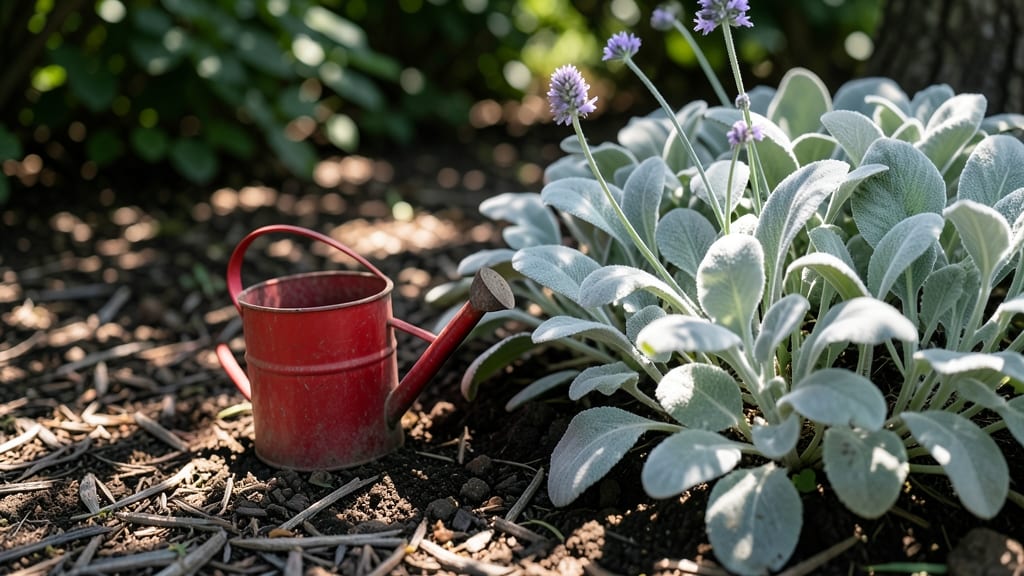
Lamb’s ear will grow in shade but thrives best in partial shade to full sun, tolerating 2–4 hours of morning sunlight while avoiding harsh afternoon rays. Choose filtered light spots for optimal growth and velvety foliage.
This hardy perennial adapts surprisingly well to low-light conditions, making it a favorite for shady gardens where other plants struggle. 🌿 The secret lies in its silvery, fuzzy leaves—those same hairs that give it a velvety touch also help reflect light, allowing the plant to photosynthesize efficiently even in dimmer areas.
While it may grow slower in deep shade, you’ll still get those signature soft leaves, though they might lose some of their signature luster compared to sun-grown plants.
For best results, I recommend placing lamb’s ear where it gets dappled sunlight—think under tall trees or near north-facing windows. The key is avoiding extreme conditions: too much direct sun can scorch the leaves, while total darkness slows growth significantly.
If you’re working with a particularly shady spot, consider mulching to improve soil moisture retention, which helps compensate for the reduced light.
💡 In This Article
- Lamb’s Ear Light Requirements and Shade Adaptability
- Best Shade-Tolerant Lamb’s Ear Varieties for Low-Light Gardens
Lamb’s ear light requirements and shade adaptability
Lamb’s ear (Stachys byzantina) thrives in partial shade but can adapt to full shade, thanks to its unique leaf structure. The dense layer of silvery hairs on its leaves reflects light, improving photosynthesis efficiency in low-light conditions.
These hairs act like tiny mirrors, bouncing sunlight deeper into the leaf tissue where it’s needed most. While it can survive with just 2-3 hours of indirect light daily, growth slows significantly below this threshold, often resulting in smaller, less velvety foliage.
The plant’s adaptability stems from its native habitat in rocky, mountainous regions where sunlight is often filtered through tree canopies. In deep shade, lamb’s ear may produce fewer leaves but still maintains its signature texture—though the silver hue might fade slightly to a muted gray-green.
For optimal results, aim for 3-6 hours of morning sun, which provides enough energy without risking leaf scorch from afternoon heat. This balance is crucial because direct midday rays can cause the leaves to develop brown patches, ruining their velvety appearance.
What most gardeners don’t realize is how light spectrum affects lamb’s ear’s performance. While it can photosynthesize using blue and red wavelengths (the most efficient for most plants), it struggles with the lower-intensity green light common in deep shade.
This is why filtered light—like that passing through deciduous trees—works best. The leaves’ silver hairs don’t just reflect light; they also reduce water loss, making the plant more resilient in shady, moisture-retentive environments where other perennials might wilt.
To maximize growth in shady spots, consider these practical adjustments: Amend soil with 1-2 inches of compost to improve nutrient availability, and water consistently to maintain even moisture. Lamb’s ear in shade benefits from weekly deep watering rather than frequent shallow drinks, as its roots spread horizontally rather than deeply.
This helps compensate for reduced photosynthesis by maintaining optimal soil conditions for what little energy the plant does absorb.
For visual comparison, imagine lamb’s ear in three light scenarios: In full sun, leaves reach 6-12 inches wide with intense silver sheen; in partial shade, they’re 4-8 inches wide with slightly muted color; in deep shade, leaves may stay under 3 inches with a more subdued appearance.
The trade-off is worth it for gardeners with limited sunlight, as lamb’s ear remains one of the few perennials that delivers both texture and resilience in these conditions.
Pro tip: If your shade is particularly dense (like under evergreens), try elevating the plant slightly with a 3-inch mound of soil or a raised bed.
This small adjustment can improve light exposure by 15-20%, making a noticeable difference in leaf size and vigor over a growing season. 🌿