
Light Requirements
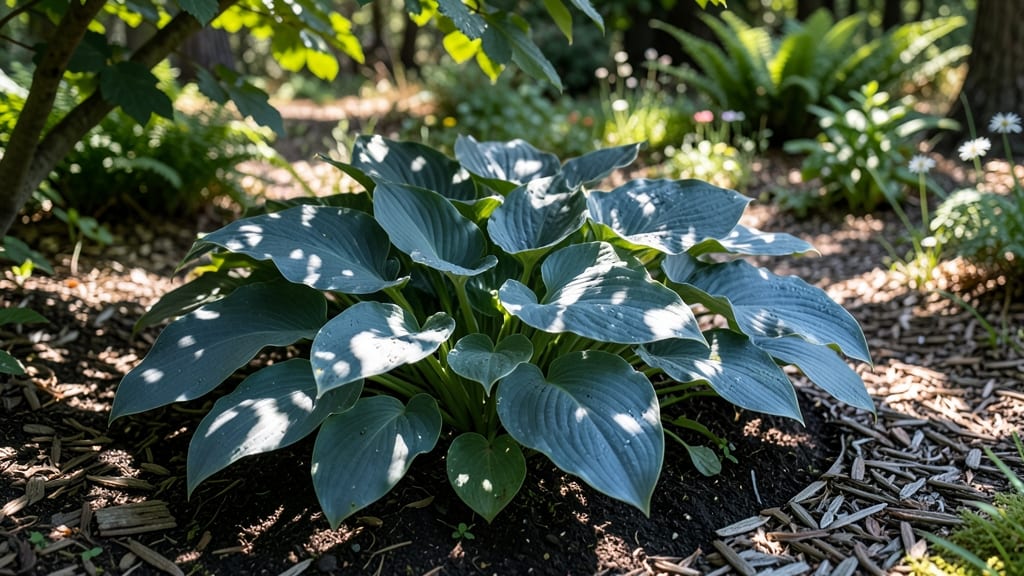
Partial shade means plants receive 3 to 6 hours of direct sunlight daily, with the rest of the day in filtered or indirect light, creating a balance ideal for many shade-tolerant species like ferns, hostas, and impatiens.
Partial shade creates the perfect middle ground for plants that can't handle harsh midday sun but still need some light to thrive. 🌿 Unlike full shade, which offers minimal sunlight, partial shade provides just enough energy for photosynthesis without overheating leaves.
This balance prevents sunburn while supporting healthy growth—think of it as a Goldilocks zone for foliage plants. Morning sun with afternoon shade often works best, as it reduces stress on delicate leaves.
What makes partial shade unique is how it varies by location and season. A spot that gets 4 hours of sun in summer might receive only 2 in winter, so flexibility is key.
I always recommend observing your garden throughout the year to adjust plant placement accordingly. This approach helps avoid common mistakes like overcrowding shade-loving plants in areas that suddenly get too much light.
💡 In This Article
- How Partial Shade Differs From Full Sun and Full Shade
- Best Plants for Partial Shade Gardens and Containers
How partial shade differs from full sun and full shade
Partial shade creates a unique light environment where photosynthesis remains active without triggering heat stress. Unlike full sun, which delivers 6+ hours of direct light and can cause leaf scorch or wilting, partial shade limits exposure to 3-6 hours while providing filtered light through tree canopies or building structures.
This balance allows plants to produce enough chlorophyll for growth while avoiding the oxidative damage caused by intense UV rays. Think of it like a gentle workout—enough stimulation to stay fit, but not so much that you overheat.
The key difference lies in light intensity and duration. Full sun areas receive 10,000+ foot-candles of light (a measure of light intensity), while partial shade typically ranges between 1,000-5,000 foot-candles, depending on the filter source.
Morning sun with afternoon shade, for example, provides cooler, less intense light that prevents leaf burn while still fueling photosynthesis. This is why partial shade plants often thrive in woodland gardens or under deciduous trees—they get dappled light that mimics their natural habitat.
Full shade, on the other hand, offers less than 3 hours of direct light daily, often resulting in slower growth and reduced flowering. Plants in these conditions rely on indirect light or reflected sunlight, which provides minimal energy for photosynthesis.
Partial shade bridges this gap by offering a compromise: enough light for healthy development without the risks of full sun exposure. For instance, a hosta plant in partial shade will produce vibrant foliage and occasional blooms, whereas the same plant in full sun might develop brown, crispy edges from sunburn.
The science behind this involves plant stress responses. Full sun triggers the production of protective pigments like anthocyanins (which give some plants their red or purple hues) as a defense mechanism against UV radiation.
In partial shade, these stress signals are minimized, allowing plants to focus energy on growth rather than survival.
This is why partial shade is often the sweet spot for foliage plants like ferns, flowering perennials like astilbes, and even some vegetables like lettuce, which can bolt (prematurely flower) in full sun.
Seasonal variations also play a role. A spot that qualifies as partial shade in summer might receive more direct light in winter when deciduous trees lose their leaves. This is why gardeners often need to adjust plant placement or choose flexible species that can tolerate light fluctuations.
For example, Japanese maples thrive in partial shade but can handle more light in cooler months, while impatiens may struggle if suddenly exposed to full sun after a tree sheds its leaves.
Understanding these differences helps you avoid common mistakes, like placing sun-loving plants in partial shade or shade-tolerant plants in full sun. The goal is to match a plant's light requirements to its environment, ensuring it gets just the right amount of energy to flourish without stress. 🌿
For example, a heuchera (coral bells) plant in partial shade will display its vibrant foliage colors year-round, while the same plant in full sun may fade or develop leaf scorch.
Similarly, coleus, known for its bold, patterned leaves, thrives in partial shade but can become leggy and weak if deprived of enough light. By observing how light changes throughout the day and season, you can create a garden that supports healthy, vibrant plants.