
Light Requirements
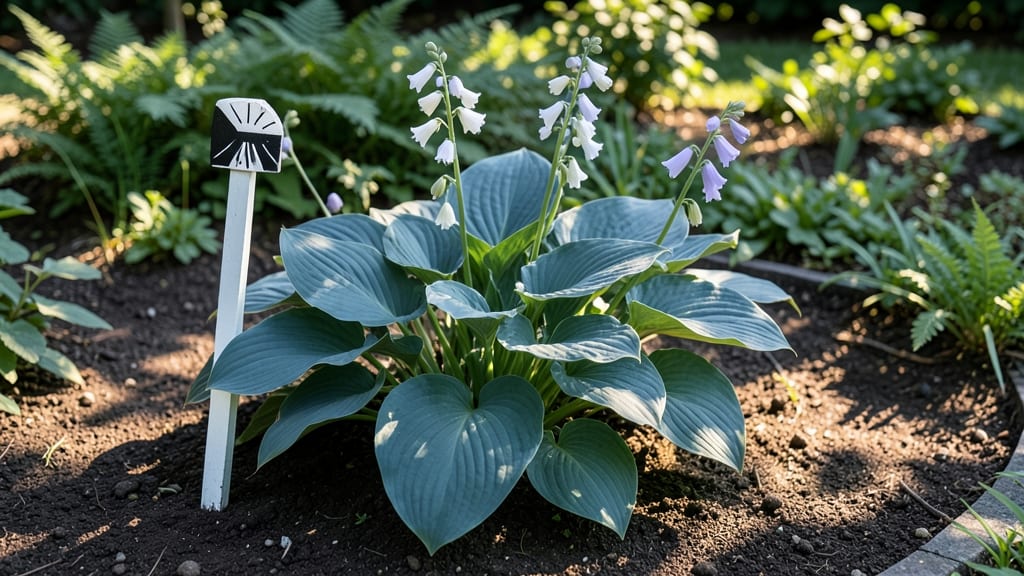
Part shade for plants means receiving 3 to 6 hours of direct sunlight daily, typically with filtered light or dappled sunlight from trees or structures, creating a balance between sun exposure and shade protection for optimal growth.
Part shade creates the perfect middle ground for plants that can't handle harsh midday sun but still need more light than full shade provides. 🌿 Think of it as the Goldilocks zone—just enough sunlight to fuel photosynthesis without causing leaf scorch or stress.
I've seen hostas and ferns thrive in these conditions, their lush foliage a testament to how well they adapt to dappled sunlight patterns. The key is observing how light shifts throughout the day, especially in spots near buildings or under deciduous trees.
This lighting scenario isn't just about quantity—it's about quality. The filtered sunlight that reaches part-shade areas contains less intense UV radiation, which helps prevent sunburn while still providing the energy plants need.
Many gardeners use this knowledge to create layered plantings, placing sun-loving annuals at the front of borders and more tolerant perennials toward the back. The result? A garden that stays vibrant without requiring constant adjustments as seasons change.
💡 In This Article
- How Part Shade Affects Plant Growth and Health
- Best Plants for Part Shade Gardens and Containers
How part shade affects plant growth and health
Part shade creates a delicate balance where plants receive enough light for photosynthesis but avoid the stress of full sun exposure.
The 3 to 6 hours of direct sunlight in these conditions triggers chlorophyll production at optimal rates, preventing the yellowing that occurs in full shade while avoiding the leaf scorch seen in full sun.
This Goldilocks zone of light intensity allows plants to maintain their metabolic processes without overheating—similar to how humans prefer moderate temperatures over extreme heat or cold.
The science behind this involves how plants convert light energy. In part shade, the lower light intensity reduces the production of reactive oxygen species (ROS) that damage cells during photosynthesis.
For example, hostas—classic part-shade plants—thrive because their broad leaves can efficiently capture dappled sunlight while their underground rhizomes store energy for slower growth cycles. Compare this to sun-loving tomatoes, which would bolt (flower prematurely) in these conditions, or ferns that would become sparse and weak without enough indirect light.
Seasonal variations further complicate part-shade dynamics. In summer, when trees are fully leafed out, plants might receive only 2-3 hours of direct sunlight before turning to filtered light, while winter sun angles could double that exposure.
This is why many part-shade plants have adaptable growth habits—like impatiens that bloom continuously when given morning sun and afternoon shade, or astilbe that fluffs out beautifully in dappled conditions. The key is matching plant species to your site's specific light patterns rather than assuming a one-size-fits-all approach.
Temperature plays a surprising role too. Part-shade areas often have 5-10°F cooler ground temperatures than full sun spots, which affects root activity and nutrient uptake. For instance, oregano—technically a part-shade herb—performs better in these cooler microclimates because its roots stay active longer in spring and fall.
The moisture retention is also higher in part shade, reducing water stress that can occur in full sun environments where evaporation rates climb dramatically.
What most gardeners overlook is how part shade affects plant architecture. Plants in these conditions often grow taller and leggier as they stretch toward available light, a phenomenon called etiolation. This is why many part-shade perennials (like lungwort) develop more vertical growth habits compared to their sun-adapted cousins.
The trade-off? While they may appear less bushy, their foliage tends to be denser and more vibrant due to the balanced light conditions that prevent sunburn while still driving photosynthesis.
For container gardeners, part shade creates unique challenges because pots heat up faster than soil. A 12-inch container in part shade can reach 90°F surface temperatures on sunny afternoons, which stresses roots.
Using light-colored containers or adding a 1-inch layer of mulch helps regulate temperature—just like how a white car stays cooler than a black one in direct sunlight. This is why I recommend using self-watering containers for part-shade plants—they maintain more stable moisture levels despite fluctuating light conditions.
The ultimate takeaway? Part shade isn't just about hours of sunlight—it's about creating an environment where light quality, temperature, and moisture work in harmony. When you observe how your plants respond (leaf color, growth rate, flowering patterns), you're essentially reading their light needs in real-time.
That's the secret to successful part-shade gardening: paying attention to the subtle cues your plants give you every growing season. 🌿