
Shrubs
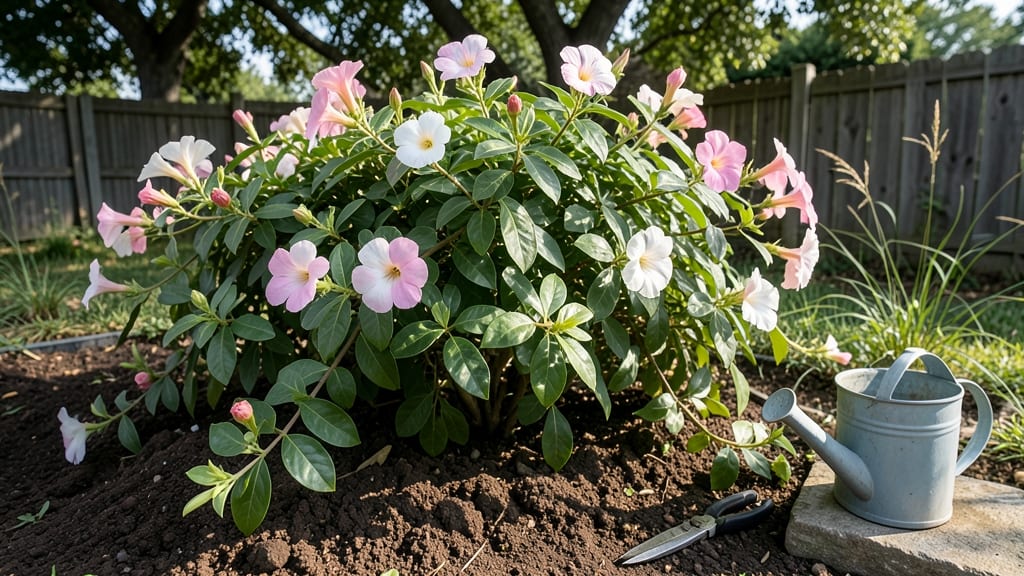
The vinca vine thrives in sun or shade with the right care 🌿—a versatile choice for gardeners who want year-round color without fuss.
Struggling to find a low-maintenance, evergreen vine that thrives in both sun-drenched and shady spots? Vinca vine delivers vibrant color year-round with minimal effort, making it a top pick for busy gardeners.
Whether your yard gets blazing afternoon sun or dappled shade under trees, vinca adapts beautifully—though its growth and flowering habits shift with light exposure. The key lies in choosing the right variety and tweaking a few care basics.
In this guide, I’ll break down the best vinca types for sun vs. shade, how to maximize their growth in tricky lighting, and simple maintenance tips to keep them lush and blooming all season.
 Best Window Placement
Best vinca vine varieties for sun vs. shade gardens
Vinca vines—also called periwinkle—are garden workhorses that thrive in sun or shade with minimal fuss. The key to success lies in selecting the right cultivar for your garden’s light conditions. Vinca major and Vinca minor are the two primary species, each offering distinct traits for different exposures.
Let’s break down the top varieties that will bring year-round color to your landscape, whether it’s bathed in sunlight or tucked under tree canopies.
For sun-loving gardens, look for vinca varieties with glossy foliage and bold flower colors like deep blue or magenta. These plants handle intense afternoon sun better than their shade counterparts, making them perfect for south-facing walls or hot, dry borders.
In contrast, shade-tolerant vincas prioritize lush growth and delicate blooms, thriving where other plants wilt.
| Variety | Light Needs | Color Palette | Growth Habit | Mature Size |
|---|---|---|---|---|
| Vinca major 'Variegata' | Partial shade to full sun | White/cream variegated foliage, lavender-pink flowers | Trailing, vigorous spreader | 12–18" tall, 3–5 ft wide |
| Vinca major 'Atropurpurea' | Full sun to partial shade | Deep purple-black foliage, magenta flowers | Bushy, upright growth | 12–18" tall, 2–3 ft wide |
| Vinca minor 'Illumination' | Partial to full shade | Yellow/cream variegated foliage, white flowers | Trailing, dense ground cover | 6–12" tall, 12–18" wide |
| Vinca minor 'Plena' | Partial shade to morning sun | Dark green foliage, double white flowers | Trailing, compact growth | 6–10" tall, 12–15" wide |
| Vinca major 'Alba' | Full sun to partial shade | Glossy green foliage, pure white flowers | Trailing, sprawling habit | 12–18" tall, 3–4 ft wide |
If your garden gets 6+ hours of direct sun, prioritize Vinca major varieties like 'Atropurpurea' or 'Alba'. These cultivars handle heat and drought exceptionally well, producing vibrant blooms from spring through fall. Their upright or trailing forms make them ideal for vertical gardens or container plantings on patios.
For shady spots under trees or along north-facing walls, Vinca minor varieties shine. 'Illumination' and 'Plena' thrive in low-light conditions while still delivering cheerful foliage and abundant flowers. Their compact size makes them perfect for ground cover or hanging baskets in shaded areas.
Color plays a crucial role in variety selection. Sun-loving vincas often feature bold, saturated hues like magenta or deep blue, while shade-tolerant types lean toward softer pastels or variegated foliage. For example, 'Variegata' adds visual contrast with its cream-and-green leaves, even in partial shade.
Growth habits also differ significantly. Sun varieties tend to be more upright or bushy, while shade varieties spread horizontally to capture limited light.
This distinction is critical when planning garden layouts—place trailing types along fence lines or understory areas, and upright varieties in sunny borders or container gardens.
One common misconception is that vinca can’t handle full sun. While some varieties prefer shade, others thrive in intense light if given well-draining soil and consistent moisture during establishment. Always check the specific cultivar’s needs before planting—this ensures your vinca stays healthy and blooming year-round.
Pro tip: Mix sun and shade varieties in layered plantings to create dynamic visual interest. For instance, pair 'Atropurpurea' (sun) with 'Illumination' (shade) under a large oak tree—the contrast will elevate your garden’s seasonal appeal.
Ready to transform your garden? Start by assessing your light conditions, then select vinca varieties that match. With the right choices, you’ll enjoy low-maintenance beauty in every corner of your outdoor space—no matter the sunlight! 🌿
How to maximize vinca vine growth in low-light or full-sun areas
Vinca vine thrives in diverse lighting conditions, but its growth and flowering depend heavily on how you adapt care routines. In full sun, these vines produce bold blooms and dense foliage, while in low-light areas, they maintain their evergreen charm with slightly slower growth.
The key lies in understanding how light affects their soil needs, watering schedule, and pruning frequency.
For sunny spots, vinca needs well-draining soil to prevent root rot from intense heat. In shady locations, amending soil with organic matter improves moisture retention. Both environments require regular pruning to encourage bushier growth, but the timing and intensity differ based on light exposure.
Let’s dive into the specifics to help your vinca vine flourish regardless of sunlight.
⚠️ WARNING: Light Mismanagement
⚠️ Overwatering in full sun causes root rot due to rapid evaporation, while underwatering in shade leads to dry, crispy leaves. Vinca in direct sunlight needs 1 inch of water weekly, while shady plants thrive on bi-weekly deep watering. Always check soil moisture 2 inches below the surface before watering—dry soil here means it’s time to hydrate.
💧
Start with soil preparation tailored to your garden’s light conditions. For sunny areas, mix sandy loam with compost to improve drainage, while shady spots benefit from peat moss or coconut coir to retain moisture.
Vinca prefers slightly acidic to neutral soil (pH 6.1-7.5), so test your soil before planting. Amending with aged manure or worm castings provides essential nutrients for vigorous growth.
Pruning plays a crucial role in shaping vinca vines and encouraging continuous blooming. In full sun, trim back 1/3 of the plant in early spring to promote new growth and prevent legginess.
For shady environments, light pruning in late winter suffices—focus on removing dead or yellowing leaves while preserving the vine’s natural form. Always use sterilized pruners to avoid spreading diseases.
Companion planting can enhance vinca’s resilience in challenging light conditions. Pair sun-loving vinca with drought-tolerant perennials like lavender or sedum to reduce competition for water. In shady areas, plant vinca alongside hostas or ferns to create a lush, low-maintenance ground cover.
Avoid planting near aggressive spreaders like mint or creeping Charlie, which can smother vinca’s growth.
Monitor your vinca vine for signs of light stress, such as bleached leaves in full sun or pale, sparse foliage in shade. If leaves turn yellow, it may indicate overwatering or nutrient deficiency.
Adjust care accordingly—reduce watering in sun and add balanced fertilizer in shade. With the right adjustments, your vinca vine will reward you with year-round color and minimal upkeep.