
Planting
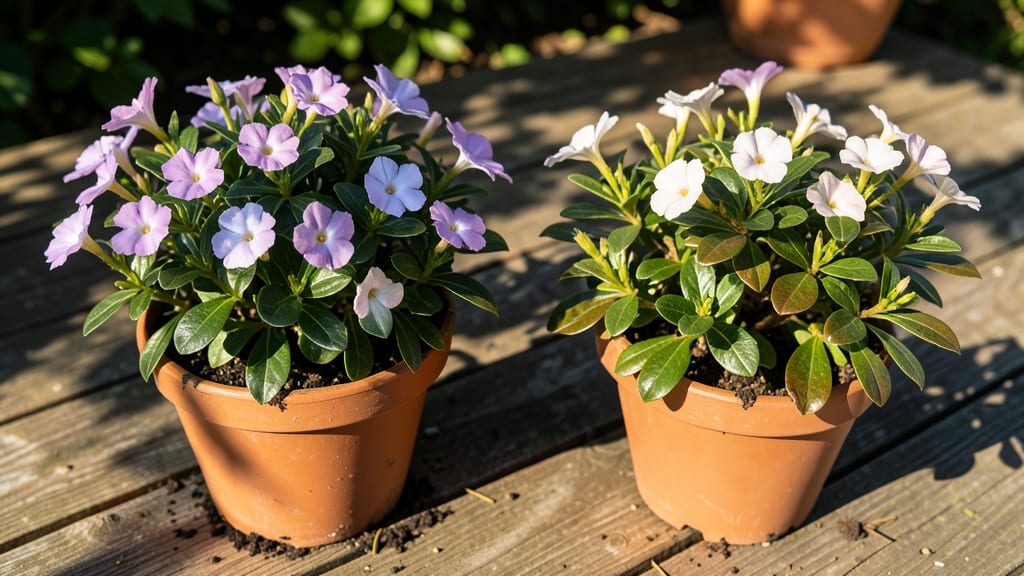
Vinca plants thrive in both sun and shade 🌸, making them one of the most versatile perennials for any garden spot.
Struggling to find a low-maintenance plant that thrives in both sun-soaked gardens and shady corners? Vinca plants deliver vibrant, year-round color with minimal effort—making them the perfect solution for every landscape challenge.
Unlike many flowers that wilt in too much sun or struggle in too little, vinca adapts beautifully to partial shade or full sun, though their growth habits and blooms may shift depending on light levels.
In this guide, you’ll discover the ideal light conditions for different vinca varieties, how to spot signs of stress, and creative ways to use them in sun-drenched borders or cozy shade gardens.
 Best Window Placement
How vinca plants adapt to sun vs shade conditions
Vinca plants, also called periwinkles, are among the most adaptable ground covers in gardening. Their ability to thrive in both sunny and shady spots makes them a favorite for gardeners seeking low-maintenance, year-round color.
However, their performance varies dramatically depending on light exposure, affecting everything from leaf color to flowering intensity. Understanding these differences is key to maximizing your vinca's potential.
Most vinca varieties, like Vinca minor (creeping periwinkle) and Vinca major (greater periwinkle), naturally grow in woodland understories where they receive dappled sunlight. This evolutionary background explains why they handle shade so well, but it also means they need careful management in full sun to prevent stress.
Let's explore how these plants adapt—and how you can optimize their care based on your garden's light conditions.
When vincas receive too much direct sunlight, their leaves often develop a yellowish or bleached appearance, a sign of sunburn. This is especially common in hot, dry climates where afternoon sun intensifies.
In these conditions, vincas may also exhibit stunted growth or reduced flowering as they prioritize survival over reproduction. To counteract this, I always recommend mulching with organic matter to retain moisture and watering deeply in the morning to reduce stress.
On the opposite end, vincas in deep shade tend to grow more vigorous foliage but produce fewer flowers. The leaves may also appear darker and thicker as the plant stretches toward available light.
If you're growing vinca in shady areas, consider pruning lightly in early spring to encourage bushier growth and adding a balanced fertilizer to stimulate flowering. Varieties like Vinca 'Illumination' with variegated leaves actually showcase their patterns best in shade, making them ideal for woodland gardens.
One common misconception is that vincas thrive equally in all light conditions. While they are indeed adaptable, their flowering performance and overall health vary significantly. For example, Vinca major in full sun can produce up to 3x more flowers than the same plant in deep shade.
However, this comes at the cost of potential leaf scorch if not properly hydrated. To strike a balance, I often plant vincas in morning sun with afternoon shade, especially in USDA zones 7-9 where heat stress is a concern.
Regional climate also plays a crucial role in vinca's light adaptation. In cooler northern climates, vincas can handle more direct sunlight without stress, while in hot southern regions, they may need additional shade protection during peak summer months.
If you're unsure about your specific microclimate, start with partial shade conditions and observe how your vinca responds over one growing season before making adjustments.
For container gardening, vincas offer a unique advantage—they can thrive in both sun and shade patios. In pots, I recommend using a well-draining potting mix with added perlite or sand to prevent root rot, which is more likely in shady, moisture-retentive conditions. If growing vinca in containers in full sun, rotate the pots weekly to ensure even growth and prevent leaning toward the
Best vinca varieties for sunny vs shady gardens
Vinca plants are the ultimate low-maintenance workhorses for any garden, whether you're battling harsh afternoon sun or struggling with deep shade.
Their adaptability means you can use them as ground cover, border plants, or even in containers—but not all vinca varieties shine equally in every light condition. Let's explore the top cultivars that will thrive in your specific lighting scenario.
The key to success lies in matching the right vinca variety with your garden's light exposure. Some cultivars flourish in full sun with bold colors, while others thrive in partial shade with lush foliage.
Understanding these preferences lets you create stunning, year-round interest with minimal effort. Let's dive into the best options for both sunny and shady spots.
🌿 Top Vinca Varieties for Sunny Gardens
- Vinca major 'Illumination' - Sun-loving variety with chartreuse foliage that glows in full sun; hardy in zones 4-9; perfect for border edges.
- Vinca 'Grape Cooler' - Heat-tolerant with deep purple blooms; thrives in 6+ hours of sun; ideal for containers and rock gardens.
- Vinca 'Lavender Lady' - Sun-adapted with lavender flowers; reaches 12-18 inches tall; great for mass plantings in sunny areas.
🌳 Best Vinca Varieties for Shady Gardens
- Vinca minor 'Illumination' - Shade-tolerant with golden foliage; thrives in partial shade; perfect for woodland gardens and understory planting.
- Vinca 'Argentea Variegata' - Shade-loving with creamy-white variegation; hardy in zones 4-9; ideal for ground cover in shady borders.
- Vinca 'Plena' - Double-flowering variety that performs well in partial shade; produces dense blooms even with limited light.
🌻 Versatile Vinca for Mixed Light
- Vinca 'Alba' - Adaptable with white flowers; handles morning sun + afternoon shade beautifully; great for transition zones.
- Vinca 'Rosea' - Classic pink blooms that thrive in dappled sunlight; perfect for woodland edges and patio containers.
When selecting vinca for sunny spots, prioritize varieties with drought-tolerant traits and heat-resistant foliage. In these conditions, vinca plants like 'Grape Cooler' will reward you with prolonged blooming and vibrant colors. Always ensure well-draining soil to prevent root rot from intense heat.
For shady gardens, focus on vinca cultivars that maintain lush foliage even with limited light. Varieties like 'Argentea Variegata' will brighten dark corners while requiring minimal watering. In shaded areas, mulch heavily to retain moisture and fertilize lightly to prevent leggy growth.
No matter your light conditions, vinca plants deliver year-round interest with their evergreen foliage and season-long blooms. With the right variety and basic care, you'll create a low-maintenance landscape that thrives in sun or shade.
The key is matching your garden's light to the vinca's natural preferences—then sit back and enjoy the results! 🌸