
Shrubs
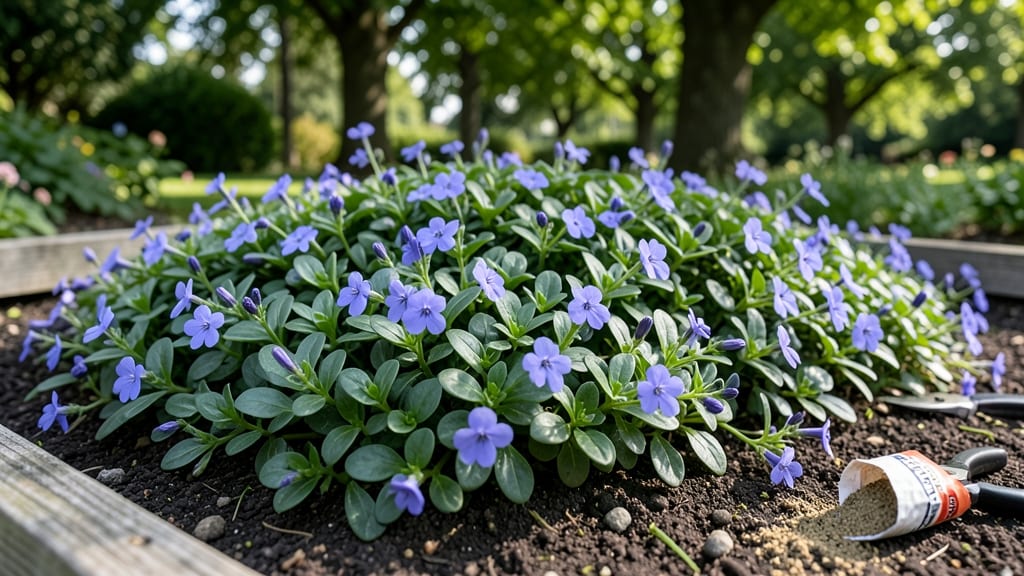
Vinca minor thrives in both sun and shade, making it the ultimate low-maintenance ground cover for any tricky spot in your garden.
Struggling to find a hardy plant that handles full sun one day and deep shade the next? This versatile shrub does exactly that, adapting its growth and color to whatever light you give it.
Whether you're dealing with a shady corner under trees or a hot, sunny patch, vinca minor’s flexibility means you can finally stop guessing about what will survive—and start enjoying a lush, green carpet all season long.
In this guide, I’ll break down the ideal light conditions for vibrant foliage, how to adjust care based on sun or shade, and the simple tricks to keep your vinca minor looking its best year-round.
 Best Window Placement
How vinca minor adapts to sun vs shade conditions
One of vinca minor's greatest strengths is its remarkable adaptability to varying light conditions. Whether you're working with a sun-drenched border or a shady woodland garden, this versatile ground cover delivers stunning results.
The key lies in understanding how its growth patterns and foliage respond to different light exposures, allowing you to maximize its potential in any spot.
In full sun conditions, vinca minor develops a more upright growth habit with slightly smaller leaves that pack a punch in terms of color intensity. The classic dark green foliage becomes even deeper, creating a rich, velvety carpet.
However, too much direct afternoon sun—especially in hot climates—can cause leaf scorch, where edges turn crispy and brown. This is where proper watering and mulching become crucial for maintaining that lush appearance.
Partial shade is actually where vinca minor often thrives best, especially in warmer regions. Here, the plant spreads more aggressively horizontally, creating that coveted dense ground cover effect. The leaves remain vibrant but may develop subtle variegation, particularly if some filtered light reaches them. This is also where you'll see the most dramatic flowering displays—those cheerful blue or purple blooms appear more prolifically when the plant isn't struggling to cope with intense sunlight.
In full shade conditions, vinca minor remains alive and well, though its growth rate slows noticeably. The foliage tends to become lighter in color, almost a silvery-green hue, and the plant may appear more leggy as it stretches toward any available light.
While still functional as ground cover, shade-grown vinca minor requires more patience for full coverage and may need occasional pruning to maintain its tidy appearance.
| Condition | Growth Pattern | Leaf Characteristics | Flowering | Care Adjustments |
|---|---|---|---|---|
| Full Sun | More upright, compact | Dark green, smaller leaves | Moderate blooms | Increase watering, mulch heavily |
| Partial Shade | Aggressive horizontal spread | Vibrant green, possible variegation | Most prolific flowering | Standard care, minimal adjustments |
| Full Shade | Leggy, slower spread | Lighter green/silver hue | Minimal to no flowers | Prune regularly, monitor for pests |
The leaf color variations in vinca minor are particularly fascinating when observing its light adaptations. In bright conditions, the chlorophyll concentration increases, resulting in those deep, almost black-green leaves. Move the plant to shade, and you'll notice chlorophyll production decreases slightly, allowing other pigments to show through more clearly.
This is why shade-grown vinca minor often develops that attractive silvery cast—it's not a disease or nutrient deficiency, but simply the plant's natural response to lower light levels.
For gardeners in hot, dry climates, partial shade is often the sweet spot for vinca minor. The plant maintains its vigor without the stress of intense afternoon sun, while still receiving enough light to support healthy growth.
In these conditions, I recommend planting vinca minor on the north or east side of structures or trees where it gets morning sun but afternoon shade. This positioning helps prevent the leaf scorch that can occur when temperatures exceed 90°F (32°C).
One common misconception is that vinca minor will perform equally well in all light conditions without any adjustments. While it's true this plant is remarkably adaptable, the reality is that optimal care varies significantly based on light exposure.
In full sun, you'll need to water more frequently and provide additional mulch to protect roots. In shade, you might find yourself pruning more often to encourage denser growth rather than leggy stems. Understanding these nuances is what separates a struggling vinca minor from a thriving ground cover.
When establishing new vinca minor plants, consider their mature light requirements when selecting locations. A young plant might tolerate full shade while it establishes roots, but as it matures, it will benefit from at least 2-4 hours of filtered light daily to maintain its best appearance.
This is particularly important if you're using vinca minor for its foliage color contrast—the deeper greens and potential variegation require some light to develop properly.
For those with woodland gardens or heavily shaded areas, vinca minor offers a fantastic option that few other ground covers can match. While its growth may be slower in these conditions, the plant remains remarkably resilient.
I've seen vinca minor thrive under dense canopy trees where other plants would struggle, making it an excellent choice for filling in those difficult spots under oaks or pines. The trade-off is slightly less vigorous spread, but the low-maintenance nature makes it well worth considering.
Remember that vinca minor's adaptability extends beyond just light conditions—it also handles various soil types and moisture levels with grace. However, the light you provide will determine how quickly it establishes, how densely it spreads, and ultimately, how vibrant its foliage appears.
By understanding these sun vs shade adaptations, you can create stunning displays whether your garden leans toward sunbathing or shade-loving plants.
Best practices for planting vinca minor in different light settings
Vinca minor thrives in both sun and shade, but its care requirements shift dramatically based on light exposure. In full sun, expect faster growth and more vibrant foliage, while shady spots will reward you with lush, dense coverage.
The key is adapting your approach to match these conditions while keeping soil and watering consistent.
Before planting, test your soil's drainage and pH. Vinca minor prefers slightly acidic to neutral soil (pH 6.0-7.0) and won't tolerate soggy roots. Amend heavy clay with compost or sand, and ensure raised beds or containers have drainage holes.
This prep work is critical for both sun and shade environments.
🌿 Styled List: Vinca Minor Planting Guide by Light Setting
- Spacing: 12-18" apart for airflow
- Watering: Deep soak every 5-7 days (drought-tolerant but needs moisture)
- Pruning: Trim late spring to encourage bushiness
- Spacing: 9-12" apart for denser coverage
- Watering: Weekly deep watering (soil stays moist longer)
- Pruning: Light trim twice yearly (spring/fall)
- Spacing: 6-9" apart for tight growth
- Watering: Every 10-14 days (avoid soggy soil)
- Pruning: Minimal—focus on removing dead stems
When planting, dig holes twice as wide as the root ball but only as deep. Gently loosen roots if pot-bound, then backfill with native soil mixed with compost (20%).
In sunny areas, mulch with 2-3" of gravel to retain moisture, while shady spots benefit from organic mulch like shredded bark to regulate temperature.
After establishment, vinca minor's water needs decrease—it's drought-tolerant once rooted. In full sun, water morning or evening to prevent evaporation, while shade plants can handle infrequent deep watering. Always check soil moisture by inserting your finger 1-2" deep before watering.
Seasonal maintenance keeps vinca minor looking its best. In spring, apply a light fertilizer (10-10-10) to sun-exposed plants, while shade plants may not need feeding. Fall pruning (cutting back 1/3 of growth) encourages fresh foliage next season, regardless of light exposure.
With these tailored practices, your vinca minor will spread beautifully in any light setting, creating a lush, low-maintenance ground cover that outshines weeds and fills gaps effortlessly. The secret? Pay attention to soil, spacing, and seasonal adjustments—not just sunlight hours. 🌱