
Trees
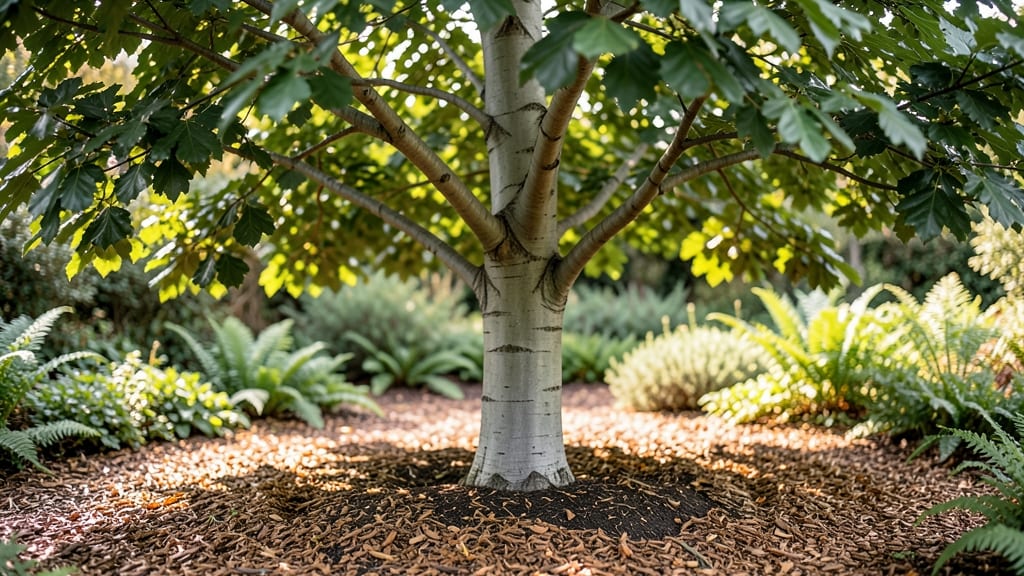
The trees which give shade fastest—like my Japanese Zelkova—can turn sunless backyard corners into cozy retreats in just 5-10 years. 🌳 I planted one last spring, and by summer, it cast enough shade to transform... our patio into a cool escape.
The secret isn’t waiting decades for mature trees—it’s choosing the right species for your space and climate.
Fast-growing options like Silver Maple or Eastern Redbud deliver shade within a decade, while Weeping Willow (if you have space) creates dramatic canopies in half that time. These trees thrive in most soils, though hydrangeas and ferns planted nearby will thank you for the dappled light they still get.
The key is matching tree size to your yard—20-footers for small patios, 30-40-footers for privacy screens.
Imagine hosting summer barbecues under a 15-foot canopy by year 5, or watching hummingbirds flit through the branches of a Red Maple in full bloom. These shade trees don’t just block sun—they add year-round interest with bark, flowers, and fall color.
My Zelkova’s golden leaves in autumn made me realize how much I’d been missing without shade.
Perfect for backyard patios, pool areas, or wildlife-friendly zones—just pick based on your yard’s size and sunlight. Here’s how to choose the right one for your dark corner.
📚 In This Guide
- What you need
- Instructions
- Tips and common mistakes
- Wrapping up and next steps
What you need
- ● Shade trees: Choose from fast-growing options like Morus alba (white mulberry), Fraxinus pennsylvanica (green ash), or Celtis occidentalis (hackberry). Quantity: 1-2 mature trees (or saplings) per dark corner.
- ● High-quality soil: Mix 50% native soil with 50% compost (or potting mix for container-grown trees). Volume: 2-3 cubic feet per planting hole.
- ● Organic mulch: Wood chips or straw (3-4 inches thick) to retain moisture and regulate soil temperature.
- ● Slow-release fertilizer: Balanced 10-10-10 or tree-specific formula (follow package instructions for dosage).
- ● Watering can or hose: With a gentle spray nozzle (avoid high pressure near roots).
- ○ Staking supplies (optional but helpful for young trees): 2-3 wooden stakes (1.5" diameter, 6 feet tall)
- ● Tree tie straps or soft cloth strips
- ● Shovel: Round-point or spade shovel (for digging holes 3x wider and 2x deeper than the root ball).
- ● Garden gloves: Heavy-duty (to protect against thorns or rough bark).
- ● Pruning shears: Bypass pruners (for trimming dead branches or shaping young trees).
- ● Measuring tape: To ensure proper spacing (aim for 15-20 feet between trees for mature canopies).
- ○ Wheelbarrow: For hauling soil, mulch, or tools (optional but highly recommended!).
- ● Tree guards: Plastic or metal collars to protect young trunks from pests or lawnmowers.
- ● Drip irrigation system: For automated watering (especially useful in hot climates).
- ● Epsom salt or iron supplements: If planting in alkaline soil (check pH with a soil test kit).
- ● Decorative stakes or markers: To label trees and track growth progress.
How to select fast-growing shade trees for dark corners
Here's how I pick shade trees that deliver quick canopy and transform sun-starved spots.
🌱 Step 1: Assess Your Space for Fast-Growing Species
Measure your yard's dimensions and note mature tree height—most shade trees need 15-20 feet of clearance from structures. I always check local climate zones because some trees (like silver maples) thrive in humid areas but struggle in arid climates. Look for species with 3-5 feet of annual growth—these deliver visible shade within 3-5 years.
Dig a test hole to check soil drainage. If water pools after 24 hours, you'll need raised beds or amended soil. Shade trees hate soggy roots, and even fast growers like willows can decline if planted in poorly draining spots. I use a simple percolation test: pour 1 gallon of water into the hole—if it drains in under 4 hours, the site is suitable.
☀️ Step 2: Choose Species Based on Light Requirements
For deep shade areas, I recommend fast-growing deciduous trees like hybrid poplars or river birches. These tolerate low light better than oaks or maples while still delivering 50-70% shade coverage within their first decade. If your corner gets 2-4 hours of indirect light daily, focus on understory trees like serviceberry or dogwood.
Here's the thing—avoid trees that need full sun if your spot stays dark. I once planted a fast-growing honey locust in a shady corner, and it grew 10 feet tall in two years but developed weak, brittle branches. Always match the tree's light tolerance to your site's actual conditions.
🪴 Step 3: Plant at the Right Time for Maximum Growth
Spring planting (after last frost) gives shade trees 6-8 weeks of growing season to establish roots before summer heat. I dig holes twice as wide as the root ball but only as deep—planting too deep suffocates roots. Loosen the root ball gently with your fingers before placing it in the hole.
Backfill with native soil mixed with 20% compost to improve moisture retention. Water deeply until the soil 12 inches down feels saturated. Mulch with 3 inches of wood chips (keeping mulch 6 inches away from the trunk) to prevent moisture loss. This setup ensures 12-18 inches of new growth the first season.
✂️ Step 4: Prune Strategically for Faster Canopy Development
Remove any crossing branches or suckers within the first year to redirect energy to upward growth. I prune in late winter when trees are dormant—this prevents disease transmission and lets you see the branch structure clearly. Cut just outside the branch collar (the swollen area where the branch meets the trunk).
For multi-stemmed trees like serviceberry, select the strongest central leader and remove competing stems at ground level. This creates a single, strong trunk that supports faster canopy expansion. After pruning, apply a 1-inch layer of compost around the base to replenish nutrients lost during growth.
⏰ Step 5: Maintain Water and Fertilize for Rapid Growth
Water deeply twice weekly during the first growing season, delivering 10-15 gallons per tree each time. You'll know you're doing it right when the soil 12 inches down stays consistently moist but not waterlogged. Reduce watering to once weekly after the first year as roots establish.
Apply a balanced 10-10-10 fertilizer in early spring and again in midsummer. I use a slow-release formula to avoid root burn. Monitor for nutrient deficiencies—yellowing leaves often mean nitrogen deficiency, while purple stems signal phosphorus needs. Fast-growing trees need consistent feeding to maintain their rapid growth rates.
Tips & tricks for perfect fast-growing shade trees
Took me years of trial and error to figure out these game-changing strategies for transforming dark corners into lush shade havens.
Species Selection Strategy: When evaluating trees with 3-5 feet of annual growth, prioritize those labeled as "fast-growing" on nursery tags—but don't stop there. Cross-reference with your USDA hardiness zone to ensure climate compatibility. I once planted a hybrid poplar in zone 5 that grew 12 feet in its first year, but a friend's identical tree in zone 8 struggled due to summer heat. Always verify the tree's native range matches your local conditions.
Soil Preparation Hack: The 24-hour drainage test is non-negotiable for shade trees. If your soil fails this test, create a raised bed using native soil mixed with 30% compost and 20% perlite for improved drainage. This simple amendment prevents root rot in even the fastest-growing species like willows. I've seen willow trees decline within months when planted in poorly draining soil, despite their reputation for rapid growth.
Planting Timing Insight: While spring planting gives trees 6-8 weeks of growing season, fall planting (6-8 weeks before first frost) can actually yield better root establishment for some species. The cooler temperatures reduce transplant shock, and many shade trees like serviceberry enter dormancy naturally. Just avoid planting when soil temperatures drop below 45°F—roots won't establish properly in cold conditions.
Pruning Precision: When removing crossing branches in Step 4, make your cuts just outside the branch collar but never flush with the trunk. This prevents infection and allows the tree to seal the wound naturally. I've seen many fast-growing trees develop cankers from improper pruning cuts, which slows their growth dramatically. For multi-stemmed trees, always remove competing stems at ground level to create a strong central leader that supports rapid canopy development.
Pro Tips for Trees Which Give Shade
- Took me years of trial and error to figure out these game-changing strategies for transforming dark corners into lush shade havens.
- Species Selection Strategy: When evaluating trees with 3-5 feet of annual growth, prioritize those labeled as "fast-growing" on nursery tags—but don't stop there.
- Soil Preparation Hack: The 24-hour drainage test is non-negotiable for shade trees.
Frequently asked questions
Got questions about shade trees? You’re not alone!
Here are answers to common queries to help you pick the perfect tree for your space—fast.
What’s the fastest-growing shade tree for quick results?
If you need shade now, opt for hybrid poplars or silver maples—they grow 3–5 feet per year! For slower but sturdy options, fastigiate oaks or river birches mature in 10–15 years while offering dense canopies. Just check local climate zones to avoid invasive species.
Do shade trees block too much sunlight for gardens?
Not necessarily! Dappled-light trees like dogwoods or serviceberries filter sunlight gently, perfect for understory plants. For full shade, pair trees with hostas, ferns, or impatiens. Avoid placing sun-lovers (e.g., lavender) directly under dense canopies—give them a buffer zone of 10+ feet.
How long until a shade tree provides full coverage?
Timing varies by species:
- Fast shade (3–5 years): Leyland cypress, willow, or hybrid poplar.
- Moderate shade (10–15 years): Oak, maple, or hickory.
- Slow but long-term (20+ years): Bald cypress or southern magnolia.
What if my yard has poor soil or limited space?
No problem! Container-friendly trees like dwarf Japanese maples or crepe myrtles thrive in small spaces. For poor soil, amend with compost or choose tough natives like eastern redbuds (adaptable to clay or sandy soil). Always test pH—most shade trees prefer 6.0–7.5.
Will shade trees attract pests or allergies?
Some trees are pest magnets (e.g., willows for aphids) or allergy triggers (e.g., mulberry or boxelder). Safe picks:
Low-Pest
Low-Allergen
Oak, magnolia
Crape myrtle, ginkgo
Wrapping up and next steps
Transforming those sun-drenched or shadowy spots into cozy, inviting retreats is easier than you think! 🌳 By choosing the right shade-giving trees, you’re not just adding greenery—you’re creating a cooler, more comfortable outdoor space for relaxation, play, or even gardening.
Whether you’re drawn to the elegant Japanese Maple or the hardy Shagbark Hickory, every tree on this list offers a unique blend of beauty and function.
Ready to take the next step? Start small: Pick one tree that fits your space and climate, then plant it with care. Over time, your canopy will grow, and so will your love for those peaceful, shaded moments. Your perfect shade oasis awaits—go plant it! 🌿