
Plants
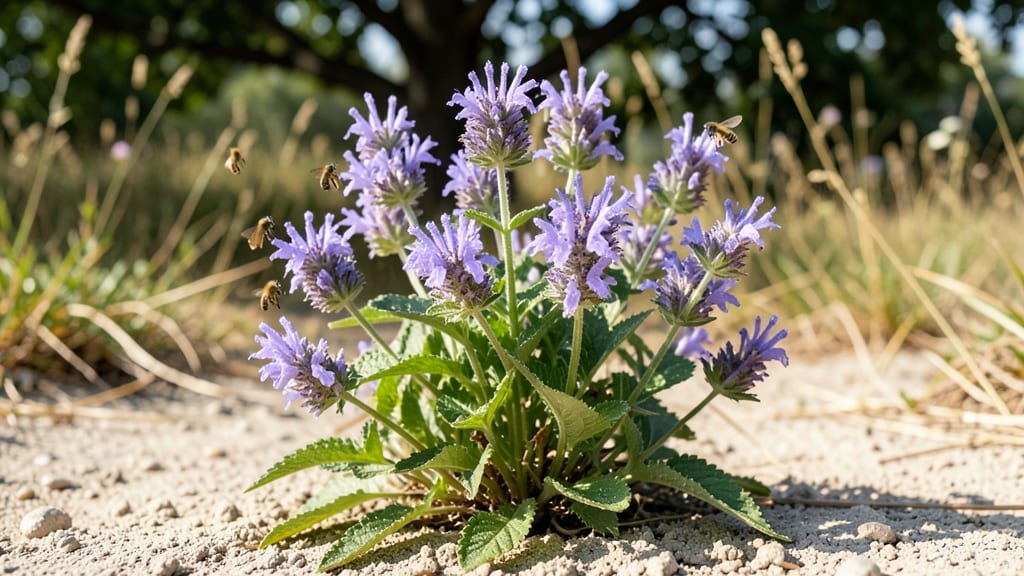
Struggling to grow plants in sandy, shady soil? These 10 hardy species thrive in dry, low-light conditions while requiring minimal water and maintenance. Perfect for coastal gardens, under trees, or drought-prone landscapes.
Coastal Wood Fern Thrives in Sandy Shade
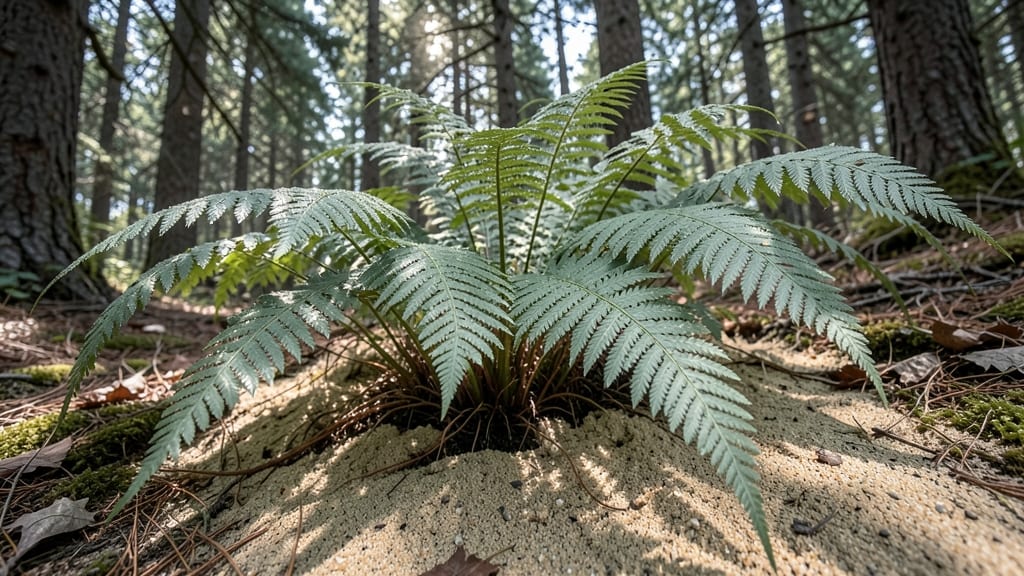
If your garden has sandy soil and deep shade where most plants struggle, the coastal wood fern is your secret weapon. This native woodland beauty thrives exactly where others fail—no fuss, no watering, just lush, textured foliage year-round.
Once established, coastal wood fern requires zero supplemental watering and tolerates nutrient-poor sandy soil like a champ. Its delicate, arching fronds create a soft, layered look that mimics natural forest floors, while its evergreen habit keeps your garden looking vibrant even in winter. Simply plant in deep shade (under trees or on north-facing slopes) and let it grow.
Perfect for woodland gardeners, shade-loving enthusiasts, or anyone tired of struggling with finicky plants, this fern adds organic texture without demanding attention. 🌿
Dwarf Mondo Grass Creates Low-Maintenance Ground Cover
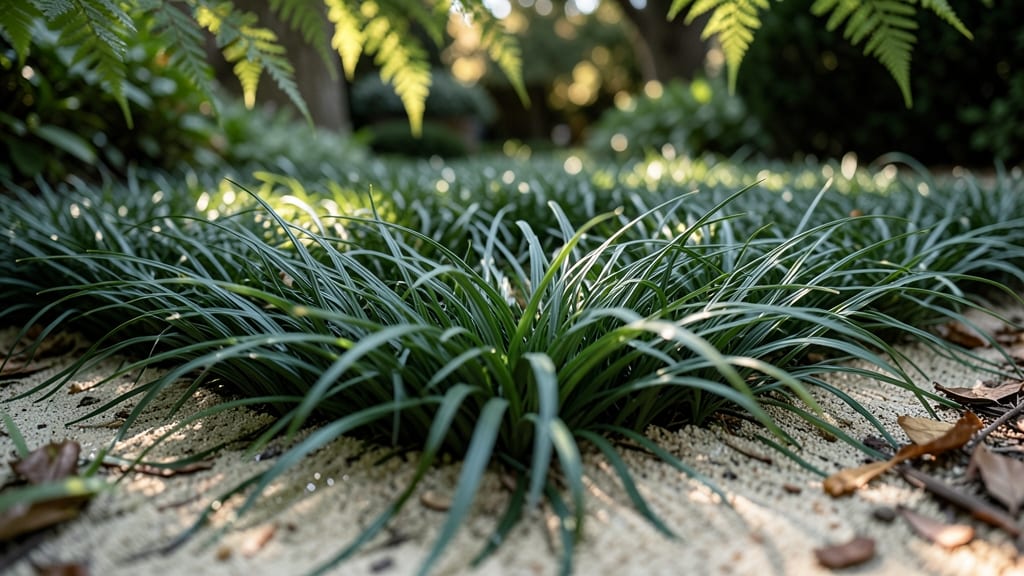
Tired of battling weeds in shady, sandy garden beds? Dwarf mondo grass (Ophiopogon japonicus 'Nana') is your secret weapon—a lush, evergreen ground cover that thrives where most plants struggle.
This drought-resistant grass spreads effortlessly in sandy soil while handling full shade, creating a dense, weed-blocking carpet that stays green year-round. Simply plant plugs 6-12 inches apart and watch it fill gaps naturally, eliminating the need for mowing. It’s perfect for understory planting, slopes, or even container gardens.
Gardeners with busy schedules or sandy, shady spots will love how this grass suppresses weeds while adding uniform texture. Just keep it slightly moist during establishment—after that, it’s nearly maintenance-free. 🌱
Inland Sea Oats Adds Movement to Shady Areas
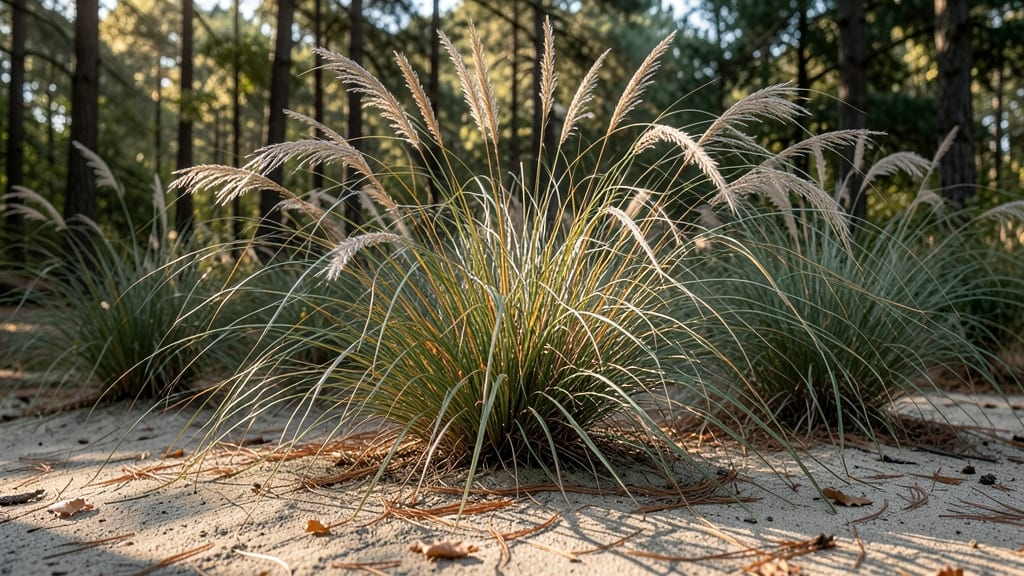
Tired of shady spots that look dull and stagnant? Inland sea oats brings life to your sandy, low-light garden with its graceful movement and architectural form. Unlike other ornamental grasses that demand full sun, this native beauty thrives in partial shade while adapting effortlessly to sandy soil.
Reaching 3-4 feet tall, its airy seed heads sway gently in the breeze, creating a mesmerizing dance that adds vertical interest without stealing sunlight from nearby plants. Plant it in clusters along garden edges or near patios to create a natural wind screen. Once established, it requires minimal watering, making it perfect for drought-prone areas.
This versatile grass is ideal for gardeners who want to add texture and motion to shady corners without the fuss of high-maintenance plants. 🌻
Creeping Phlox Spreads Easily in Sandy Shade
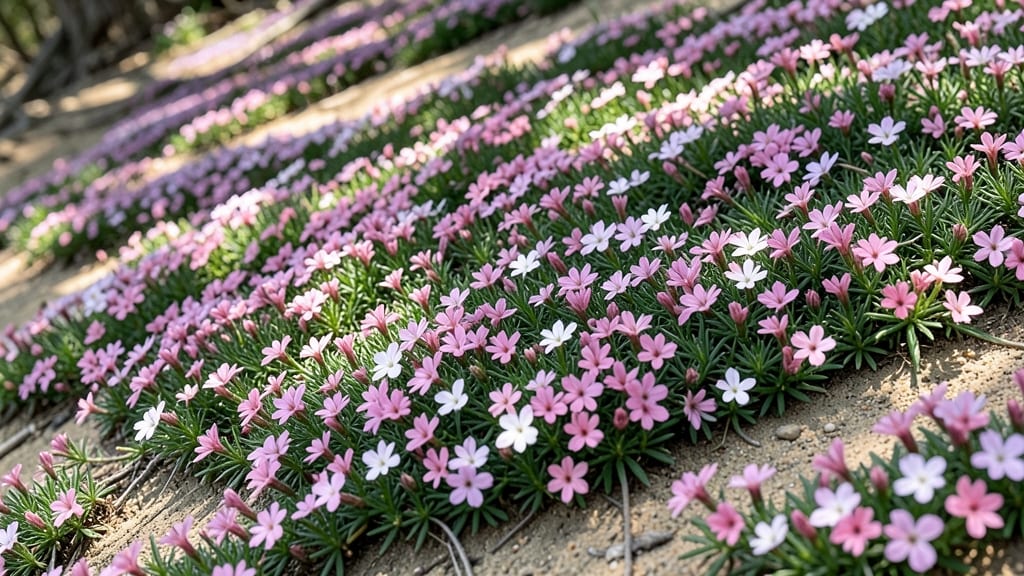
Want a no-fuss ground cover that brightens sandy, shady spots with vibrant spring color? Creeping phlox (Phlox subulata) is your answer—a sprawling perennial that thrives where others refuse to grow.
This hardy plant forms dense mats just 4-6 inches tall, perfect for slopes or understory planting where water drains too quickly. It tolerates dry shade and sandy soil with ease, producing clusters of purple, pink, or white blooms from late winter through spring. Simply plant in well-drained sandy soil and let it spread naturally—no mowing or pruning required.
Ideal for beginner gardeners or anyone with shady, sandy patches, creeping phlox adds seasonal color while suppressing weeds. Plant in early fall for best root establishment and enjoy years of effortless blooms. 🌷
Japanese Painted Fern Offers Unique Foliage
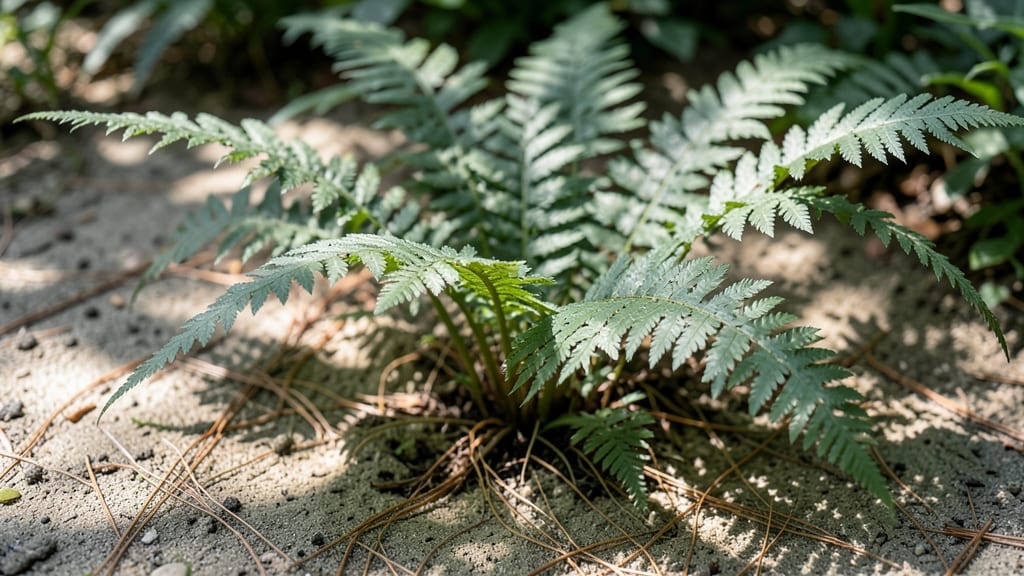
Looking for a fern that stands out without the fuss? The Japanese painted fern (Athyrium niponicum var. pictum) delivers two-tone foliage—vibrant green tops with striking silvery undersides—that catches the light in dappled shade. Unlike other ferns, it thrives in sandy, acidic soil where many plants fail, making it ideal for woodland edges or containers.
This fern’s secret weapon is its adaptability: it tolerates partial shade and dry conditions once established, yet its bold foliage adds architectural interest to shady spots. Simply plant in well-draining soil and water occasionally—no pampering required. Its compact size (18–24 inches tall) makes it perfect for borders or mixed containers.
Urban gardeners and woodland enthusiasts will love how this fern adds texture without demanding moisture. Pair it with hostas or heucheras for a layered, low-maintenance shade garden. ✨
Dwarf Fothergilla Provides Fragrant Spring Blooms
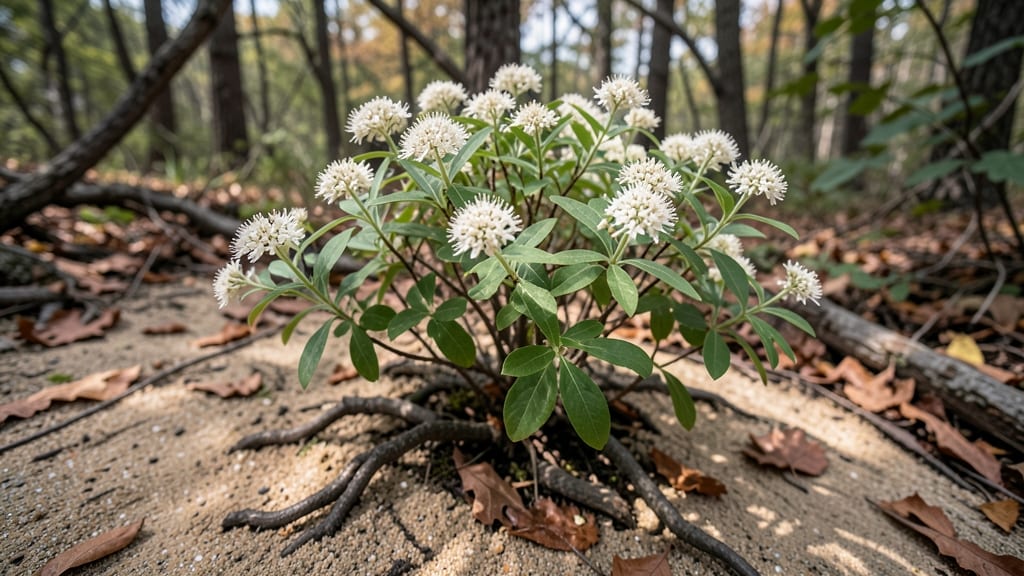
Looking for a fragrant, four-season shrub that thrives in sandy soil and shade? Meet dwarf fothergilla (Fothergilla gardenii), a compact woodland native that delivers two seasons of color with almost no effort. Its bottlebrush-like white flowers in spring release a sweet, spicy fragrance that fills shady corners, while fall foliage turns fiery red—making it a standout in dry, low-light spots.
This 3-4 foot tall shrub adapts beautifully to sandy, acidic soil while tolerating partial to full shade, perfect for foundation plantings under trees or along north-facing walls. Simply water occasionally during establishment, then let it thrive on rainfall. Prune lightly after flowering to maintain its neat, rounded shape and encourage new growth.
Urban gardeners and foundation planters will love how dwarf fothergilla adds year-round structure with minimal care. Its fragrant blooms and seasonal color changes make it a quiet star in shady gardens where other plants struggle. ✨
Sand Cherry Adds Edible Fruit to Shady Gardens
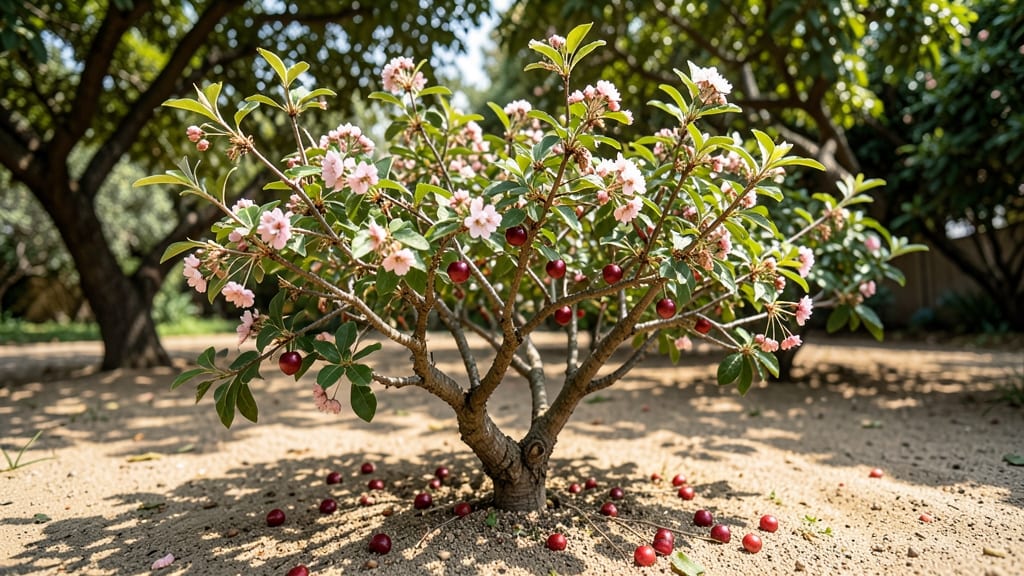
Want a shady garden that doubles as a fruit producer? The sand cherry (Prunus pumila) is your answer—a drought-tolerant shrub that thrives in partial shade and sandy soil while bearing sweet, tart cherries perfect for snacking or wildlife feeding.
This hardy shrub grows 3-6 feet tall, making it ideal for understory planting or woodland edges. Its small, red fruits ripen in late summer, attracting birds and pollinators while providing you with a harvestable crop with almost no effort. Simply plant in well-drained sandy soil and water occasionally—once established, it handles dry spells like a champ.
Perfect for permaculture gardens, wildlife-friendly landscapes, or edible shrub borders, sand cherry adds both beauty and bounty to shady spots where most fruit-bearing plants struggle. 🌟
Alum Root Perennial Thrives in Dry Shade
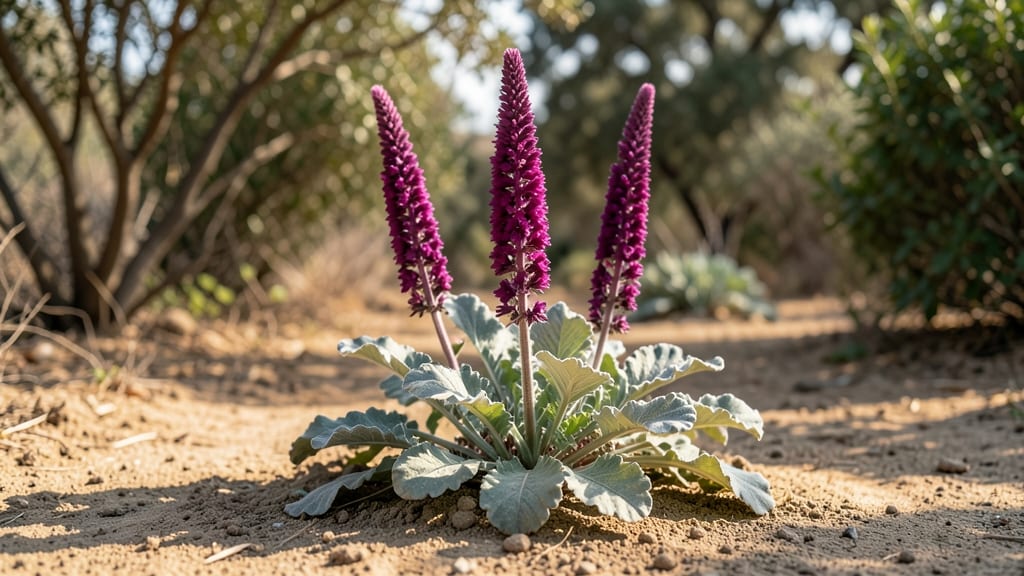
Need a late-season color boost in your sandy, shady garden? Alum root (Heuchera sanguinea) delivers with its striking purple flower spikes that bloom from late summer into fall—right when many gardens are fading. This native perennial thrives where others fail, tolerating dry shade and sandy, well-drained soil with ease.
Growing just 2-3 feet tall, alum root’s airy blooms attract pollinators like bees and butterflies while its deep green foliage provides year-round texture. Plant it in well-drained sandy soil under trees or along garden edges, and water only occasionally—it’s built for drought once established. The secret to its success? Its deep root system taps into moisture while tolerating poor soil conditions.
Perfect for pollinator gardens, native plant enthusiasts, or anyone with sandy, shady spots, alum root adds effortless beauty with minimal care. 🌟
Dwarf Sumac Creates Dramatic Foliage Contrasts
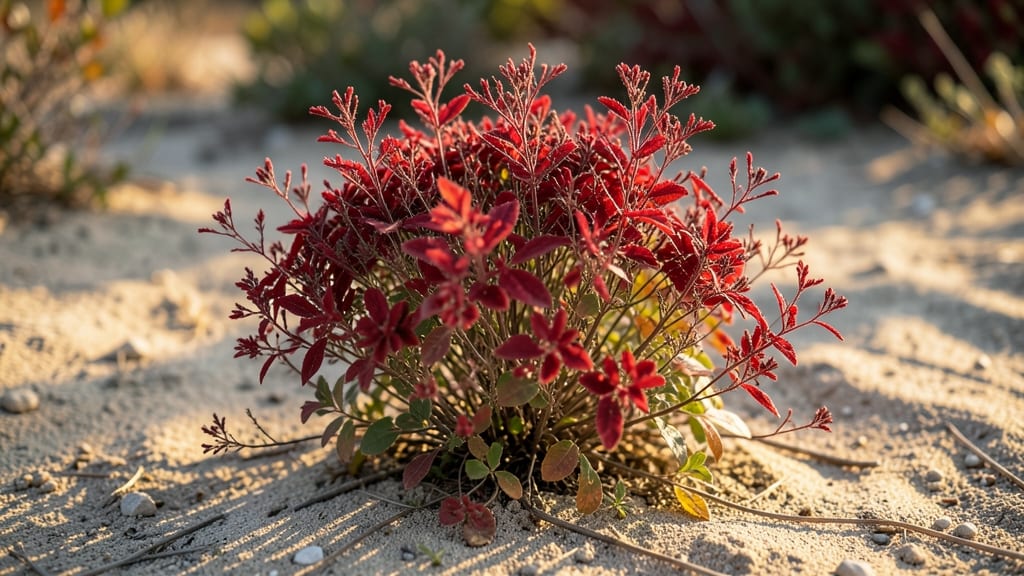
Want a bold statement plant that thrives in sandy soil and shade while demanding almost no care? Dwarf sumac delivers a stunning fall color show—vibrant red foliage that outshines most shrubs—without the fuss of high-maintenance varieties.
This compact shrub grows just 3-5 feet tall, making it perfect for mass planting under trees or along shady borders. Unlike its larger cousins, dwarf sumac tolerates dry, sandy conditions and partial shade like a champ, while its clumping habit prevents it from spreading invasively. Simply plant in well-drained soil and prune lightly in late winter to maintain shape—no fertilizing or frequent watering required.
Ideal for urban gardeners with limited space or anyone craving dramatic seasonal color, this shrub transforms dull shady spots into eye-catching focal points. Its low-maintenance nature makes it a top pick for busy gardeners who still want high-impact results. 💚
Wild Bergamot Attracts Pollinators to Shady Gardens

If your shady garden feels like a pollinator desert, wild bergamot (Monarda fistulosa) is your game-changer—a native perennial that thrives in sandy soil while producing fragrant lavender blooms that bees and butterflies can't resist. Unlike many shade plants, it doesn't just survive—it flourishes with minimal care, making it perfect for sandy, low-light spots where others fail.
This hardy plant grows 2-4 feet tall and tolerates partial shade beautifully, adapting to sandy, well-drained soil without needing supplemental water once established. Its late-summer blooms provide nectar when many other plants have finished flowering, supporting pollinators during their busiest season. Simply deadhead spent blooms to encourage more flowers and watch your shady garden transform into a buzzing ecosystem.
Wild bergamot is ideal for native plant gardens, pollinator-friendly landscapes, or any space where you want to attract wildlife without extra effort. It's also deer-resistant, making it a practical choice for rural or suburban gardens alike. 🌿