
Light Requirements
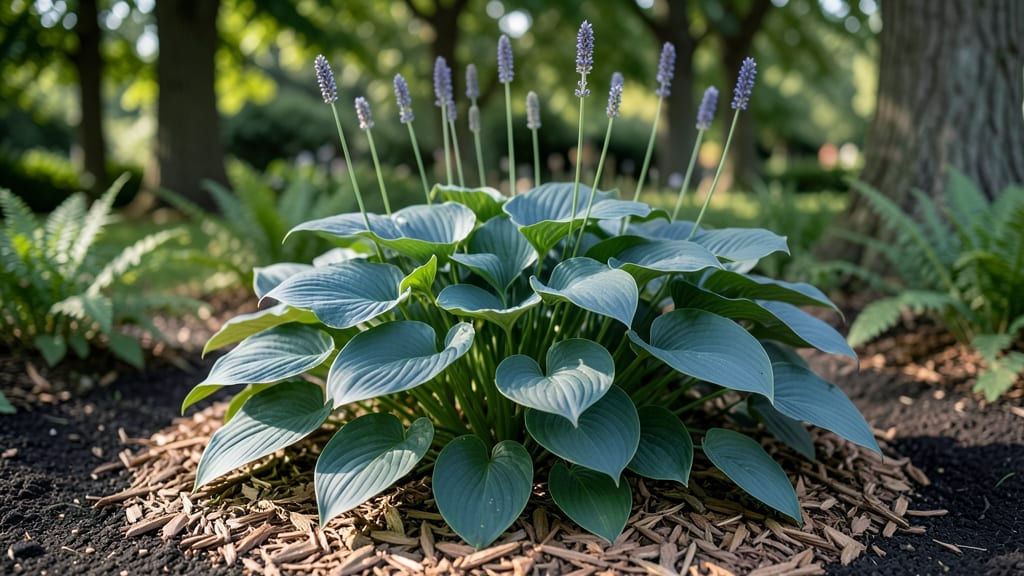
The total shade-loving plants that thrive in my darkest corner don’t just survive—they steal the show with bold foliage and unexpected bursts of color. The secret? Matching the right plants to moisture levels, soil, and that elusive "just enough" light.
Start with hostas for bold variegated leaves, heucheras for jewel-toned foliage, and astilbes for feathery plumes that dance in the breeze. These shade stars need rich, moist soil—think leaf mold or compost mixed into garden beds—and consistent watering since they can't photosynthesize like sun-lovers.
Spacing matters too: give plants room to breathe (18-24 inches apart) so air circulates and fungal issues stay away.
What you'll end up with is a year-round showpiece that stays vibrant even when sunlight fades. The deep greens of ferns contrast beautifully with hosta's chartreuse stripes, while astilbes add movement through summer.
Plus, these plants repel deer—a bonus for rural gardeners. The best part? Less maintenance than sun gardens because you're not battling drought or scorched leaves.
For maximum impact, layer plants by height: tall astilbes in back, medium hostas in the middle, and low-growing sweet woodruff or foamflower at the front. Mulch heavily to lock in moisture and keep roots cool.
This isn't just shade gardening—it's creating a cool, tranquil oasis that feels like stepping into a secret forest garden.
📚 In This Guide
- What you need
- Instructions
- Tips and common mistakes
- Wrapping up and next steps
What you need
- ● Shade-tolerant plants: 3–5 plants (e.g., Hostas, Ferns, Calatheas, Impatiens, or Lungwort). Choose based on your climate and soil type.
- ● Well-draining potting mix: 2–3 bags (look for mixes labeled "organic" or "for shade plants"). Avoid heavy garden soil.
- ● Containers or garden bed: Containers: 1–2 per plant (10–12" diameter for small plants, 14–16" for larger varieties). Ensure they have drainage holes.
- ● Garden bed: A pre-dug area (12–18" deep) with loose, amended soil.
- ● Organic mulch: 1–2 bags (e.g., shredded bark or pine needles) to retain moisture and suppress weeds.
- ● Slow-release fertilizer: 1 packet (balanced, 10-10-10 or organic options like fish emulsion).
- ● Watering can or hose with a gentle spray nozzle: For deep, even watering (avoid overhead sprinklers that can damage foliage).
- ● Gloves and knee pads: For comfort during planting.
- ● Peat moss or coconut coir: Mix 1 part into potting soil for extra moisture retention in dry shade.
- ● Plant supports: Small stakes or cages for taller plants like Astilbe or Heuchera.
- ● Self-watering system: A reservoir or drip irrigation kit for low-maintenance care.
- ● Soil pH tester: To ensure your mix is slightly acidic to neutral (6.0–7.0), ideal for most shade plants.
- ● Decorative stones or pebbles: For a polished look around containers or garden edges.
Step-by-step guide to selecting and planting total shade-loving plants
Here’s how to transform dark corners into lush, vibrant spaces using only shade-tolerant plants.
Assess Light Conditions and Soil Requirements
First, determine your shade level—true shade gets less than 2 hours of direct sun daily, while partial shade receives 2-6 hours. Use a light meter or observe your space for a week to confirm. Most total shade plants thrive in 4-6 hours of filtered light or dappled sunlight, so avoid deep, dense shadows where even artificial light struggles to penetrate.
Test your soil’s moisture retention by digging a 6-inch hole and filling it with water. If it drains within 30 minutes, your soil is too fast-draining and needs 20% compost mixed in. If water pools after 2 hours, amend with sand or perlite to improve aeration. Total shade plants prefer moist but well-drained soil—never soggy.
Choose the Right Plants for Your Space
For ground cover, select heuchera (coral bells) or lamium (dead nettle)—both tolerate full shade and spread quickly to suppress weeds. Heuchera’s foliage comes in striking purples, silvers, and deep greens, while lamium adds delicate spikes of purple flowers in spring. Plant heuchera 12-18 inches apart and lamium 10-12 inches apart for full coverage.
For height and structure, fatsia japonica (Japanese aralia) or hosta (plantain lily) are ideal. Fatsia’s leathery, palm-like leaves reach 6-8 feet tall, while hosta offers bold variegation in shades of blue, gold, and green. Space fatsia 8-10 feet apart and hosta 18-24 inches apart—hosta’s rhizomes spread aggressively, so contain them with underground barriers if needed.
Prepare the Planting Site
Clear the area of weeds and loosen soil to a depth of 12 inches using a garden fork. Avoid tilling if your soil is clay-heavy—this can compact it further. Mix in 3 inches of compost and 1 cup of balanced 10-10-10 fertilizer per 4-square-foot area to give plants a nutrient boost without overwhelming them. Water the amended soil deeply until it’s evenly moist to 6 inches down.
Dig holes twice as wide as the root ball but only as deep. Place each plant so the top of the root ball sits level with the soil surface—burying too deep can suffocate roots, while planting too high leaves stems vulnerable to drying out. Gently backfill with soil, firming lightly around the edges to eliminate air pockets.
Mulch and Water for Establishment
Apply 3 inches of organic mulch (shredded bark or pine needles) around each plant, keeping it 2 inches away from stems to prevent rot. Mulch retains moisture, regulates soil temperature, and suppresses weeds—critical in shade where grass and weeds compete aggressively for light. Water deeply immediately after planting to settle the soil and encourage root contact.
For the first 2 weeks, water every 2-3 days until the soil is moist to 4 inches deep. After that, reduce to once weekly unless rainfall is insufficient. Overwatering in shade is a common mistake—yellowing leaves often signal soggy roots. Adjust based on soil moisture at 2 inches down—if dry, water; if damp, wait.
Monitor and Maintain for Long-Term Health
Fertilize lightly once in early spring with a slow-release 5-5-5 fertilizer, scattering granules on the soil surface and watering them in. Avoid high-nitrogen fertilizers, which promote leafy growth at the expense of root development. Prune spent foliage or leggy stems in late winter to encourage bushier growth—cut back to just above a leaf node for best results.
Watch for pests like slugs or vine weevils, which thrive in damp shade. Handpick slugs at night (they’re most active then) or use copper tape barriers around pots. For weevils, apply neem oil spray in early evening to avoid harming pollinators. Most shade plants are low-maintenance, but hostas may need division every 3-4 years to prevent overcrowding—dig up clumps in early spring and separate rhizomes with a clean knife.
Tips & tricks for thriving shade gardens
Transforming dark corners into vibrant plant havens takes strategy—here’s how to maximize success with shade-tolerant foliage.
Light Assessment Nuance: The 4-6 hours of filtered light mentioned is ideal, but don’t dismiss spaces with just 2-6 hours of partial shade. Many shade plants actually prefer this gentler light over full sun’s intensity. Use a simple test: if you can read a book comfortably outdoors for several hours, your space likely qualifies. This understanding prevents planting in spaces too dark for even the hardiest varieties.
Soil Test Precision: When testing soil moisture retention in that 6-inch hole, pay attention to how quickly the water disappears. If it drains within 30 minutes, your soil is too sandy—this is actually better than too clay-heavy, but still requires the 20% compost addition. For clay soils where water pools after 2 hours, mix in sand or perlite at a 1:3 ratio with soil. The goal is to create that perfect "moist but well-drained" balance where roots can breathe but never drown.
Plant Spacing Strategy: The recommended 12-18 inches for heuchera and 18-24 inches for hosta might seem generous, but this spacing is crucial in shade gardens. Plants compete aggressively for the limited light available, and proper spacing prevents overcrowding that leads to leggy growth and disease. For fatsia japonica, consider the mature 6-8 foot height when planting—these trees need room to develop their majestic structure without competing with nearby plants for light.
Watering Wisdom: That first 2-week watering schedule of every 2-3 days is critical, but timing matters just as much as frequency. Water in the early morning when evaporation rates are lowest. This gives roots time to absorb moisture before the heat of the day. After establishment, check soil moisture at 2 inches down—this is where most plant roots actually reside. If it’s damp, wait; if dry, water thoroughly until moisture reaches 4 inches deep.
Pro Tips for Total Shade Loving Plants
- Transforming dark corners into vibrant plant havens takes strategy—here’s how to maximize success with shade-tolerant foliage.
- Light Assessment Nuance: The 4-6 hours of filtered light mentioned is ideal, but don’t dismiss spaces with just 2-6 hours of partial shade.
- Soil Test Precision: When testing soil moisture retention in that 6-inch hole, pay attention to how quickly the water disappears.
Frequently asked questions
Got questions about keeping your total shade-loving plants happy? You’re not alone! Here are answers to the most common concerns—so you can grow lush greenery even in the darkest spots of your home or garden.
What’s the difference between shade-tolerant and shade-loving plants?
Shade-tolerant plants can survive with little light but may struggle without some brightness. Shade-loving plants thrive in zero direct sunlight—they’re the perfect pick for north-facing rooms, under trees, or windowless bathrooms. Think ferns, peace lilies, or snake plants!
How long does it take for shade plants to adjust to low light?
Most adapt within 2–4 weeks, but slow growers (like Zamioculcas zamiifolia) may take longer. If leaves yellow or stretch (etiolation), move them to a slightly brighter spot—but still avoid harsh sun. Patience is key!
Do shade plants need less water than sun-loving ones?
Not always! Many thrive in consistently moist soil (e.g., ferns, calatheas) but never soggy. Others, like snake plants, tolerate dryness. Check soil moisture with your finger—water when the top inch feels dry. Overwatering is the #1 killer!
Can I grow edibles in total shade?
Yes, but limit your options! Leafy greens like spinach or kale (with artificial grow lights) and herbs such as mint or parsley work. Root veggies (carrots, beets) need more light. For best results, pair edibles with ornamental shade plants for a functional + pretty combo.
Why are my shade plants’ leaves turning yellow or spotted?
Common culprits:
- Overwatering (root rot) or underwatering (stress).
- Fungal issues (like powdery mildew) from poor airflow.
- Fluoride sensitivity (tap water problem—use filtered or rainwater).
- Pests (spider mites, aphids) hiding on undersides.
Isolate the plant, adjust care, and treat with neem oil if needed. Prevention is easier than fixing!
Wrapping up and next steps
Transforming those dim, forgotten corners into lush green escapes is easier than you think! 🌿 From hostas, shade-loving plants bring life and texture to spaces where sunlight barely lingers. With the right care—like proper soil, watering, and occasional pruning—your darkest spots can become vibrant, low-maintenance havens.
Ready to dive in? Start small: Pick 1-2 plants from our list, test your space’s moisture levels, and watch your green thumb grow! 🌱 Your perfect shade garden awaits—go plant it!