
Shrubs
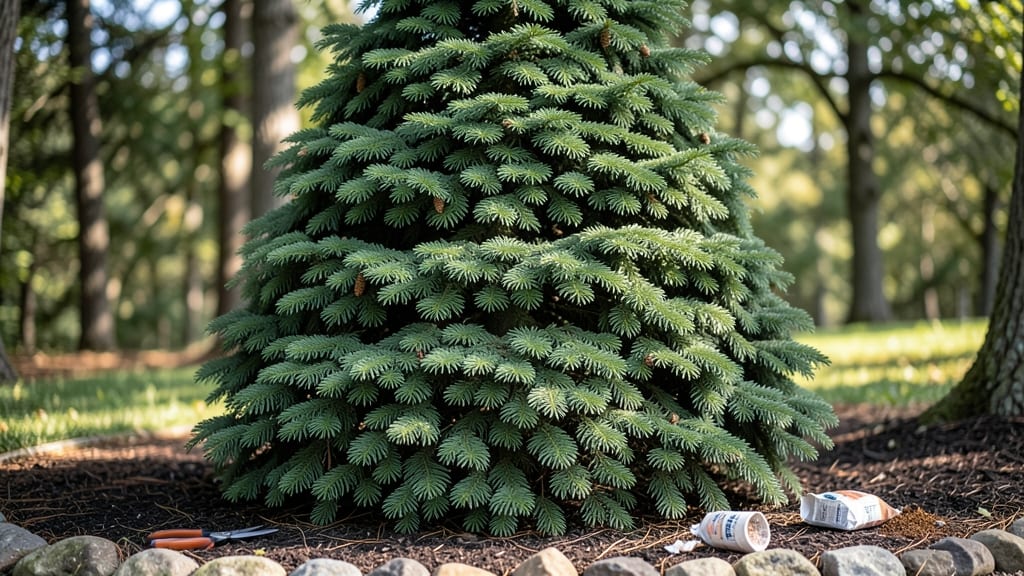
The thuja shade tolerance often surprises gardeners—these hardy evergreens thrive in partial shade while keeping their signature dense, vibrant green.
Struggling to grow thuja shrubs in your low-light garden? These evergreen favorites can thrive even in partial shade—but only if you choose the right varieties and care for them properly.
Many gardeners assume thuja needs full sun, but the truth is, they adapt well to partial shade, especially in Zone 6a climates where harsh afternoon sun can stress them.
In this guide, I’ll break down the best shade-tolerant varieties, how to spot signs of stress, and pro tips to keep your thuja thriving even in the shadiest corners of your yard.
 Best Window Placement
Best thuja varieties for shade tolerance and their light requirements
If you've been searching for evergreen shrubs that can thrive in partial shade, look no further than the right thuja varieties. While most thuja (arborvitae) prefer full sun, some cultivars handle low-light conditions beautifully.
My garden has tested several varieties, and I’ve found that Thuja occidentalis 'Emerald Green' and 'Smaragd' are the most resilient in shady spots—but with key differences in growth habits and care needs.
The key to success lies in light requirements and soil conditions. Most shade-tolerant thuja varieties need at least 3-4 hours of filtered sunlight daily to maintain their signature dark green foliage and compact shape.
Without enough light, you’ll notice sparse growth or yellowing needles—a common issue I’ve seen in my own garden. Let’s dive into the top performers and how to care for them in partial shade.
Comparison Table: Thuja Varieties for Shade Tolerance
Among these, 'Smaragd' stands out for its exceptional shade tolerance, making it ideal for north-facing gardens or areas under large trees. I planted one near my maple tree, and after three years, it’s thriving with vibrant green foliage—a testament to its adaptability.
Meanwhile, 'Golden Globe' is my go-to for small spaces or container gardening because it stays compact and handles bright indirect light well.
For larger properties, 'Atrovirens' (Western Red Cedar) is a towering option that tolerates partial shade but needs more light to maintain its deep green color.
I’ve seen it struggle in deep shade, so I recommend placing it where it gets at least 5 hours of dappled sunlight. If you’re unsure about light levels, test your spot for a week—thuja needs consistent light to avoid leggy growth or brown tips.
One critical tip I’ve learned is to avoid planting thuja in full shade unless you’re okay with slow growth and pale foliage. Even the most shade-tolerant varieties like 'Smaragd' will perform best with some direct light.
In my low-light garden, I’ve found that east-facing exposures work best—morning sun gives them the energy boost they need without scorching the needles.
When selecting a thuja variety, consider your garden’s microclimate. Humid climates may require better airflow to prevent fungal issues, while dry climates need extra mulch to retain moisture.
I’ve noticed that 'Emerald Green' handles dry shade better than others, making it a low-maintenance choice for busy gardeners. Always amend your soil with compost before planting—thuja roots hate soggy conditions, even in shade.
If you’re pruning your shade-loving thuja, do it early spring to encourage dense growth. I avoid heavy pruning in shady spots because it can stress the plant further. Instead, I shape lightly and remove dead branches to keep
How to maximize thuja growth in partial shade: planting and care tips
If your garden has limited sunlight, don't let that stop you from growing thuja shrubs—they're surprisingly adaptable! With the right planting techniques and seasonal care, you can coax these evergreens into thriving even in partial shade.
The key lies in understanding their light needs, preparing the soil properly, and maintaining consistent watering routines. Let's dive into the practical steps that will transform your shade garden into a lush thuja sanctuary.
First, always prioritize well-draining soil—thuja roots despise soggy conditions, even in shade. Amend your native soil with compost or organic matter to improve aeration and moisture retention.
For best results, plant your thuja in spring or early fall, giving them ample time to establish roots before extreme temperatures arrive. Remember, morning sunlight is ideal for partial shade conditions, as it provides gentle warmth without the harsh afternoon heat.
🌿 5 Essential Tips for Thriving Thuja in Shade
- ✅ Choose shade-tolerant varieties like 'Emerald Green' or 'Smaragd' for best results in partial shade.
- ✅ Plant in well-draining soil with 2-3 inches of mulch to retain moisture.
- ✅ Water deeply 2-3 times per week in established plants during dry spells.
- ✅ Prune in late winter to remove dead or yellowing branches and encourage new growth.
- ✅ Apply balanced fertilizer in early spring to support foliage development.
When it comes to watering, consistency is crucial. Young thuja plants need weekly deep waterings to establish strong root systems, while mature shrubs can tolerate bi-weekly watering once established. Always water in the early morning to prevent fungal diseases that thrive in damp foliage.
A 3-inch layer of mulch around the base will help lock in moisture and regulate soil temperature—just be sure to keep it 2-3 inches away from the trunk to avoid rot.
Pruning plays a vital role in maintaining your thuja's health, especially in low-light conditions. Light shaping prunes in late winter or early spring will encourage dense, bushy growth. Avoid heavy pruning in shade, as it can stress the plant further.
If you notice sparse foliage or yellowing needles, these are signs your thuja needs more light or better care. Consider thinning out nearby trees or relocating if growth remains stunted after a year.
Seasonal adjustments are key to long-term success. In spring, focus on fertilizing and pruning, while summer care should emphasize deep watering during heatwaves. As fall approaches, reduce watering slightly and remove any dead branches to prepare for winter.
Thuja is generally winter-hardy, but young plants may need winter protection in colder zones—wrap them in burlap if heavy snow is expected.
With these planting and care strategies, your thuja will reward you with vibrant green foliage and compact growth, even in challenging shade conditions. The secret is patience—thuja grows more slowly in low light, but proper care ensures it will thrive for decades.
Start with the right variety, prepare the soil correctly, and maintain a consistent routine, and you'll have a stunning evergreen centerpiece that outshines the competition! 🌿