
Light Requirements
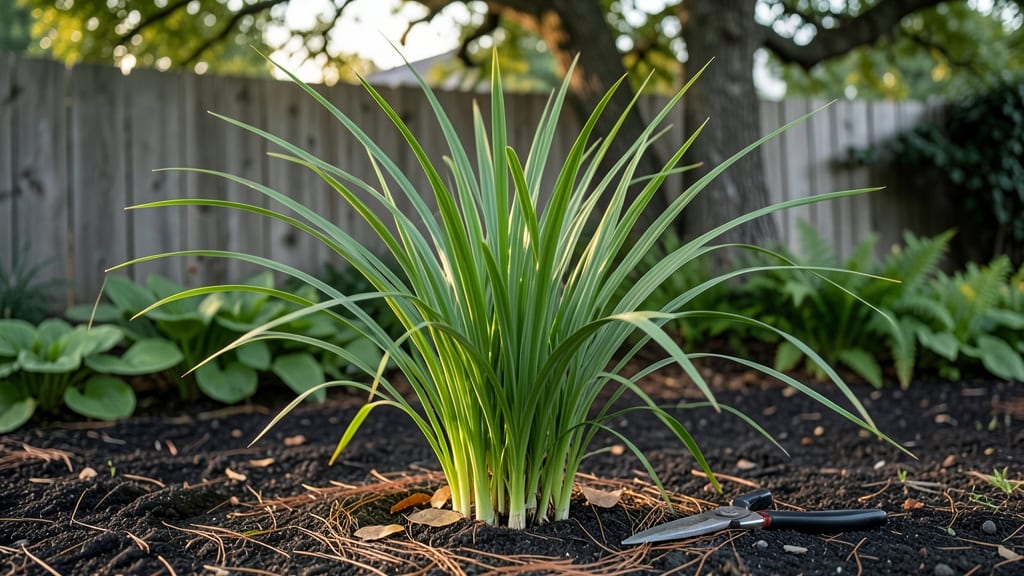
Growing lemongrass in shade isn’t just possible—it’s a smart move for gardeners with limited sunlight, especially in USDA Zone 6a where full sun can be scarce in spring.
Struggling to grow lemongrass in your dimly lit garden? You’re not alone—many gardeners assume this tropical plant needs full sun to thrive. But the truth is, lemongrass can adapt to shade if you choose the right variety and follow a few key growing strategies.
The key lies in selecting shade-tolerant varieties like Cymbopogon citratus 'West Indian,' which handles partial shade better than others. With the right soil prep and watering schedule, you can still harvest 60-90 days after planting—just expect slightly slower growth and thinner stalks.
Below, I’ll break down the best low-light varieties, how to spot signs of stress, and the simple adjustments that keep your 🌿 lemongrass thriving even in shadier spots.

4 Best lemongrass varieties that thrive in shade or partial sun
If you’ve ever wondered can lemongrass grow in shade, the answer is yes—but only with the right varieties! While lemongrass (Cymbopogon spp.) typically loves full sun, some cultivars adapt beautifully to partial shade or filtered light.
These shade-tolerant types maintain their signature citrusy aroma and medicinal properties while thriving in 4-6 hours of indirect sunlight daily. The key is selecting varieties bred for resilience and adjusting care routines to compensate for lower light.
Most gardeners overlook shade-tolerant lemongrass because they assume it requires 6+ hours of direct sun for optimal growth. However, West Indian lemongrass (Cymbopogon citratus 'West Indian') and East Indian lemongrass (Cymbopogon flexuosus) are two standout varieties that perform well in partial shade.
These types prioritize leaf quality over stalk thickness, making them ideal for low-light conditions where full sun isn’t an option.
Why choose shade-tolerant lemongrass? If your garden has dappled sunlight under trees or a north-facing patio, these varieties prevent stunted growth or leggy stalks. They’re also perfect for container gardening on balconies where direct sunlight is limited. Below, I’ve compared the top 4 shade-friendly lemongrass varieties to help you pick the best fit for your space.
🌿
| Variety | Light Needs | Growth Habit | Best For | Height (ft) |
|---|---|---|---|---|
| West Indian (Cymbopogon citratus 'West Indian') | Partial shade (4-6 hrs indirect light) | Upright, clumping, dense foliage | Containers, under trees, culinary use | 3-5 |
| East Indian (Cymbopogon flexuosus) | Partial shade to full sun (adaptable) | Tall, slender stalks, aromatic leaves | Essential oils, tea blends, taller spaces | 4-6 |
| Sri Lankan (Cymbopogon nardus) | Partial shade (3-5 hrs light) | Bushy, compact, citrusy scent | Small gardens, indoor pots, medicinal use | 2-4 |
| Malabar (Cymbopogon martinii) | Partial shade (4-5 hrs light) | Wide leaves, slow-growing, fragrant | Drought-tolerant areas, ornamental use | 3-5 |
The West Indian lemongrass is my top pick for shade gardens because it maintains bold, citrusy flavor even with limited light. Its clumping growth habit makes it ideal for containers or small garden beds, and it rarely suffers from yellowing leaves in partial shade.
For taller spaces, East Indian lemongrass stretches beautifully toward light while still producing high-quality essential oils—just supplement with a grow light for 2-3 hours daily if indoors.
Sri Lankan lemongrass is a hidden gem for indoor growers or those with very low-light conditions. It thrives in 3-5 hours of indirect light and stays compact, making it perfect for kitchen windowsills. Meanwhile, Malabar lemongrass is the most drought-tolerant option, ideal for shady, dry climates where watering is less frequent.
When selecting a variety, consider your primary goal: Are you growing lemongrass for culinary use, essential oils, or ornamental purposes? West Indian is best for cooking, while East Indian excels in oil production.
For low-maintenance shade gardens, Sri Lankan or Malabar are excellent choices. Always start with well-draining soil and a slightly acidic pH (6.0-6.5) to maximize shade tolerance.
🌱
One common mistake is assuming all lemongrass varieties are equal in shade tolerance. For example, common lemongrass (Cymbopogon citratus) in its standard form struggles in deep shade, producing thin, weak stalks with reduced oil content.
That’s why choosing a shade-adapted cultivar is critical. These varieties have been bred to optimize photosynthesis in low light, ensuring you get usable stalks and leaves even without full sun.
To further support shade-grown lemongrass, I recommend fertilizing with a high-nitrogen blend (like 10-10-10) every 6-8 weeks to compensate for slower growth. Pair this with regular pruning to encourage bushier foliage and prevent leggy stalks.
With the right variety and care, your shade-grown lemongrass can be just as productive as its sun-loving cousins!
✂️
How to grow lemongrass in shade: essential tips for survival
Growing lemongrass in shade might seem risky, but with the right approach, you can cultivate this fragrant herb even in low-light spots. The key lies in soil quality, watering consistency, and selecting shade-tolerant varieties.
Unlike its sun-loving cousins, lemongrass adapts surprisingly well when given proper care—think of it as a tropical plant with a flexible attitude.
First, focus on well-draining soil mixed with organic matter like compost. Shade-loving lemongrass roots need air circulation to prevent rot, especially when moisture lingers. A 50/50 mix of potting soil and compost works wonders, whether you're planting in-ground or containers.
For container gardening, ensure pots have drainage holes—this is non-negotiable in shaded environments.
⚠️ callout warning
While lemongrass tolerates shade, too little light (under 4 hours/day) causes stunted growth and yellowing leaves. If your space gets less than 3 hours of indirect light, consider supplementing with a grow light (12-14 hours/day) to prevent nutrient deficiencies. Watch for purple stems—this is a classic sign of phosphorus deficiency from poor light exposure.
Watering becomes even more critical in shade. Without direct sunlight, soil dries slower than expected, so check moisture levels with your finger—aim for top 1-2 inches dry before watering. In containers, this might mean watering every 2-3 days instead of the usual 3-5.
Always water at soil level to avoid wetting the leaves, which can lead to fungal issues like leaf spot disease.
Container gardening is your best bet for shade success. Use 12-inch diameter pots with a minimum 12-inch depth to accommodate lemongrass's deep root system. Place containers near east-facing windows or under dappled shade (like under trees with sparse canopies).
If using black pots, switch to lighter colors—dark containers absorb heat and can stress roots in already-cool shaded areas.
Troubleshooting is half the battle. If your lemongrass shows yellow lower leaves, it’s likely nutrient-deficient from low light. Feed with a balanced 10-10-10 fertilizer every 6-8 weeks during growing season. For brown leaf tips, increase humidity by placing a tray of water nearby or grouping plants together.
And if stalks grow too thin, supplement with a phosphorus-rich fertilizer to boost root and stalk development.
With these adjustments, your shade-grown lemongrass can still produce aromatic stalks—though yields may be 20-30% smaller than sun-grown plants. The trade-off? A thriving herb in spots where others fail.
Harvest stalks when they reach 12-18 inches tall, and always cut just above the lower node to encourage regrowth. Happy growing!