
Companion Plants
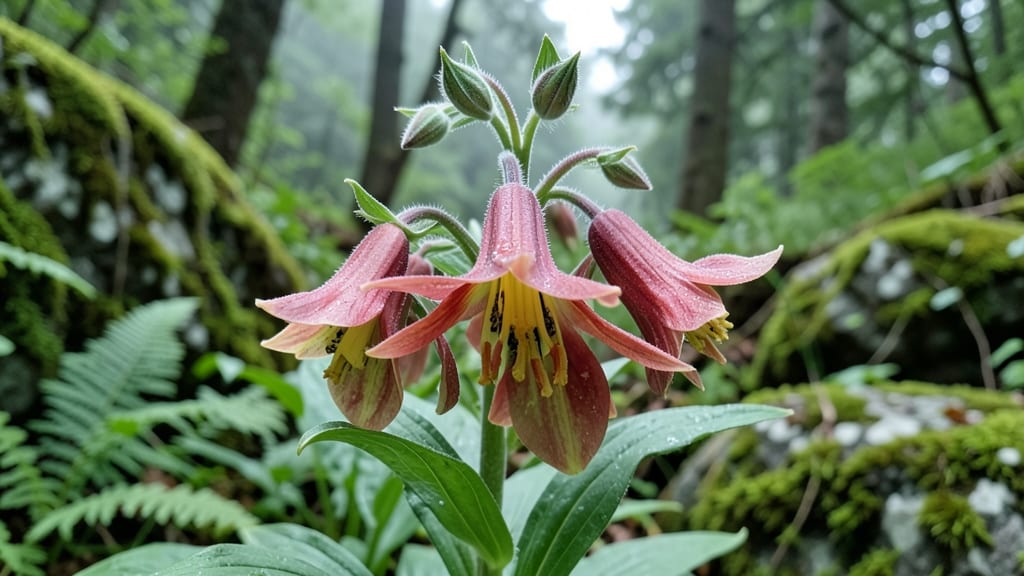
Transform your shady garden into a pollinator paradise with these 10 shade-tolerant plants that attract butterflies and hummingbirds year-round. These underrated bloomers prove that thriving pollinator habitats don't need full sun.
Coral Bells with Butterfly Magnet Flowers
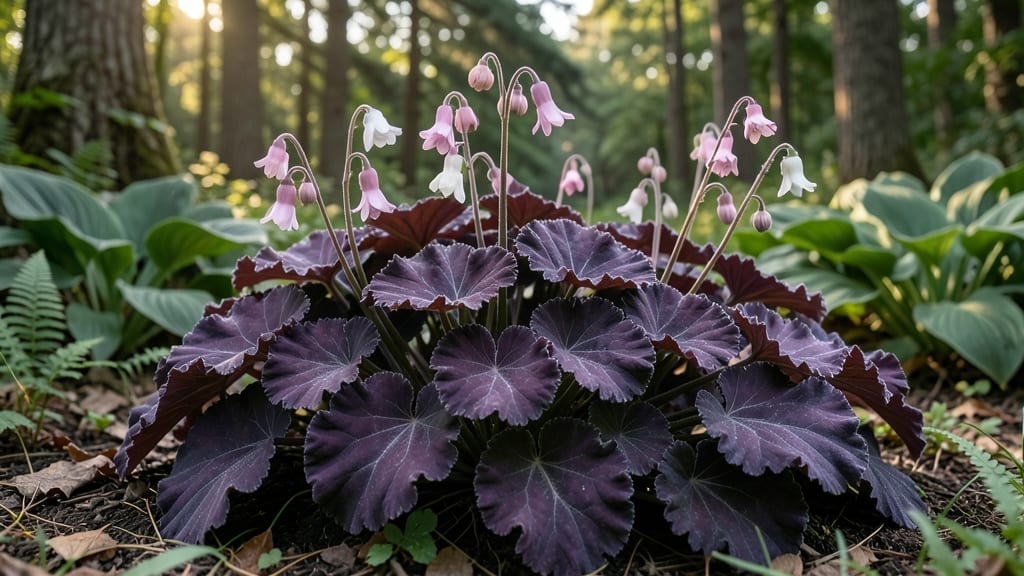
Want a shade plant that doubles as a pollinator powerhouse while keeping your garden vibrant year-round? Coral bells (Heuchera) like 'Plum Pudding' deliver both stunning foliage and delicate blooms that hummingbirds can't resist. Their long-lasting flowers provide nectar from late spring to summer, while their deep purple leaves add winter interest when many plants fade.
Plant Heuchera in partial to full shade with well-draining soil, and you'll get a low-maintenance star. The 'Plum Pudding' variety produces airy white flower spikes that contrast beautifully with its burgundy foliage, creating a striking visual while serving as a butterfly landing pad. Water consistently during establishment, then reduce to once weekly once mature—these plants thrive with minimal fuss.
Perfect for gardeners who want both beauty and function, coral bells work beautifully in containers or garden beds. Their compact size (12-18 inches tall) makes them ideal for edging, borders, or woodland gardens. Add this to your shade garden for year-round color that pollinators will love. 🌿
Foamflower for Early Season Pollinators
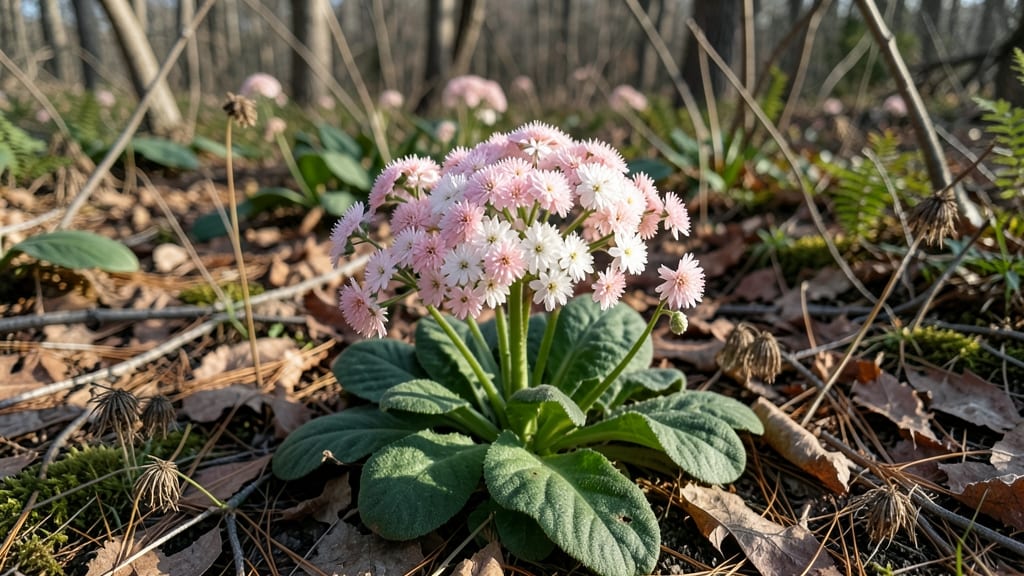
When spring arrives and most shade plants are still dormant, Tiarella cordifolia—commonly called foamflower—steps up as a pollinator lifeline. Its delicate, frothy clusters of pink or white blooms appear in early spring, often before other nectar sources emerge, making it a critical food source for migrating swallowtail butterflies and returning hummingbirds.
This woodland native thrives in dappled shade and moist, well-draining soil, mirroring its natural habitat under deciduous trees. Plant it in clusters for maximum impact, and pair it with ferns or hostas for a lush, layered look. The foliage, with its heart-shaped leaves, adds texture even after blooms fade, ensuring year-round interest.
Perfect for gardeners who want to support early-season pollinators without sacrificing shade tolerance, foamflower is a low-maintenance hero for woodland gardens and shaded borders. 🌿
Japanese Painted Fern with Hidden Value
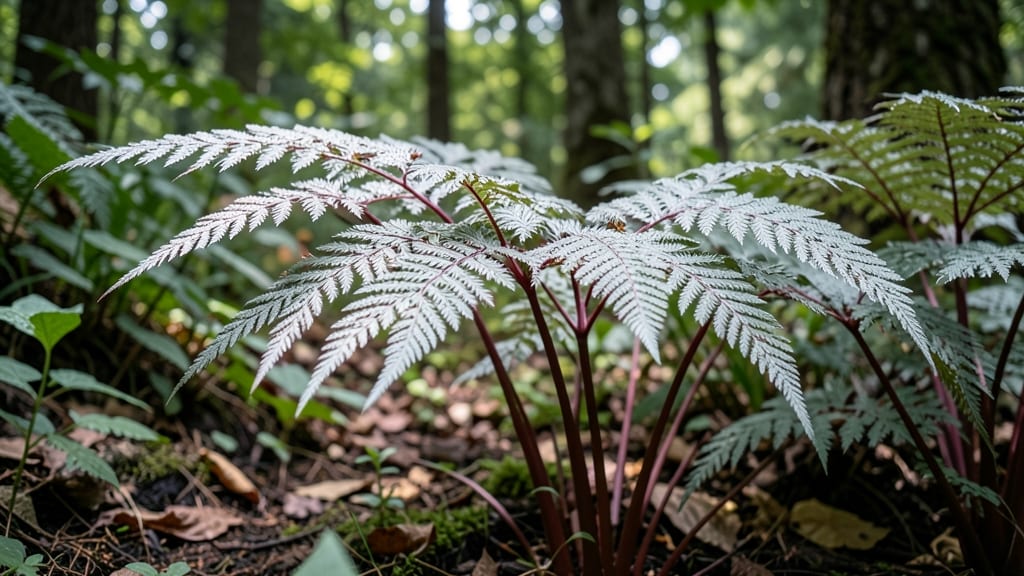
Skip the flashy flowers—Japanese painted fern (Athryium niponicum var. pictum) silently transforms your shade garden into a pollinator haven without ever blooming. Its delicate, lacy fronds provide the perfect resting spots for butterflies weary from flight, while the striking silver and burgundy hues act as a visual beacon for hummingbirds seeking shelter.
This fern thrives in moist, well-draining soil with partial to full shade, making it ideal for woodland gardens or under tree canopies. Its year-round interest comes from the fronds' ever-changing colors, which shift from silver in spring to deep burgundy in fall—creating a dynamic backdrop that pollinators can't resist.
Perfect for gardeners who want low-maintenance beauty with high pollinator impact, this fern proves that foliage alone can be just as valuable as flowers. 🌿
Bleeding Heart Vine for Hummingbird Favorites
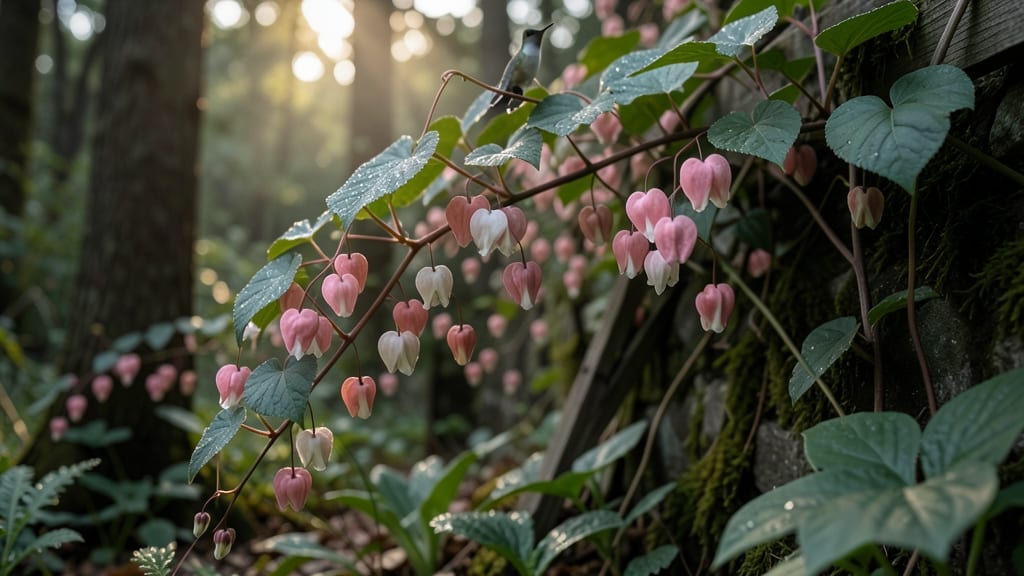
Want to add romance to your shady garden while creating a hummingbird hotspot? Bleeding heart vine (Dicentra spectabilis) delivers heart-shaped blooms that hummingbirds adore, plus its graceful arching stems form natural flight paths for butterflies.
This shade-loving perennial thrives in partial to full shade and prefers moist, well-draining soil. Plant it in spring or early fall for best results, and pair it with ferns or hostas to extend its beauty. The pink or white flowers appear in late spring and early summer, offering nectar when few other shade plants bloom.
Perfect for gardeners who want both beauty and pollinator benefits, bleeding heart vine creates a dreamy, layered look that butterflies and hummingbirds can't resist. 🌷
Astilbe with Plume-Like Butterfly Attractants
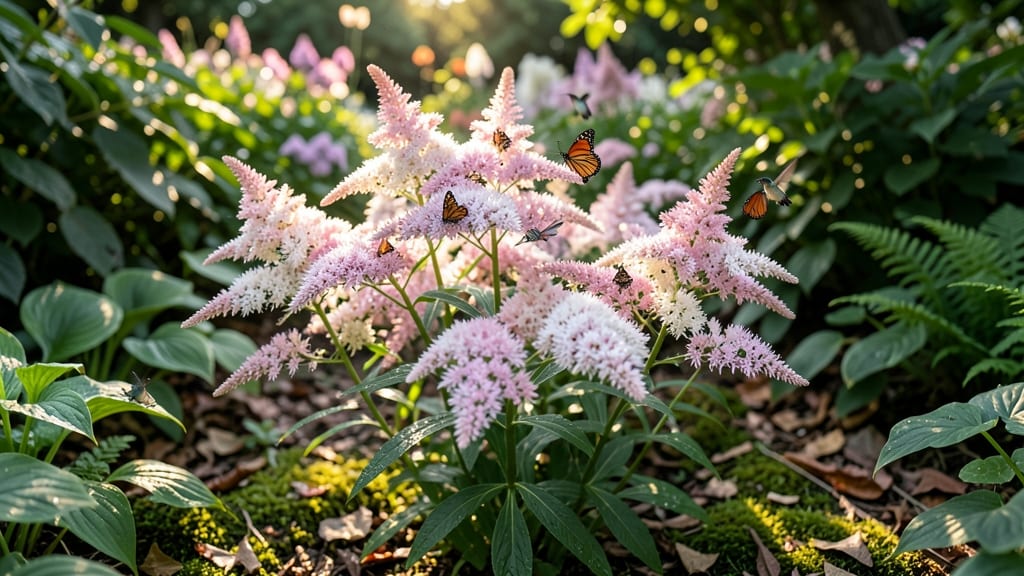
If you’ve ever wished for a shade garden that buzzes with activity from summer through fall, astilbe delivers with its feathery plumes—a butterfly and hummingbird magnet. Unlike spring ephemerals, astilbe blooms reliably from June to October, offering a continuous nectar buffet for monarchs, swallowtails, and other pollinators.
Choose from pink, white, or lavender plumes to match your garden’s palette, and plant in moist, well-draining soil with partial to full shade. Mulch around the base to retain moisture, as astilbe’s roots appreciate consistent dampness—ideal for woodland edges or under trees. Deadhead spent blooms to encourage reblooming and divide clumps every 3–4 years to keep plants vigorous.
This low-maintenance perennial is perfect for beginners or busy gardeners who want year-round pollinator support without the upkeep of sun-loving flowers. Pair it with ferns or hostas for a lush, butterfly-friendly shade garden that thrives with minimal effort. 🌷
Solomon's Seal for Season-Long Blooms
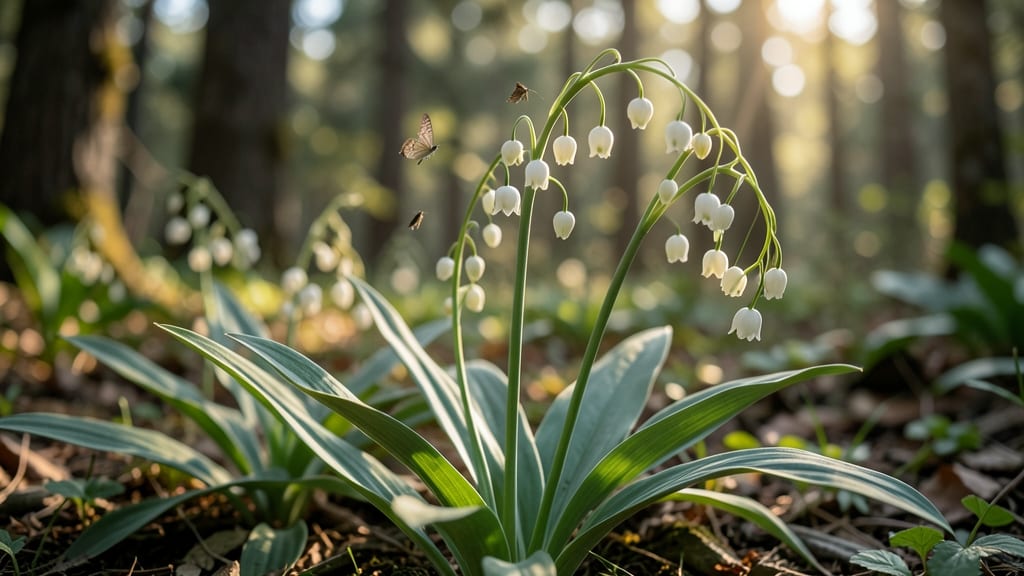
Looking for a shade-loving plant that provides season-long interest while doubling as a pollinator magnet? Solomon's seal (Polygonatum) delivers elegant arching stems and dangling white flowers that hummingbirds adore, all while creating natural perches for resting butterflies.
This hardy perennial thrives in partial to full shade and produces bell-shaped blooms from late spring through summer, followed by edible berries that add extra wildlife appeal. Its graceful, cascading habit (2-4 feet tall) makes it perfect for woodland gardens, borders, or understory plantings where it can spread slowly over time.
Ideal for gardeners who want low-maintenance elegance with high pollinator benefits, Solomon's seal pairs beautifully with hostas and ferns. Plant in moist, well-draining soil and watch as your shade garden becomes a pollinator hotspot. 🌱
Hosta with Unexpected Pollinator Benefits
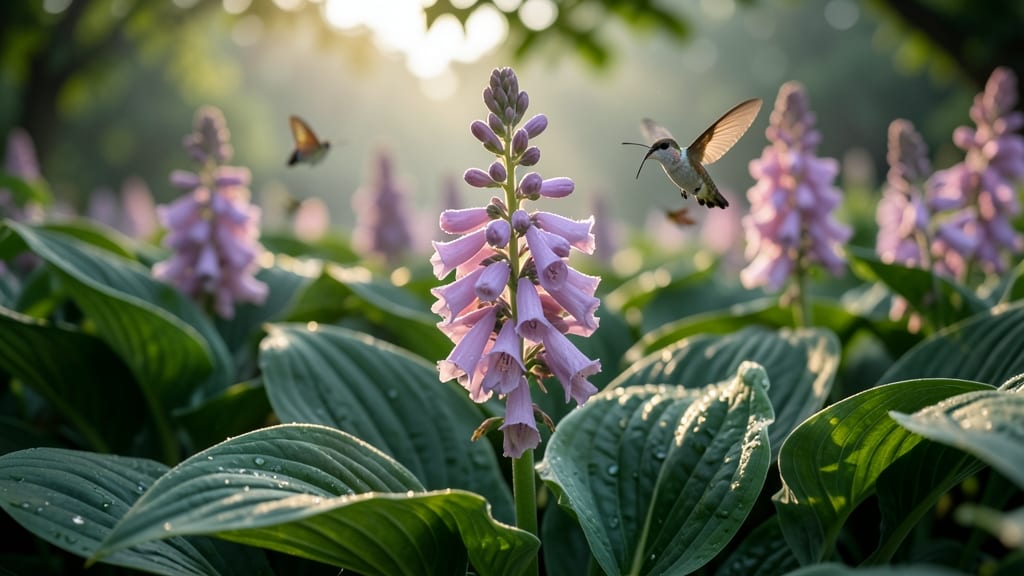
Think hostas are just about pretty leaves? Think again! Varieties like 'Halcyon' produce fragrant lavender blooms that double as butterfly and hummingbird magnets, especially in partial shade where other pollinator plants struggle. These delicate flowers appear in midsummer, offering nectar when many shade gardens are still quiet.
Plant blooming hostas in moist, well-draining soil with morning sun and afternoon shade for best results. Their large leaves provide shelter while the flowers attract pollinators you might not expect. Deadhead spent blooms to encourage more flowers and protect the foliage from slugs with organic mulch.
Perfect for gardeners who want low-maintenance pollinator support, these hostas blend seamlessly into shade gardens while providing unexpected benefits. Their reliable blooms make them a must-have for any pollinator-friendly landscape. 🌻
Virginia Bluebells for Spring Pollinator Explosion
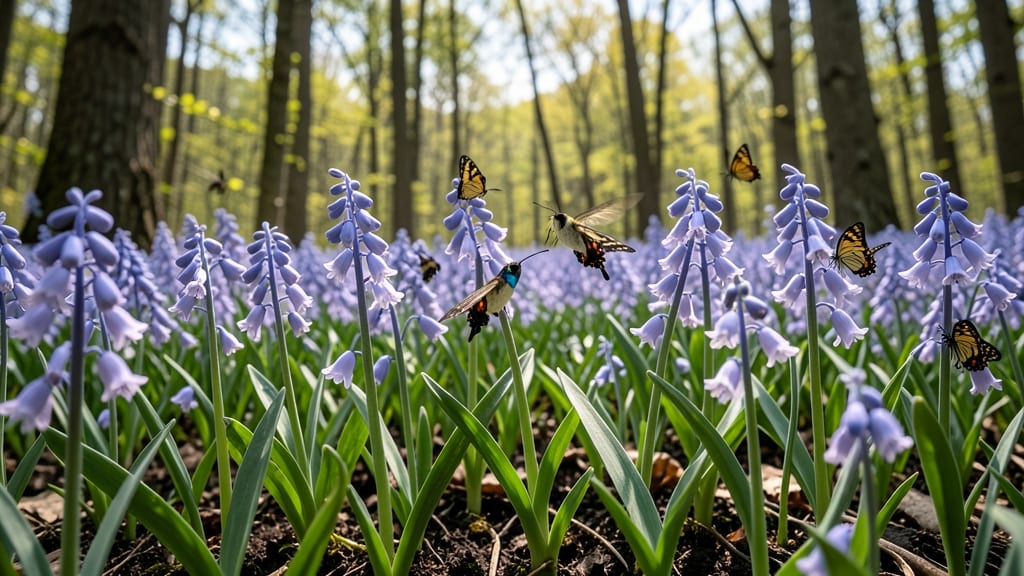
Imagine stepping into your garden in early spring and watching Virginia bluebells (Mertensia virginica) create a dazzling bluebell meadow that hummingbirds and swallowtail butterflies can't resist. This native woodland beauty blooms in late spring—just when most pollinators are emerging from hibernation and hungry for nectar.
Plant Virginia bluebells in partial to full shade with moist, well-draining soil to mimic their natural woodland habitat. Their bell-shaped flowers transition from pink to deep blue, providing a stunning visual spectacle while offering a critical food source for pollinators. The plants spread gently over time, creating naturalized drifts that thrive with minimal care—just water during dry spells and watch them multiply.
Perfect for gardeners who want to support early-season pollinators while adding a burst of color to shady spots, Virginia bluebells are a must-have for woodland gardens, understory plantings, or any area with dappled shade. Their fleeting but spectacular blooms make every spring visit unforgettable. 🌷
Lungwort with Medicinal Pollinator Appeal
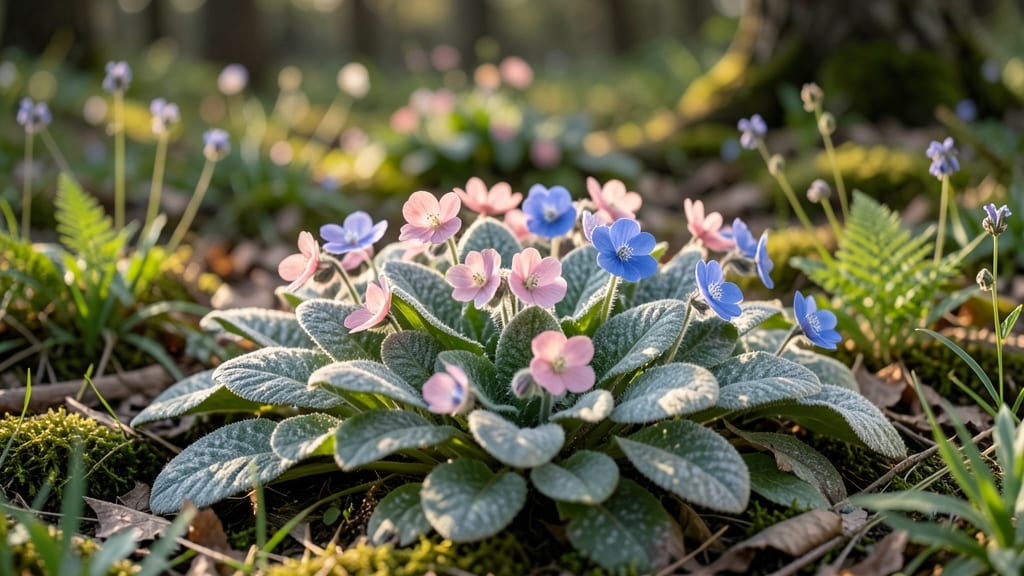
When migrating monarchs and butterflies arrive in early spring with limited food sources, lungwort (Pulmonaria officinalis) steps in as a lifeline with its striking pink-to-blue blooms. This medicinal herb has been used for centuries in traditional remedies while also serving as a nectar-rich magnet for pollinators when most gardens are still dormant.
The plant's unique foliage—spotted with silver or white—adds visual interest year-round, while its early spring blooms (March-April in most climates) provide crucial nutrition for monarchs and swallowtails. Plant in partial to full shade with moist, well-draining soil to mimic its native woodland habitat. The blooms will fade to blue as they age, creating a stunning color transformation that pollinators can't resist.
Ideal for gardeners who want to support early-season pollinators while adding medicinal value to their shade garden, lungwort thrives with minimal care. Pair it with ferns and hostas for a lush woodland understory that buzzes with activity from the moment spring arrives. 🌿
Columbine for Hummingbird Favorite Tubular Flowers

Want a shade plant that serves as both a hummingbird buffet and a butterfly landing strip? Aquilegia canadensis, or wild columbine, delivers with its long, tubular red and yellow flowers—perfect for hummingbirds' long beaks while offering open petals that butterflies can perch on safely. These native beauties thrive where others struggle, making them ideal for partial shade gardens.
Plant columbine in well-draining soil with morning sun and afternoon shade, and watch as it self-seeds to create naturalizing drifts. The spurred blooms appear in late spring to early summer, providing nectar when few other shade plants are in season. Deadhead spent flowers to encourage more blooms, and leave seed heads for winter interest—plus, they attract goldfinches!
Perfect for woodland gardens, cottage-style borders, or pollinator meadows, columbine is a low-maintenance workhorse that rewards both gardeners and wildlife. Add it to your shade garden for colorful, functional beauty that hummingbirds and butterflies will love. 🌷