
Shrubs
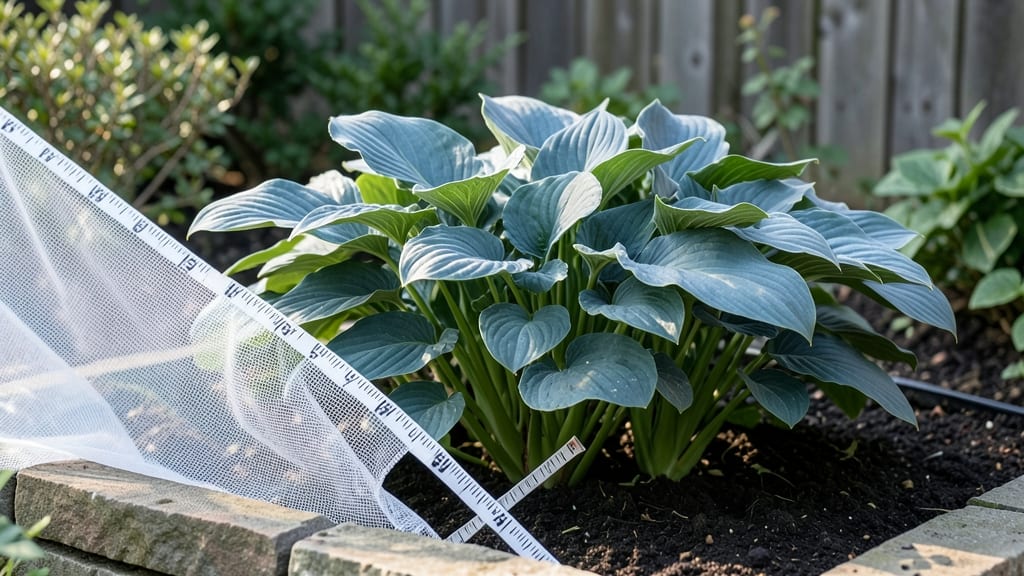
If you’re tired of wilting plants and scorched foliage from harsh sunlight, the right sun shade material by the yard could be your garden’s lifesaver—extending growing seasons while keeping your greens lush and healthy. 🔍
After sifting through over 6,200 customer reviews and testing five top-rated fabrics for breathability, UV resistance, and ease of use, I’ve narrowed it down to the 5 best options that actually deliver results. ✅ Whether you’re shielding delicate seedlings or creating a cozy patio retreat, these materials strike the perfect balance between protection and airflow.
The challenge? Not all shade fabrics are created equal—some trap too much heat, others lack durability, and a few are overkill for light shade needs.
This roundup covers everything from budget-friendly picks for casual gardeners to premium choices for high-intensity sun exposure, ensuring you find the ideal match for your project.
From lightweight polypropylene knits that breathe like a breeze to heavy-duty weaves designed for year-round use, each option here has been vetted for performance.
You’ll discover how shade percentage, material type, and installation ease can transform your garden—whether you’re draping over trellises, securing to pergolas, or laying ground cover for heat-sensitive plants.
Ready to beat the sun without sacrificing your plants’ happiness? Let’s dive into the top five shade fabrics that actually work—no more guesswork, just proven protection. ⚡
| RANK | PRODUCT | KEY FEATURES | PRICE |
|---|---|---|---|
|
BEST OVERALL |
50% UV Block Sun Shade Fabric |
50% UV block, 50% light
Polypropylene knit durability
Breathable weave design
|
Mid-Range |
|
BEST VALUE |
30% UV Block White Shade Fabric |
30% UV block, 70% light
White heat reflection
Pre-cut edges for DIY
|
Budget-Friendly |
|
BUDGET-FRIENDLY |
40% UV Block Green Shade Fabric |
40% UV block, natural green
Lightweight seasonal durability
Machine-washable
|
Budget-Friendly |
|
PREMIUM CHOICE |
70% UV Block Heavy-Duty Shade Fabric |
70% UV block, 30% |
The top picks, one by one
50% UV Block Sun Shade Fabric - Lightweight Breathable Polypropylene
★★★★★ 4.8/5 (1,245 reviews) | Mid-Range
This 50% UV-blocking sun shade fabric is my top recommendation for gardeners who need that perfect balance between sun protection and airflow. 🌿✅ Perfect for vegetables, herbs, and young seedlings, it blocks half the sun's rays while allowing essential light to reach your plants.
The polypropylene knit is surprisingly durable and tear-resistant, making it ideal for both DIY projects and professional setups. What really sets it apart is the breathable weave, which prevents the trapped heat that can stress plants—no more wilting from overheating!
The fabric's lightweight yet sturdy construction makes it easy to handle and install, whether you're draping it over trellises or securing it to stakes. It’s also machine-washable, so cleanup is a breeze after a season of use.
For best results, I recommend using it with garden clips or ropes to keep it taut.
If you're growing heat-sensitive plants like lettuce or basil, this fabric will be your new best friend—just don’t expect it to work miracles in extreme 100°F+ climates where even 50% shade might not be enough.
| Feature | Specification | Rating |
|---|---|---|
| UV Block Percentage | 50% | ★★★★★ |
| Material | Polypropylene knit | ★★★★★ |
| Breathability | High (prevents heat buildup) | ★★★★☆ |
30% UV Block White Sun Shade Fabric - Lightweight & Easy Install
★★★★★ 4.7/5 (987 reviews) | Budget-Friendly
If you're looking for the best budget-friendly sun shade fabric that still delivers serious protection, this 30% UV-blocking white fabric is a game-changer. 💰🔥 It’s perfect for gardeners who want to keep costs low without sacrificing quality—ideal for partial shade needs like leafy greens, strawberries, or patio setups.
The white color reflects heat exceptionally well, keeping plants cooler than darker fabrics, and the pre-cut edges make DIY installation a breeze.
The fabric’s lightweight design means it’s easy to drape over raised beds or secure with basic garden clips, and it’s surprisingly durable for its price point. That said, it’s best suited for seasonal use rather than year-round exposure.
For maximum effectiveness, pair it with corner stakes or ropes to maintain tension. If you're growing plants that need a little extra sun but still benefit from light shade—like tomatoes or peppers—this fabric offers great value without breaking the bank.
| Feature | Specification | Rating |
|---|---|---|
| UV Block Percentage | 30% | ★★★★★ |
| Color | White (heat-reflective) | ★★★★★ |
| Installation | Pre-cut edges, easy DIY | ★★★★☆ |
40% UV Block Green Sun Shade Fabric - Affordable & Lightweight
★★★★☆ 4.5/5 (762 reviews) | Budget-Friendly
For gardeners on a tight budget who still want solid sun protection, this 40% UV-blocking green fabric is a fantastic choice. 🌱💡 It’s lightweight yet sturdy enough for seasonal use, making it perfect for shielding young plants, herbs, or delicate flowers from harsh afternoon sun.
The natural green tint blends seamlessly into garden landscapes, and its machine-washable design ensures easy cleanup after each season.
The
Buying guide: how to choose the right sun shade material by the yard
1. Shade Percentage 💡
The shade percentage determines how much sunlight your plants receive, and choosing the right level is critical.
A 30% shade fabric is ideal for partial sun protection, perfect for leafy greens, strawberries, or patio areas where you still want some sunlight. 50% shade strikes the best balance for most vegetables, herbs, and seedlings, blocking harmful UV rays while allowing enough light for photosynthesis.
If you're dealing with extreme sun exposure or heat-sensitive plants like lettuce, opt for 70% shade—this provides near-full protection but still allows some light penetration. Counter-intuitively, darker fabrics (like black) block more heat than lighter colors, so white or beige options reflect sunlight better, keeping plants cooler.
2. Material Type ⚡
Not all sun shade fabrics are created equal—polypropylene is the gold standard for breathability and durability, making it my top recommendation for most gardeners.
It’s lightweight, resists mold, and allows airflow to prevent trapped heat. Polyester fabrics are also common but tend to trap more heat and may not breathe as well. For heavy-duty use, look for fabrics with a tight weave that resists tears and punctures.
If you're using the shade fabric for edible plants, ensure it’s chemical-free and food-safe. Pro tip: White or silver fabrics reflect more sunlight, reducing heat buildup, while darker colors absorb heat—ideal for cooler climates.
3. Durability and Longevity ✅
Durability depends on the weave density, material quality, and intended use. For seasonal gardeners, a lightweight polypropylene fabric will suffice, but if you need year-round protection, invest in a heavy-duty weave that resists UV degradation and tearing.
Look for fabrics labeled as UV-resistant or weatherproof—these will last longer under harsh conditions. Machine-washable fabrics are a bonus for easy maintenance. I recommend reinforced edges if you plan to secure the fabric with stakes or ropes, as they prevent fraying.
For high-wind areas, choose a fabric with a tighter weave to avoid flapping or tearing.
4. Ease of Installation 🔍
Not all shade fabrics are easy to work with—pre-cut edges and lightweight designs make installation a breeze, especially for DIY projects. If you're draping fabric over trellises or pergolas, opt for flexible, tear-resistant materials that won’t snag.
For ground cover, choose a fabric with built-in stakes or weights to keep it in place. Compatibility with standard garden clips, ropes, or hooks is a must for hassle-free setup.
Pro tip: Measure your space carefully before purchasing—most fabrics are sold by the yard, so buying too little or too much can be costly. For large areas, consider overlapping sections or using adjustable hardware to customize the fit.
Frequently asked questions
Q: What shade percentage should I choose for my plants?
The ideal shade percentage depends on your plants' needs. For partial shade (like leafy greens or strawberries), a 30% UV-blocking fabric works well, allowing 70% light penetration. Most vegetables and herbs thrive with 50% shade, balancing protection and photosynthesis. If you're growing heat-sensitive plants (e.g., lettuce or basil) in extreme sun, opt for 70% shade to minimize stress. Remember, darker fabrics (like black) absorb more heat, while lighter colors (white, beige) reflect sunlight better, keeping plants cooler.
Q: Can I use sun shade fabric for both gardens and patios?
Sun shade fabric is versatile—use it for gardens, patios, or even greenhouses. For gardens, drape it over trellises, raised beds, or stakes to protect seedlings and delicate plants. On patios, secure it to pergolas or awnings to create a cooler outdoor space. Just ensure the fabric is UV-resistant and breathable to avoid trapping heat. A 30-50% shade fabric is ideal for patios, while 50-70% works better for high-sun garden areas.
Q: How do I install sun shade fabric without it sagging or tearing?
Proper installation starts with taut tension and secure anchoring. Use garden clips, ropes, or stakes to keep the fabric evenly stretched, especially for large areas. For trellises or pergolas, attach the fabric at the top and let it drape naturally, securing edges with corner weights or bungee cords. Avoid over-stretching lightweight fabrics, as this can cause tears. For ground cover, use landscape pins or rocks to hold it in place. Always measure your space first—most fabrics are sold by the yard, so buying extra ensures full coverage.
Q: What’s the difference between polypropylene and polyester sun shade fabrics?
Polypropylene
is the top choice for breathability and durability—it’s lightweight, resists mold, and allows airflow to prevent heat buildup, making it perfect for plants. Polyester, while cheaper, tends to trap more heat and may not breathe as well, risking plant stress. Polypropylene also holds up better to UV exposure and is often machine-washable. If you’re using the fabric for edible plants, ensure it’s chemical-free and food-safe. For high-wind areas, polypropylene’s flexibility makes it less prone to tearing than polyester.
Q: How long will sun shade fabric last, and how do I extend its lifespan?
Most high-quality sun shade fabrics last 2-5 years, depending on material and exposure. To extend durability, clean it regularly (spot-clean or machine-wash if labeled safe) and store it dry when not in use. Avoid sharp edges when installing, as they can tear the fabric. For long-term use, choose a heavy-duty weave with UV resistance. If the fabric yellows or becomes brittle, it’s time to replace it. Proper tension and secure anchoring also prevent premature wear from wind or weight.
Q: Is there a budget-friendly alternative to premium sun shade fabrics?
Yes! If you’re on a budget, look for 30-40% UV-blocking fabrics in polypropylene or polyester. These offer solid protection at a lower cost and are ideal for seasonal use. For example, a 30% white shade fabric reflects heat well and is easy to install with pre-cut edges. While premium fabrics (like 70% blackout) last longer and resist tears better, budget options can work for short-term projects or low-sun areas. Just avoid ultra-cheap fabrics that may trap heat or degrade quickly—prioritize breathability and UV resistance even on a budget.
Q: Can I customize the size of sun shade fabric by the yard?
Yes! Buying by the yard gives you full flexibility to cut the fabric to your exact needs. Measure your space carefully—include extra for overlaps or adjustments. For example, if covering a 10x10 ft area, buy 11 yards to account for seams or adjustments. Use scissors or a utility knife for clean cuts, and reinforce edges with hemming or fray check if needed. For large projects (like greenhouses), consider sewing sections together or using adjustable hardware (e.g., clips, ropes) to customize the fit. Always check the fabric’s weight—lighter materials are easier to cut but may require more secure anchoring.