
Light Requirements
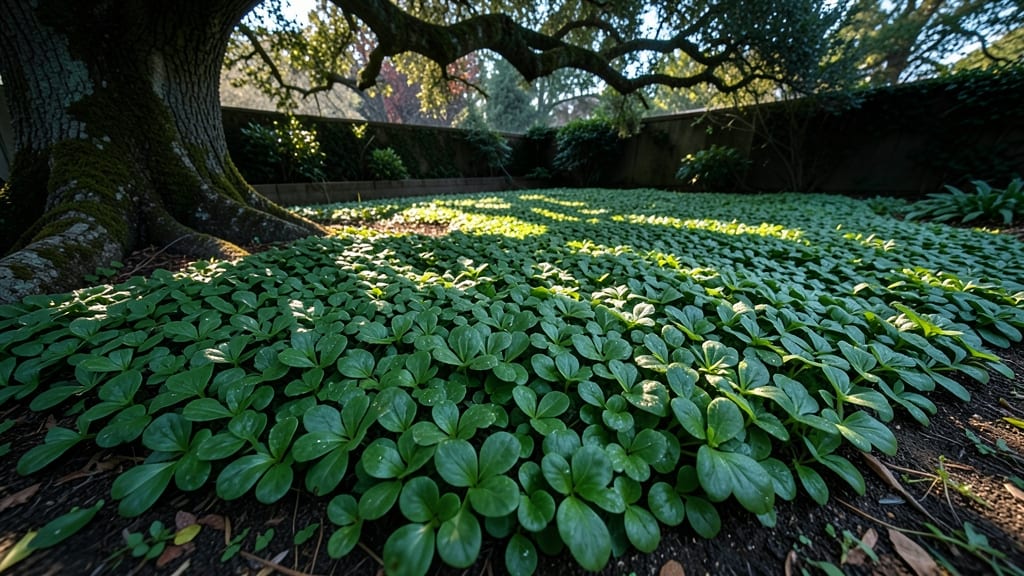
Struggling to keep your shady garden areas vibrant? These 10 shade-loving ground cover plants thrive in low light while adding lush texture, color, and year-round interest to even the darkest corners of your landscape. Perfect for under trees, north-facing yards, or dense shrubbery.
Sweet Woodruff for Delicate White Flowering
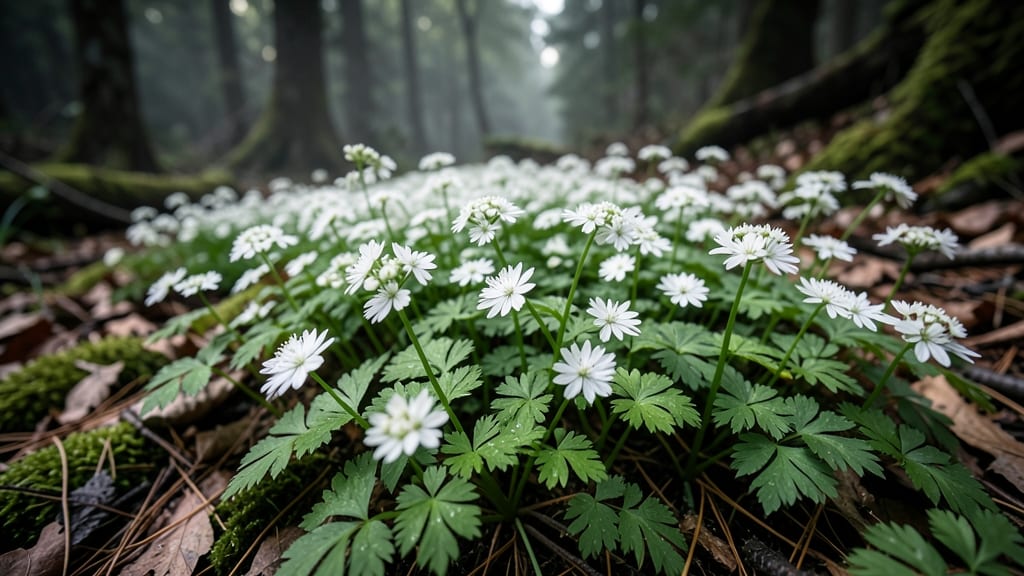
Transform your woodland garden into a fragrant sanctuary with sweet woodruff (Galium odoratum), a delicate ground cover that bursts into scented white blooms in spring while maintaining its lacy foliage all season. This shade-loving plant thrives in dappled light or full shade, making it perfect for areas where other plants struggle.
Sweet woodruff spreads gently through creeping stems, creating a soft green carpet that stays vibrant even in the darkest corners. Its fragrant flowers attract early-season pollinators like bees, while its evergreen leaves provide year-round interest. For best results, plant in moist, well-draining soil and enjoy its natural vanilla-like scent when crushed.
This plant is ideal for gardeners who want low-maintenance beauty without sacrificing fragrance or pollinator support. It’s especially perfect for cottage gardens, woodland edges, or understory plantings where you want a touch of elegance. 🌿
Hosta Varieties for Bold Foliage Contrast
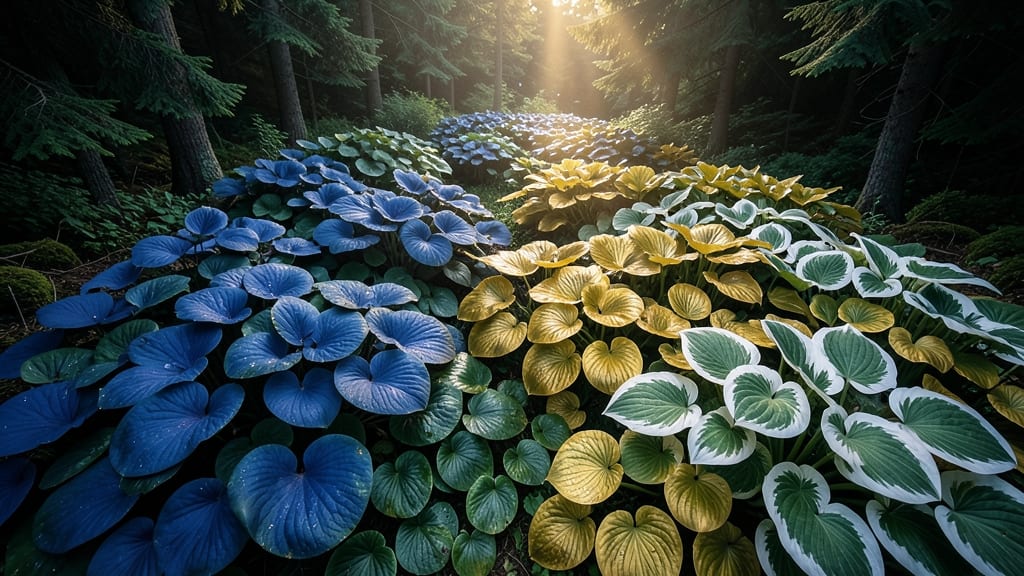
Turn your darkest garden corners into a foliage gallery with hostas—the ultimate shade-loving superstars. With over 3,000 varieties, you’ll find everything from deep blues like 'Blue Angel' to golden 'Titanium' or variegated 'Francee' with white edges, all thriving where other plants struggle.
Hostas excel in deep shade (even under dense trees) and prefer moist, well-draining soil. Most varieties stay evergreen in mild climates, while others offer seasonal interest with lavender or white summer blooms. For bold contrast, pair blue hostas with silver foliage plants or golden varieties with dark-leaved ferns.
Perfect for beginners or experienced gardeners, hostas require minimal care beyond occasional division every few years. Their low-growing habit makes them ideal for borders, containers, or large swaths of ground coverage where you want year-round drama. 🌿
Lungwort for Unique Spotted Leaves
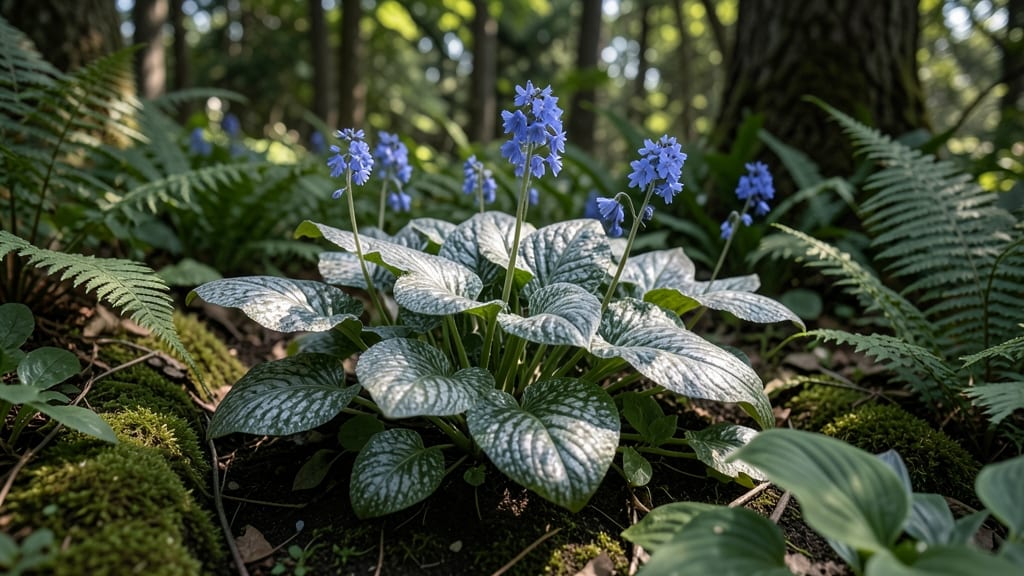
Tired of shade gardens that look dull and uniform? Lungwort brings drama with its silver-spotted foliage that shimmers in the dappled light, paired with cheerful blue flowers that hummingbirds adore. This underrated perennial thrives where others falter, making it a secret weapon for cottage-style gardens and woodland edges.
Plant lungwort in moist, well-draining soil with partial to full shade—it’s one of the few ground covers that actually enjoys damp conditions without rotting. The spotted leaves create striking contrast against dark hostas or ferns, while its spring blooms provide early nectar for pollinators. Simply divide clumps every 3–4 years to keep it vigorous.
Perfect for gardeners who love textural contrast and want to attract wildlife without sacrificing elegance. 🌷
Creeping Phlox for Spring Color Burst
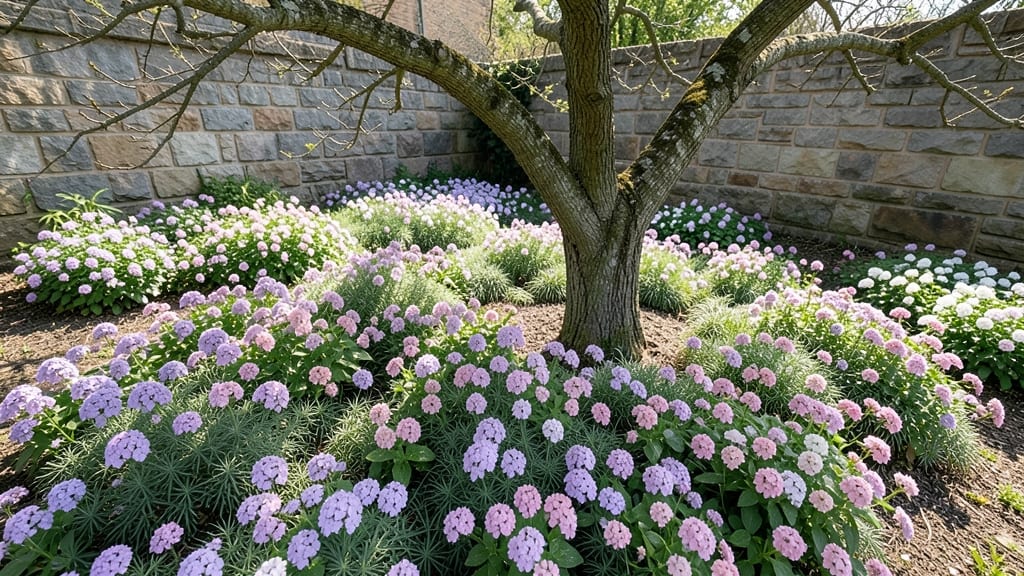
Tired of bare ground in early spring? Creeping phlox transforms dull edges into a vibrant floral carpet before most plants even wake up from dormancy. This hardy perennial thrives in sunny-to-part shade, making it ideal for tricky garden spots like under trees or along north-facing walls.
With its pink, purple, or white blooms appearing as early as March, creeping phlox creates instant color when your garden needs it most. Plant it in well-draining soil and space plants 12-18 inches apart for full coverage. It spreads slowly but steadily, forming a dense mat that suppresses weeds naturally. Choose varieties like 'Sherwood Purple' or 'Pink Dawn' for reliable performance.
Perfect for beginners and low-maintenance gardeners, creeping phlox requires minimal care after establishment. Once planted, it returns year after year with stunning spring displays that brighten up even the shadiest corners. 🌻
Ajuga for Purple Foliage and Blue Flowers
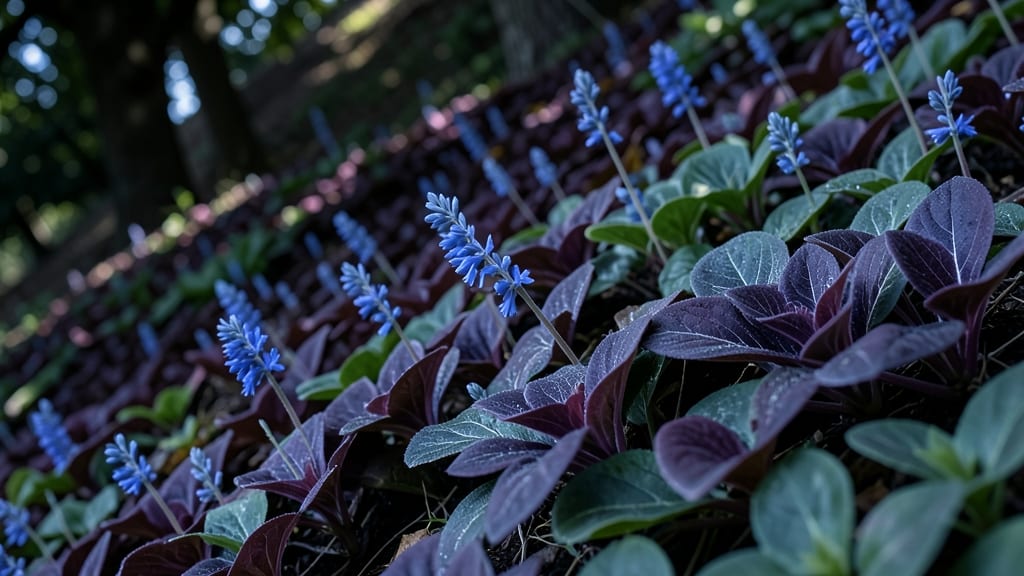
When you need a bold, low-maintenance solution for shady slopes or erosion-prone areas, ajuga delivers with its deep purple foliage and striking blue flower spikes. This hardy ground cover thrives in full to partial shade, making it perfect for spots where other plants struggle.
Ajuga spreads aggressively but stays contained, creating a dense mat that suppresses weeds and prevents soil erosion. Its blue flower spikes appear in spring, adding vertical interest to the low-growing foliage. Plant it in well-draining soil and trim back flower stalks after blooming to encourage lush growth.
Ideal for gardeners who want dramatic color without high maintenance, ajuga is especially great for slopes, banks, or understory plantings where stability and visual impact matter most. 🌻
Foamflower for Airy White Blooms
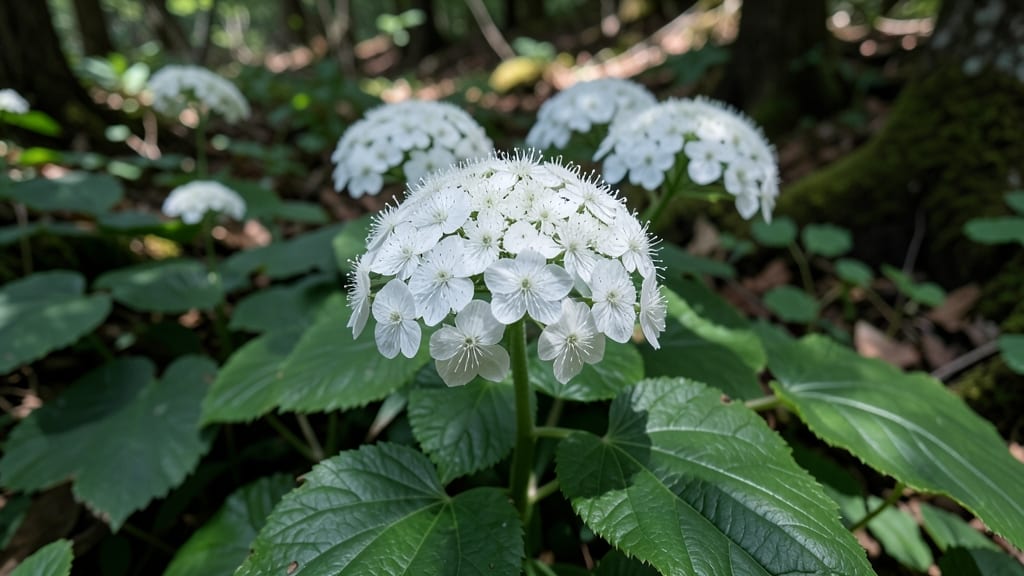
Want to add ethereal elegance to your shade garden without sacrificing low-light resilience? Foamflower (Tiarella cordifolia) creates dreamy, airy white flower mounds that float above deep green foliage, creating a stunning contrast that mimics a woodland fairy glade. This native North American beauty thrives in the same conditions where other plants struggle.
Foamflower spreads gently through rhizomes, forming dense clumps that suppress weeds while requiring minimal care. Its spring blooms (March–May) attract early pollinators, and its heart-shaped leaves develop attractive red tints in fall. Plant it in moist, well-draining soil under deciduous trees or along shady borders where it will naturalize beautifully over time.
Perfect for gardeners who love romantic, low-maintenance shade gardens, foamflower pairs especially well with ferns, hellebores, and hostas. Its delicate appearance belies its toughness—ideal for woodland gardens, naturalistic landscapes, or any spot needing soft seasonal color. ✨
Lamium for Colorful Spotted Leaves
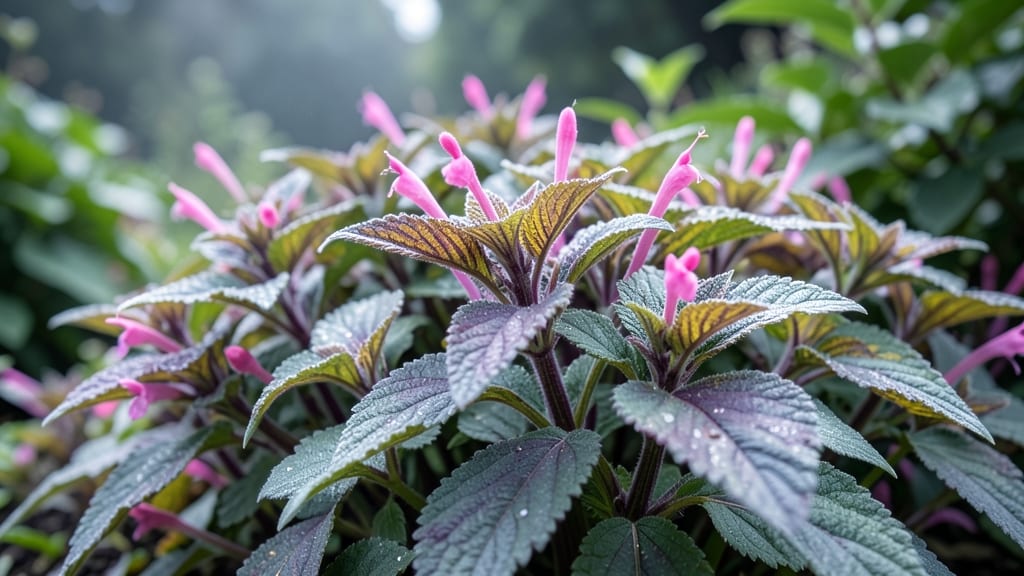
Ready to add bold color and texture to your shady garden without the fuss? Lamium (dead nettle) delivers striking silver, purple, or golden foliage that sparkles in low light, paired with tubular pink flowers that hummingbirds can't resist. Unlike many shade plants, lamium thrives in both containers and garden beds, making it perfect for urban balconies or woodland borders.
This versatile plant handles partial to full shade and tolerates a range of soil types, though it prefers moist but well-draining conditions. Varieties like 'Beacon Silver' or 'White Nancy' create eye-catching contrasts with their variegated leaves, while 'Hida' offers deep purple tones. For best results, shear back spent flowers in late summer to encourage fresh foliage growth—no deadheading required!
Ideal for gardeners who want low-maintenance drama with wildlife benefits, lamium is especially great for small spaces or mixed containers. Its spreading habit fills gaps quickly while staying contained, making it a standout for both beginners and experienced designers. 💚
Wild Ginger for Textured Green Carpet
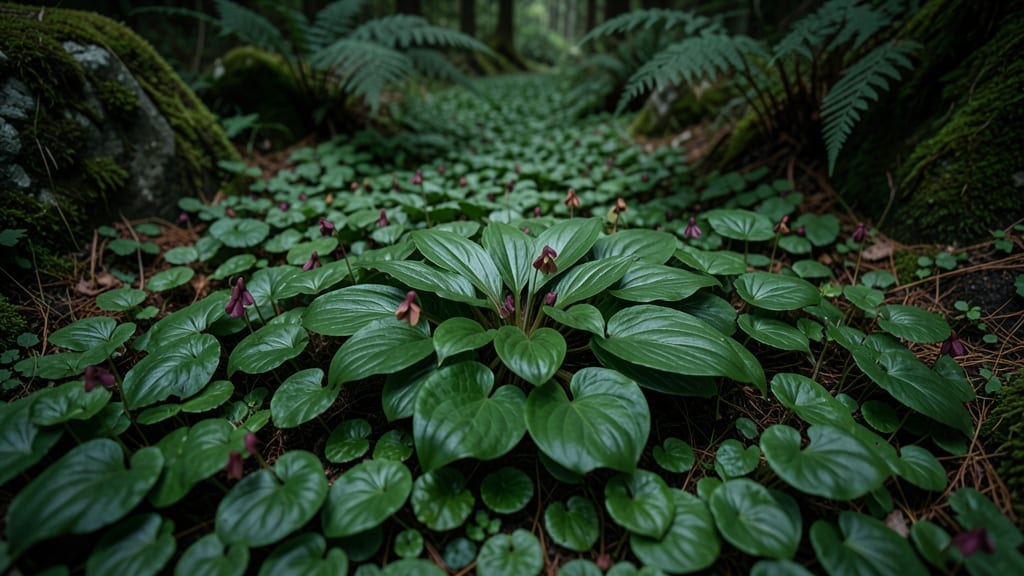
Looking for a textured green carpet that thrives in deep shade while suppressing weeds naturally? Wild ginger (Asarum europaeum) delivers with its glossy, heart-shaped leaves and delicate, heart-shaped flowers that stay evergreen year-round. Unlike many ground covers, it spreads slowly but forms an impenetrable mat that blocks weeds without aggressive spreading.
This shade-loving perennial thrives in moist, well-draining soil and partial to full shade, making it ideal for understory planting beneath trees or shrubs. Its fragrant foliage (when crushed) adds a subtle woodland scent, while its low-growing habit (6-12 inches tall) creates a lush, uniform look. For best results, plant in clusters and water regularly until established—then enjoy its low-maintenance beauty.
Perfect for gardeners who want a natural, weed-suppressing solution without the upkeep of other ground covers. It’s especially great for woodland gardens, native plantings, or shaded borders where you want a touch of elegance with minimal effort. 💚
Solomon's Seal for Arching Foliage
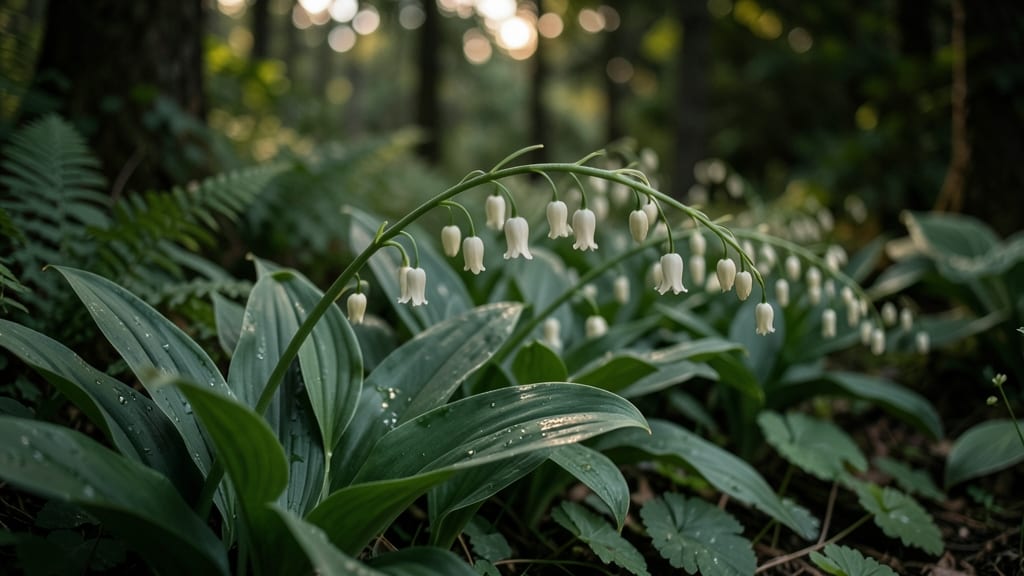
Bring dynamic movement to your still garden with Solomon’s Seal (Polygonatum), a graceful perennial that produces elegant, arching stems adorned with dangling white flowers and glossy dark green leaves. Unlike flat ground covers, its curving habit adds a natural, flowing rhythm to shady borders or woodland gardens where other plants might appear static.
This shade lover thrives in partial to full shade and tolerates a wide range of soils, though it prefers moist, well-draining conditions. Plant it in clusters for a cascading effect, and enjoy its delicate spring blooms followed by blue-black berries that add seasonal interest. Prune back old stems in early spring to encourage fresh growth and maintain its tidy appearance.
Perfect for gardeners who want elegance without fuss, Solomon’s Seal is ideal for understory plantings, foundation beds, or along pathways where its arching form creates visual intrigue. Its deer-resistant nature makes it a practical choice too. ✨
Pachysandra for Evergreen Ground Cover

Tired of patchy, weedy areas under your trees or along shady foundation plantings? Pachysandra (Pachysandra terminalis) is the ultimate evergreen solution that thrives where others fail—creating a dense, weed-blocking mat that stays vibrant all year. Unlike seasonal ground covers, this classic shade lover forms a lush, low-growing carpet that suppresses weeds naturally while adding structure to dark corners.
Perfect for deep shade conditions, pachysandra handles dry spells better than most shade plants and spreads slowly but steadily to fill in gaps. Its delicate white spring flowers add fleeting beauty, while its glossy green leaves provide year-round visual interest. For best results, plant in well-draining soil and space plants 12-18 inches apart to encourage full coverage over time.
This is the go-to choice for foundation plantings, understory gardens, and north-facing beds where you need reliable, low-maintenance coverage. Gardeners with large trees or tight spaces will appreciate how pachysandra tames weeds while adding a polished, evergreen look. 🌱