
Shrubs
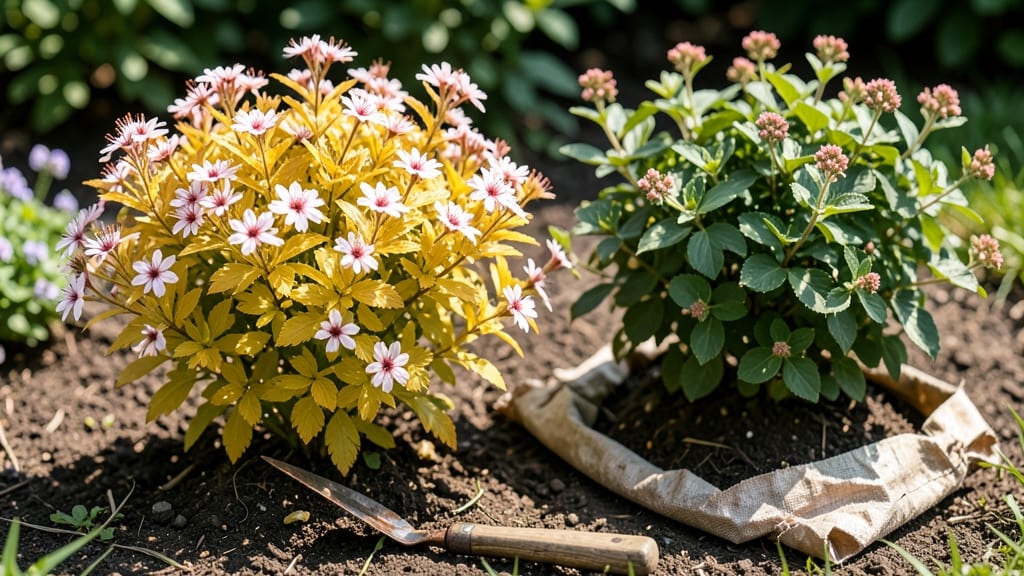
Choosing the right spirea for sun or shade can transform your garden from a struggle to a showstopper 🌸 — the key is matching the plant to its light preferences for bold blooms and healthy growth.
Struggling to find the perfect spirea for your garden’s tricky light spots? These versatile shrubs thrive in both sun and shade—but choosing the right variety makes all the difference for vibrant blooms all season long.
Some spirea varieties, like Spirea japonica, love basking in full sun, while others, such as Spirea thunbergii, handle partial shade with ease. The wrong light conditions can lead to sparse blooms or leggy growth, but with the right match, you’ll enjoy year-round color and minimal fuss.
In this guide, I’ll break down the best spirea types for sun and shade, soil needs, and even how to transition them between light conditions without stress. Ready to pick the perfect spirea for your garden?
 Best Window Placement
Best spirea varieties for full sun exposure and blooming brilliance
If you’re dreaming of a garden bursting with color that thrives under the brightest sunlight, sun-loving spirea varieties are your best allies. These hardy shrubs don’t just survive in full sun—they flourish, producing vibrant blooms from spring through fall.
The key lies in selecting the right cultivars and providing optimal growing conditions to unlock their full potential.
For maximum blooming brilliance, focus on varieties like Spirea japonica and Spirea prunifolia, which are celebrated for their prolonged flowering seasons and heat tolerance. These plants reward gardeners with dense clusters of flowers that attract pollinators while adding texture and movement to sunny garden beds.
Let’s dive into the top sun-seeking spirea varieties and how to cultivate them for show-stopping results.
Comparison of Top Sun-Loving Spirea Varieties
When planting sun-loving spirea, prioritize well-draining soil to prevent root rot, especially in hot climates. Amend heavy clay soil with compost or sand to improve aeration. These varieties thrive in USDA zones 5-9, making them adaptable to a wide range of climates.
To extend the blooming season, deadhead spent flowers regularly, but avoid pruning in late summer or fall—this encourages new growth that may not harden off before winter.
For maximum impact, plant sun-loving spirea in mixed borders with perennials like coneflowers or grasses to create dynamic layers of color and texture.
One of the most rewarding aspects of growing sun-loving spirea is their adaptability to different garden styles. Whether you’re designing a modern pollinator garden or a traditional cottage-style bed, these shrubs deliver year-round interest with their arching branches and seasonal color shifts.
In late winter, their exfoliating bark adds winter structure, while spring blooms signal the start of the growing season.
For best results, water newly planted spirea deeply once a week during the first growing season to establish strong roots. Once established, these varieties are drought-tolerant and require minimal supplemental watering. However, mulch around the base with organic material like shredded bark to retain moisture and regulate soil temperature.
If you’re aiming for a low-maintenance garden, Spirea japonica 'Little Princess' or 'Magic Carpet' are excellent choices. Their compact size makes them perfect for containers, rock gardens, or edging, while still delivering bold floral displays.
For a statement-making focal point, Spirea prunifolia stands out with its tall, upright
Top shade-tolerant spirea for low-light gardens and year-round interest
If your garden has shady spots where other shrubs struggle, shade-tolerant spirea can still deliver stunning color and texture. These varieties thrive in partial shade or dappled light, making them perfect for under trees, north-facing walls, or wooded garden edges.
Unlike sun-loving spirea, these types focus on foliage interest and extended blooming rather than intense floral displays.
The key to success with shade-loving spirea is choosing the right variety and adjusting care slightly. Moist, well-draining soil and regular pruning are essential, but these shrubs are far more forgiving than you might think. Let’s explore the best options and how to keep them thriving year-round.
-
🌿 Spirea thunbergii ('Ogon' or 'Little Princess')
Compact, golden foliage; blooms late spring to summer; thrives in deep shade. -
🌸 Spirea arguta ('Variegata' or 'Crispula')
White-edged foliage; blooms spring to fall; tolerates dry shade and poor soil. -
🍃 Spirea japonica ('Gold Flame')
Bronze-purple foliage; blooms summer to fall; prefers partial shade for best color. - ✂️ Pruning Tip: Cut back 1/3 of old stems in late winter to encourage new growth and extended blooming.
For year-round interest, pair these spirea with evergreens like boxwood or dwarf holly to create layered texture. Spirea arguta, for example, holds its white flowers into fall, while Spirea thunbergii offers golden foliage that brightens dark corners. Mulch heavily in winter to protect roots from temperature swings.
One common mistake is overwatering shade-loving spirea. Since they receive less sunlight, their roots stay cooler and require less frequent watering than sun varieties. Aim for deep watering every 10-14 days unless your soil is sandy. A 2-inch layer of mulch helps retain moisture while suppressing weeds.
To extend the blooming season, fertilize lightly in early spring with a balanced 10-10-10 formula. Avoid heavy applications, which can lead to leggy growth. Instead, focus on pruning for shape and air circulation—this encourages more flowers and healthier foliage.
With the right care, these shade-tolerant spirea will reward you with color and structure for decades. 🌳