
Plants
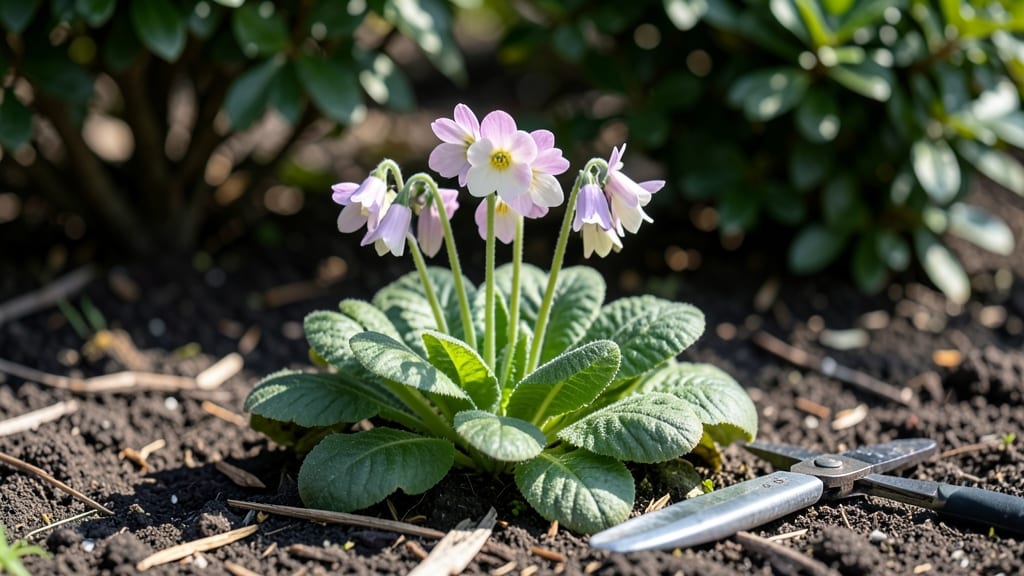
Do primroses like sun or shade, or do they prefer the gentle balance of partial shade with just 4-6 hours of sunlight daily?
Wondering why your primroses bloom sporadically or struggle to thrive? The answer lies in their light preferences—and getting it right could mean the difference between vibrant, year-round flowers and sparse, underwhelming growth.
These delicate 🌸 beauties prefer dappled sunlight or morning sun, especially in warmer climates like USDA Zone 6a. Too much direct sun can scorch their leaves, while too little shade may lead to leggy stems and fewer blooms.
In this guide, I’ll break down how to position your primroses for peak health, adjust for seasonal light changes, and spot signs they’re not getting the right balance—so you can enjoy lush, continuous blooms all season long.
 Best Window Placement
Primrose light requirements: sun vs shade for optimal growth and blooms
Primroses thrive when their light needs are met, but their preferences vary dramatically by variety. While most primroses prefer partial shade, some can handle more sun than others. Understanding these differences is key to achieving those vibrant blooms you love. The wrong light exposure can lead to leggy stems, sparse flowers, or even leaf burn.
English primroses, for example, are the most shade-tolerant and can even grow well under woodland conditions with filtered light. Meanwhile, polyanthus primroses are a bit more adaptable, handling morning sun and afternoon shade beautifully.
Cowslips, their wild cousins, often grow in sunny meadows but still appreciate some afternoon relief from direct rays.
Seasonal adjustments are also crucial. In summer, when the sun is most intense, primroses may need extra afternoon shade to prevent stress. Conversely, winter’s weaker light means you might need to supplement with grow lights or move containers closer to windows for consistent growth.
For year-round blooms, I recommend positioning your primroses where they receive morning sunlight and afternoon shade. This mimics their natural habitat and prevents the leaf scorch that can occur in hot climates.
If you're in a hot, dry region, consider using shade cloth during peak summer hours to protect your plants.
In containers, primroses are more flexible, but they still need protection. Move pots to shadier spots during the hottest part of the day, especially if they’re in full sun locations.
A simple trick is to place them under lattice or pergolas where they get dappled light without direct exposure.
If you notice yellowing leaves or stretched stems, your primroses might be reaching for more light. This is a classic sign of light deprivation. Gradually introduce them to brighter conditions over a week to avoid shocking their system.
Conversely, if leaves appear crispy or brown, they’re getting too much sun—immediate shade relief is needed.
For urban gardeners, east-facing windowsills or balconies with morning sun work perfectly. If your space only gets artificial light, supplement with a grow light for 6-8 hours daily. Primroses are forgiving, but they do need some light to trigger blooming, so don’t skimp on this essential.
One final tip: Mulch around your primroses to help regulate soil temperature. A 2-inch layer of organic mulch keeps roots cool in summer and retains moisture, which is especially helpful if your garden gets intense afternoon sun.
This small step can make a big difference in their overall health and flowering.
With the right light balance, your primroses will reward you with lush foliage and continuous blooms from early spring through summer. Experiment with placement, and don’t be afraid to adjust as seasons change—your primroses will thank you with vibrant color year after year! 🌸
How to adjust your garden for primroses: sunlight solutions for different locations
Primroses thrive in partial shade, but their exact light needs vary depending on your garden's microclimate. Whether you're working with a woodland garden, urban balcony, or sunny patio, understanding how to position them ensures year-round blooms and lush foliage.
The key is balancing sunlight exposure to prevent leggy growth or wilting blooms.
For urban balconies or small spaces, primroses can adapt to dappled sunlight from nearby trees or buildings, but they’ll still need some morning sun to trigger flowering. In woodland gardens, their natural habitat, they often grow under canopy layers where light filters gently through leaves.
Even here, a few hours of indirect sunlight can boost bloom production.
-
Full Shade (6+ hours of shade)
- Ideal for woodland gardens or north-facing walls
- Use light-colored mulch (e.g., straw) to reflect minimal light
- Pair with ferns or hostas for natural shade companions
-
Partial Shade (3-6 hours of sun)
- Best for east-facing beds or dappled sunlight spots
- Apply 2-3 inches of mulch to retain moisture and regulate soil temp
- Companion plants: heuchera or coral bells for color contrast
-
Dappled Sunlight (Filtered light)
- Perfect for understory plantings near trees with open canopies
- Use shade cloth (30-50%) if direct sun spikes occur
- Companion plants: Japanese painted fern or foamflower
If your garden receives intense afternoon sun, consider using shade cloth (30-50% coverage) during peak hours to protect primroses from heat stress. For urban containers, rotate pots every few weeks to ensure even light exposure on all sides.
This mimics natural light conditions and prevents one-sided growth.
Seasonal adjustments are crucial. In summer months, primroses may need extra shade to prevent leaf scorch, while winter sunlight can actually benefit them by encouraging early blooms. Watch for yellowing leaves or drooping stems, which signal light imbalances—either too much or too little.
For woodland gardens, focus on creating layers with taller deciduous trees (like maples) to filter sunlight naturally. In urban settings, use reflective surfaces (e.g., light-colored walls) to bounce extra light onto primrose beds during winter months when sunlight is scarce.
Remember, primroses are flexible plants—they’ll adapt to 60% of their ideal light conditions if given time. Start by observing their foliage color and bloom frequency; healthy primroses should have deep green leaves and continuous flowering from late winter to early summer.
Adjust their position gradually to find the sweet spot in your garden. 🌸