
Planting
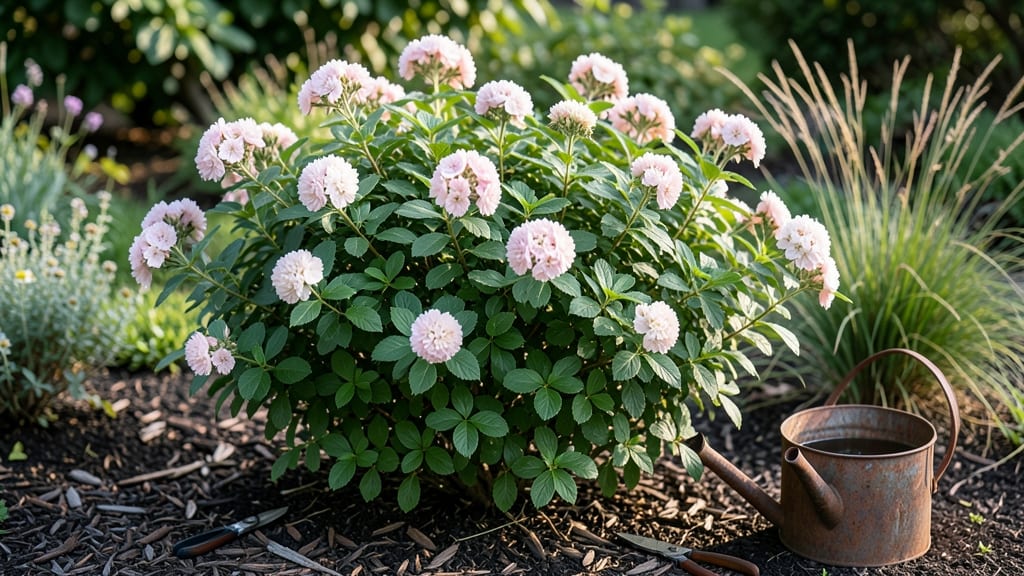
Growing a thriving spirea plant in sun or shade depends on choosing the right variety and light balance 🌸 — too much of either can turn your shrub into a leaf-scorched mess or a sparse-flowering disappointment.
Picture this: your spirea sits in a sunny spot, but instead of vibrant blooms, the edges of the leaves turn crispy brown. Or maybe it’s tucked in shade, growing leggy with tiny flowers that barely show.
The right light makes all the difference, and the secret isn’t as simple as "full sun or shade"—it’s about matching the plant to its perfect spot.
Most spirea varieties love at least 6 hours of sun, but some—like Gold Flame—handle partial shade beautifully. Below, I’ll break down which types thrive where, how to spot light stress, and the easy tweaks to keep your spirea blooming like crazy all season.
You’ll also learn how to adjust watering, pruning, and even soil to compensate for less-than-ideal light, so your spirea stays lush no matter where you plant it in your yard.
 Best Window Placement
Sunlight requirements for spirea plants: full sun vs partial shade explained
If you’ve ever wondered why your spirea shrubs aren’t blooming as expected, the answer might be hiding in plain sight—light exposure. While spirea is famously adaptable, not all varieties thrive equally in full sun vs. partial shade.
Understanding these differences can transform your spirea care from guesswork to guaranteed success.
Most spirea varieties fall into two broad categories: sun-lovers and shade-tolerant types. For instance, Spirea japonica (like 'Goldflame' or 'Anthony Waterer') typically craves 6+ hours of sunlight daily, while Spirea arguta (such as 'Firelight') can handle morning sun and afternoon shade.
Misjudging these needs often leads to leaf scorch, sparse blooms, or leggy growth.
Before diving deeper, let’s clarify what “partial shade” means for spirea. It’s not deep shade—think dappled sunlight filtering through trees or 3-4 hours of direct light on a cloudy day. Too little light weakens stems, while too much can bleach foliage or cause heat stress.
Here’s the game-changer: spirea’s light needs vary by cultivar. Some varieties, like Spirea thunbergii, tolerate full shade in cooler climates, while others, such as Spirea prunifolia, demand full sun to prevent flopping stems. The key is matching the plant to your yard’s microclimate.
Now that you’ve seen the light requirements broken down, let’s talk about how to spot light stress in your spirea. One of the first signs is leaf scorch, where edges turn brown and crispy—usually a red flag for too much sun.
Conversely, pale or yellowing leaves suggest your plant isn’t getting enough light.
Another common issue is sparse blooming. If your spirea is loaded with foliage but few flowers, it’s likely not receiving the right light balance. For example, Spirea japonica in deep shade might produce leaves but skip flowering entirely. Adjusting light exposure can revive even the most neglected shrubs.
For full-sun varieties, ensure they’re planted where they’ll get unfiltered sunlight for most of the day. If your yard lacks such a spot, consider pruning nearby trees or relocating the plant.
Conversely, shade-tolerant spirea should never be placed in deep, dark corners—they need at least 3 hours of indirect light.
Pro tip: Observe your spirea’s growth pattern. Healthy spirea grows upright with sturdy stems. If it’s stretching toward the light or leaning, it’s light-deprived.
On the flip side, if leaves look bleached or curled, it’s getting too much direct sun. Both extremes can stunt growth and reduce blooms.
Remember, spirea’s adaptability is its superpower—but only up to a point. Match the variety to your space, and you’ll enjoy vibrant blooms year-round. Start by testing your yard’s light conditions with a simple
How to adapt spirea care based on your yard’s light conditions
Your spirea’s light exposure determines everything from its bloom intensity to its foliage health. While most spirea varieties thrive in full sun, some—like Gold Flame or Anthony Waterer—handle partial shade beautifully.
The key is adjusting your watering schedule, pruning timing, and soil amendments to match your yard’s conditions. Let’s break down how to optimize care for each scenario.
In full sun, spirea plants need frequent watering to prevent leaf scorch and wilting, especially during summer’s peak heat. If your yard gets 6+ hours of direct sunlight, mulch heavily with organic matter (like shredded bark) to retain moisture and cool roots.
For partial shade (3–6 hours of sun), reduce watering slightly but monitor for powdery mildew, which thrives in damp, shaded conditions. Low-light areas require soil enrichment with compost to compensate for weaker photosynthesis.
- 1 Full Sun Care: Water deeply 2x/week in summer; prune after flowering to avoid cutting off next year’s blooms. Use reflective mulch (like white gravel) to reduce heat stress.
- 2 Partial Shade Care: Water once weekly unless soil is sandy; prune lightly in early spring to encourage bushier growth. Add iron supplements if leaves turn yellow (a common shade deficiency).
- 3 Low-Light Care: Water every 10 days unless potted; fertilize with low-nitrogen (5-10-10) in spring to avoid leggy growth. Plant near east-facing windows or under dappled trees for indirect light.
Seasonal adjustments are critical for year-round blooms. In spring, spirea in full sun benefits from early pruning to remove dead wood, while shaded varieties may need delayed pruning until after new growth appears.
During summer, move potted spirea to morning sun if your yard gets intense afternoon heat. In fall, reduce watering gradually to harden off plants, and in winter, protect young spirea from frost heave by mulching with straw or leaves.
Soil amendments can make or break your spirea’s success. For full sun, amend with sand or perlite to improve drainage and prevent root rot. In shady spots, mix in peat moss or coconut coir to retain moisture and acidify the soil slightly.
Test your soil’s pH (ideal range: 6.0–7.0)—spirea tolerates a wide range, but alkaline soils can cause chlorosis (yellowing leaves). Adjust with sulfur (for high pH) or lime (for acidic soil).
Watch for light-stress signs: Brown leaf edges in full sun? Increase shade with a lattice or sheer fabric. Pale, sparse blooms in shade? Gradually introduce more light over weeks to avoid shock.
With the right adjustments, your spirea will reward you with lush foliage and nonstop blooms, no matter where it’s planted in your yard. 🌿