
Flowers
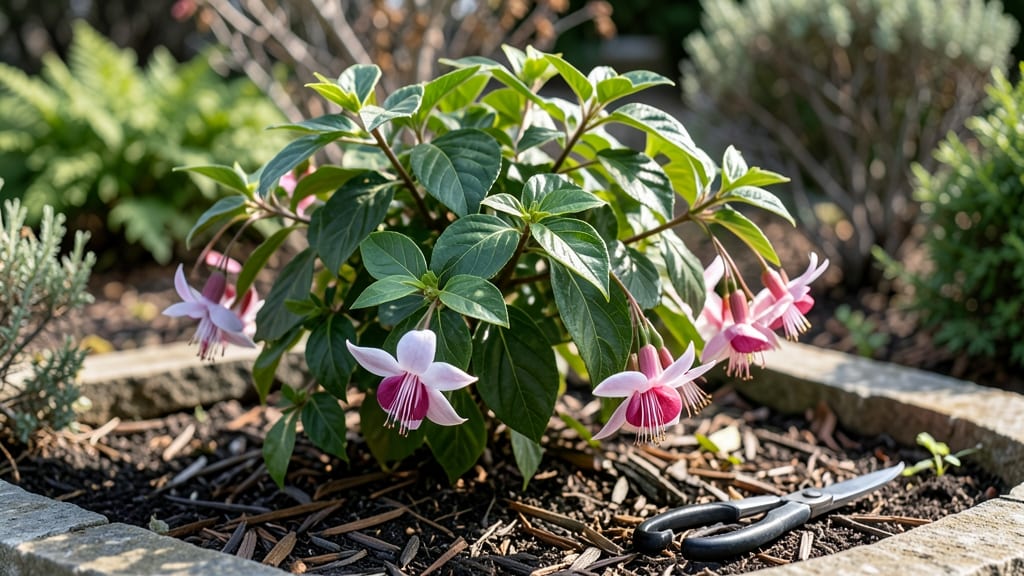
The shades of fuchsia in bloom bring a bold punch that steals every show—from the first blush of spring to frost-kissed autumn, these vibrant blooms transform any garden into a living masterpiece, no matter the season. 🌸 Pair deep magenta fuchsias with silver foliage for dramatic contrast, or soften their intensity with creamy white daisies.
My favorite combo? Fuchsia flowers spilling over terracotta pots against a backdrop of lavender—it’s like a sunset in your backyard. The secret to year-round drama? Choose perennials like fuchsia coleus for summer heat and ornamental peppers for winter interest.
Even your neighbors will pause to admire the vibrant centerpiece you’ve created.
📚 In This Guide
- What you need
- Instructions
- Tips and common mistakes
- Wrapping up and next steps
What you need
- ● Fuchsia plants: Choose at least 3-5 varieties for texture and color contrast (e.g., Fuchsia magellanica, Fuchsia boliviana, or Fuchsia ‘Giant Lady’). Opt for healthy, disease-free specimens from nurseries or online retailers.
- ● Well-draining potting mix: 5-10 gallons (depending on container size). Mix 50% peat or coconut coir, 30% perlite, and 20% compost for ideal aeration.
- ● Containers or garden beds: Hanging baskets: 12-18 inches in diameter (3-5 per variety for cascading effect).
- ● Planters: 10-14 inches deep (for upright varieties like ‘Giant Lady’).
- ● Garden beds: Partial shade with 6+ hours of morning sun.
- ● Slow-release fertilizer: 10-10-10 NPK ratio (mix 1 tbsp per gallon of soil at planting).
- ● Mulch: 2-3 inches of shredded bark or pine needles to retain moisture and deter weeds.
- ● Garden gloves (nitrile-coated for durability).
- ● Trowel or small shovel (for transplanting).
- ● Pruning shears (sterilized with 70% isopropyl alcohol).
- ● Watering can or hose with a gentle spray nozzle (fuchsias hate soggy roots!).
- ● pH test kit (ideal soil pH: 6.0-6.5).
- ○ Optional but helpful: Fish emulsion or seaweed extract (diluted to 1 tbsp/gallon) for a mid-season boost.
- ● Copper fungicide (preventative measure for powdery mildew-prone varieties).
- ● Decorative stakes or trellises (for trailing varieties like ‘Riccartonii’).
How to design a fuchsia-focused garden for season-long color
Here's how I create a lush, ever-changing display using fuchsia's many hues—from cool purples to deep magentas.
🌿 Step 1: Select Fuchsia Varieties for Year-Round Interest
Fuchsias thrive in partial shade, so I choose varieties that bloom from early summer through frost. Start with 4-6 plants of different types: trailing fuchsias for cascading color, upright varieties for structure, and dwarf types for container displays. For example, 'Giant Marble' offers large, velvety blooms, while 'Lady Boothby' provides delicate, trailing sprays.
I always include at least two colors—like a deep magenta paired with a soft lavender—to create visual contrast. Plant them in clusters of three or five for a natural, abundant look. The key is to stagger bloom times: some varieties like 'Precious Gem' start early, while others like 'Dickson's Unique' shine in late summer.
☀️ Step 2: Position for Optimal Light and Shelter
Fuchsias need morning sun and afternoon shade—too much direct afternoon light scorches their delicate petals. I place them under 30-50% shade cloth or near trees with dappled shade. In hot climates, east-facing beds work best, while cooler regions can handle slightly more sun.
For winter protection, I group plants together and add a thick layer of mulch (3-4 inches) around the base. This insulates roots from freezing temperatures while keeping soil moist. In colder zones, I bring tender varieties indoors before the first frost and overwinter them near a bright window.
💧 Step 3: Water and Feed for Continuous Blooms
Fuchsias wilt quickly when thirsty, so I water deeply 2-3 times per week during active growth, ensuring the top 6 inches of soil stay moist. I use a drip irrigation system to avoid wetting leaves, which prevents fungal diseases like powdery mildew. In containers, I check soil moisture daily—pots dry out faster.
Feed every 2-3 weeks during the growing season with a balanced liquid fertilizer (10-10-10). I switch to a high-phosphorus formula (5-10-5) in late summer to encourage more blooms. Always water before fertilizing to prevent root burn—this is a common mistake that stunts growth.
✂️ Step 4: Prune for Shape and Encourage New Growth
Pinch back leggy stems in early spring to encourage bushier growth. I cut just above a leaf node, which stimulates branching. For trailing varieties, I let them grow freely but trim any dead or woody stems. Regular pruning keeps plants compact and prevents overcrowding.
After each flush of blooms, I give plants a light trim to remove spent flowers and encourage new growth. This extends the blooming season by preventing the plant from redirecting energy into seed production. In late summer, I cut back one-third of the oldest growth to rejuvenate the plant for a final burst of color.
🌱 Step 5: Overwinter and Propagate for Next Season
Before the first frost, I cut back all but the strongest stems and move potted fuchsias indoors to a cool, bright spot. I reduce watering but keep the soil slightly moist. In spring, I take 4-6 inch cuttings from healthy stems and root them in a mix of perlite and peat moss. This ensures a fresh supply of plants for next year.
For garden plants, I mulch heavily and protect with burlap wraps if temperatures drop below 20°F. In mild climates, fuchsias can overwinter outdoors with minimal protection. The goal is to keep roots alive so the plant can bounce back quickly in spring—this is where most gardeners see failures from overzealous pruning.
Tips & tricks for perfect fuchsia garden design
Creating a vibrant fuchsia display that thrives all season takes thoughtful planning—and these insights will help you avoid common pitfalls while maximizing impact.
Variety Selection: When choosing your 4-6 plants, prioritize varieties with staggered bloom times to ensure continuous color. I always include at least one early bloomer like 'Precious Gem' and one late-season performer like 'Dickson's Unique'—this creates that seamless transition from summer to frost. The color contrast between deep magenta and soft lavender also makes the display pop visually, so don't skimp on the color palette.
Light Management: The 30-50% shade cloth recommendation isn't just about preventing scorched leaves—it's about creating the perfect environment for those velvety petals to develop fully. I've found that positioning plants under trees with dappled shade (rather than uniform shade) actually encourages more vibrant blooms by simulating natural light patterns. For containers, rotate them weekly so all sides get equal light exposure.
Winter Protection: That 3-4 inch mulch layer is your best defense against winter damage, but here's the trick: apply it after the first few hard frosts when soil temperatures have stabilized. Fresh mulch on warm soil can actually accelerate heat loss. For potted plants, I wrap them in bubble wrap before moving indoors—it creates an insulating air pocket that prevents temperature shock when transitioning from outdoor to indoor conditions.
Pruning Strategy: When you cut back one-third of the oldest growth in late summer, focus on removing stems that are woody or showing signs of disease. The key is to make clean cuts just above a leaf node where new growth will emerge. I always sterilize my pruners with rubbing alcohol between cuts to prevent spreading any potential pathogens through your collection.
Pro Tips for Shades Of Fuchsia
- Creating a vibrant fuchsia display that thrives all season takes thoughtful planning—and these insights will help you avoid common pitfalls while maximizing impact.
- Variety Selection: When choosing your 4-6 plants, prioritize varieties with staggered bloom times to ensure continuous color.
- Light Management: The 30-50% shade cloth recommendation isn't just about preventing scorched leaves—it's about creating the perfect environment for those velvety petals to develop fully.
Frequently asked questions
What’s the best time of year to plant fuchsia flowers for year-round color?
For continuous drama, plant fuchsias in early spring (after the last frost) and again in late summer (August-September). Hardy varieties thrive in mild climates year-round, while tender types may need winter protection (like mulch or containers). Pro tip: Start seeds indoors 8–10 weeks before the last frost for an earlier bloom!
Can fuchsia flowers grow in containers, or do they need a garden bed?
Fuchsias love containers—they’re perfect for patios, balconies, or even hanging baskets. Use well-draining soil with 50% organic matter (like peat or coconut coir) and a pot with drainage holes. Troubleshoot: Rotate containers weekly for even sunlight exposure.
How do I choose the right shade of fuchsia for my garden’s color scheme?
Fuchsias come in soft pinks, deep magentas, and even white! Pair light fuchsia with blues/greys for contrast, or bold magenta with creams/yellows for warmth. For drama, mix shades in layers—try ‘Giant Marble’ (pale pink) with ‘Lady Boothby’ (deep red-purple). Alt idea: Add silver foliage plants (like helichrysum) to make fuchsias pop!
Why are my fuchsia leaves turning yellow or dropping? How do I fix it?
Yellow leaves or bud drop usually signal overwatering, underwatering, or pests. Check soil moisture (top inch should be dry), ensure pots have drainage, and inspect for aphids or spider mites. Prune affected areas and treat with neem oil if needed. Quick fix: Move plants to morning sun (avoid harsh afternoon rays) to prevent stress.
Do fuchsias need full sun, or can they handle shade?
Fuchsias prefer partial shade (4–6 hours of morning sun) to protect delicate blooms from scorching. In hot climates, dappled shade (under trees) is ideal. Light hack: Use sheer curtains on greenhouses to diffuse light for tender varieties.
Wrapping up and next steps
From bold statement blooms to delicate pastels, shades of fuchsia bring effortless drama to any garden—no green thumb required! These vibrant flowers thrive year-round with the right care, offering low-maintenance beauty that brightens spaces and lifts spirits.
Whether you’re a seasoned gardener or just starting, now’s the perfect time to experiment with fuchsia hues and create a show-stopping outdoor oasis.
Ready to dive in? Start small:
- Pick one or two fuchsia varieties to test in your space.
- Grab the supplies from our materials list and get planting!
- Share your progress—or ask questions—in the comments below!