
Light Requirements
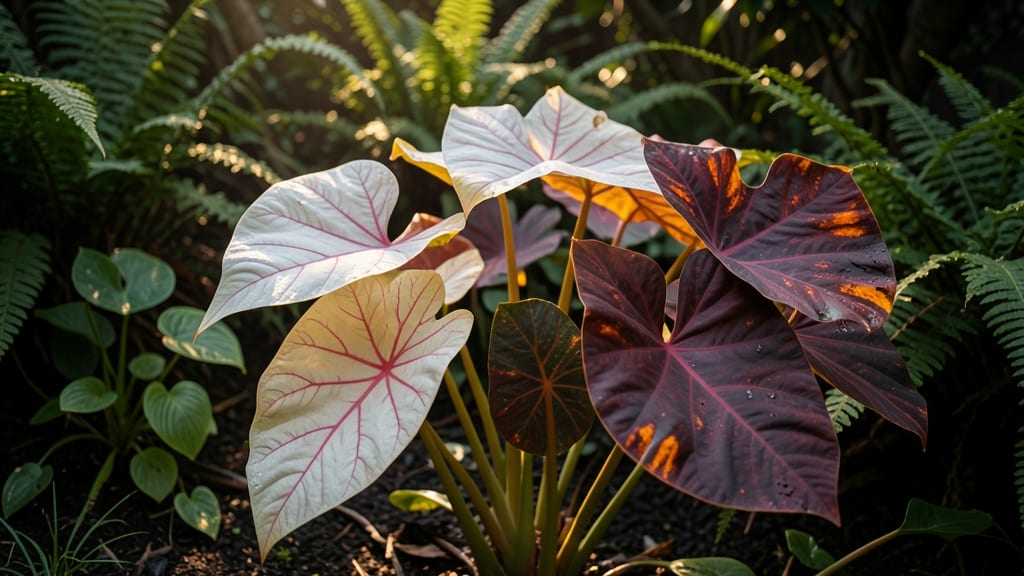
Struggling to keep plants alive in shady, low-light spots? These 10 shade-tolerant resilient plants thrive where others fail, delivering vibrant foliage and flowers year-round with minimal care.
Hostas for Low-Maintenance Shade Gardens
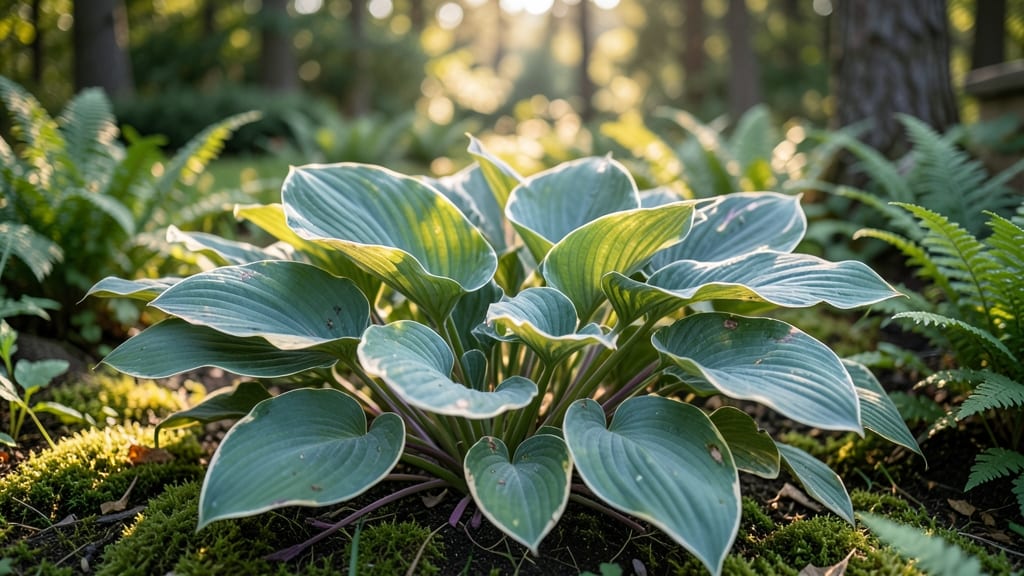
If you're new to gardening and dread the thought of fussy shade plants, hostas are your secret weapon. These hardy perennials thrive in low-light conditions while demanding almost no attention—making them perfect for busy gardeners or beginners who want instant impact.
Look for disease-resistant varieties like 'Blue Angel' or 'Halcyon', which boast stunning blue-green and white variegation that stands out even in dim corners. They handle humidity and deer pressure like champions, and their thick, waxy leaves resist slug damage better than most shade plants. Plant them in well-draining soil with a sprinkle of compost, water occasionally, and watch them spread into lush, low-maintenance foliage.
Hostas are the ultimate "plant and forget" option, offering year-round interest with minimal effort. They’re ideal for urban gardens, woodland edges, or even container plantings where other shade plants would struggle. 🌱
Heuchera Coral Bells with Striking Foliage
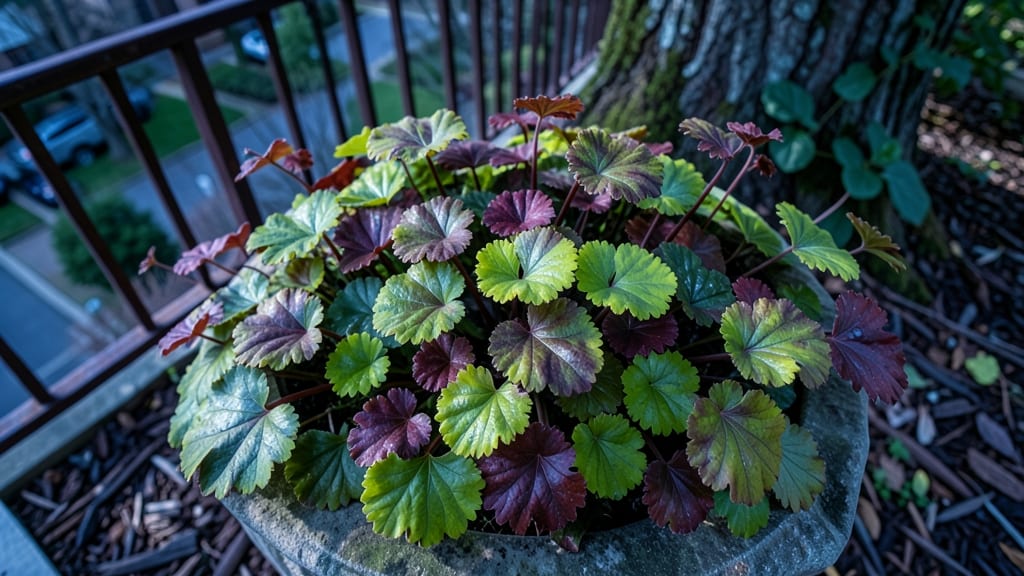
Tired of shade spots that feel like dead zones? Heuchera Coral Bells prove that bold color isn't just for sunny gardens. These compact perennials pack a punch with their vibrant foliage that thrives in partial to full shade, making them perfect for urban balconies, woodland gardens, or even under trees where light barely reaches.
Varieties like 'Palace Purple' (deep burgundy) or 'Lime Rickey' (bright chartreuse) deliver year-round color with almost no maintenance. They're drought-tolerant once established and handle humid conditions beautifully. For best results, plant in well-draining soil and water regularly until roots establish—then let them enjoy their shade.
These shade superstars are ideal for gardeners who want high-impact plants without the space requirements of larger shrubs. Their slow-spreading habit means you can tuck them into tight spots while still getting that wow factor for seasons to come. 🌟
Ferns for Textured Shade Garden Layers
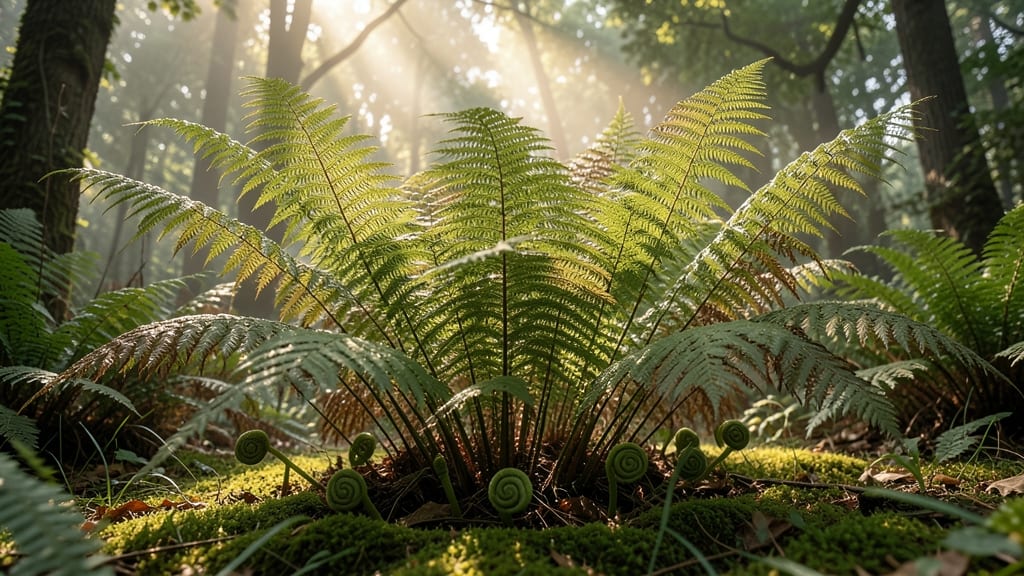
Transform your shady garden into a lush woodland retreat with ferns, nature's perfect vertical accent plants. Their delicate fronds create movement and texture that no flat-leaved plant can match, while their adaptability makes them ideal for understory planting.
Varieties like Ostrich Fern (with its bold, arching fronds) and Japanese Painted Fern (showy silver-green foliage) thrive in consistently moist conditions—think morning sun with afternoon shade. Mulch heavily to retain moisture, and plant in clusters to create that signature woodland density. These ferns handle humidity and poor soil better than most shade plants.
Perfect for gardeners who want drama without the maintenance, ferns bring year-round interest and pair beautifully with hostas or heucheras. They're also deer-resistant, making them a smart choice for rural properties. 🌿
Impatiens for Continuous Summer Blooms
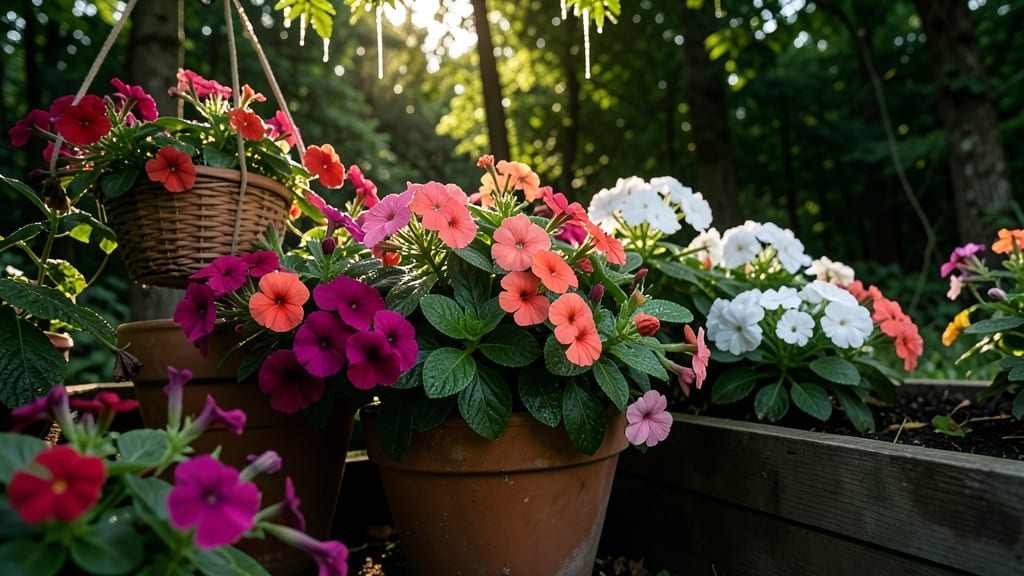
Tired of shady spots that look bare even in summer? Impatiens are the secret weapon for instant color where other flowers give up—these annuals bloom nonstop from spring until frost with minimal effort.
Plant them in containers, hanging baskets, or garden edges receiving just 2-4 hours of morning sun or dappled shade. Their delicate, waxy blooms come in shades of pink, red, orange, and white, and they thrive in consistently moist, well-draining soil. For best results, deadhead spent blooms to encourage even more flowers—though they often self-clean in warm weather. Urban gardeners and balcony planters love them for their compact size and vibrant impact.
Perfect for beginners or busy gardeners, impatiens deliver instant summer cheer with almost no maintenance. Just keep the soil moist and watch them transform dull corners into lively displays. 🌟
Astilbe for Feathery Flowering Spikes
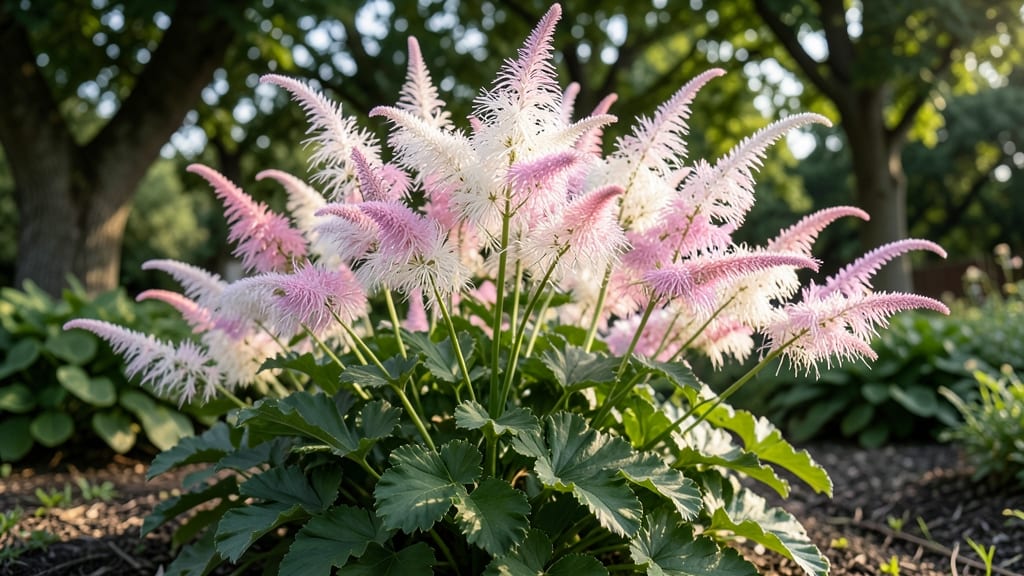
Want to add movement and texture to your shade garden without the fuss? Astilbe delivers feathery plumes that sway gently in the breeze, creating a magical dancing effect even in partial shade. These perennials are surprisingly resilient once established, making them perfect for gardeners who want color without constant upkeep.
Choose drought-tolerant varieties like 'Fanal' (deep pink) or 'Deutschland' (bright red) for bold impact. They thrive in partial shade (3-6 hours of sun) and prefer consistently moist, well-draining soil. Deadhead spent blooms to encourage more flowers, and watch them rebound year after year with minimal effort.
Urban gardeners and small-space planners love astilbe for its compact growth habit—ideal for borders, containers, or woodland gardens. The airy plumes also attract pollinators, adding life to your shaded retreat. 🌟
Lungwort for Medicinal Garden Interest
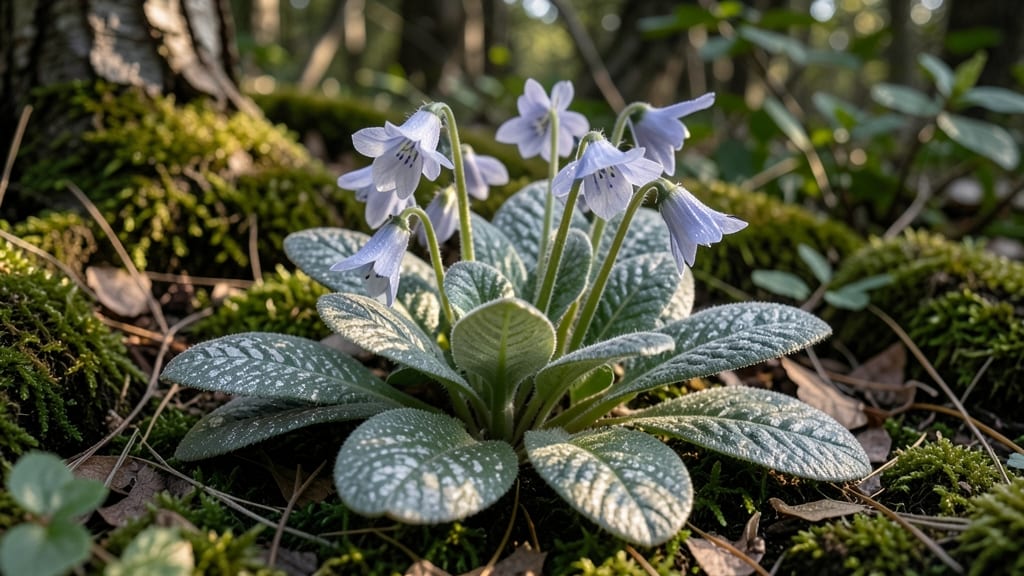
Looking to add both beauty and historical healing properties to your shade garden? Lungwort (Pulmonaria) brings a unique combination of silvery spotted foliage and delicate blue spring blooms, making it a standout choice for medicinal gardeners and shade enthusiasts alike.
This hardy perennial thrives in deep shade to partial sun and self-seeds reliably, ensuring your garden stays populated year after year. The striking silver-spotted leaves provide visual contrast, while its early spring flowers attract pollinators. Lungwort has been used traditionally for respiratory health, adding a layer of historical interest to your garden.
Perfect for woodland gardens, cottage-style plantings, or even as a ground cover under trees, lungwort is ideal for gardeners who want both practicality and charm. Its resilience makes it a great addition for those with challenging shade spots. 💚
Japanese Painted Fern for Dramatic Color
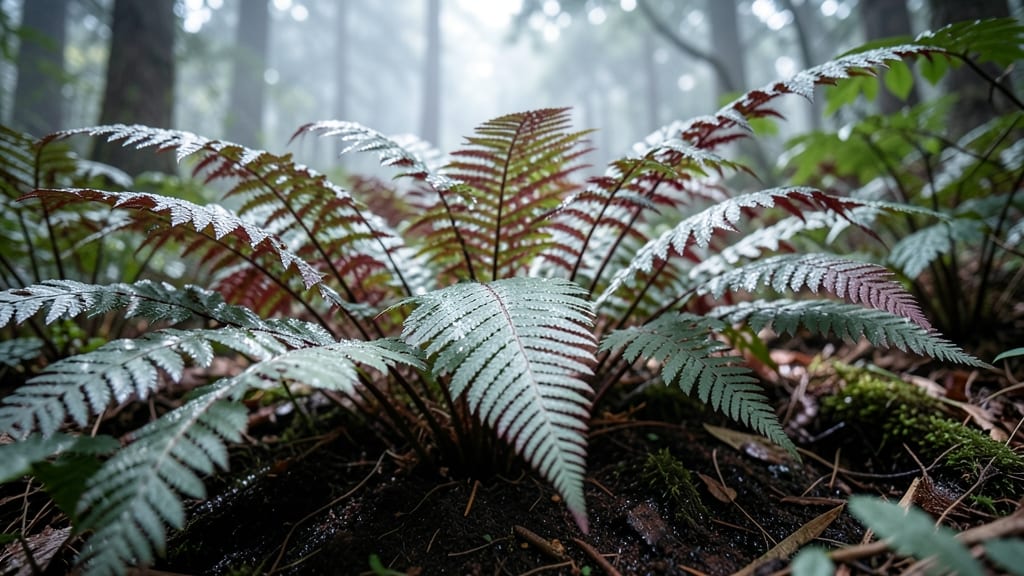
Want to add dramatic color to your shady garden without the fuss? The Japanese Painted Fern (Athyrium niponicum var. pictum) delivers a tri-color spectacle—silver, deep green, and burgundy—on delicate fronds that catch every ray of dappled light.
This fern thrives in consistently moist, well-draining soil and partial to full shade, making it ideal for woodland gardens or under trees. Unlike aggressive spreaders, it grows slowly (about 6 inches per year), creating a lush, natural ground cover without taking over. For best results, mulch around the base to retain moisture and protect roots in winter.
Perfect for gardeners who love low-maintenance texture, this fern pairs beautifully with hostas or heucheras. Its year-round interest—even in winter—makes it a standout for shade lovers. 🌿
Sweet Woodruff for Fragrant Ground Cover
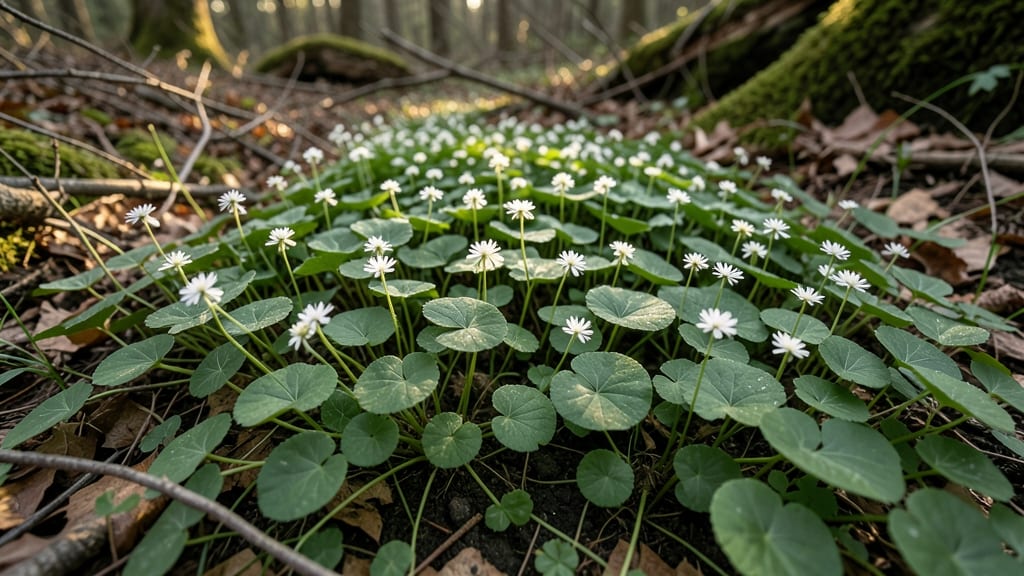
Bring a whimsical, fragrant touch to your woodland garden with sweet woodruff (Galium odoratum), a charming ground cover that spreads gently while suppressing weeds. Its delicate white flowers and heart-shaped leaves create a lacy carpet, while the foliage releases a sweet, vanilla-like scent when crushed—perfect for sensory gardens or woodland edges.
This low-growing perennial thrives in deep shade to partial sun and prefers moist, well-drained soil, making it ideal for understory planting or as a living mulch. It spreads via underground runners but remains non-invasive, forming dense mats that outcompete weeds while requiring little maintenance. Plant it in spring for a fragrant ground cover that blooms in late spring and early summer.
Sweet woodruff is especially magical for gardeners who love fragrance and texture without the fuss of high-maintenance plants. It pairs beautifully with ferns, hostas, and lungwort, creating a lush, woodland-inspired tapestry. 🌿
Daffodils for Early Season Color
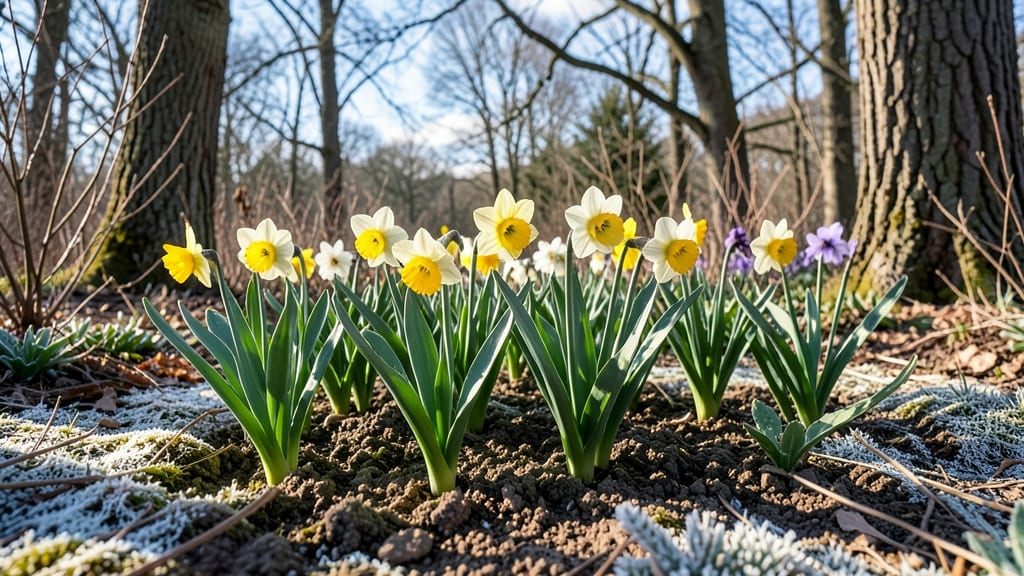
Brighten your garden before spring even arrives with daffodils, the unsung heroes of early season color. These cold-hardy bulbs push through frozen ground to deliver cheerful blooms when most plants are still dormant, making them perfect for shade gardens that wake up late in the year.
Varieties like 'Ice Follies' (pure white) and 'Tête-à-Tête' (compact and fragrant) thrive in shade while multiplying yearly, creating natural drifts over time. Their deer-resistant nature makes them ideal for rural gardens, and they handle everything from dry shade to moist woodland conditions. Plant bulbs in fall for next spring's show—just 6-8 weeks of chilling produces stunning blooms.
Perfect for gardeners who want instant color with minimal effort, daffodils also attract early pollinators like bees. Their long storage life in the soil means you'll enjoy them for years with no replanting. 🌱
Caladiums for Tropical Shade Drama

Bring bold, tropical vibes to your shady garden with caladiums, the ultimate foliage superstars for hot, humid conditions. These showstopping plants deliver summer-long color where impatiens and ferns would wilt, with varieties like 'White Queen' (pure white with pink veins) and 'Flamingo' (deep pink with white centers) that create instant drama.
Caladiums thrive in partial to full shade with moist, well-draining soil—think mulched garden beds or containers under trees. Their arrow-shaped leaves emerge in spring and last until frost, making them perfect for seasonal impact without the upkeep of flowering plants. For best results, plant tubers in spring after the last frost, keeping them consistently moist but not soggy.
Ideal for gardeners with challenging shade spots**—like under large trees or on north-facing walls—caladiums offer instant tropical flair with minimal effort. Their striking patterns make them perfect for containers, mixed borders, or as a bold focal point in shady garden corners. 🌻