
Companion Plants
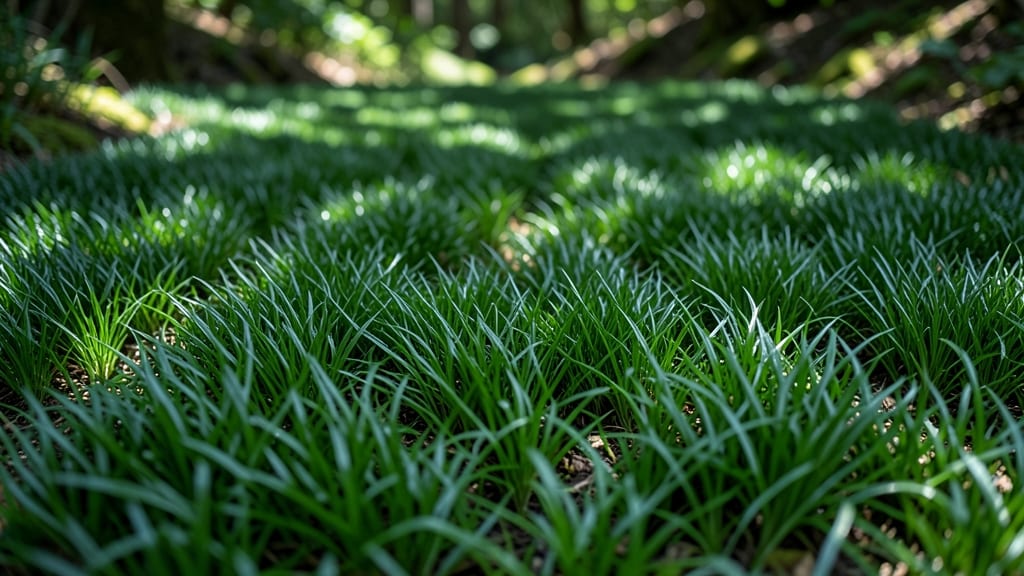
Zone 5 gardens can still flourish with shade-tolerant plants that require minimal sunlight. These 10 hardy options bring color, texture, and life to shady spots while surviving harsh winters and limited light conditions.
Hostas for Year-Round Ground Cover
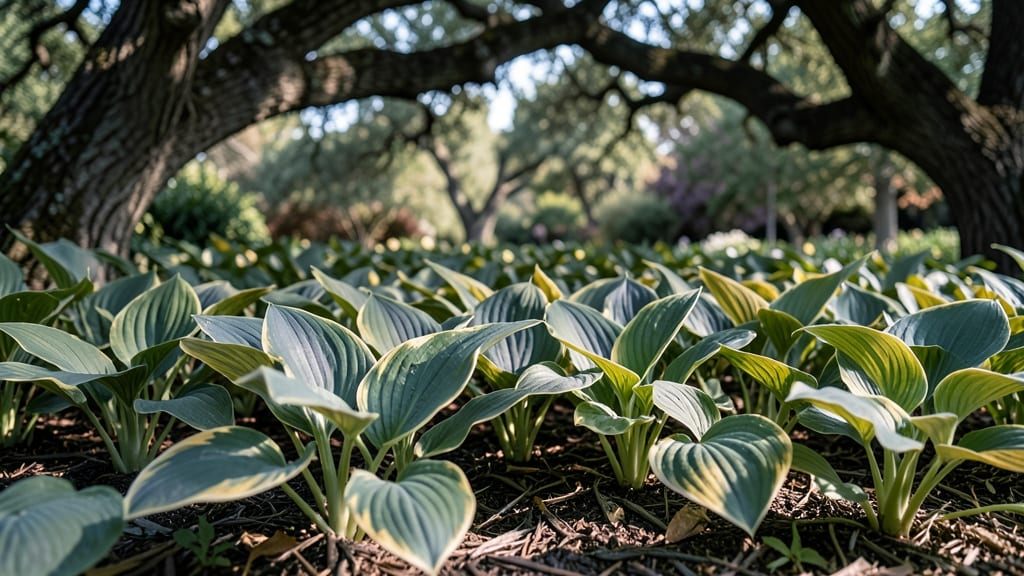
If you’ve ever struggled to keep a garden bed lush under the shade of trees, hostas are your secret weapon. These hardy perennials deliver year-round ground cover with minimal effort, making them perfect for beginners or busy gardeners.
Hostas thrive in partial to full shade and come in stunning varieties—from deep purple centers to golden edges—adding texture and color without needing sunlight. They’re also drought-tolerant once established and deer-resistant, which means fewer pests and less watering for you. Just ensure well-draining soil and a layer of mulch to protect roots in Zone 5 winters.
Whether you’re lining a shady path or filling gaps in your garden, hostas bring effortless beauty. 🌱
Japanese Painted Fern for Delicate Texture
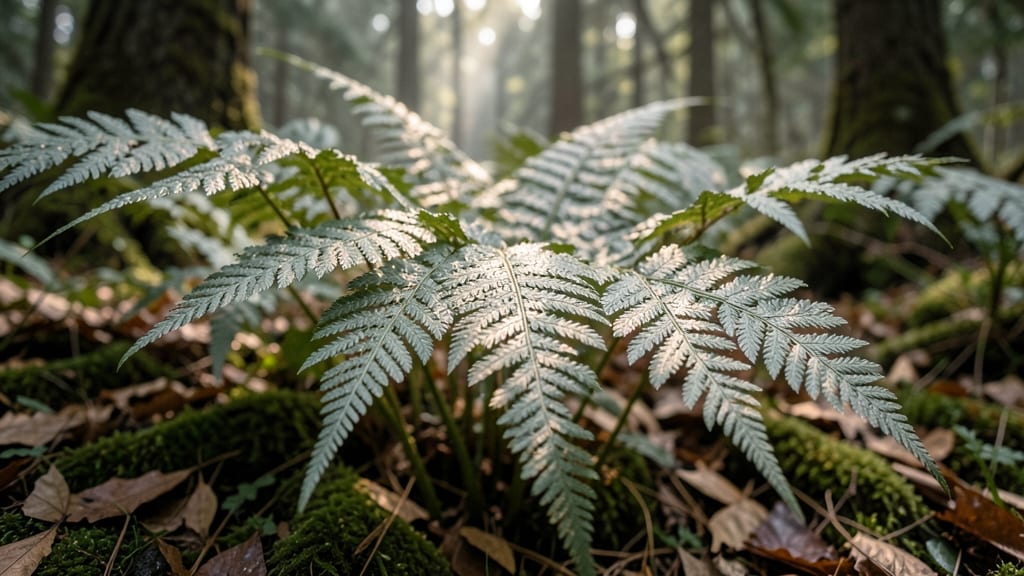
If your shady garden feels like a forgotten corner, the Japanese painted fern (Athyrium niponicum var. pictum) transforms it into a lush, textured retreat with minimal effort. Its striking silver and green fronds create a delicate, almost painterly effect that elevates woodland gardens to new heights—literally, as it grows 18–24 inches tall while staying compact.
This fern thrives in moist, well-draining soil and prefers partial to full shade, making it ideal for spots where other plants wilt. Unlike many shade lovers, it’s also deer-resistant, so you won’t lose it to hungry browsers. For best results, mulch around the base to retain moisture and protect roots during Zone 5 winters.
Perfect for gardeners who love texture without fuss, this fern pairs beautifully with hostas or astilbes. Its year-round interest—even when dormant—makes it a standout for low-maintenance shade gardens. 🌿
Bleeding Heart Flowers for Spring Color
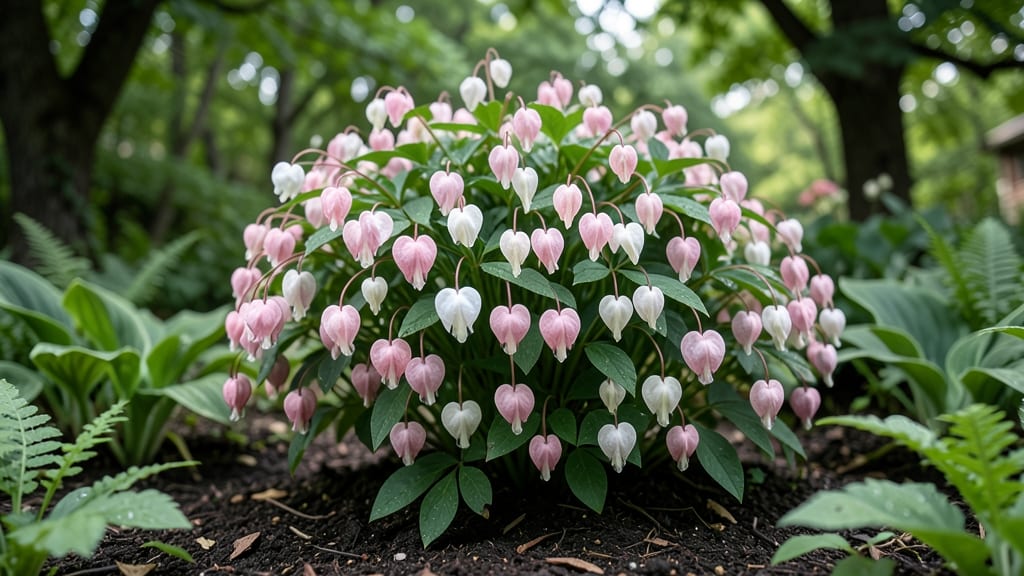
Looking for a romantic touch to brighten your shady garden spots? Bleeding heart flowers (Dicentra spectabilis) bring delicate, heart-shaped blooms that cascade gracefully in spring, creating a whimsical focal point. These shade-loving perennials thrive in partial shade (3-6 hours of sunlight) and are a standout choice for Zone 5 gardeners.
Plant them in well-draining, moist soil enriched with organic matter, and mulch heavily in fall to protect their roots from Zone 5 winters. Their arching stems reach 2-3 feet tall, making them perfect for borders, woodland gardens, or as a backdrop for shorter perennials. With proper care, they’ll reward you with months of blooms from late spring through summer.
Perfect for gardeners who want seasonal color without the fuss, bleeding hearts pair beautifully with hostas or ferns. Their unique foliage and flowers add vertical interest while staying low-maintenance—ideal for busy gardeners or beginners. 🌷
Hellebores for Early Winter Interest
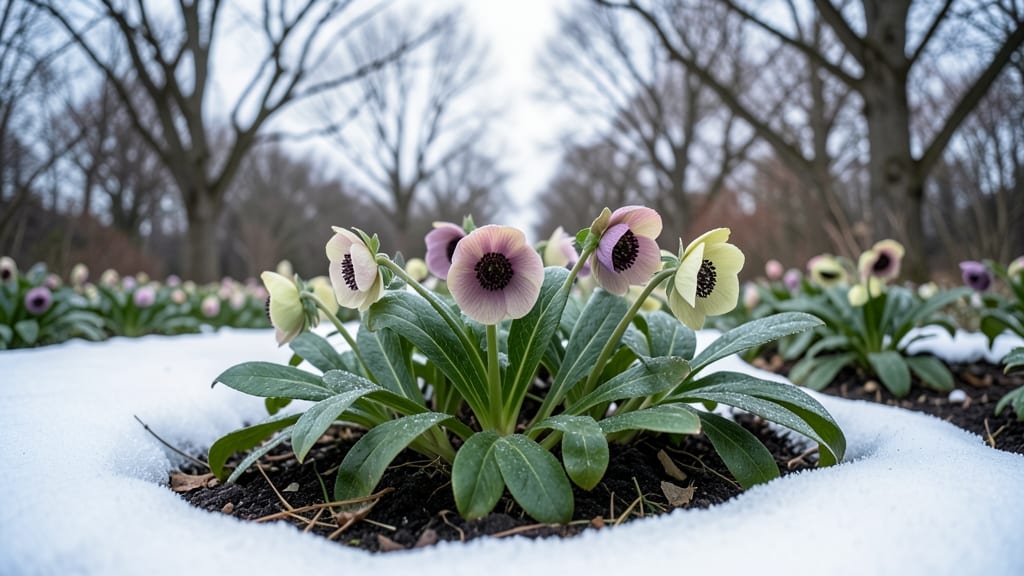
When most of your garden is still buried under snow, hellebores defy winter’s grip by blooming in late winter or early spring. These tough perennials thrive in Zone 5’s coldest months, offering delicate flowers in shades of white, pink, purple, and green when few other plants dare to emerge.
Perfect for shady, rocky spots where soil drains poorly or sunlight is scarce, hellebores tolerate partial to full shade and even appreciate the dappled light of mature trees. Their evergreen foliage stays attractive year-round, and they’re nearly pest-free. Simply plant the bare-root crowns in fall or early spring, water occasionally, and watch them reward you with months of color. 🌱
Astilbe for Feathery Summer Blooms
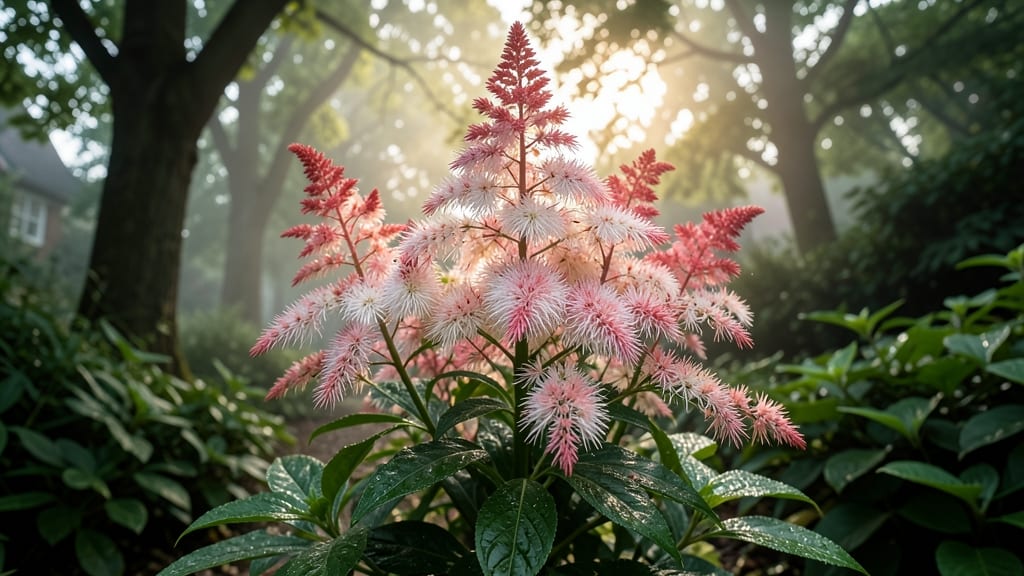
Looking for a shade plant that adds height and drama without stealing sunlight from other garden stars? Astilbe delivers soft, feathery plumes in pink, white, or red—perfect for filling vertical space in your garden while keeping the peace with sun-loving neighbors.
This moisture-loving perennial thrives in partial to full shade, making it ideal for understory plantings or woodland gardens. Its airy blooms appear in late spring to early summer and attract butterflies and bees, giving your shade garden a pollinator-friendly boost. For best results, plant in well-draining, humus-rich soil and keep the roots consistently moist—mulch helps retain moisture and protect roots during Zone 5 winters.
Urban gardeners and small-space growers will love how astilbe fits into containers or borders, while its disease-resistant nature means less fuss than many shade plants. Pair it with hostas or ferns for a lush, layered look that feels effortlessly natural. 🌷
Coral Bells for Colorful Foliage Varieties
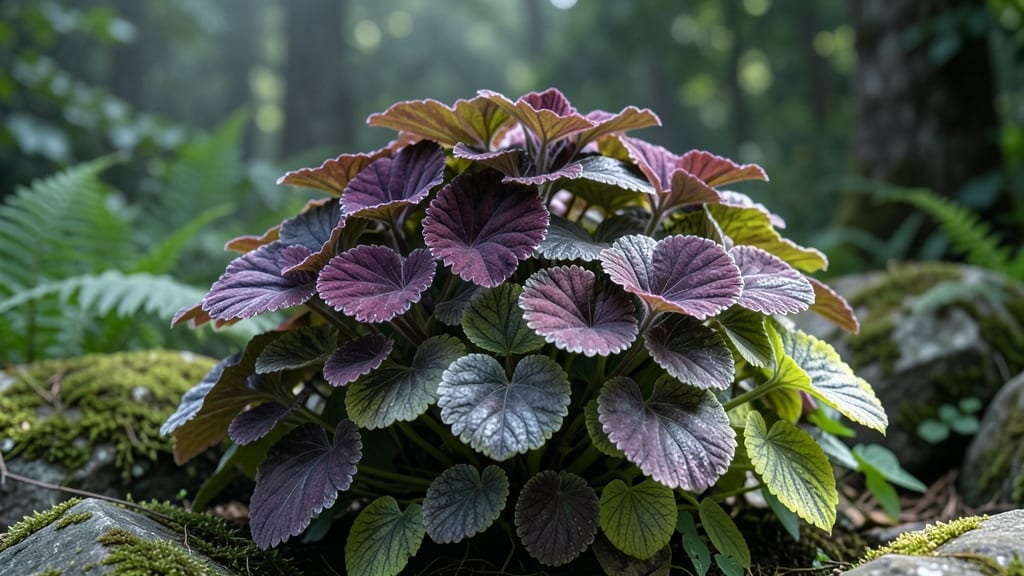
Looking for a shade plant that packs a punch with colorful foliage while demanding almost no attention? Coral bells (Heuchera) deliver vibrant purple, silver, or chartreuse leaves that outshine many sun-loving plants—without needing a single ray of direct sunlight.
This Zone 5-hardy perennial thrives in partial to full shade, making it perfect for under trees, along north-facing walls, or in containers where light is limited. Varieties like 'Palace Purple' or 'Lime Rickey' offer year-round interest, with delicate flowers adding a bonus splash of color in spring and summer. Simply keep the soil consistently moist (but not soggy) and watch your coral bells flourish.
Urban gardeners and small-space growers will love how coral bells adapt to containers, while their compact size makes them ideal for borders or edging. With minimal care and maximum impact, they’re the secret weapon for brightening shady corners. 🌿
Lungwort for Medicinal and Ornamental Value
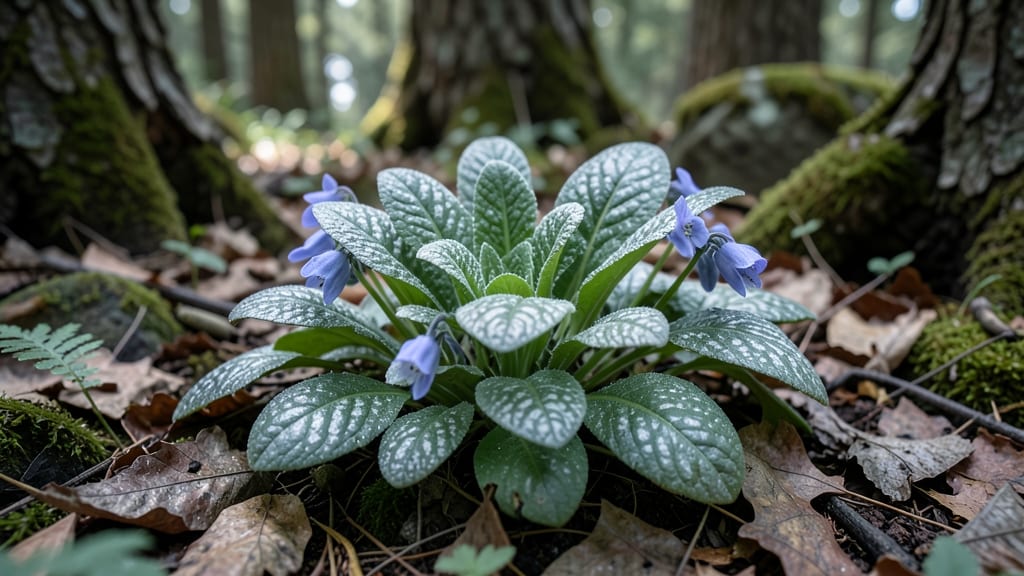
Looking for a plant that’s as useful as it is beautiful? Lungwort (Pulmonaria) delivers both with its striking silver-spotted leaves and delicate blue flowers—plus a history of medicinal use for respiratory health.
This hardy perennial thrives in moist, shady woodland gardens where it self-seeds happily, creating natural drifts of color. Its early spring blooms (before many other perennials) attract pollinators, while its foliage remains attractive well into fall. Plant it in well-draining soil with afternoon shade for best results.
Perfect for herbalists and gardeners alike, lungwort adds both practical and decorative value to shady spots. 💚
Solomon’s Seal for Arching Elegance
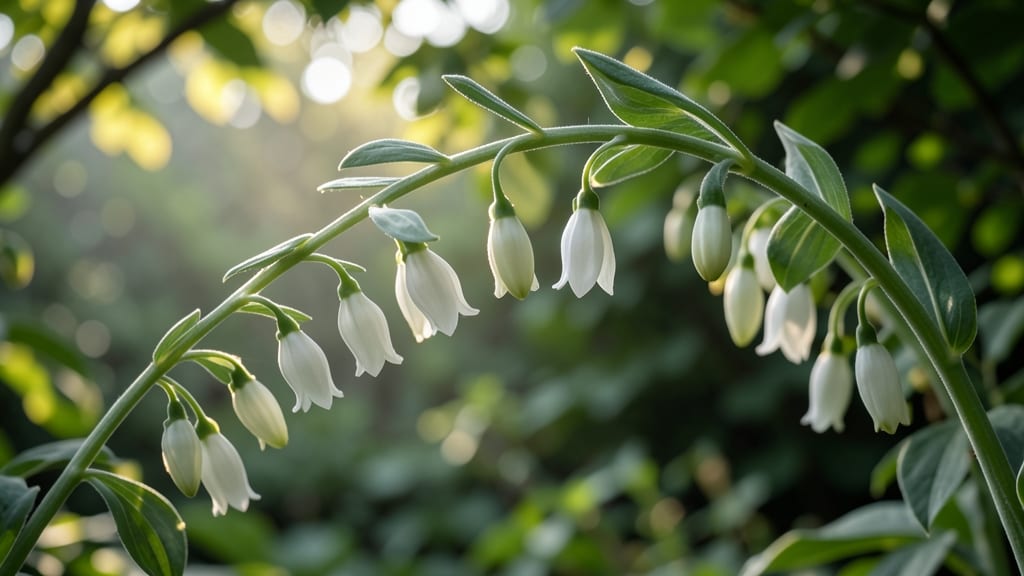
Looking for a shade plant that adds movement and elegance without demanding constant attention? Solomon’s Seal (Polygonatum spp.) is the answer—its cascading stems and dangling white flowers create a natural, flowing arch that dances in the breeze. Unlike stiff, upright perennials, this plant brings softness to shady borders, making it perfect for woodland gardens or understory plantings.
This hardy perennial thrives in Zone 5 and beyond, tolerating both dry and moist soil conditions once established. Its arching habit makes it ideal for borders, while its fragrant flowers attract pollinators like hummingbirds. For best results, plant in partial to full shade and mulch to retain moisture—it’s also deer-resistant, so you won’t lose it to hungry browsers. Varieties like ‘Blue Spires’ or ‘Variegatum’ add extra visual interest with striped or blue-tinged foliage.
Whether you’re designing a tranquil woodland garden or simply want to add grace to a shady corner, Solomon’s Seal delivers year-round structure with minimal care. It’s a must-have for gardeners who love low-maintenance plants with high-impact beauty. ✨
Foamflower for Fragrant Spring Blooms
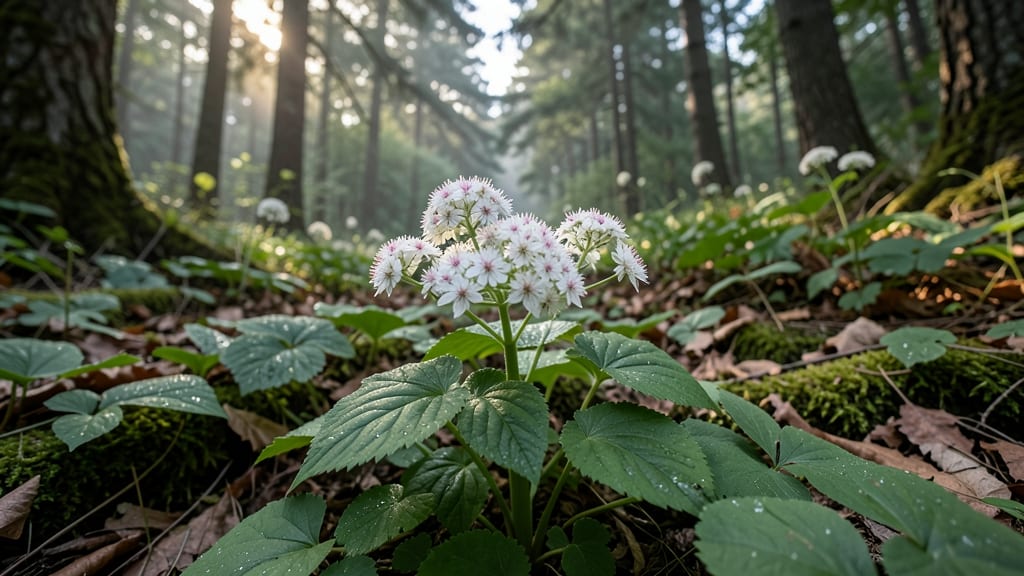
If you’ve ever walked through a woodland garden and caught the faintest whiff of something sweet in the spring air, you’ve likely encountered foamflower (Tiarella cordifolia). This underrated gem thrives in the very spots where other plants wilt—partial shade under trees—and rewards you with clusters of delicate, fragrant white blooms that resemble foam.
Foamflower’s secret to success lies in its adaptability: it tolerates moist, well-draining soil and even appreciates dappled sunlight filtering through canopy leaves. Plant it in spring or fall for best results, spacing clumps 12-18 inches apart. Its heart-shaped leaves add texture year-round, while the spring blooms attract early pollinators like bees and butterflies. Mulch lightly to protect roots during Zone 5 winters.
Perfect for gardeners who love the natural beauty of woodland gardens, foamflower thrives where others fail—making it the ideal choice for understory plantings, rock gardens, or as a border under trees. Its low-maintenance nature and fragrant charm make it a must-have for shade lovers. ✨
Dwarf Mondo Grass for Evergreen Ground Cover

Tired of bare patches in your shady garden that refuse to stay green? Dwarf mondo grass (Ophiopogon japonicus 'Nana') is the unsung hero for creating a lush, evergreen carpet that thrives where other plants struggle. Unlike many shade plants, this dense ground cover stays vibrant through all four seasons—even under Zone 5 winters—while tolerating foot traffic, making it perfect for pathways or high-traffic areas.
This low-growing grass (just 4–6 inches tall) spreads slowly but steadily, forming a crisp, uniform mat that fills gaps between stepping stones or borders. It prefers partial to full shade and adapts to various soil types, though it does best in well-draining, slightly acidic conditions. Water occasionally once established—its drought tolerance is one of its biggest perks—and avoid heavy fertilizers to prevent leggy growth.
Ideal for gardeners who want low-maintenance, high-impact shade solutions, dwarf mondo grass is especially great for urban gardens, patios, or woodland edges where other plants might fail. Its year-round greenery adds structure to shady spots without demanding attention. 💚