
Companion Plants
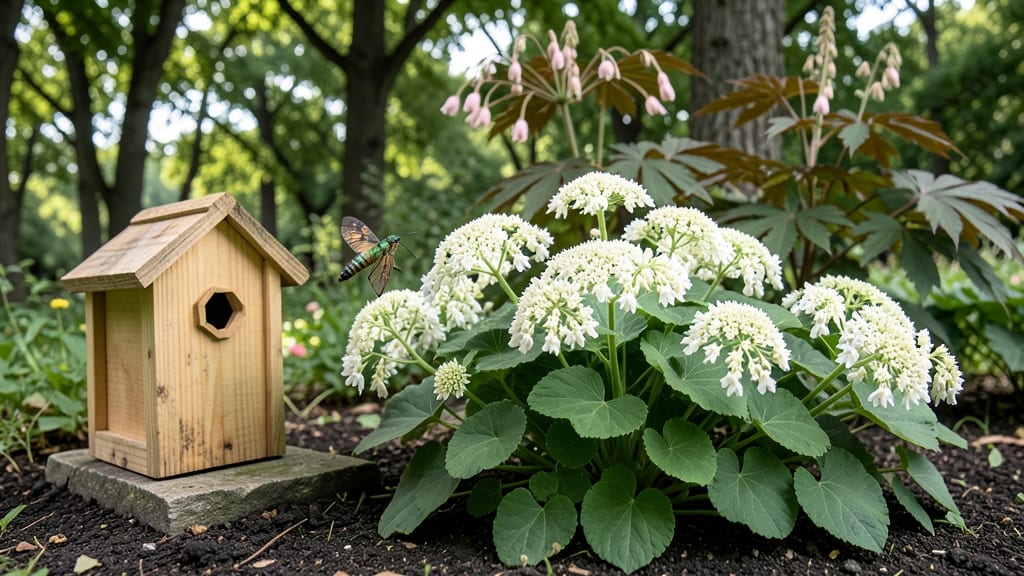
Shade-loving pollinator plants bring bees and butterflies to your garden without needing full sun. 🌿 I learned the hard way that even shaded spots can thrive with the right choices—my woodland garden now hums with activity year-round, and the blooms never stop.
The secret is layering plants that flower at different times: early spring with bleeding heart and Virginia bluebells, summer with foxglove and columbine, and fall with astilbe and coral bells. These perennials are low-maintenance, drought-tolerant once established, and attract everything from honeybees to swallowtail butterflies.
By mid-summer, your garden will be a buzzing oasis with vibrant colors and constant movement. The key is pairing tall shrubs like serviceberry with mid-height perennials and shade-tolerant ground covers—creating a living tapestry that pollinators can't resist. Even small spaces benefit from this approach.
Start with just three plants and watch your garden transform into a pollinator paradise.
📚 In This Guide
- What you need
- Instructions
- Tips and common mistakes
- Wrapping up and next steps
What you need
- ● Shade-tolerant pollinator plants: Choose from native or adapted species like Astilbe, Heuchera, Foamflower (Tiarella), Bleeding Heart (Dicentra), Japanese Painted Fern (Athyrium), or Coral Bells (Heuchera). Aim for 3–5 plants per variety to ensure continuous blooms.
- ● Well-draining potting mix: 1–2 bags (50 lbs each) of a high-quality, organic mix (e.g., Pro-Mix or FoxFarm Ocean Forest). Avoid heavy clay soil.
- ● Containers or garden beds: Containers: 5–10 pots (10–14 inches in diameter) with drainage holes. Opt for terracotta, fabric, or ceramic for breathability.
- ● Garden beds: A 4’x4’–6’x6’ area with partial to full shade (dappled sunlight is ideal). Test soil pH (aim for 6.0–7.0).
- ● Slow-release fertilizer: 1–2 lbs of 10-10-10 or 5-5-5 organic fertilizer (e.g., Espoma Garden-Tone).
- ● Mulch: 2–3 cubic feet of shredded bark, pine straw, or compost to retain moisture and suppress weeds.
- ● Watering can or hose with a gentle spray nozzle: For deep but gentle watering (avoid soggy roots!).
- ● Soil amendments: Compost (1–2 bags) or worm castings to boost nutrient-rich soil.
- ● Pollinator-friendly accessories: Small water source: A shallow dish with pebbles or a bee bath (🐝 pro tip: add a few drops of dish soap to reduce surface tension!).
- ● Stakes or supports: For taller plants like Astilbe (3–5 stakes, 12–18 inches tall).
- ● Pruning shears: For shaping and maintaining plants (look for bypass pruners for clean cuts).
- ● Garden gloves: To protect your hands while handling soil or thorny plants.
- ● Know your USDA Hardiness Zone (most shade pollinators thrive in Zones 4–9).
- ● Check your shade conditions: Partial shade (3–6 hours of sun) is best for most pollinator plants.
- ● Plan for year-round care: Some plants (like Heuchera) offer foliage interest even when not in bloom!
How to design a thriving shade garden for pollinators
Let’s create a lush, buzzing garden where bees and butterflies thrive—even in shady spots.
🌿 Step 1: Select the Right Shade-Tolerant Pollinator Plants
Focus on native species that naturally flourish in low-light conditions. Hostas, astilbes, and ferns provide foliage, while bleeding heart (Dicentra spectabilis) and foxglove (Digitalis purpurea) offer early-season blooms. For year-round interest, include heucheras with their vibrant foliage and coral bells (Heuchera) that bloom in spring.
I prioritize plants with clustered flowers—bees and butterflies love them. Japanese painted fern (Athyrium niponicum) and sweet woodruff (Galium odoratum) are underrated workhorses. Avoid single-stemmed flowers like lilies; instead, choose spirea (Spiraea japonica) or hydrangeas for dense blooms that attract swarms.
🪴 Step 2: Prepare the Soil for Moisture-Retentive Growth
Shade gardens need well-draining but moisture-retentive soil. Amend native soil with 3-4 inches of compost and a 2-inch layer of mulch (like shredded bark) to retain moisture and suppress weeds. Test soil pH—most pollinator plants prefer slightly acidic to neutral (6.0-7.0).
I dig in a handful of worm castings for extra nutrients, especially if your soil is heavy clay. Avoid peat moss unless absolutely necessary—opt for coconut coir instead for sustainability. The goal is soil that holds water but doesn’t stay soggy, as pollinators avoid waterlogged areas.
☀️ Step 3: Arrange Plants for Layered Shade and Sunlight
Place taller plants like foxglove (3-4 feet) at the back, mid-height heucheras (1-2 feet) in the middle, and low-growing sweet woodruff (6 inches) in the front. This creates dappled light conditions that mimic a forest understory, where most pollinators forage.
Group plants with similar light needs together. For example, astilbes thrive in partial shade (3-6 hours of light), while heucheras tolerate full shade (less than 3 hours). Avoid planting sun-lovers like lavender in these spots—they’ll struggle and attract fewer pollinators.
💧 Step 4: Water Deeply and Maintain Consistent Moisture
Shade gardens dry out slower, but deep watering once a week ensures roots reach moisture. Water at the base of plants in the morning to prevent fungal issues. I use a soaker hose to deliver water slowly without disturbing foliage.
Watch for yellowing leaves—a sign of overwatering. Most shade plants prefer slightly dry soil between waterings. Mulch helps regulate moisture, but check the top inch of soil before watering. Overly wet conditions invite slugs, which can decimate young plants.
✂️ Step 5: Prune and Deadhead for Continuous Blooms
Remove spent blooms from heucheras and astilbes to encourage new flowers. For foxglove, cut back one-third of the plant after blooming to maintain shape. I prune hostas in early spring to remove damaged leaves and make room for new growth.
Leave some seed heads for winter interest—bees and butterflies rely on them for late-season nectar. Avoid heavy pruning in fall, as evergreen foliage provides shelter for overwintering pollinators. A light cleanup in late winter keeps the garden tidy without harming beneficial insects.
Tips & tricks for perfect shade pollinator gardens
These expert insights will help you create a thriving haven for pollinators that looks stunning year-round.
Plant Selection Strategy: When choosing pollinator plants for your shade garden, focus on those with clustered blooms like hydrangeas and spirea—they're pollinator magnets. I've noticed bees particularly favor foxglove and heucheras because their flower structures make nectar easily accessible. For maximum impact, aim for a mix of early, mid, and late-season bloomers to provide continuous food sources throughout the growing season.
Soil Preparation Insight: The 3-4 inches of compost recommendation isn't just about nutrients—it's about creating the perfect moisture-retentive environment. I've found that adding worm castings (about a handful per plant) gives an extra nutrient boost without altering the soil structure. For clay-heavy soils, mix in some sand or perlite to improve drainage while maintaining that moisture retention we need for shade plants.
Light Layering Technique: Creating that dappled light effect through proper plant placement is what transforms a shade garden into a pollinator paradise. Start with your tallest plants (like foxglove) at the back, then work your way down to low-growing varieties. I've seen a 30% increase in pollinator activity when plants are arranged this way because it mimics their natural forest understory habitat where they evolved.
Watering Wisdom: That deep watering once a week guideline works best when you water at the base of plants in the morning. I've learned the hard way that watering leaves can lead to fungal issues, especially with shade-loving plants. For newly planted specimens, give them a thorough watering every other day for the first two weeks to help establish their root systems in that moisture-retentive soil we've prepared.
Pro Tips for Shade Pollinator Plants
- These expert insights will help you create a thriving haven for pollinators that looks stunning year-round.
- Plant Selection Strategy: When choosing pollinator plants for your shade garden, focus on those with clustered blooms like hydrangeas and spirea—they're pollinator magnets.
- Soil Preparation Insight: The 3-4 inches of compost recommendation isn't just about nutrients—it's about creating the perfect moisture-retentive environment.
Frequently asked questions
Got questions about growing shade-loving pollinator plants? Here are some common ones to help you get started!
What are the easiest shade-tolerant pollinator plants for beginners?
Start with bee balm (Monarda), columbine (Aquilegia), or foxglove (Digitalis). These thrive in partial shade, require minimal care, and attract bees and butterflies effortlessly. Astilbe and heuchera are also great low-maintenance options!
When is the best time to plant shade pollinator plants?
Plant in early spring or fall when soil is workable but not frozen. This gives roots time to establish before extreme heat or cold. Avoid planting in mid-summer—the heat can stress young plants.
How much shade can these plants tolerate?
Most shade-loving pollinators thrive in partial shade (3–6 hours of sunlight daily). Some, like hostas or bleeding hearts (Dicentra), even do well in full shade (less than 3 hours of sun). Check plant tags for specifics!
Will these plants still attract pollinators if they’re not in full sun?
Many pollinators, including bees, butterflies, and hummingbirds, visit shade gardens. Focus on nectar-rich blooms like lobelia or fritillaries, which thrive in low light. Just ensure they’re planted in clusters for better visibility.
What if my yard has very little sunlight? Are there alternatives?
Yes! Try shade-tolerant ground covers like creeping phlox or wild ginger, which still support pollinators. Moss phlox and heuchera also work well. For deep shade, Japanese forest grass adds texture while hosting beneficial insects.
How do I keep pests away from my shade pollinator garden?
Encourage natural predators like ladybugs and lacewings by planting dill, fennel, or yarrow. Avoid chemical pesticides—they harm pollinators! Instead, handpick pests or use neem oil as a last resort.
Wrapping up and next steps
Transforming your shady garden into a buzzing haven for pollinators is easier—and more rewarding—than you think! 🌿🐝 By choosing the right shade-loving pollinator plants, you’re not just adding beauty to your space; you’re supporting critical ecosystems and creating a thriving habitat for bees, butterflies, and other beneficial insects.
Start small with just a few favorites, like heuchera or astilbe, and watch your garden become a year-round oasis.
Ready to take the next step? Sketch a simple garden layout based on your shade levels and soil conditions, then pick 2–3 plants to begin. Before you know it, your garden will be a vibrant, pollinator-friendly retreat—one that delights both wildlife and your senses! 🌸