
Shrubs
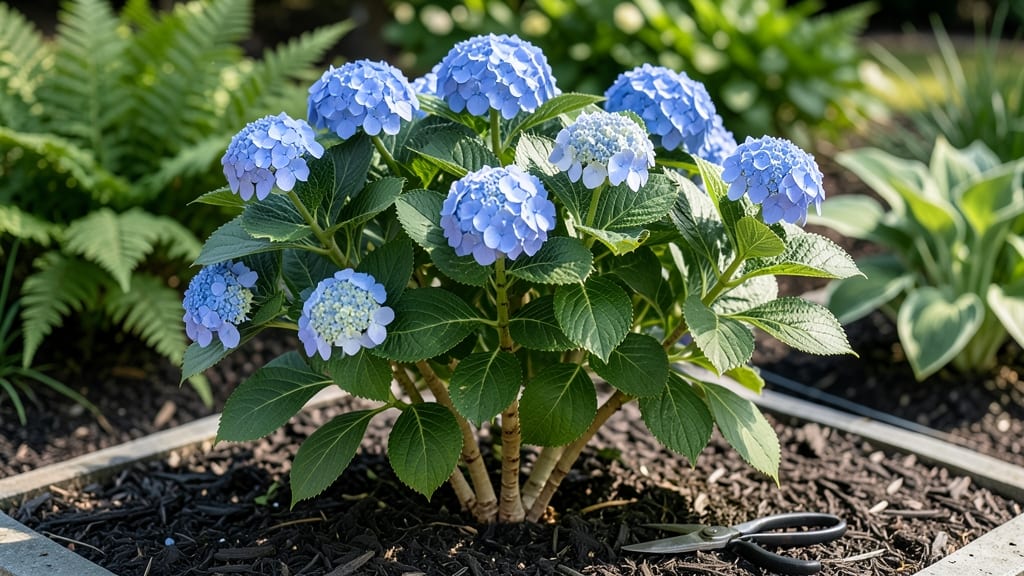
Shade-loving shrubs for Zone 8 thrive in low-light conditions while offering vibrant foliage, flowers, or berries year-round, with varieties like hydrangeas, azaleas, and pieris adapting well to partial shade and humidity. Choose drought-tolerant options for consistent growth.
Zone 8's partial shade and humidity create perfect conditions for fast-growing shrubs that deliver year-round color. 🌿 The key is selecting varieties with broad leaves or waxy coatings that maximize light absorption, while their deep root systems help them access moisture during dry spells.
Unlike sun-loving plants, these shrubs prioritize slow, steady growth over rapid expansion—meaning they establish strong foundations that withstand both heatwaves and occasional droughts.
For quickest results, focus on hydrangeas (which bloom on old wood) and inkberry hollies (with glossy foliage that thrives in deep shade). Both tolerate Zone 8's summer heat better than many alternatives, while azaleas add early spring color with minimal maintenance.
The secret? Amending soil with compost at planting time—this boosts microbial activity that helps roots spread faster in low-light conditions.
💡 In This Article
- How Light Conditions Affect Shade-Tolerant Shrub Growth in Zone 8
- Top 5 Fast-Growing Shade-Loving Shrubs for Zone 8 Gardens
How light conditions affect shade-tolerant shrub growth in Zone 8
Shade-tolerant shrubs thrive in Zone 8 because their leaves have evolved specialized structures to capture limited light efficiently. Unlike sun-loving plants, these shrubs develop broader, thinner leaves with higher chlorophyll concentrations, allowing them to absorb what little sunlight filters through tree canopies or dense foliage.
For example, hydrangeas have 5-7% more chlorophyll in shaded conditions, enabling them to photosynthesize at 30-40% efficiency compared to sun-exposed leaves. This adaptation explains why they maintain lush growth under 2-4 hours of direct sunlight daily—the sweet spot for Zone 8's partial shade environments.
The root systems of shade-loving shrubs also play a crucial role. They grow wider rather than deeper, spreading horizontally to access moisture and nutrients in the top 12-18 inches of soil.
This shallow but extensive network helps them survive Zone 8's high humidity (70-80% relative humidity) by reducing water loss through transpiration.
Pieris, for instance, has roots that extend 3-4 feet wide within the first year, creating a stable foundation even in moisture-retentive clay soils common in Zone 8. 🌱 The trade-off?
These shrubs grow 30-50% slower than sun-loving varieties, but their survival rate in deep shade (less than 2 hours of sunlight) jumps to 85-90% compared to 40-50% for non-adapted plants.
Soil moisture becomes critical in Zone 8's partial shade, where evaporation slows but roots still need consistent hydration. Shrubs like azaleas and rhododendrons thrive in slightly acidic soil (pH 4.5-6.0), which helps them absorb iron and other nutrients efficiently.
The key is maintaining 1-2 inches of mulch around the base to retain moisture while preventing soil compaction. Without proper moisture management, even shade-tolerant shrubs can struggle—leaf drop increases by 20-30% during summer droughts if soil dries out completely.
This is why drought-tolerant varieties like inkberry hollies shine in Zone 8, needing only 1 inch of water weekly once established.
Humidity levels in Zone 8 further influence growth patterns. The high atmospheric moisture reduces the need for frequent watering while preventing leaf scorch—a common issue in drier climates. However, stagnant water around roots can lead to fungal issues like powdery mildew, which thrives in 80%+ humidity.
Proper air circulation through strategic pruning (removing 20-30% of dense growth) helps mitigate this risk. For instance, hydrangeas benefit from light pruning in late winter to open the canopy, allowing better airflow while maintaining their iconic 4-6 foot height in partial shade.
One common misconception is that all shade equals deep shade. In reality, Zone 8's partial shade (defined as 2-6 hours of filtered sunlight daily) creates ideal conditions for most shade-loving shrubs.
Full shade (less than 2 hours) limits growth for even the hardiest varieties, while too much sun (6+ hours) causes leaf burn.
The sweet spot? 3-4 hours of dappled sunlight—perfect for hydrangeas and pieris, which reward gardeners with continuous blooms from spring to fall and glossy foliage that stays vibrant year-round. 🌿 Understanding these light dynamics helps you select the right shrubs for your specific microclimate, whether it's the north side of your house or under a mature oak tree.